
The material selection process for manufacturers and wholesalers has become increasingly complex. With the rise of bio-based alternatives and strict environmental regulations, procurement teams need clear data. PVC Artificial Leather remains a dominant force in the global market. However, the conversation has shifted from simple cost analysis to a detailed evaluation of performance, compliance, and manufacturing consistency. This article provides a technical deep dive for B2B buyers, focusing on what matters in 2026: durability, regulatory alignment, and supply chain stability.
For decades, PVC Artificial Leather has been the standard for automotive interiors, furniture, and footwear because of its balance between cost and durability. Today, the market demands more. Buyers are no longer just asking for "leather-like" material; they require specific technical certifications. The long-tail keyword, high durability PVC artificial leather for automotive interior,s reflects this shift toward application-specific engineering. Similarly, the demand for eco-friendly PVC artificial leather manufacturing process shows that sustainability is now a procurement criterion, not just a marketing angle.
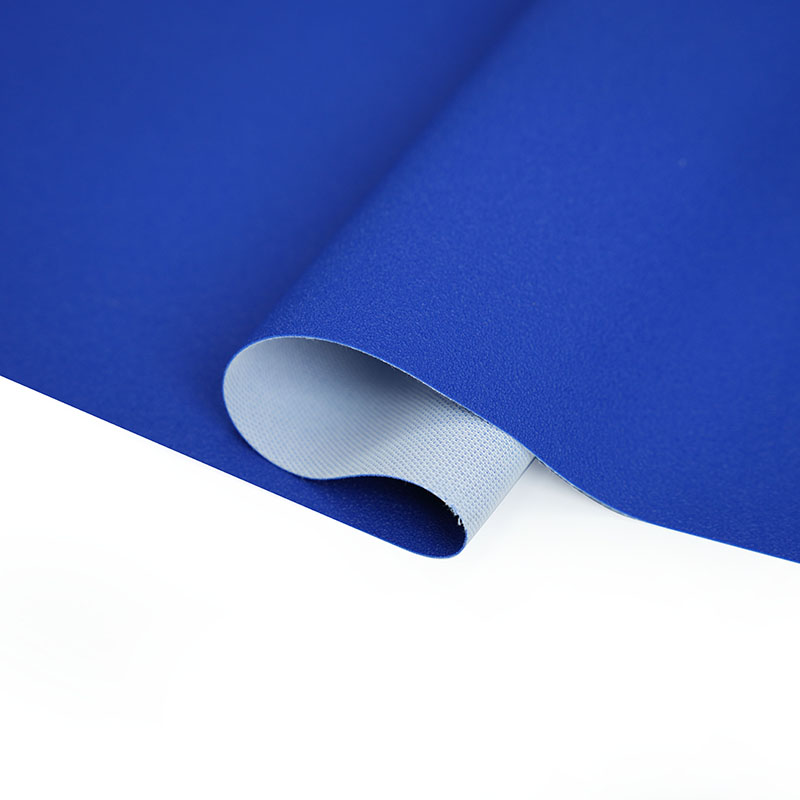
When evaluating PVC Artificial Leather, the conversation must move beyond thickness and color. Engineers focus on three core metrics: abrasion resistance, tensile strength, and flexibility at low temperatures. For applications like upholstery, the material must pass the Wyzenbeek test with over 50,000 double rubs. For automotive use, cold crack resistance down to -30°C is non-negotiable. Wholesalers searching for crack-resistant PVC artificial leather for upholstery are specifically targeting the automotive and outdoor furniture sectors, where seasonal temperature swings can cause material failure.
Understanding how the material is made helps buyers predict consistency. High-quality PVC Artificial Leather is typically produced via the calendering or spread coating process. Calendering offers tighter thickness tolerances, which are critical for applications requiring precise stitching and seam strength. Spread coating allows for more intricate embossing patterns. For B2B buyers, requesting a detailed manufacturing process specification is essential to ensure that the bulk PVC artificial leather roll for wholesale meets the specific needs of their production line.
Many procurement professionals face the challenge of choosing between PVC and polyurethane (PU) or newer bio-based synthetics. While PU offers a softer hand feel, PVC generally provides superior hydrolytic stability, meaning it does not break down when exposed to moisture over time. This makes it a preferred choice for marine applications and outdoor furniture. The following table outlines the key performance indicators for B2B decision-makers.
| Property | PVC Artificial Leather | PU Synthetic Leather | Bio-Based Alternatives |
|---|---|---|---|
| Hydrolysis Resistance | Excellent | Moderate (prone to breakdown in humidity) | Variable |
| Abrasion Resistance (Wyzenbeek) | 50,000+ cycles | 30,000-50,000 cycles | 20,000-40,000 cycles |
| Cold Crack Temperature | -30°C to -40°C | -20°C to -30°C | Varies widely |
| Cost per Square Meter (Bulk) | Low to Medium | Medium to High | High |
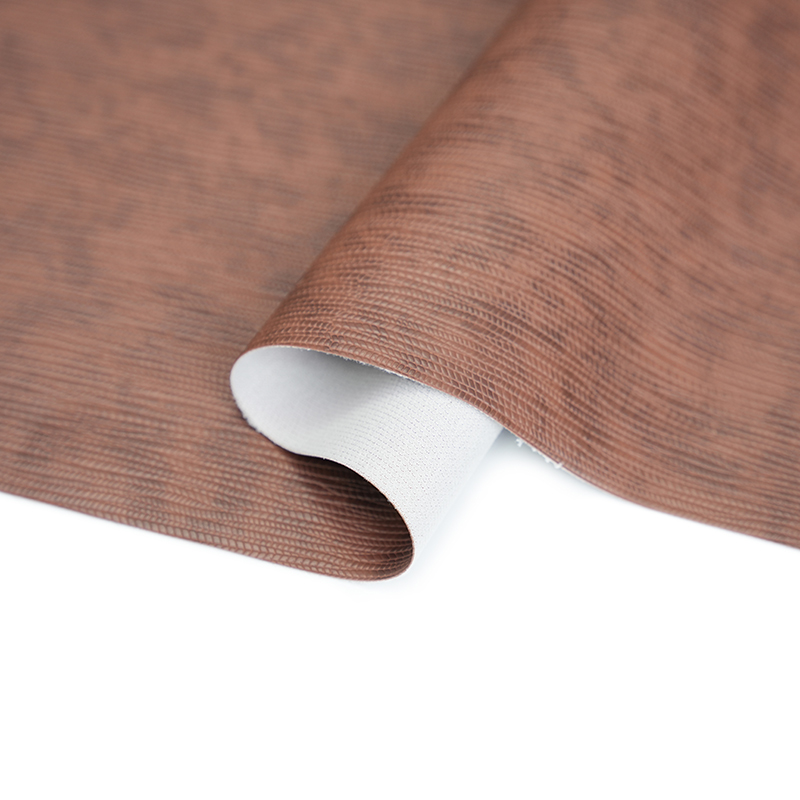
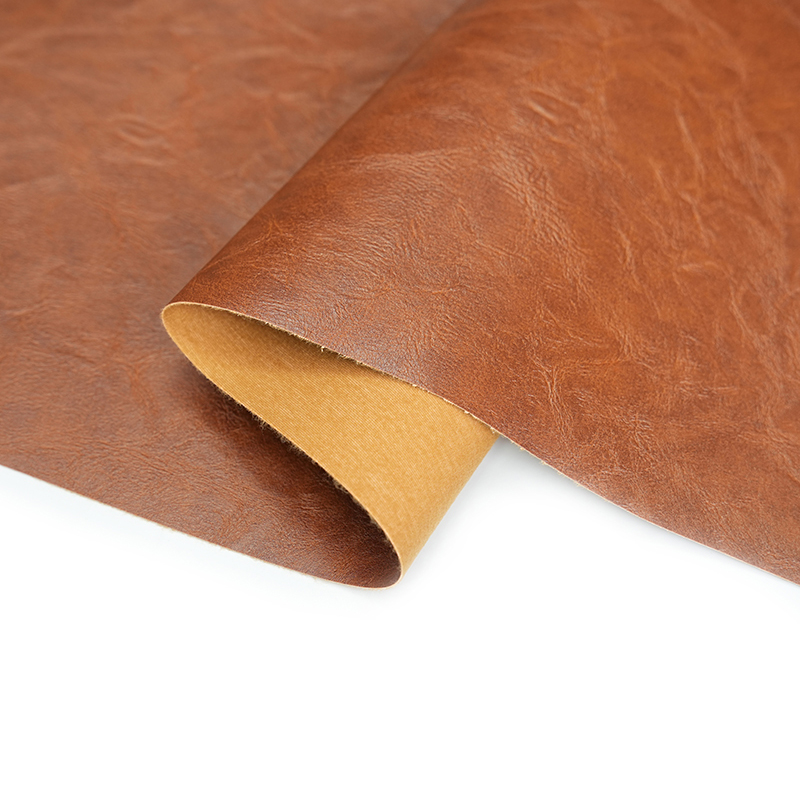
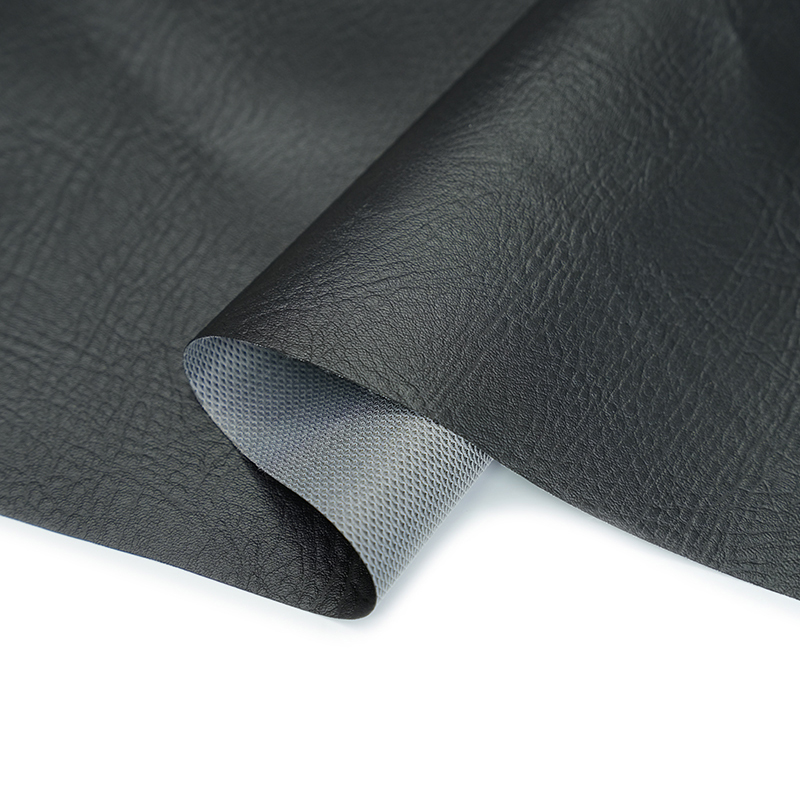
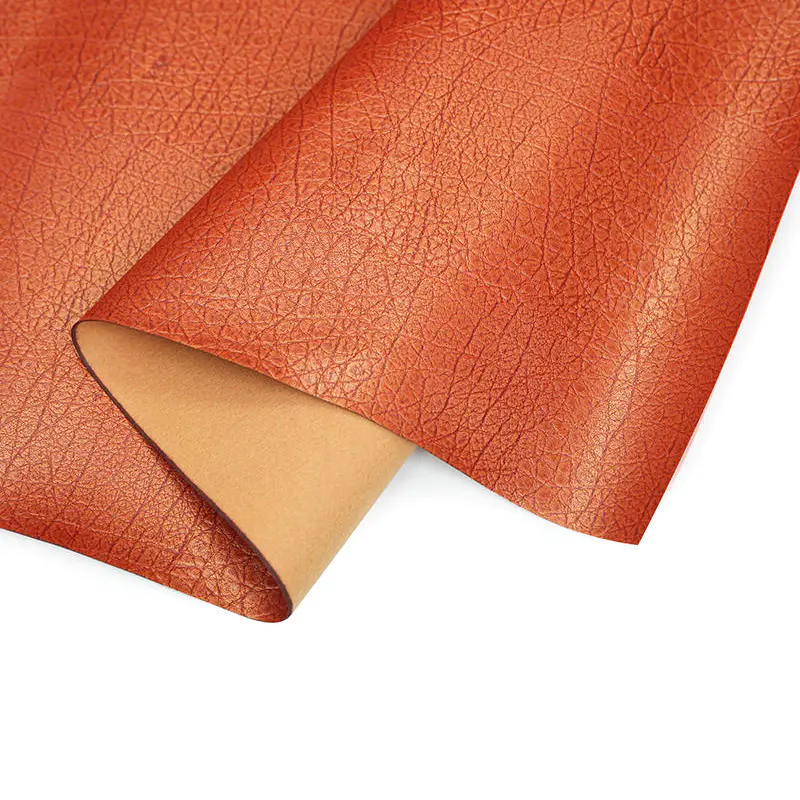
Regulatory compliance has become the primary filter for material selection. In the European and North American markets, REACH and Proposition 65 compliance are mandatory. Buyers are increasingly searching for REACH-compliant PVC artificial leather for furniture to ensure their finished products can enter these regulated markets. Additionally, the aesthetic demand for specific finishes is driving searches for embossed PVC artificial leather with fabric backing, as fabric-backed variants offer better dimensional stability for upholstery applications.
When evaluating suppliers, B2B buyers should prioritize the following technical and compliance factors:
The search for high-durability PVC artificial leather for automotive interiors requires specific attention to fogging resistance. Automotive-grade materials must pass the DIN 75201 test to prevent windshield fogging caused by volatile compounds. This specification is often overlooked by generalist suppliers but is critical for OEM and aftermarket automotive suppliers.
The market is moving toward circular models. While PVC Artificial Leather has historically faced criticism for end-of-life disposal, new manufacturing processes are incorporating recycled PVC content. Some suppliers now offer materials with up to 30% post-industrial recycled content without compromising on abrasion or tensile strength. For B2B buyers, this presents an opportunity to meet corporate sustainability goals while maintaining the performance characteristics that make PVC a reliable choice. The long-tail keyword eco-friendly PVC artificial leather manufacturing process is increasingly being used by procurement teams to identify suppliers who have adopted closed-loop water systems and recycled material streams.
Add: No.285 Shashan Avenue, Zhouzhuang Town, Jiangyin City, Jiangsu Province, China.
Tel: +86-510-86903827
Rachel Wang:
+86-18651025719 (Phone)
[email protected] (Email)
Jessica Qian:
+86-13739165356 (Phone)
[email protected] (Email)
Cathay Xia:
+86-18021569150 (Phone)
[email protected] (Email)
Copyright © Jiangyin Jiangdong Plastic Co., Ltd. All Rights Reserved.Custom PVC Artificial Leather Manufacturers


 English
 中文简体
中文简体