
Content
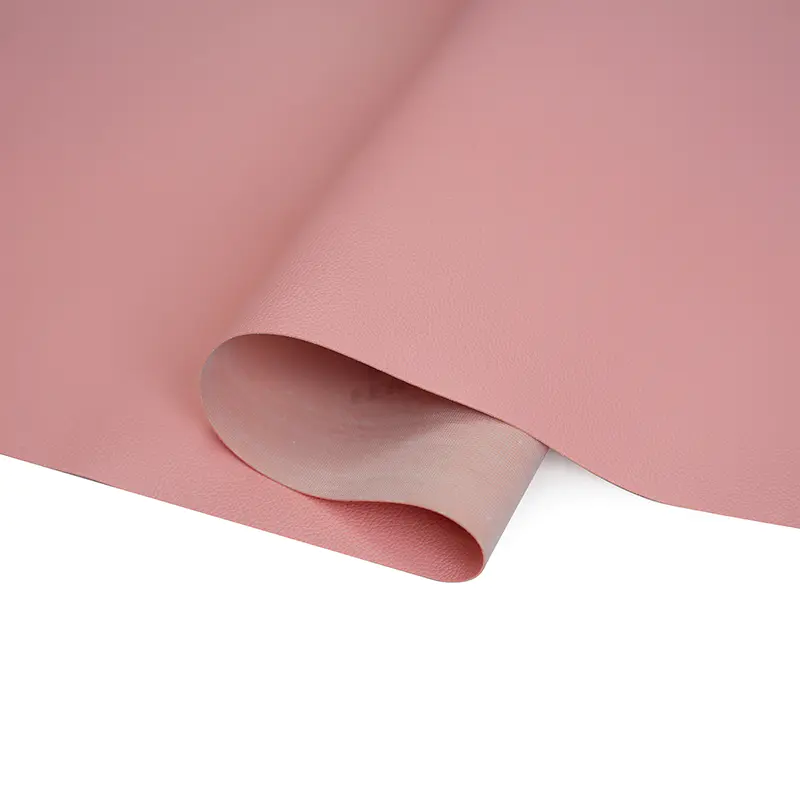
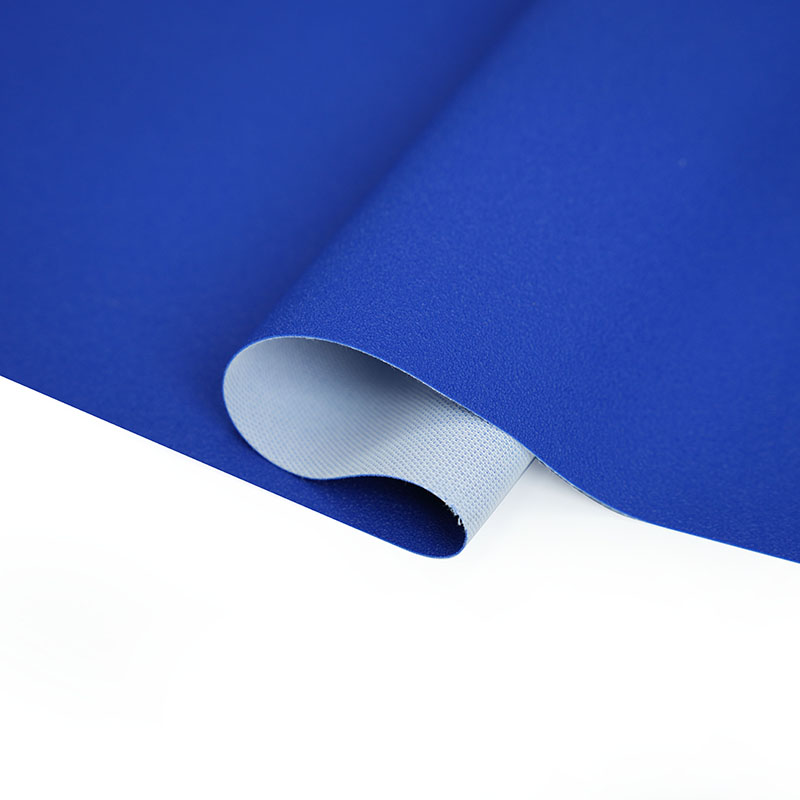
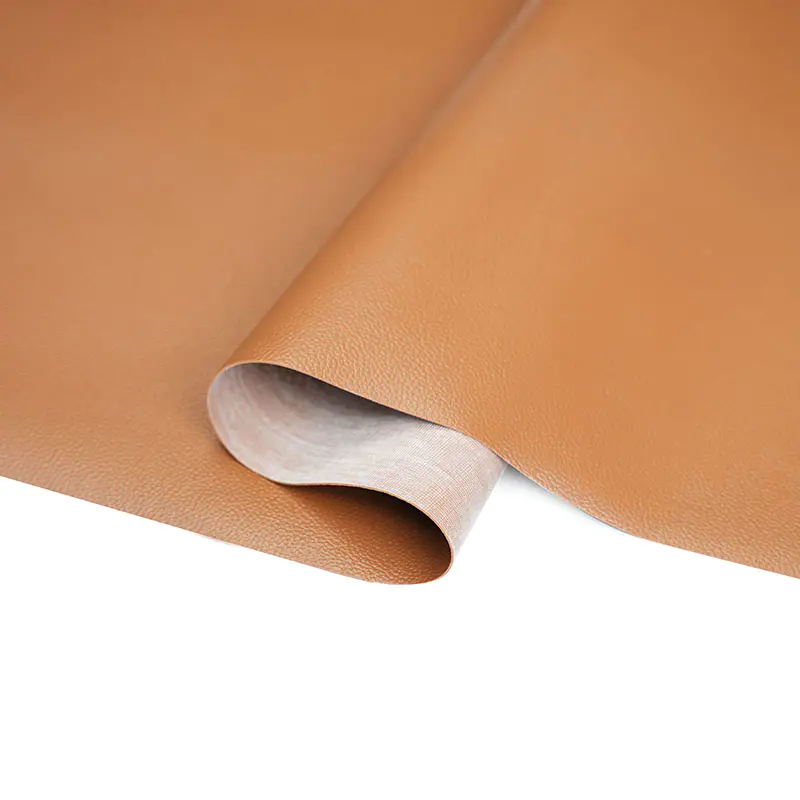
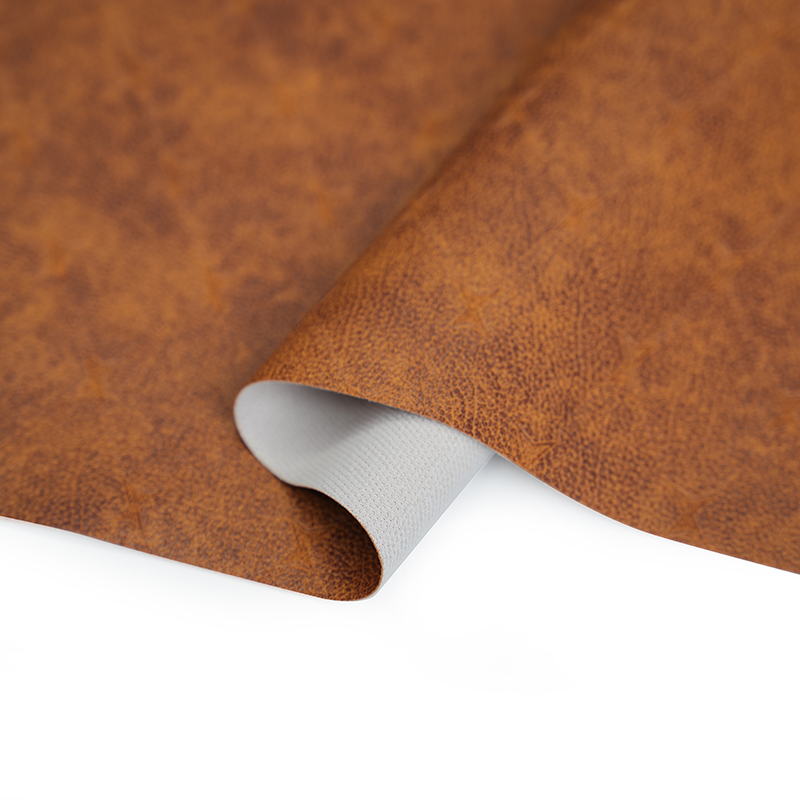
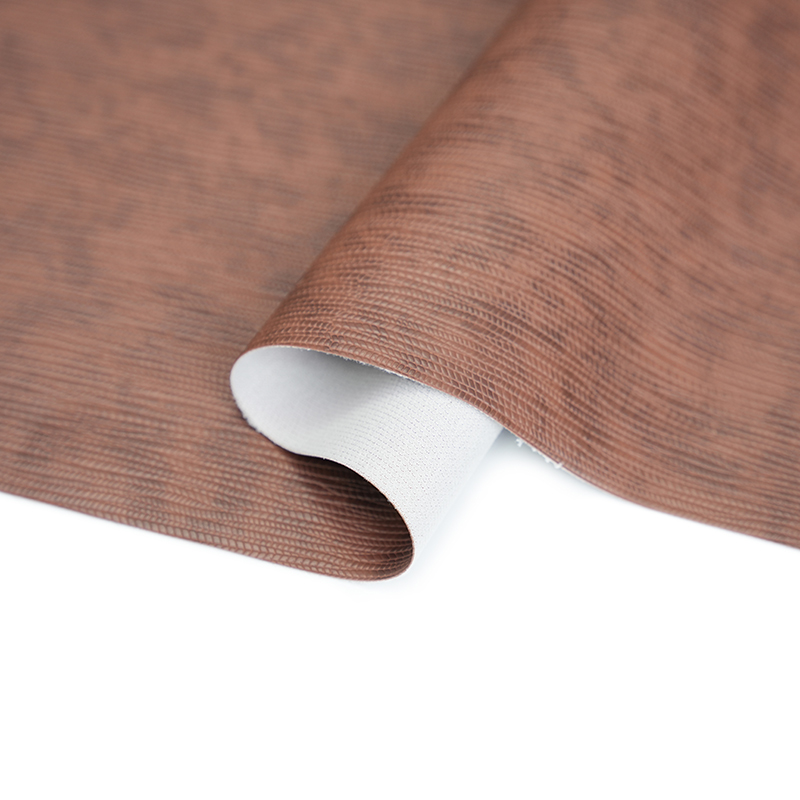
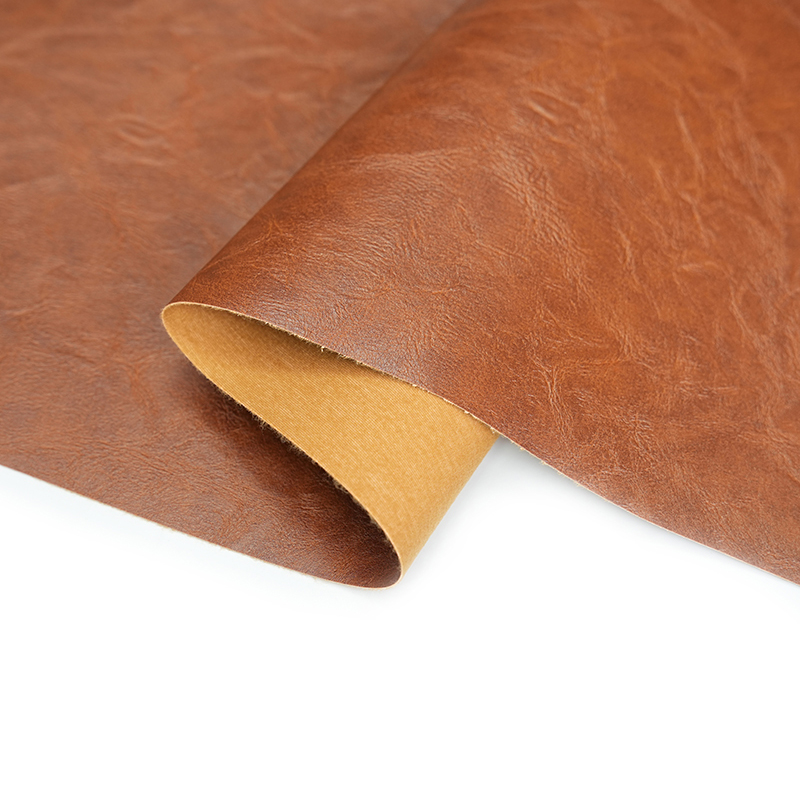
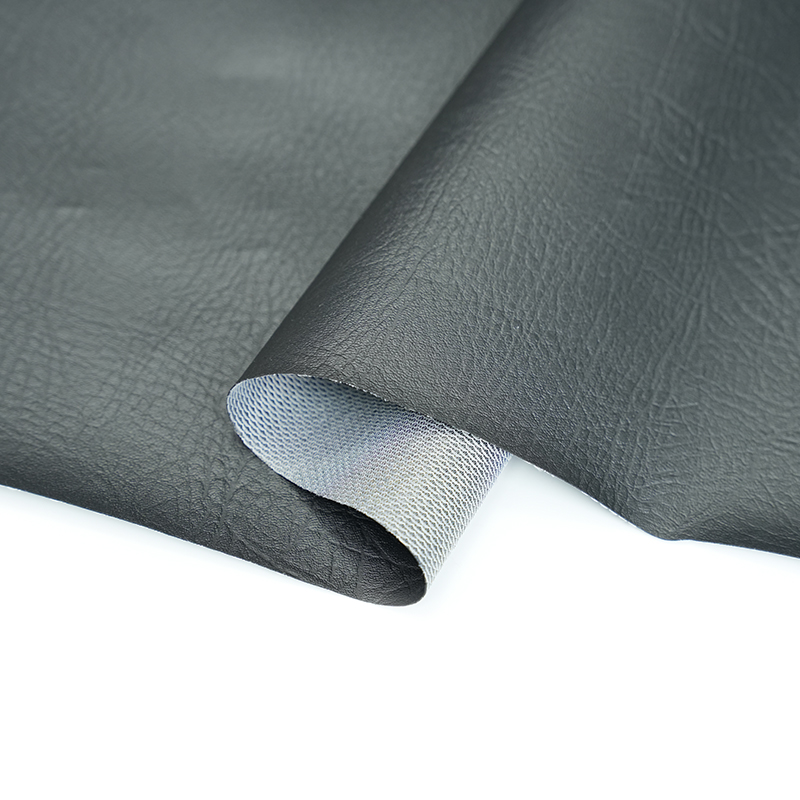
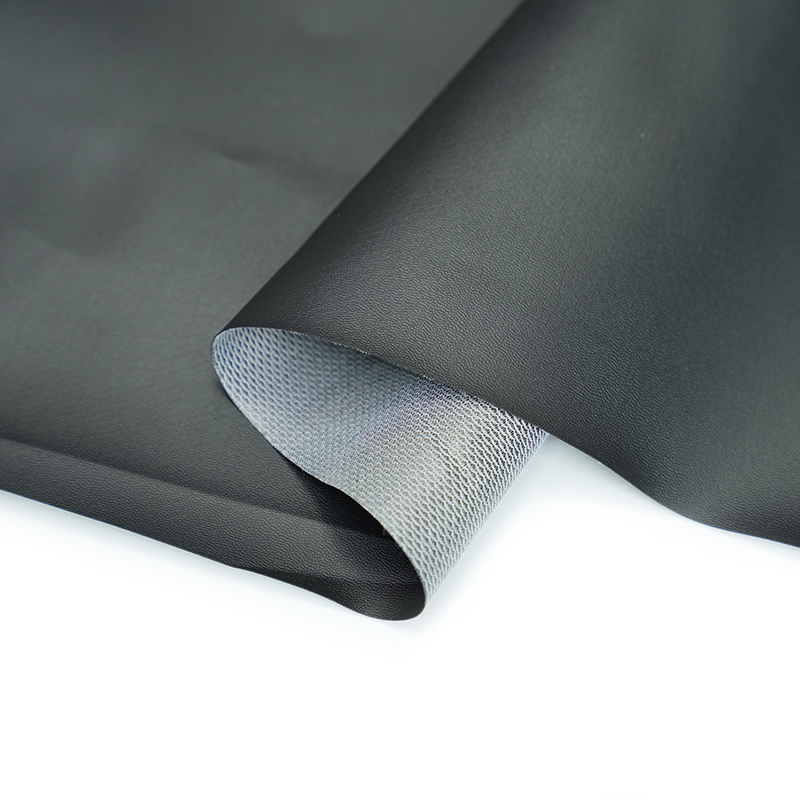
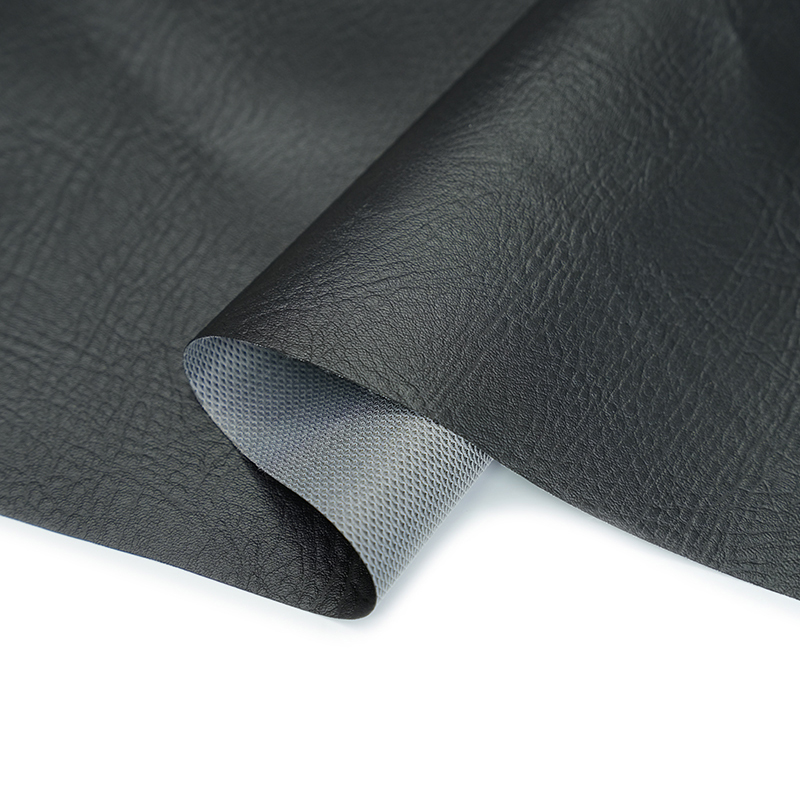
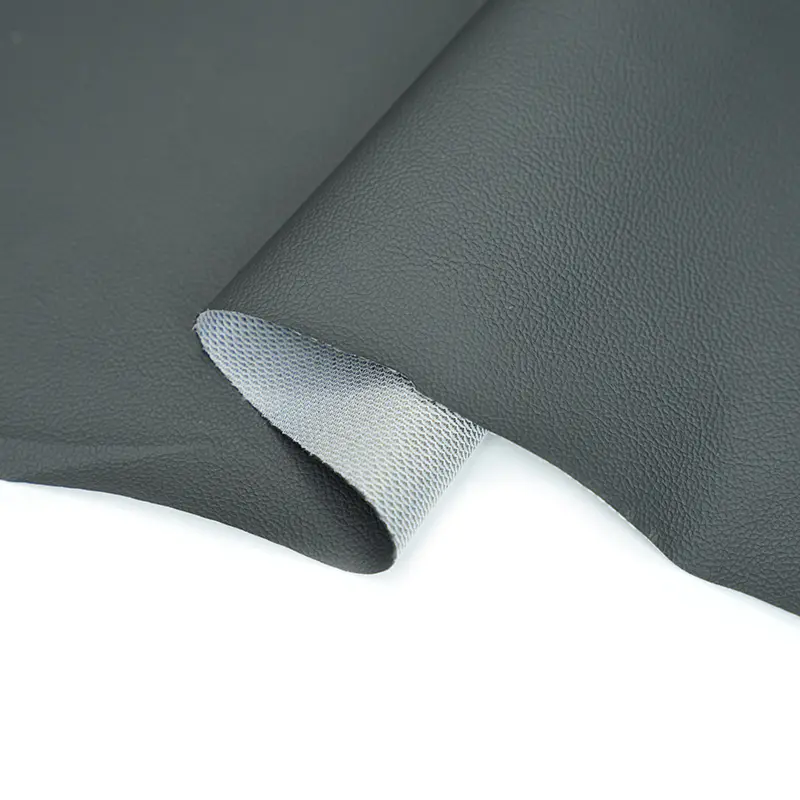
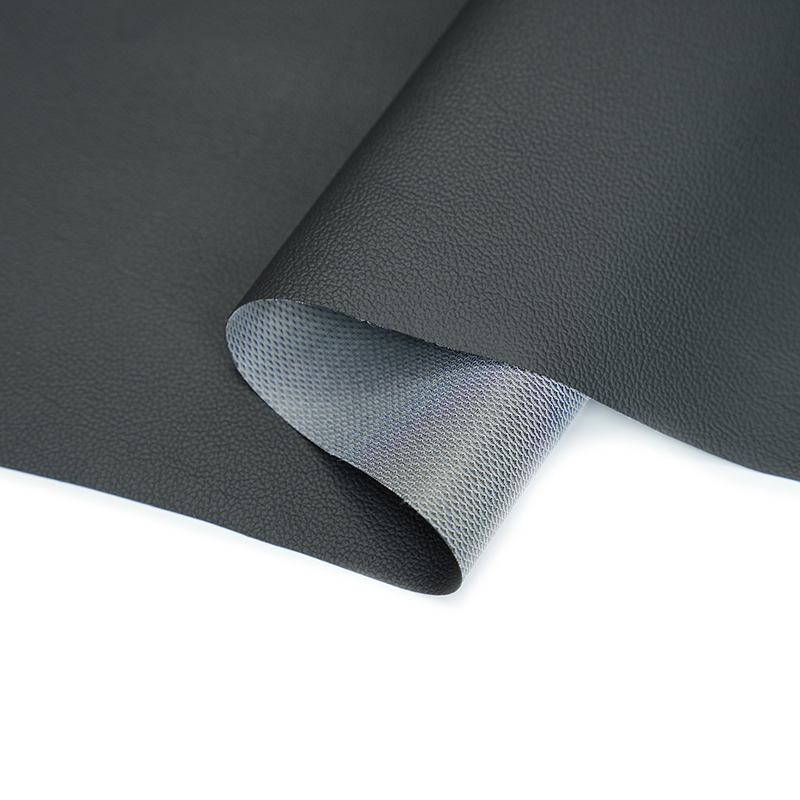
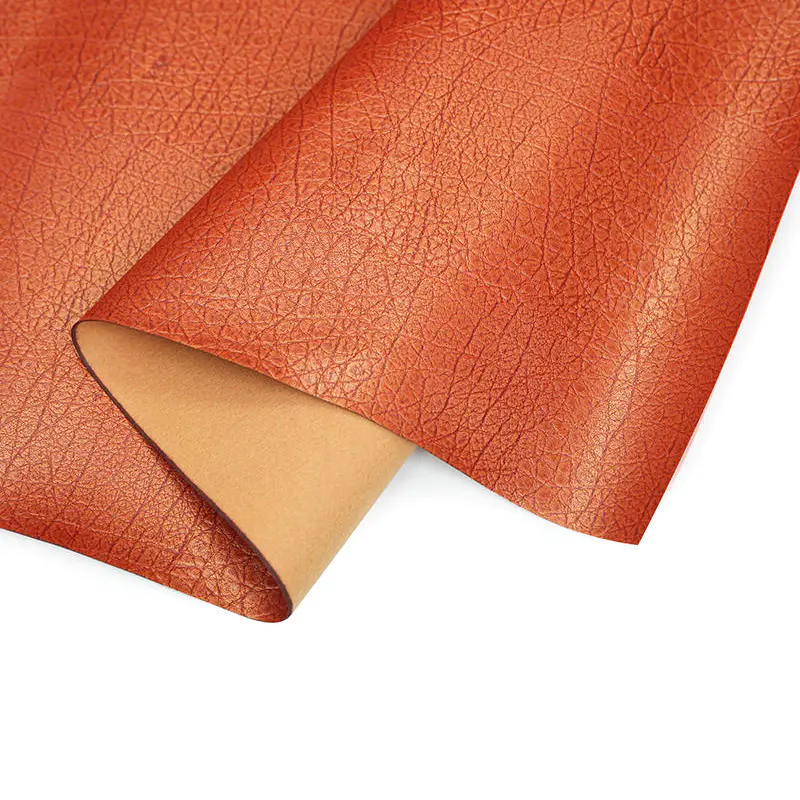
Within interior design, faux leather fabric for decoration is a material crafted to replicate the aesthetic of genuine leather. Its purpose in décor is purely visual and tactile, providing a durable and versatile surface for various applications without the ethical or cost considerations of animal hides. The fundamental structure of this material is a composite, typically consisting of a robust textile base combined with a surface polymer layer. This composition makes it suitable for high-traffic decorative uses, including upholstery, wall panels, and accent pieces.
The quality and performance of decorative faux leather are determined by its material construction. The choice of base fabric, the type of polymer coating, and the surface finishing treatments are crucial factors that influence its final appearance, durability, and feel. Unlike leather alternatives developed for other industries, decorative variants prioritize aesthetic properties, surface consistency, and ease of maintenance. The manufacturing process involves binding these distinct layers to create a unified, functional material that meets the demands of both residential and commercial spaces.
insight Modern decorative faux leather blends advanced polymer chemistry with textile engineering. The result is a material that can mimic full-grain leather texture while offering superior stain resistance and colorfastness – essential for decorative elements exposed to light and touch.
The foundation of decorative faux leather is its textile backing. This base provides structural integrity, strength, and dimensional stability to the finished material. The most commonly used fibers for this base are synthetic polymers.
The textile base can be woven or knitted, each providing distinct characteristics. Woven bases are preferred for their stability and resistance to tearing, making them ideal for upholstery. The backing also contributes to the overall weight and drape of the fabric, with heavier bases providing a more luxurious feel.
The polymer coating is the defining component of faux leather, providing its characteristic texture, visual appeal, and functional properties. The primary polymers used fall into two main categories.
| Polymer Type | Key Properties | Decorative Use Fit |
|---|---|---|
| PVC (Polyvinyl Chloride) | High durability, water-resistant, cost-effective | Heavy-use wall panels, commercial seating |
| PU (Polyurethane) | Softer hand feel, breathable, more natural texture | Luxury upholstery, headboards, accent furniture |
| Microfiber PU | Superior softness, high tensile, premium drape | High-end decorative objects, custom furniture |
PU coatings are generally preferred for decorative use because they offer a more realistic leather-like texture and are more breathable than PVC. However, PVC remains a robust choice for areas requiring maximum durability and moisture resistance.
Beyond the base polymer, decorative faux leather incorporates various additives to enhance performance and aesthetics. These include plasticizers for flexibility, stabilizers against UV degradation, and pigments for color consistency. A top coat, often a clear polyurethane or acrylic layer, is applied to provide abrasion resistance and facilitate easy cleaning. This finishing layer can be embossed with grain patterns or treated with a matte or glossy finish to achieve the desired decorative effect.
Decorative faux leather is engineered to meet specific performance criteria that are critical in interior environments. Its physical properties determine how well it withstands daily use, sunlight, and cleaning routines.
durability Independent tests indicate that high-quality decorative faux leather can withstand up to 50,000 double rubs in abrasion testing, outperforming many natural leathers in terms of surface resilience while maintaining a consistent appearance.
The versatility of faux leather fabric for decoration is evident in its wide range of applications. Its ability to mimic various leather textures, from smooth and polished to heavily grained, allows designers to achieve different aesthetics without compromising on functionality.
Decorative faux leather is extensively used for sofas, chairs, ottomans, and headboards. The material's flexibility allows it to be stretched over complex shapes, and its consistent surface ensures uniform color and texture across large pieces. In residential settings, PU-based faux leathers are preferred for their softness and comfort, while PVC variants are often chosen for outdoor or high-moisture areas.
Faux leather wall panels add warmth and texture to interior spaces. They are used in feature walls, hotel lobbies, and office reception areas. The material's acoustic properties, combined with its visual appeal, make it a popular choice for creating sophisticated environments. Panels can be produced in large continuous rolls, minimizing seams and creating a seamless look.
Smaller decorative items such as throw pillows, trays, and picture frames often utilize faux leather. The material's ease of fabrication allows for intricate detailing, including stitching, embossing, and perforation, enabling designers to create bespoke pieces that align with their creative vision.
| Application | Preferred Coating | Key Advantage |
|---|---|---|
| Residential sofas | PU or Microfiber PU | Softness and breathability |
| Commercial seating | PVC | High durability and easy maintenance |
| Wall panels | PU with top coat | Rich texture and acoustic benefits |
| Luxury headboards | Microfiber PU | Premium feel and drape |
PU (polyurethane) faux leather is more breathable, softer, and offers a more natural texture, making it ideal for upholstery where comfort is key. PVC (polyvinyl chloride) is more durable, water-resistant, and cost-effective, often used in high-traffic commercial spaces or outdoor applications. For decorative residential use, PU is generally preferred due to its superior aesthetics and feel.
High-quality decorative faux leather can be equally durable, if not more so, than genuine leather in certain aspects. It offers consistent abrasion resistance, superior stain resistance, and does not require conditioning. However, genuine leather tends to develop a patina over time, which some users prefer. Faux leather maintains its appearance with minimal maintenance.
Yes, especially PVC-based faux leather, which is inherently water-resistant. Even PU-based materials with proper top coatings can handle moderate humidity. However, it is advisable to ensure proper ventilation to prevent any potential mildew growth on the textile backing in extreme conditions.
While faux leather is synthetic, many manufacturers are adopting more sustainable practices, including using recycled polyester backings and water-based PU coatings. Additionally, its durability and longevity mean that it does not need to be replaced frequently, reducing overall waste.
Regular cleaning with a soft, damp cloth and mild soap is sufficient for most decorative faux leathers. Avoid using harsh chemicals, abrasive cleaners, or excessive water, as these can damage the top coating. For stubborn stains, a specialized vinyl or PU cleaner can be used.
Add: No.285 Shashan Avenue, Zhouzhuang Town, Jiangyin City, Jiangsu Province, China.
Tel: +86-510-86903827
Rachel Wang:
+86-18651025719 (Phone)
[email protected] (Email)
Jessica Qian:
+86-13739165356 (Phone)
[email protected] (Email)
Cathay Xia:
+86-18021569150 (Phone)
[email protected] (Email)
Copyright © Jiangyin Jiangdong Plastic Co., Ltd. All Rights Reserved.Custom PVC Artificial Leather Manufacturers


 English
 中文简体
中文简体