
Content
Fast fashion operates on a business model defined by rapid production cycles, high volume, and razor-thin margins. Within this framework, material selection is not merely a design decision; it is a financial calculation. PVC Artificial Leather For Shoes emerges as the primary candidate for many mass-market footwear lines because its cost structure aligns perfectly with the industry's operational demands. The global PVC leather market was valued at approximately USD 18.7 billion in 2024, with footwear representing one of its largest application segments.
Unlike genuine leather, which is subject to the volatility of livestock prices, hide quality, and complex tanning processes, PVC is a manufactured polymer. Its price is relatively stable and consistently lower. For a factory producing millions of pairs of shoes, the difference of even a few cents per square foot of material translates into substantial savings over a production run. This cost advantage is the primary driver for its widespread use, enabling fast-fashion brands to offer shoes at price points that would be impossible with natural materials.
Beyond the price tag, PVC offers specific technical properties that are highly advantageous for certain types of footwear. The material is inherently durable and highly resistant to wear and tear. Its dense, non-porous surface makes it fully waterproof and remarkably easy to clean, requiring only a simple wipe to remove dirt or stains. For consumers, this translates to a shoe that can withstand wet weather and daily abrasion with minimal maintenance.
Furthermore, modern manufacturing advancements have addressed some of PVC's traditional drawbacks. For instance, lightweight engineered PVC leathers now feature a specific gravity as low as 0.65 to 0.75 g/cm³, significantly lighter than standard formulations. These materials are also compatible with high-frequency welding, a no-sew construction technique that eliminates heavy stitching, reduces weight, and streamlines the assembly line for athletic and athleisure footwear.
| Property | Typical Value / Description |
|---|---|
| Specific Gravity (Density) | 0.65 - 0.75 g/cm³ (Lightweight variants) |
| Water Resistance | Excellent (Fully waterproof) |
| Abrasion and Tear Resistance | High |
| HF Welding Compatibility | Yes (for no-sew designs) |
| Sole Peeling Strength | Greater than or equal to 3.0 kg/3cm |
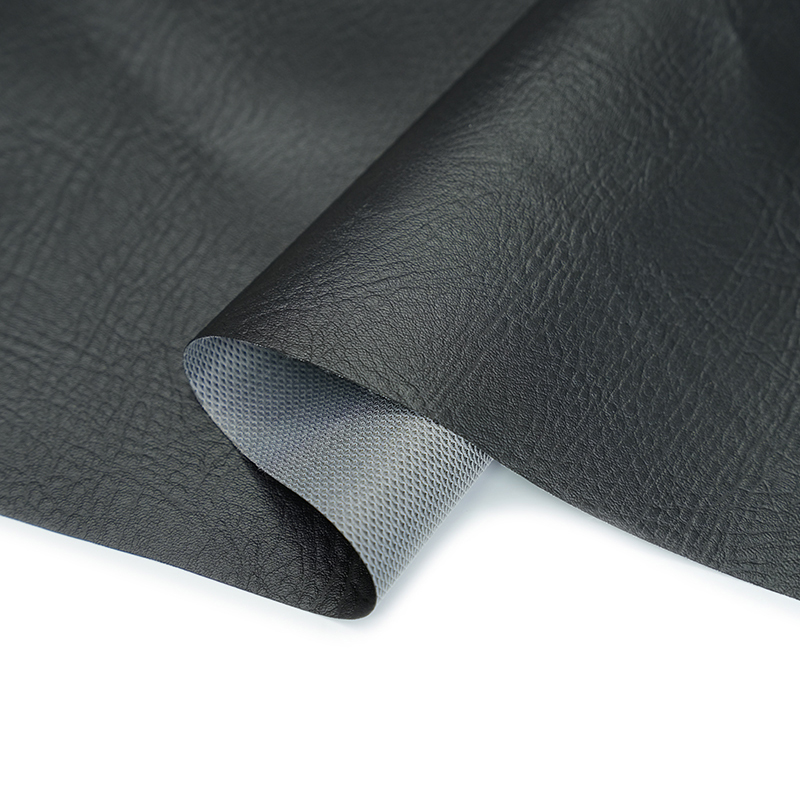
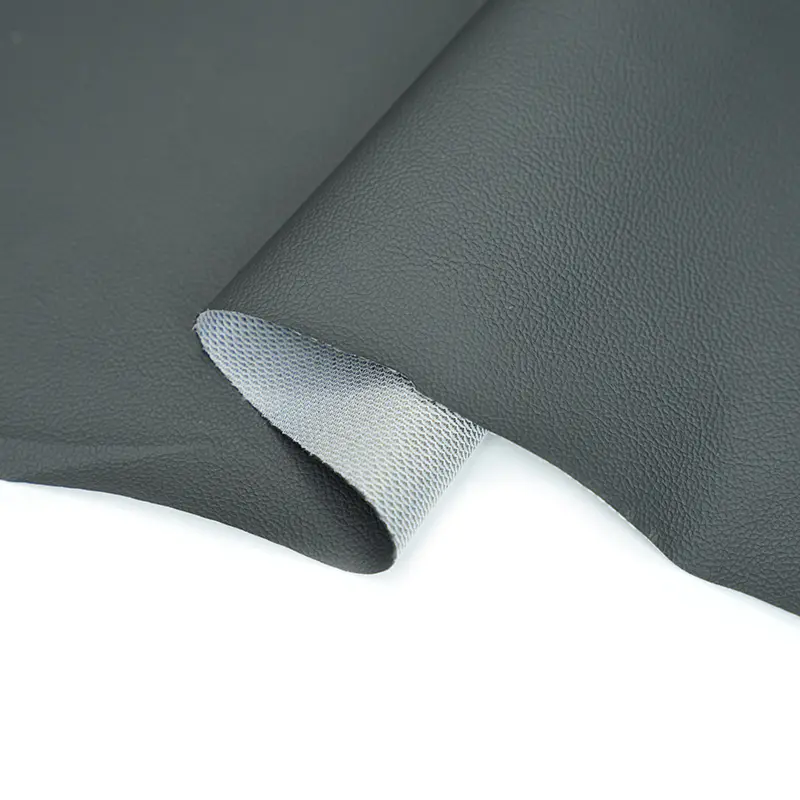
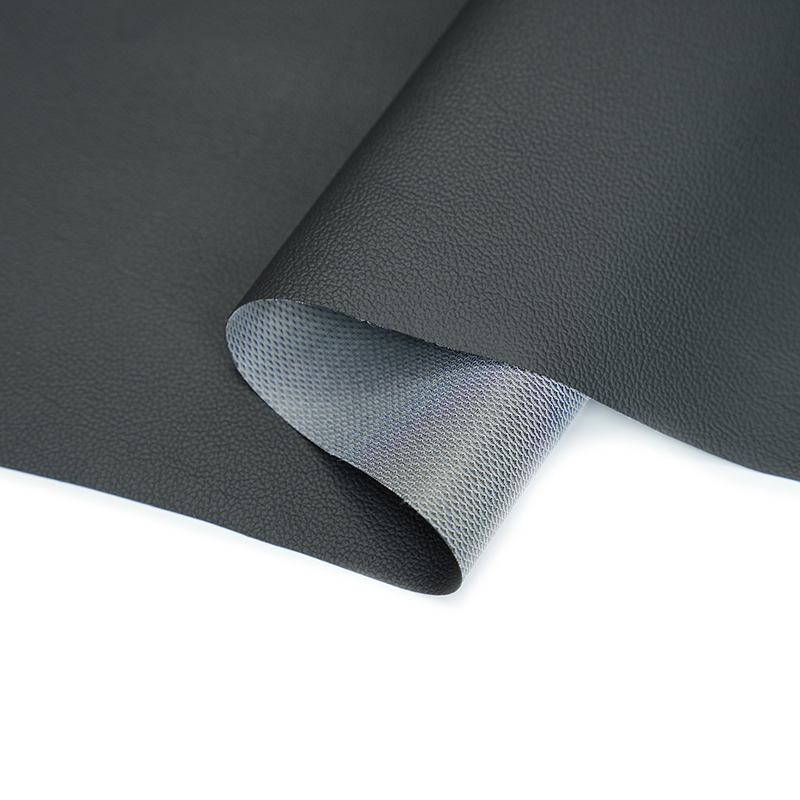
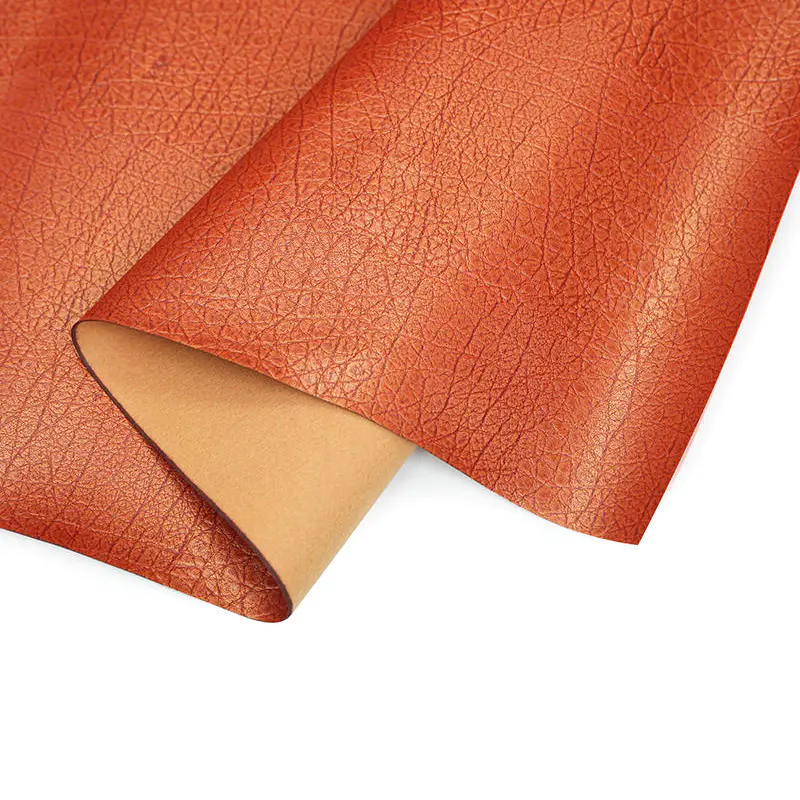
In an industry where trends change with the seasons, consistency is paramount. PVC artificial leather provides a uniform texture, color, and finish that is difficult to achieve with natural leather, which has inherent variations. The material can be easily embossed with any grain pattern, from pebbled to smooth, allowing designers to replicate popular aesthetics at a fraction of the cost.
This consistency is a boon for fast-fashion production, where a shoe designed for a specific season must look identical across thousands of pairs. PVC's ability to accept a wide range of pigments and finishes ensures that brands can quickly adapt to the latest color trends without the constraints of natural hide availability or dyeing complexities.
Despite its practical advantages, PVC leather is often considered the lowest-performing synthetic leather option. Its primary drawbacks stem from its plastic-based composition, which leads to significant comfort and sustainability issues.
One of the most frequently cited disadvantages of PVC is its lack of breathability. The material traps heat and moisture against the skin, leading to discomfort during extended wear. This characteristic makes PVC a less desirable choice for everyday footwear, though it may be acceptable for occasional use or in colder weather.
While PVC is tough, it is not designed to last. The plasticizers added to make it flexible can migrate or degrade over time, causing the material to become brittle and crack, especially in low temperatures. Unlike genuine leather, which can be conditioned and develop a patina, PVC's surface coating fails, and the material is virtually unrepairable once it begins to peel or crack.
The environmental impact of PVC is a major point of contention. Its production involves chlorinated compounds and can release toxic substances like dioxins, a persistent environmental pollutant. The material is not biodegradable, contributing to long-term plastic waste issues. Furthermore, some formulations contain phthalates, which have raised health concerns, although many manufacturers are moving towards phthalate-free variants.
A direct comparison between PVC and its primary competitor, PU, helps clarify why each material is used for different market segments.
| Feature | PVC Leather | PU Leather |
|---|---|---|
| Cost | Lower | Higher |
| Softness and Flexibility | Stiffer, less flexible | Softer, more flexible |
| Breathability | Poor | Moderate to Good |
| Water Resistance | Excellent | Moderate |
| Appearance | More plasticky, shinier | More realistic leather-like |
| Environmental Impact | Higher (chlorine-based chemicals) | Lower, but still petroleum-based |
| Typical Lifespan | Can be durable but prone to cracking | 1-3 years before coating fails |
Source: Comparative analysis based on industry data.
In essence, PVC is the choice for applications where price and function are prioritized over comfort and environmental footprint. PU is used in mid-range products where a softer, more realistic feel is required, but it still does not match the longevity of genuine leather.
The push for more sustainable materials is reshaping the footwear industry. While PVC is frequently criticized, the conversation is more nuanced when considering the entire lifecycle.
Plant-based leather alternatives, such as those made from pineapple leaves or mushrooms, often have a lower carbon footprint than animal leather. However, these materials typically require a plastic resin binder to provide structural integrity, which compromises their biodegradability and recyclability.
In this context, PVC is often viewed as a worst-case scenario. However, some manufacturers are innovating with phthalate-free, REACH-compliant PVC formulations and lightweight versions that reduce material use. A life-cycle assessment shows that plastic-based synthetic leathers like PVC can have a 30-50% lower environmental impact than animal leather in certain categories. Yet, the material's inability to biodegrade and the toxicity risks associated with its production remain significant challenges that make it a short-term, cost-driven choice rather than a sustainable one.
PVC artificial leather persists in fast-fashion footwear because it successfully addresses the industry's core requirements: affordability, durability, water resistance, and aesthetic consistency. It allows brands to offer on-trend, waterproof shoes at accessible price points, which is a strong sales proposition. Advancements in lightweight formulations and HF welding have expanded its application into more performance-oriented categories.
However, this utility comes at a cost to consumer comfort and the environment. The poor breathability, risk of cracking, and significant environmental footprint associated with PVC's production and disposal are undeniable. This makes PVC a material of compromise—a practical choice for a single season but a poor investment for long-term use or for a sustainable wardrobe.
Key Takeaway: The decision to use PVC in fast fashion is a clear reflection of the industry's business model, which prioritizes low upfront cost and high production speed over product longevity or environmental responsibility. While the material works for its intended purpose, it is this very functionality that makes it a problem for the future.
PVC is a manufactured polymer derived from petroleum, a process that is highly scalable and independent of agricultural or livestock market fluctuations. This allows for much lower and more stable production costs compared to the complex, resource-intensive process of tanning animal hides.
There is no universally "better" option; the choice depends on the use case. PVC is superior in terms of cost and water resistance, making it suitable for rain boots or budget footwear. PU leather is generally better for comfort, breathability, and a more realistic appearance, but it is more expensive and less waterproof.
PVC can become brittle and crack over time, especially when exposed to low temperatures or after repeated flexing. The plasticizers used to keep it flexible can degrade, causing the material to lose its suppleness and eventually crack or peel.
Generally, PVC is considered one of the least environmentally friendly materials due to the toxic chemicals involved in its production and the fact that it does not biodegrade. While some lifecycle assessments show a lower carbon footprint than animal leather in some specific phases, its overall environmental impact remains highly problematic.
The lifespan varies by quality and usage, but it is generally short. The material is durable against physical abrasion but prone to chemical degradation and cracking. Under regular use, PVC shoes may last for one to three seasons before the material begins to fail.
Add: No.285 Shashan Avenue, Zhouzhuang Town, Jiangyin City, Jiangsu Province, China.
Tel: +86-510-86903827
Rachel Wang:
+86-18651025719 (Phone)
[email protected] (Email)
Jessica Qian:
+86-13739165356 (Phone)
[email protected] (Email)
Cathay Xia:
+86-18021569150 (Phone)
[email protected] (Email)
Copyright © Jiangyin Jiangdong Plastic Co., Ltd. All Rights Reserved.Custom PVC Artificial Leather Manufacturers


 English
 中文简体
中文简体