
 English
 中文简体
News
Home / News / Industry News / How Is PVC Faux Leather Made? Step-by-Step From Fabric to Surface Coating

Content
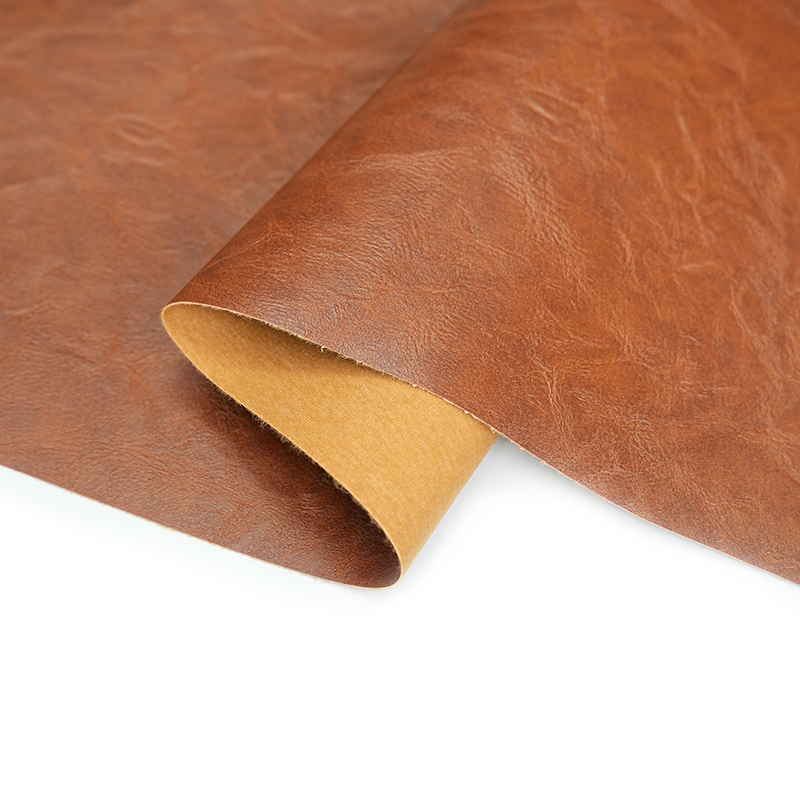
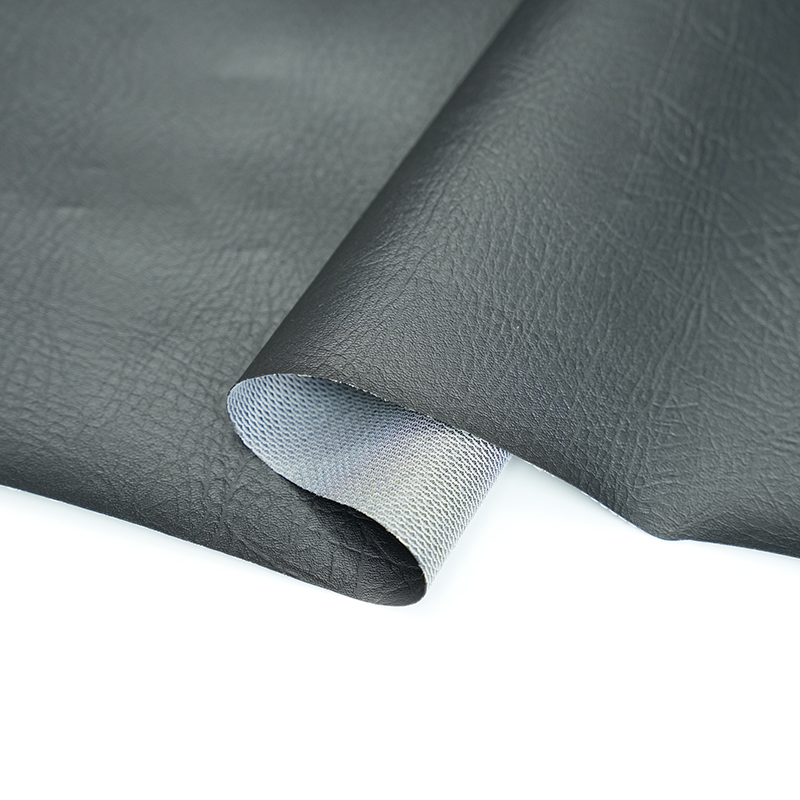
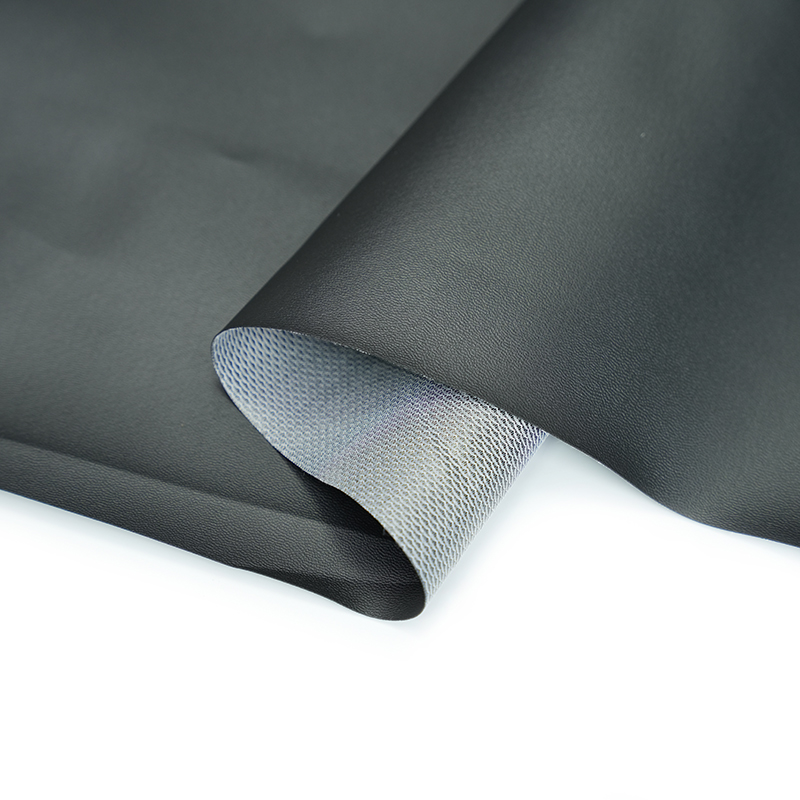
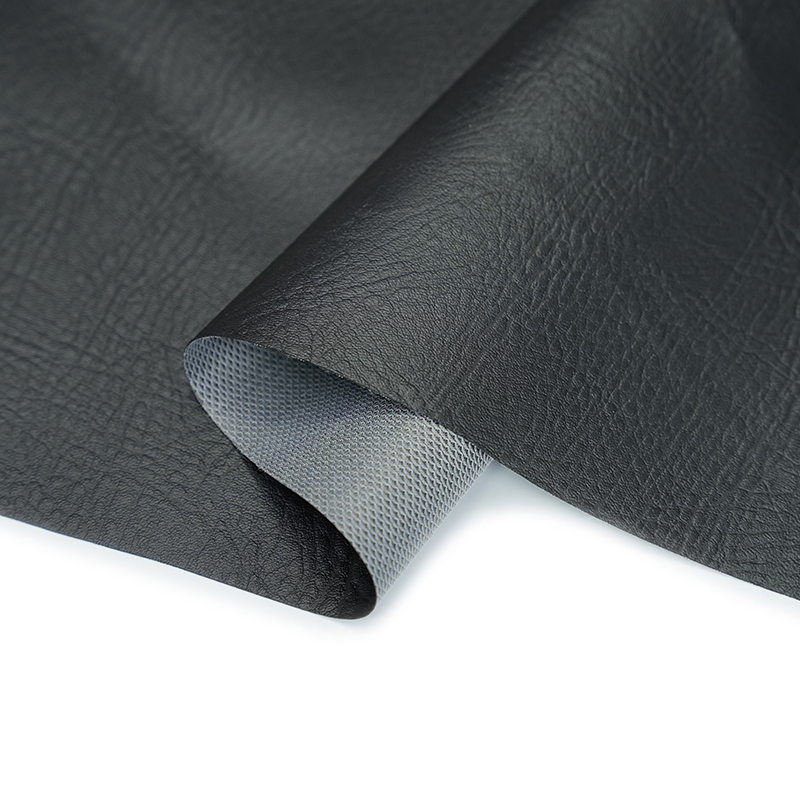
PVC faux leather, also known as PVC artificial leather or vinyl leather, is one of the most widely used synthetic surface materials in the furniture, footwear, bag, and automotive industries. It is valued for its waterproof surface, abrasion resistance, easy cleaning, and lower cost compared with genuine leather. A finished roll is actually a layered product: a textile base, one or more fused PVC layers, and a decorative surface coating. Understanding how PVC faux leather is made helps manufacturers evaluate supplier quality, choose the right structure for each application, and prevent defects that only appear after cutting and sewing.
In simple terms, PVC faux leather is a composite sheet made by coating a textile substrate with a polyvinyl chloride (PVC) plastisol and then heating the coated fabric so that the PVC fuses into a continuous film. The material imitates the structure and appearance of genuine leather without using animal hide. The plasticized PVC layer provides the soft handle, waterproofness, and easy-care surface; the textile backing contributes tensile strength, tear resistance, and dimensional stability. Depending on the target application, PVC faux leather can be produced on woven, knitted, or oxford fabrics and finished with different coatings and embossed textures. For a broader introduction to this material type, review the fundamentals of PVC artificial leather before studying the production sequence below.
Every roll of PVC faux leather starts with a precise combination of raw materials. The final performance depends heavily on the quality and ratio of these inputs:
The proportion of plasticizer to resin is the most important variable: a higher content produces a softer, more drape-friendly material, while a lower ratio gives better dimensional stability and resistance to cold cracking.
The production of PVC faux leather runs on a continuous line from base fabric to finished roll. The main stages are described below.
Production begins with the fabric backing. Woven polyester-cotton, knitted circular fabric, or oxford fabric is released from the roll and passed through a splicing and tension control unit. The fabric is cleaned and, in many factories, pre-treated with an adhesion promoter or corona discharge so that the molten PVC layer bonds firmly to the textile fibers. Fabric density, weight, and weave type directly determine the final material's tear strength, peel strength, and stitching behavior.
Next, the coating compound is prepared. PVC paste resin is mixed with plasticizers, stabilizers, fillers, pigments, and functional additives in a high-speed dissolver, then filtered and de-aerated under vacuum. This viscous liquid, called plastisol, must be perfectly homogeneous; any undispersed particle would become a surface defect or pinhole after heating. The formulation determines whether the finished sheet feels soft and supple or firm and supportive.
Two main routes are used to apply the PVC layer onto the base fabric. In the calendering process, the plastisol or a plasticized compound is first fused between heated rollers to form a thin film, which is then pressed onto the fabric under controlled temperature and pressure. In the knife-coating or spreading process, the plastisol is spread directly onto the fabric through a precisely set doctor blade gap before the material enters the oven. Each method can apply one coat or multiple coats depending on the required thickness and structure.
After coating, the material enters a long hot-air oven where the temperature typically ranges from 160 to 220°C. The plastisol first gels and then fuses into a continuous, homogeneous PVC film while bonding to the fibers of the base fabric. Accurate temperature control is critical: too low a temperature produces an under-fused film with weak physical properties, while too high a temperature may degrade the PVC and cause discoloration or reduced flexibility.
When a soft, slightly spongy feel is required, a chemical foaming agent is added to the middle coat of the plastisol. At a specific oven temperature, this agent releases inert gas and the PVC layer expands into a fine cellular structure. This is how the typical three-layer construction is achieved: a smooth skin layer, an internal foam cushion layer, and the textile backing. The degree of foaming controls softness and compression recovery.
The finishing stage gives PVC faux leather its final appearance and performance. Using a heated engraved roller, the material is embossed with grains such as litchi grain, natural grain, or geometric patterns. Alternatively, the material can be printed by rotogravure or transfer printing to create multi-color or imitation fabric effects. A protective top coating is then applied to improve abrasion resistance, adjust matte or gloss appearance, and increase resistance to stains and solvents. In the casting route, the release paper itself transfers the texture while the coated layer is still fluid, producing a highly detailed surface. A complete view of this stage can be found in the embossed PVC leather production process used by modern plants. For sofa manufacturers, the litchi grain finish is one of the most frequently requested embossed effects.
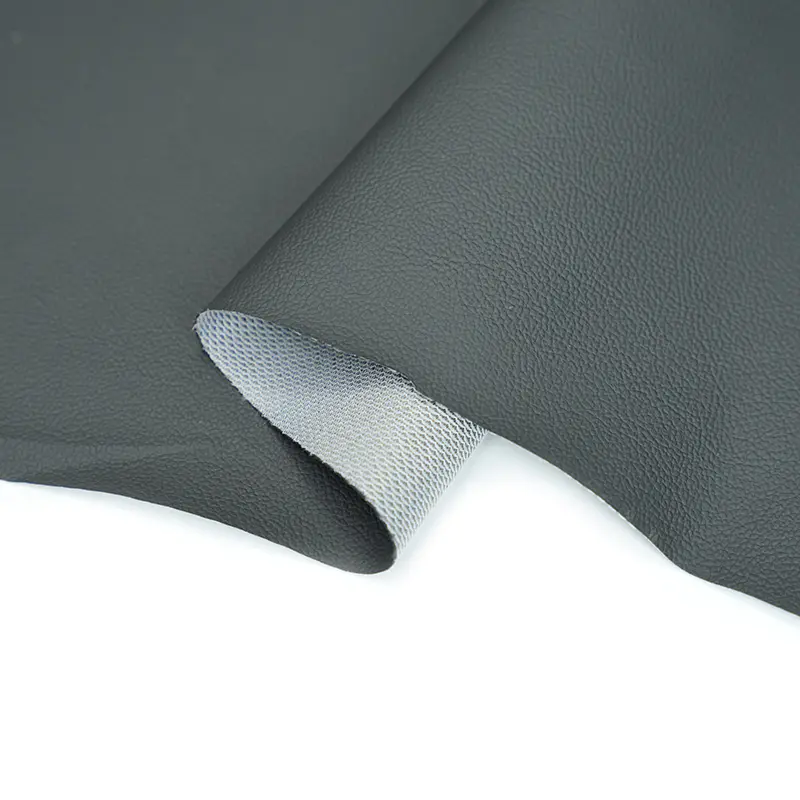
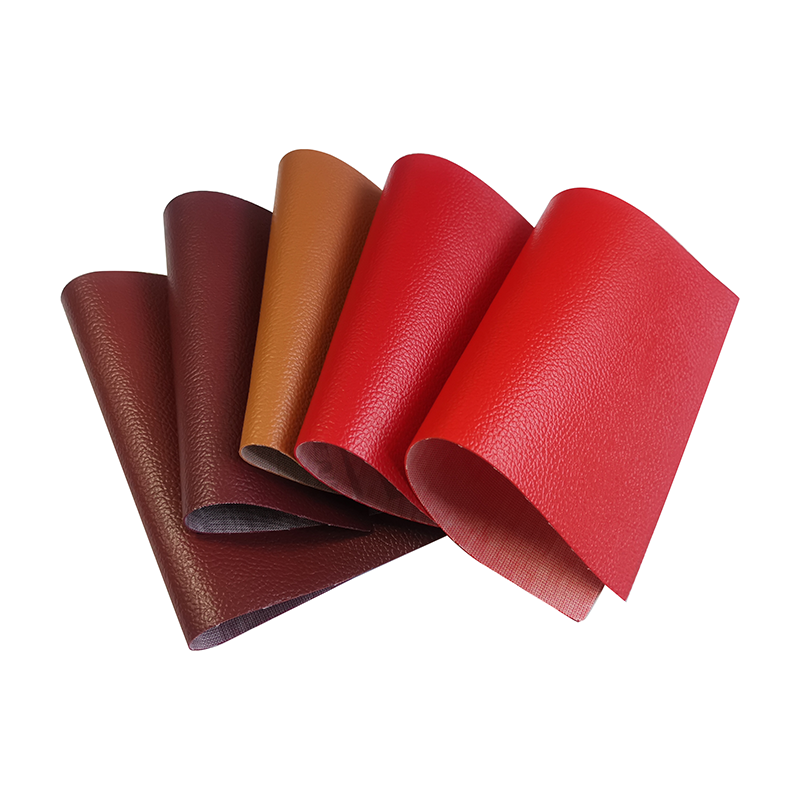 Litchi Grain PVC Leather Fabric for Sofa UpholsteryThis 0.9 mm PVC leather with a litchi grain finish and knit backing suits sofa applications. Its embossed texture matches the finishing stage described above, offering durability, water resistance, and easy maintenance for upholstery projects.View Product →
Finally, the finished material passes over cooling rolls to bring it back to a safe temperature. Quality inspection then checks thickness uniformity, surface defects, pinholes, and color consistency. The material is wound into rolls of defined length, protected with a separator film if necessary, and prepared for packing.
Choosing between calendering and casting affects the appearance, cost, and physical properties of the final material.
| Factor | Calendering | Casting on Release Paper |
|---|---|---|
| Coating principle | PVC film formed between rollers, then laminated to the fabric | Plastisol coated onto release paper, fused, then bonded to the fabric |
| Thickness control | Good, suitable for thicker products | Excellent, from thin to thick |
| Surface texture | Determined by the engraved roller | Very detailed, transferred from the release paper |
| Typical uses | Sofa, car mats, footwear | Bags, printed leather, fashion items |
Both processes are widely used in the industry; the final choice depends on the target application, the selected base fabric, and the required surface quality.
Reliable PVC faux leather is defined by consistent thickness, strong adhesion between the PVC layer and the fabric, and a stable surface finish. Reputable suppliers test every batch with a standard set of physical and chemical tests:
When samples are taken during or after coating, each parameter is checked in the laboratory, and the results determine whether a roll can be released as an A-grade material.
The combination of low cost, easy maintenance, and a wide range of surface effects makes PVC faux leather one of the most versatile materials for downstream manufacturers.
Sofa and furniture upholstery. PVC faux leather with a litchi grain or a soft embossed finish is widely used for sofas, armchairs, and restaurant seating. Waterproof, anti-scratch, anti-mildew, and flame-retardant grades are selected according to the end use.
Shoes and footwear. For shoe uppers, heel counters, insoles, and sandal straps, PVC faux leather is produced in thicknesses from about 1.5 mm to 4 mm, with anti-slip and natural-grain finishes among the most common choices.
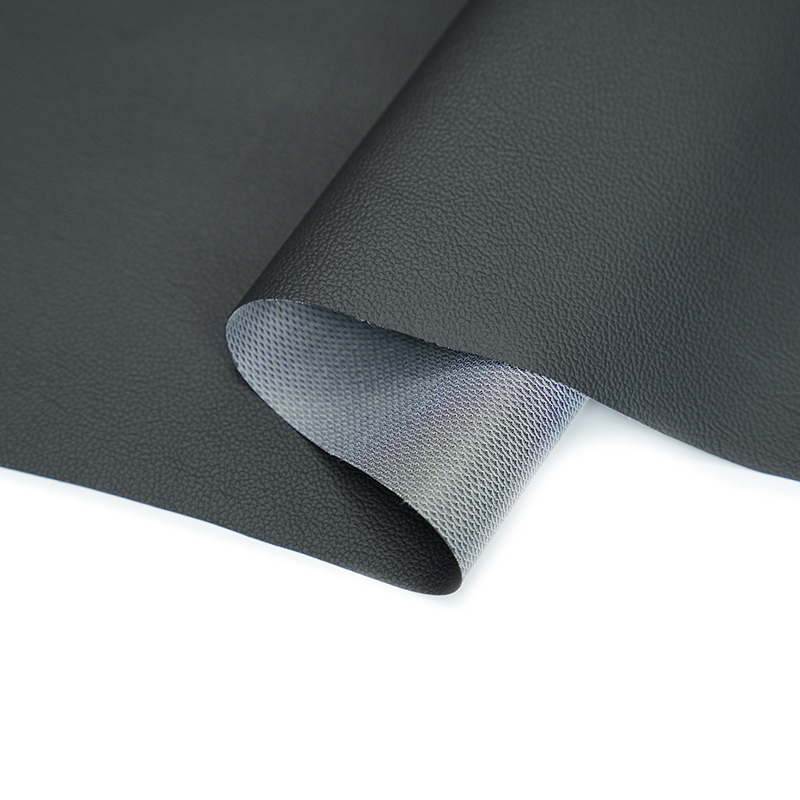
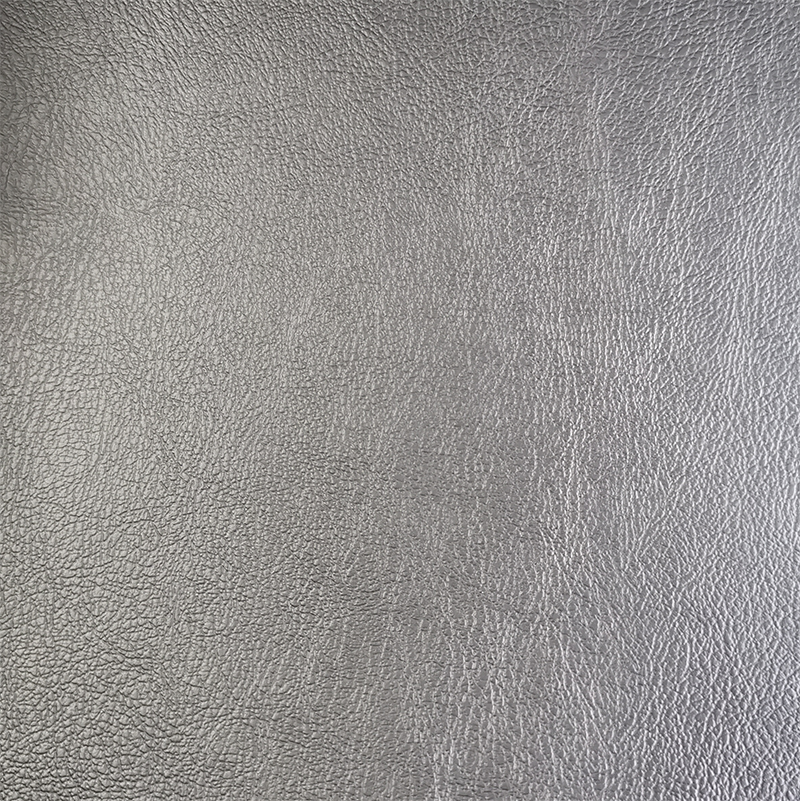 2.2mm Natural Grain PVC Leather for Shoe MakingListed after footwear applications, this 2.2 mm PVC leather with acupuncture cotton backing provides flexibility and comfort for shoe uppers and straps. Its natural grain finish and anti-abrasion properties make it a practical choice for durable footwear.View Product →
Bags and luggage. Fashion bags, backpacks, trolley cases, and interior linings often rely on PVC faux leather with metallic, printed, or waterproof surface treatments. It offers an attractive look together with strong resistance to moisture and abrasion.
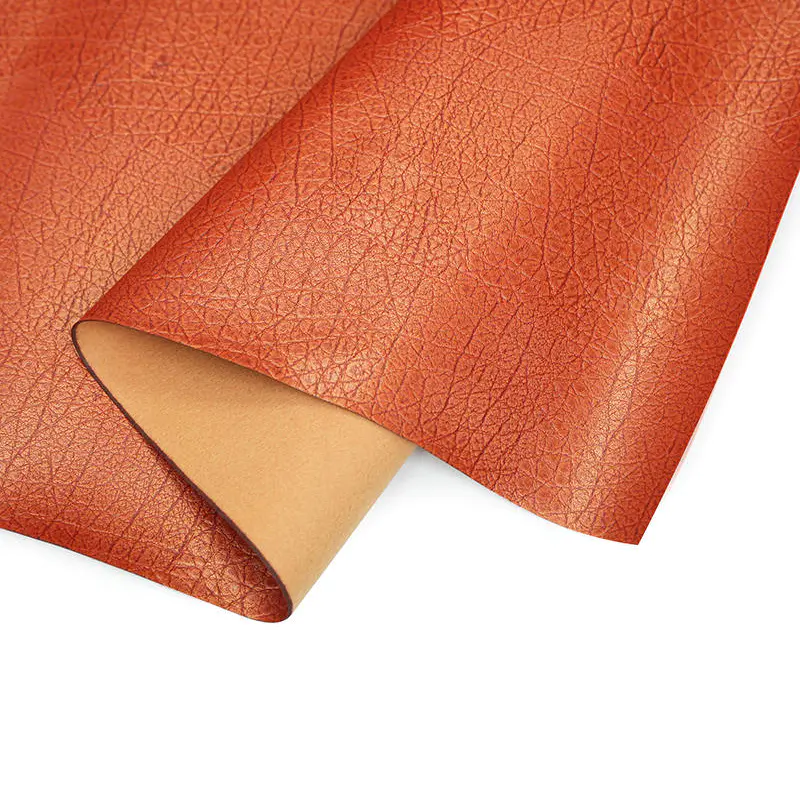
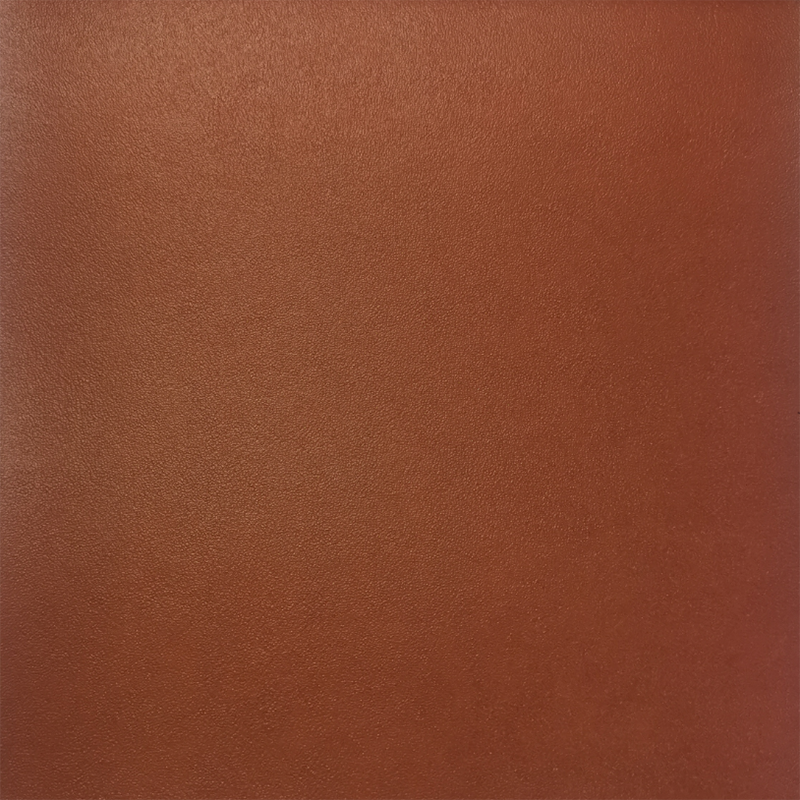 Waterproof PVC Synthetic Leather for Bags and LuggageFeaturing a brushed backing and 0.8 mm thickness, this waterproof PVC leather with a K482 pattern is suited for bags and luggage. Its moisture resistance and soft touch align with the luggage context, offering durability and visual appeal for travel items.View Product →
Automotive interiors. Car seat covers and floor mats need excellent wear resistance and anti-slip performance; PVC faux leather with a suitable backing meets these requirements at a much lower cost than genuine leather.
Interior decoration. Metallic, plaid, braided, and printed decorative leathers are increasingly used for wall panels, decorative cushions, and furniture accent surfaces.
PVC faux leather uses polyvinyl chloride as the main coating polymer, while PU leather uses polyurethane. PVC is generally stronger, more abrasion resistant, and more economical, but it is less breathable. PU has a softer, more cloth-like touch and better flexibility at low temperatures. The actual behavior also depends on the base fabric and the coating structure.
Most textures are produced by embossing with a heated engraved roller or by casting the plastisol on release paper that carries a specific pattern. Both methods can recreate leather grains, geometric motifs, or imitation fabric weaves.
Thickness varies from about 0.8 mm to 4.5 mm. Sofa and furniture grades usually range from 1.0 mm to 2.5 mm; shoe grades from 1.5 mm to 4 mm; bag and luggage grades from 0.8 mm to 1.5 mm. The right value depends on the mechanical requirements of the final product.
In many sofa and shoe grades, a skin layer is applied over a foamed middle layer on a fabric backing. The skin gives abrasion resistance and color, the foam provides softness and compression recovery, and the fabric contributes tear strength and dimensional stability.
From a roll of grey fabric to a finished PVC faux leather roll, every stage of the process takes place on a carefully controlled production line. Buyers who understand the route from base fabric preparation to surface coating will be better prepared to select the correct grade, discuss specifications with suppliers, and avoid expensive mistakes during product development. With the right structure, formulation, and finishing, PVC faux leather remains a reliable, high-performance choice for a wide range of industries.
Add: No.285 Shashan Avenue, Zhouzhuang Town, Jiangyin City, Jiangsu Province, China.
Tel: +86-510-86903827
Rachel Wang:
+86-18651025719 (Phone)
[email protected] (Email)
Jessica Qian:
+86-13739165356 (Phone)
[email protected] (Email)
Cathay Xia:
+86-18021569150 (Phone)
[email protected] (Email)
Copyright © Jiangyin Jiangdong Plastic Co., Ltd. All Rights Reserved.Custom PVC Artificial Leather Manufacturers
