
 English
 中文简体
News
Home / News / Industry News / Printed vs Embossed PVC Leather: Aesthetic Differences & Cleaning Challenges

Content
PVC faux leather remains a staple material across furniture manufacturing, bag production, footwear, and decorative upholstery. Among its many surface finishes, two options appear most frequently in product selection: printed PVC faux leather and embossed PVC leather. At first glance, both provide visual interest beyond a plain smooth surface, but they achieve it through fundamentally different manufacturing routes. Printed PVC applies pigments and inks to build a flat image layer, while embossed PVC uses heat and pressure to deform the surface into physical relief. This single distinction cascades into major differences in aesthetics, handling, cleaning routines, and long-term appearance.
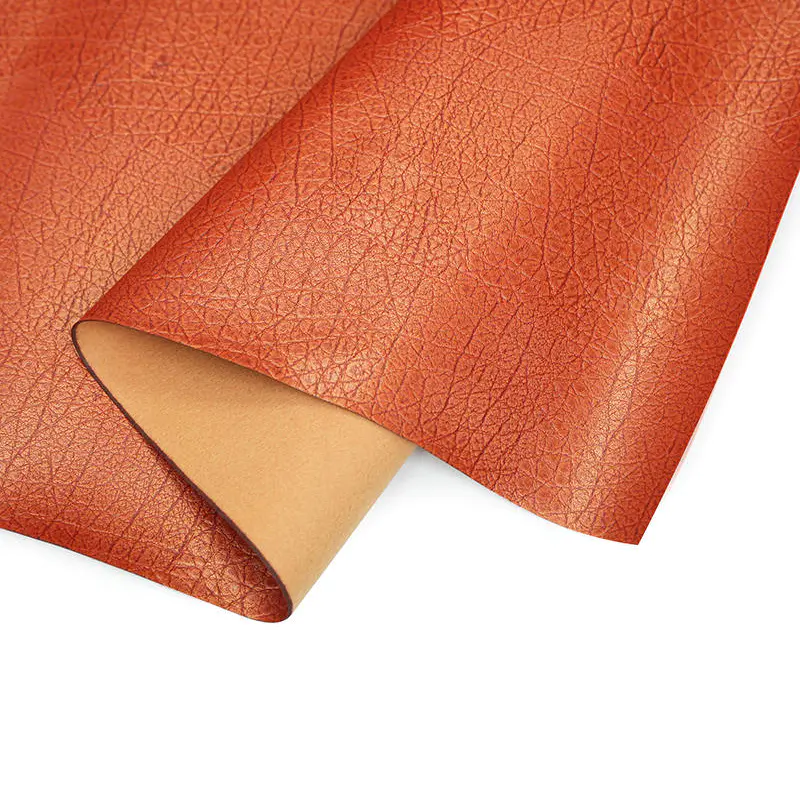
Printed PVC faux leather begins as a smooth or lightly textured polymer sheet. Manufacturers apply dyes, pigments, or digital inks to the surface, creating designs that range from simple solid colors with gradient effects to complex floral motifs, animal prints, geometric compositions, and photo-realistic imagery. A transparent protective topcoat is normally applied over the print to improve abrasion resistance and color retention.
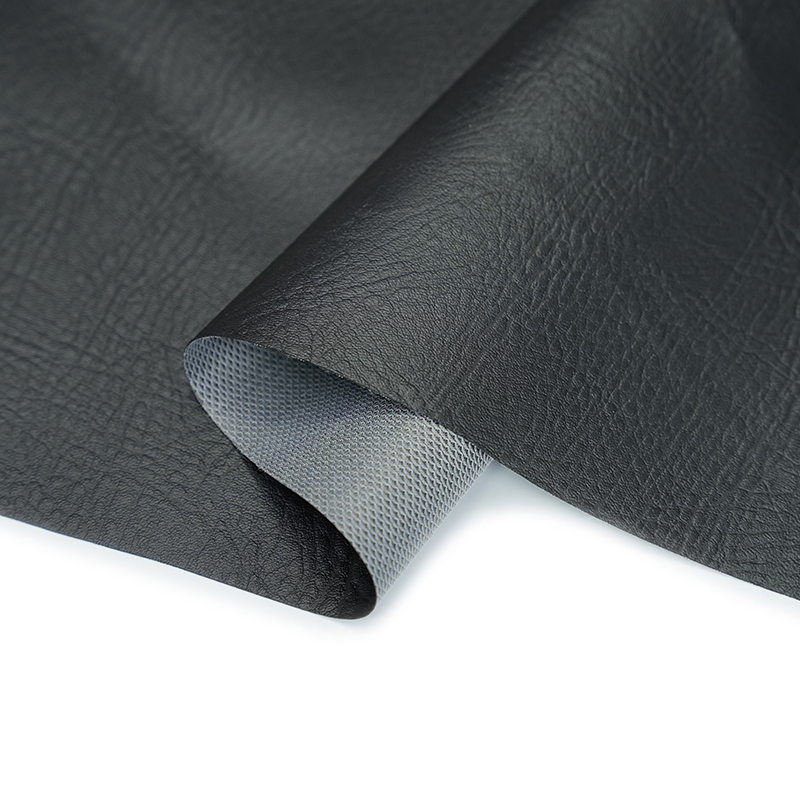
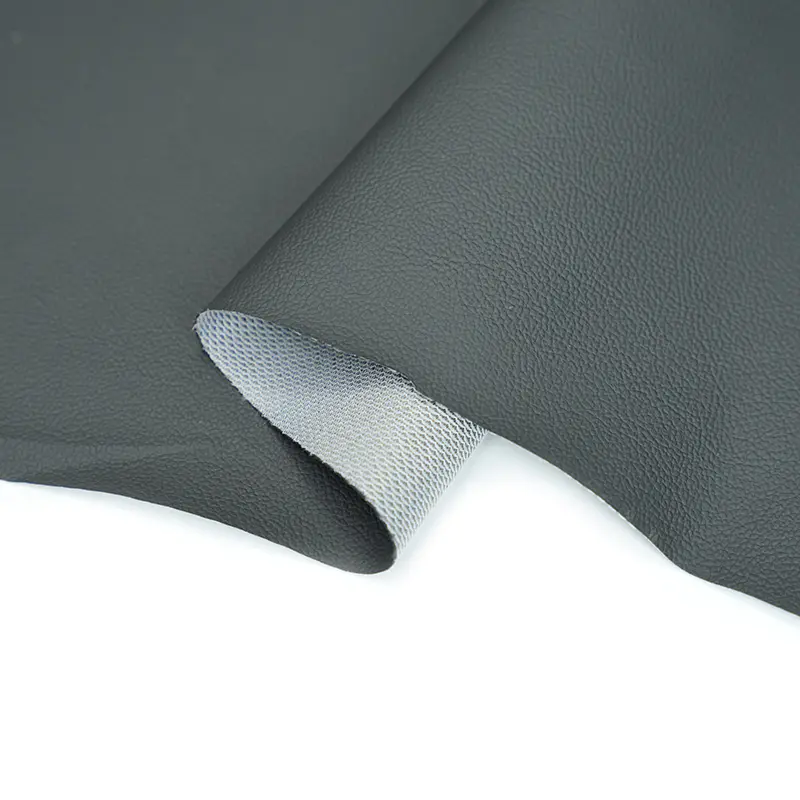
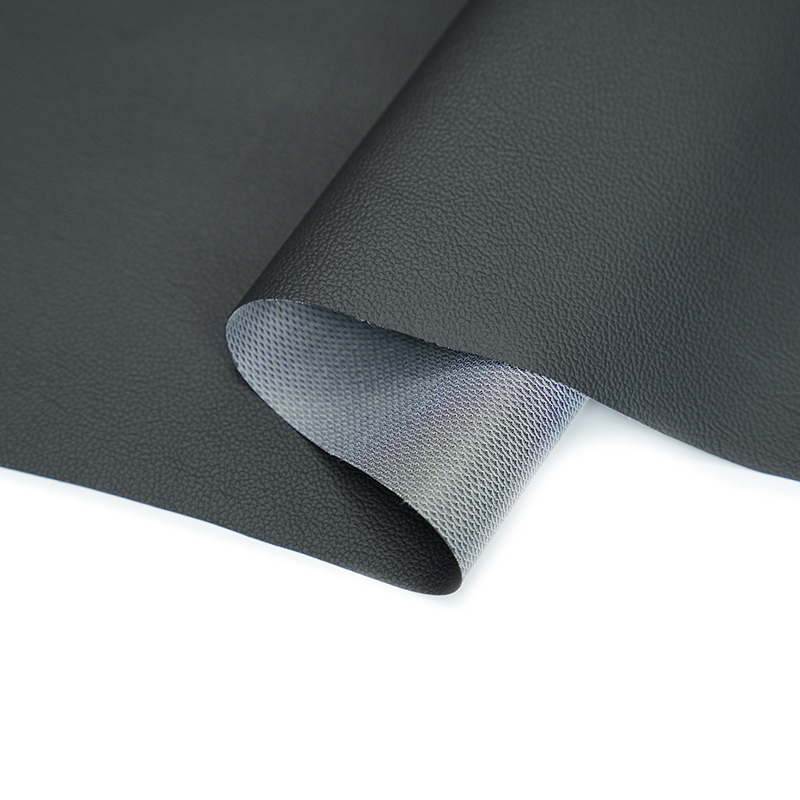
Embossed PVC leather, by contrast, is produced by pressing the material between heated rollers or engraved plates. The embossing process physically reshapes the surface, creating raised and recessed areas that mimic natural leather grain, woven textiles, diamond patterns, or abstract geometry. Unlike printed products, embossed patterns are genuinely three-dimensional and can be perceived by touch.
| Feature | Printed PVC Faux Leather | Embossed PVC Leather |
|---|---|---|
| Manufacturing method | Surface ink application | Heat-and-pressure deformation |
| Surface texture | Flat to lightly textured | Three-dimensional relief |
| Color capability | Unlimited colors and gradients | Base color plus pattern shading |
| Tactile experience | Smooth, print-dominated | Palpable grain and texture |
| Design flexibility | Very high | Moderate, limited by roller engraving |
When designers specify PVC material, the first quality they evaluate is visual character. Printed and embossed leather offer fundamentally different aesthetic languages.
Printed PVC leather wins decisively in color complexity. Because the visual layer is created with inks, manufacturers can reproduce almost any color, gradient, or combination. A detailed floral print, a vintage damask motif, or a subtle watercolor blend is entirely feasible. Embossed PVC, in contrast, is confined by the base color and the shadows formed by the relief pattern. Most embossed products present one base color or a two-tone effect achieved by wiping pigment across raised areas.
 Flower Pattern Printed PVC Artificial Leather with Filament Fabric BackingThis 0.4mm printed PVC leather features a filament fabric backing for softness and durability. Its 140cm width supports seamless designs, making it suitable for fashion or decor projects that showcase detailed floral prints.View Product →
Embossed leather produces genuine depth. When light strikes the surface, elevated pattern areas cast micro-shadows, creating a rich, luxurious shimmer that changes as the viewing angle shifts. Printed leather, being essentially flat, cannot reproduce this interaction between light and surface geometry. Some hybrid products combine an embossed base with a printed top layer, offering the best of both worlds at a higher price point.
Touch plays a significant role in material selection, particularly for upholstery. Embossed leather allows users to feel the grain beneath their fingers, a sensation strongly associated with natural leather. Printed leather on a smooth base feels glossy and synthetic; on a textured base, the print follows the surface but adds no new physical depth.
Key difference: If your priority is unlimited pattern selection and lifelike imagery, printed PVC faux leather is the obvious choice. If you value tactile depth, dimensional light play, and a more natural leather-like feel, embossed PVC leather will serve you better.
Maintenance requirements differ dramatically between these two PVC leather types, and choosing the wrong cleaning routine can permanently damage either surface.
The printed image is protected by a transparent topcoat, but this layer is not indestructible. Abrasive cleaning pads, stiff brushes, and powdered cleaners can scratch the coat and slowly wear away the printed pigments. Harsh solvents such as acetone or alcohol may dissolve or discolor the ink. Prolonged exposure to direct sunlight can also fade printed colors, especially vivid reds and oranges. For routine care, use a soft microfiber cloth dampened with lukewarm water and a drop of mild dish soap. Wipe gently in one direction, then dry with a second clean cloth.
The main challenge with embossed PVC is dirt and grease accumulating inside the recessed pattern. Dust, body oils, and household grime settle in the grooves, where a flat cloth cannot reach effectively. Over time, these recesses darken and contrast sharply with the raised areas, making the surface look grubby. The most effective approach is a soft-bristle brush, such as an unused toothbrush, dipped in diluted neutral pH cleaner. Work the brush in small circular motions to lift dirt out of the grooves, then wipe with a damp cloth and dry thoroughly.
| Cleaning Aspect | Printed PVC Faux Leather | Embossed PVC Leather |
|---|---|---|
| Primary vulnerability | Ink wear, fading, topcoat scratches | Dirt trapped in recessed grooves |
| Recommended tool | Soft microfiber cloth | Soft-bristle brush |
| Suitable cleaner | Mild soapy water, neutral pH | Diluted neutral pH cleaner |
| Avoid | Abrasive pads, alcohol, acetone | Saturating the surface, stiff brushes |
| Drying method | Wipe dry immediately | Blot, then air dry thoroughly |
Both materials can deliver years of service, but they age along different paths.
Printed PVC leather tends to show wear first at points of concentrated friction: sofa armrests, bag handles, and footwear collars. Repeated rubbing gradually wears away the topcoat and exposes the ink layer beneath. Once the print is abraded, the base color shows through, producing a patchy appearance. Periodically applying a suitable PVC conditioner can delay this process, but eventually the printed layer will need re-coating or replacement.
Embossed PVC leather is more resilient because its pattern is integrated into the material itself. The raised areas can, however, be compressed by sustained heavy pressure. Sofa seats and car cushions that endure constant weight may lose part of their original grain depth over several years, gradually becoming smoother in heavily loaded zones. Deep, irregular embossing patterns such as litchi grain resist this flattening effect better than shallow, uniform textures.
 Litchi Grain PVC Leather Fabric for Sofa UpholsteryWith a 0.9mm thickness and knit backing, this PVC leather offers resilience and comfort for sofas. The prominent litchi grain texture resists flattening under pressure, maintaining depth in high-use seating areas.View Product →
For those interested in manufacturing details, the production process of embossed PVC leather directly determines pattern depth, edge sharpness, and the long-term stability of the three-dimensional effect.
The decision between printed and embossed PVC leather should be driven by the end-use context.
Embossed PVC leather is the usual choice for sofas and upholstered chairs that receive daily use. The physical grain masks fingerprints, scratches, and general wear much better than a printed surface. Printed PVC can be reserved for accent furniture, headboards, or decorative areas where artistic impact outweighs endurance.
Printed PVC leather is popular in bag and luggage manufacturing because it enables expressive brand patterns and seasonal collections at a manageable cost. The printed surface should carry a thick protective topcoat, since bags experience considerable friction in daily use. Embossed leather bags present a quieter, more refined aesthetic and are often chosen for premium product lines.
Footwear applications frequently favor embossed PVC, particularly for sandals and insoles, because raised textures enhance slip resistance. Printed PVC is selected in cases where fashion patterns drive purchasing decisions and grip is less critical.
For decorative panels, wall covering, and lifestyle accessories, embossed PVC adds an architectural quality through shadow and light. Printed PVC converts a functional surface such as a headboard into a visual centerpiece.
 Embossed PVC Artificial Leather for Decorative ApplicationsThis 1.0mm embossed PVC leather with brushed backing adds tactile depth and light interplay to panels, walls, or accessories. Its wide 140cm width enables seamless installation, and the NK071 pattern introduces a refined architectural quality.View Product →
Yes, but with care. Dampen a soft cloth with lukewarm water and a drop of mild dish soap, wring it thoroughly, then wipe the surface gently in one direction. Never saturate the material, and always follow with a dry cloth. Avoid alcohol-based wipes and acetone, as they can dissolve the printed ink.
Use a soft-bristle brush, such as an unused toothbrush, dipped in diluted neutral pH cleaner. Scrub in gentle circular motions to lift dirt out of the recesses, wipe with a damp cloth, and dry thoroughly. Avoid excess water, which can weaken the embossed lines over time.
Embossed PVC leather generally has a longer service life because the texture is part of the material structure, while printed leather relies on an external topcoat for its decorative layer. However, thick, well-protected printed PVC can still serve reliably in moderate-use applications.
Both printed and embossed PVC faux leather occupy important roles in modern material selection. Printed PVC provides unmatched aesthetic flexibility with vivid graphics and intricate patterns. Embossed PVC delivers enduring texture, tactile depth, and a natural leather character. When planning your next sofa, bag, shoe, or decoration project, match the material to the performance and appearance your end-user demands, and tailor the cleaning routine to the surface you choose.
Add: No.285 Shashan Avenue, Zhouzhuang Town, Jiangyin City, Jiangsu Province, China.
Tel: +86-510-86903827
Rachel Wang:
+86-18651025719 (Phone)
[email protected] (Email)
Jessica Qian:
+86-13739165356 (Phone)
[email protected] (Email)
Cathay Xia:
+86-18021569150 (Phone)
[email protected] (Email)
Copyright © Jiangyin Jiangdong Plastic Co., Ltd. All Rights Reserved.Custom PVC Artificial Leather Manufacturers
