
 English
 中文简体
中文简体News
Home / News / Industry News / Is Synthetic PVC Leather a Durable & Waterproof Choice for Your Car Interior?

Content
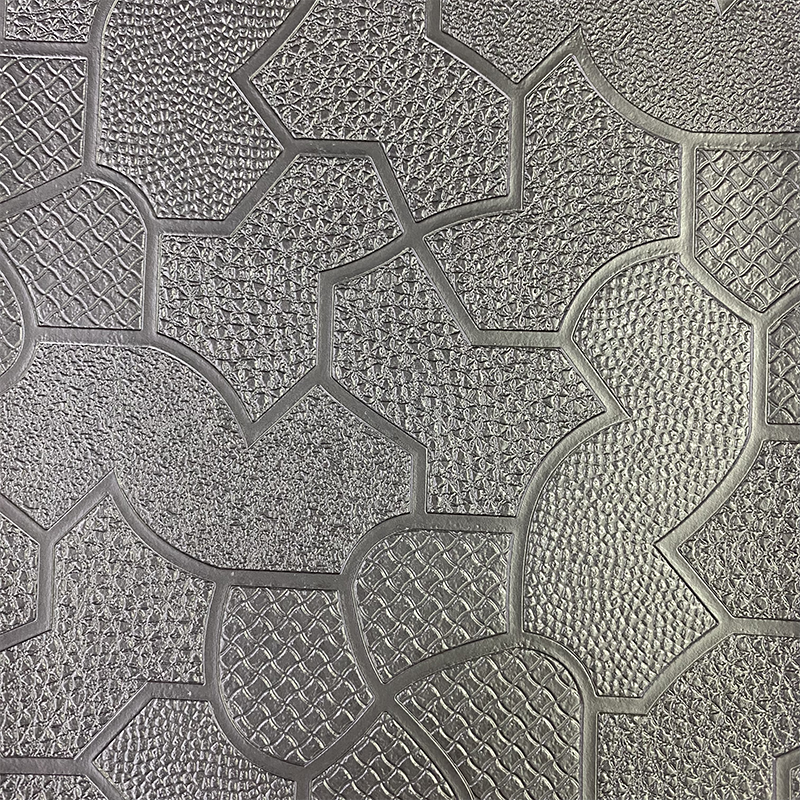
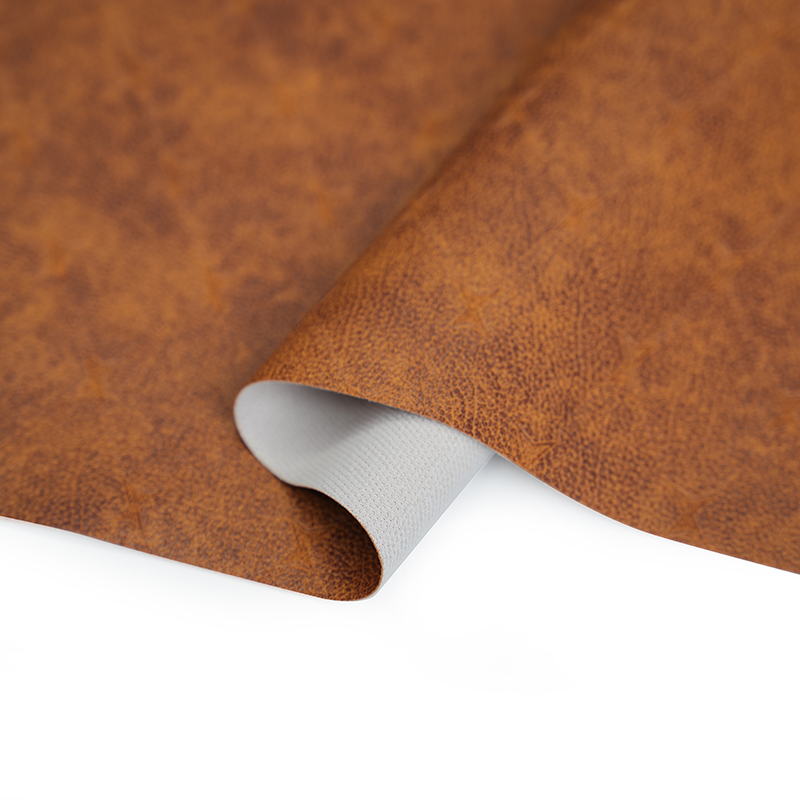
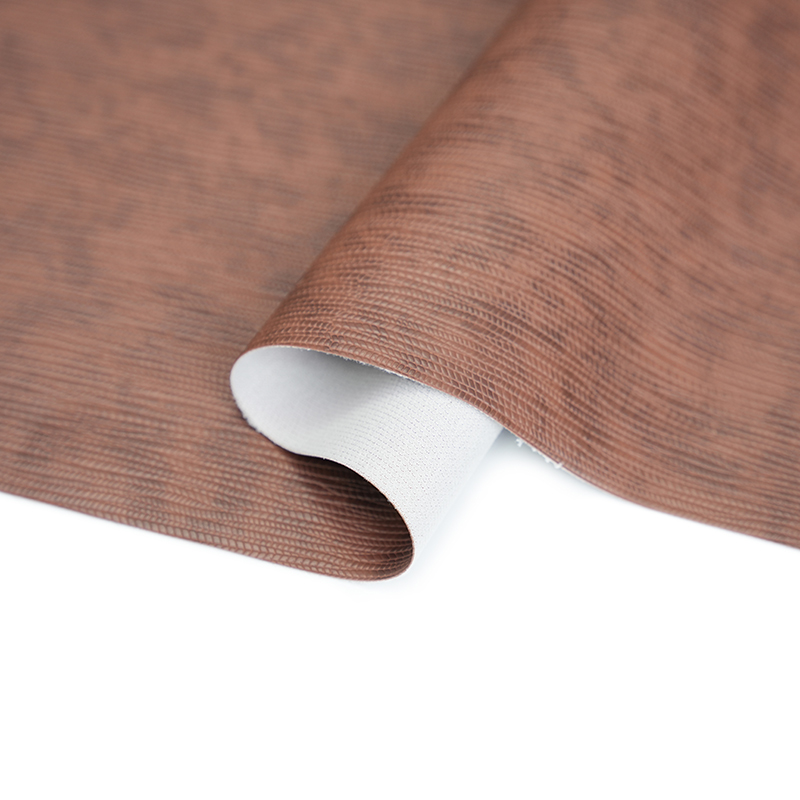
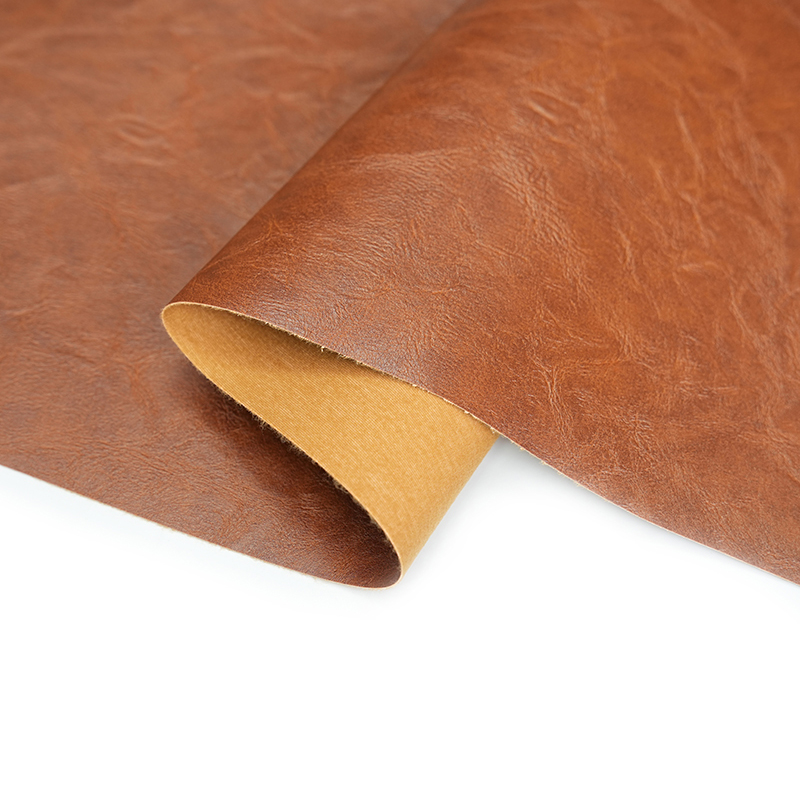
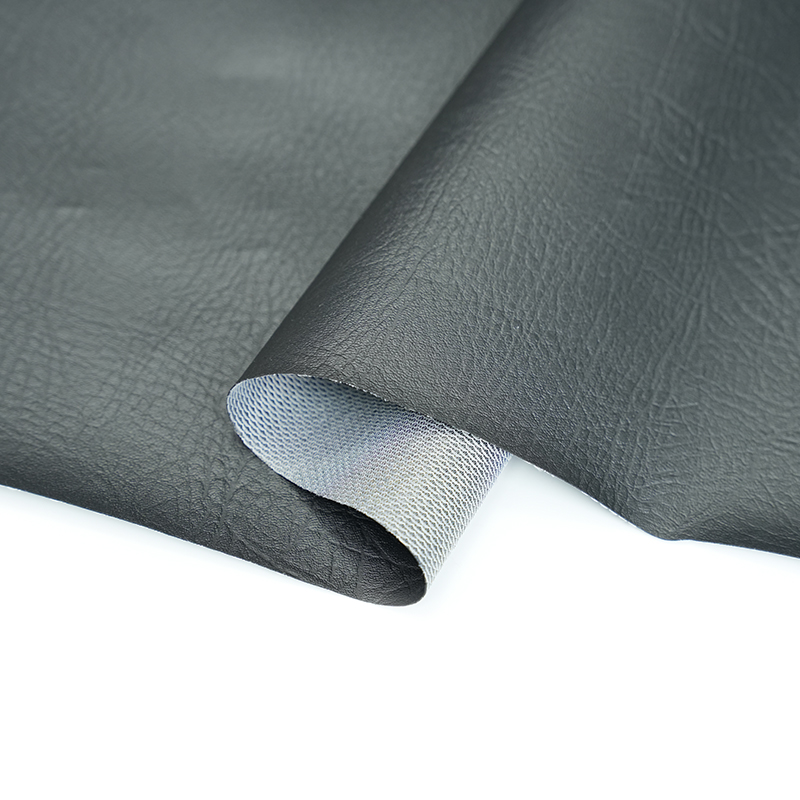
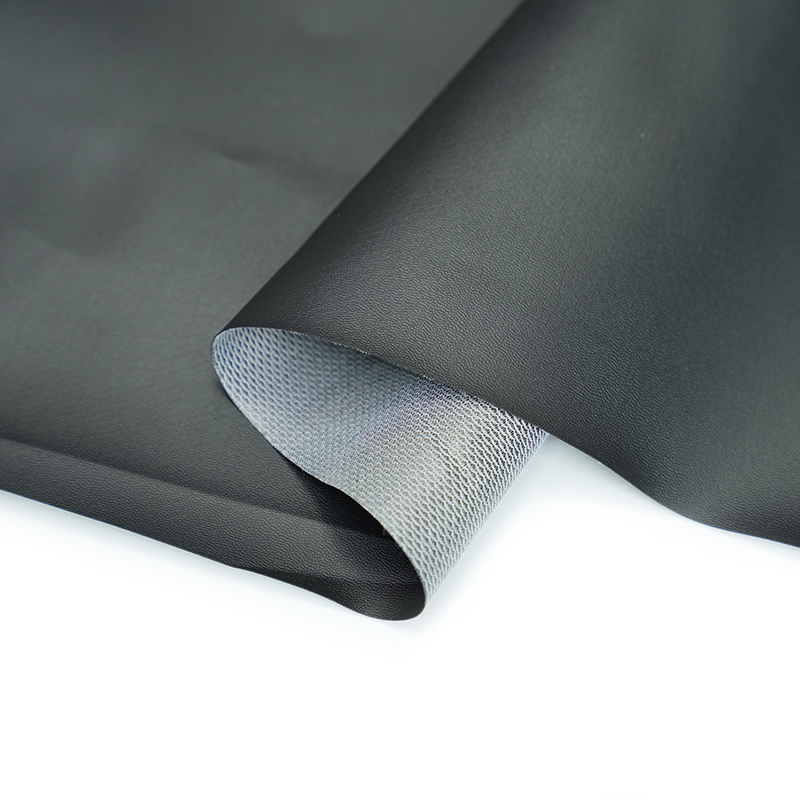
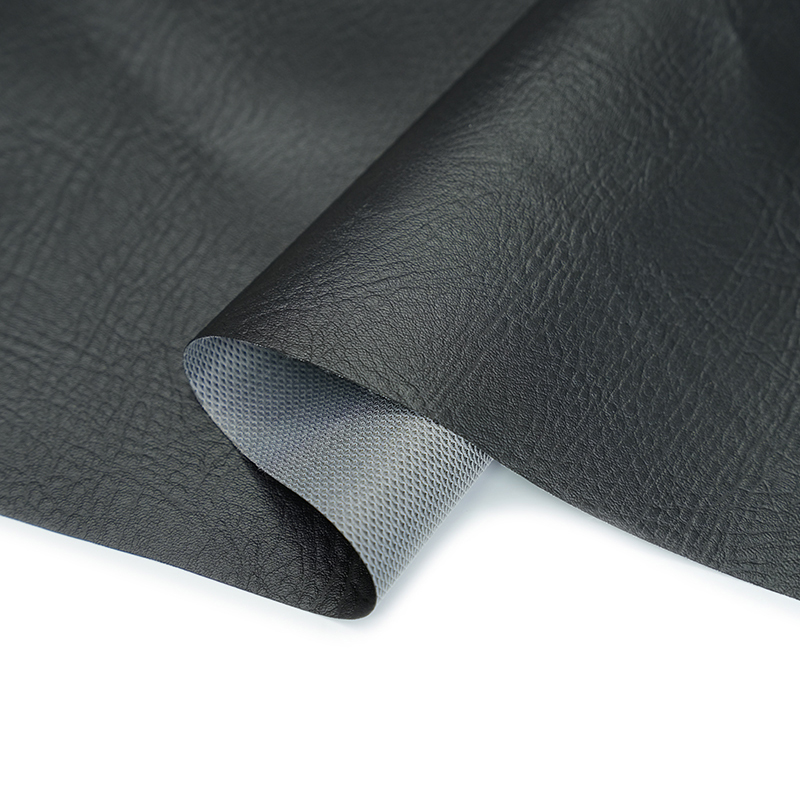
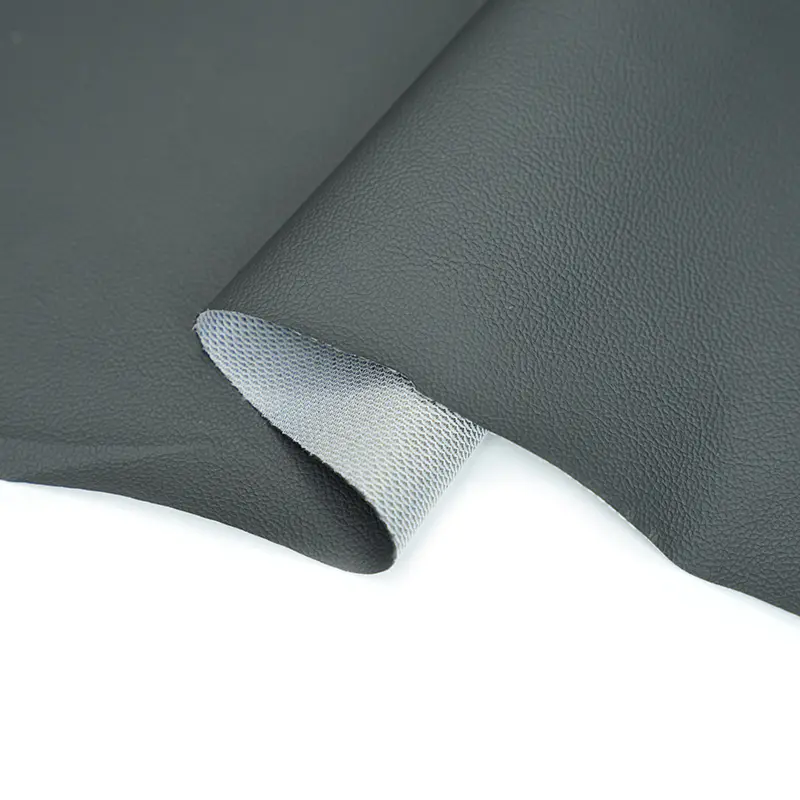
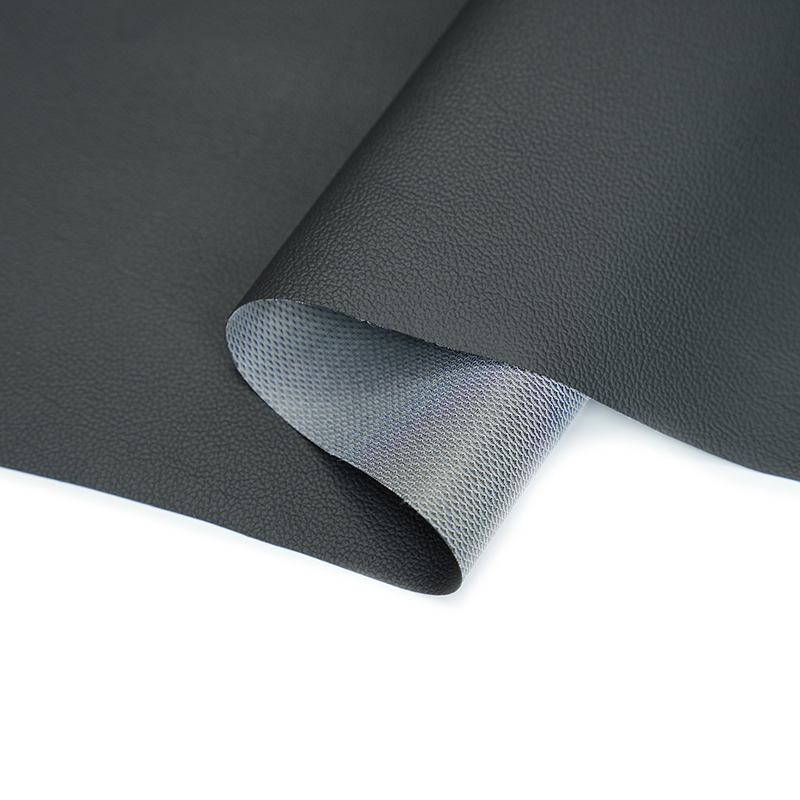
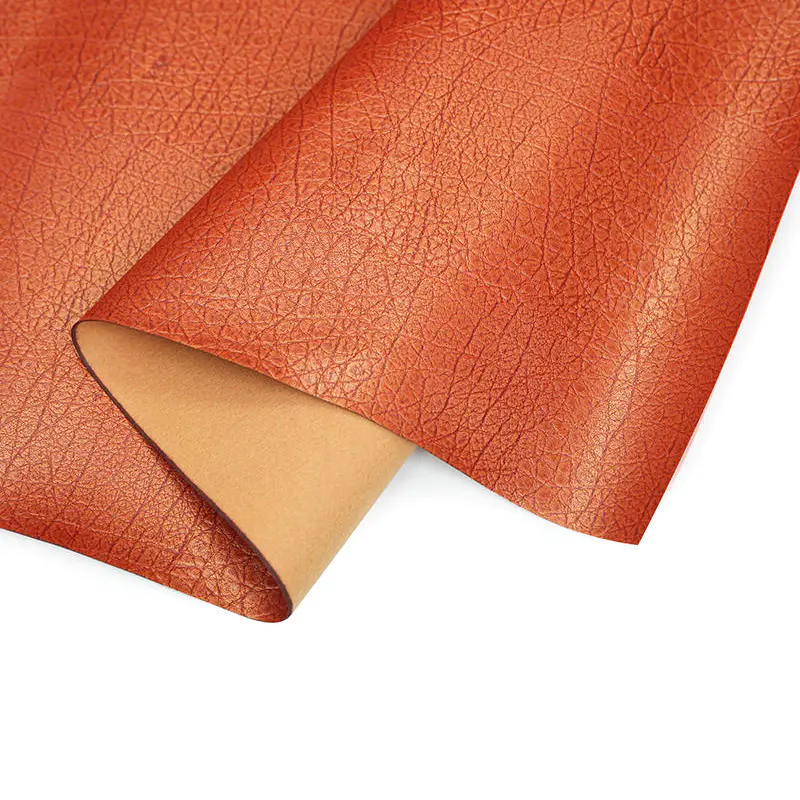
Auto Synthetic PVC Artificial Leather
Spilled coffee on the seat, a dashboard cracking under the summer sun, or simply the quest for a stylish, easy-to-maintain cabin—these are universal car owner experiences. In the search for solutions, Auto Synthetic PVC Artificial Leather consistently emerges as a leading material for modern automotive interiors. But beyond its familiar presence, what truly defines its performance? Is it merely a cost-effective alternative, or can it be a high-performance choice in its own right? This deep dive moves past surface-level descriptions to examine the key properties that matter most: durability against wear, resistance to the elements, and innovations addressing contemporary demands. We’ll provide a clear, professional comparison with other materials and a practical guide for sourcing, empowering you to make an informed decision whether you're a meticulous car owner or a business professional in the automotive supply chain.
Modern Auto Synthetic PVC Artificial Leather is an engineered material, where performance is precisely tailored through chemistry and construction. To understand its true value, we must look beyond the generic term and examine the specific features that solve real-world automotive challenges. These advancements directly address the nuanced queries from consumers and industry buyers alike, moving from basic material selection to targeted performance specification.
The search for waterproof auto synthetic PVC leather for car seats is driven by a very practical need: effortless cleanup and long-term hygiene. The waterproof nature isn't incidental; it's a fundamental result of the material's non-porous polymer surface layer. Unlike fabrics or even some genuine leathers, high-quality PVC leather features a tightly formulated PVC coating laminated to a supportive fabric backing, creating an impermeable barrier.
Automotive interiors are harsh environments, with dashboard and other horizontal surfaces facing extreme temperature cycles. Specifying high heat resistance PVC artificial leather for car dashboard applications is critical to prevent premature failure. Prolonged exposure to UV radiation and heat can cause fading, cracking, hardening, and delamination in inferior materials.
The demand for eco-friendly PVC synthetic leather automotive interior solutions is reshaping the industry. Contemporary advancements are systematically addressing historical environmental concerns associated with PVC, making it a viable choice for eco-conscious brands and consumers.
Choosing the right interior material often involves direct comparison. A clear, objective analysis helps cut through marketing claims. Here, we pit Auto Synthetic PVC Artificial Leather against its most common alternatives, providing a data-driven perspective that directly addresses popular search queries and practical decision-making.
The query for durable synthetic leather vs fabric for car upholstery highlights a classic dilemma. Fabric (often a woven polyester or nylon blend) offers a soft feel and breathability, while PVC synthetic leather provides a more robust and unified aesthetic. The core differentiator lies in long-term wear and daily upkeep.
To illustrate this effectively, a direct comparison table is essential:
| Criteria | PVC Synthetic Leather | Fabric (Standard) |
| Durability & Abrasion | Excellent resistance to abrasion, scuffing, and tearing due to a solid polymer surface. | Good, but prone to pilling, snagging, and wear patterns over time, especially on high-contact areas. |
| Liquid & Stain Resistance | Highly resistant. Most spills wipe clean without absorption. | Poor. Absorbs liquids quickly, leading to stubborn stains and potential for odor. |
| Cleaning & Maintenance | Extremely easy. Requires only a damp cloth and mild cleaner for most messes. | Difficult. Often requires specialized upholstery cleaners, brushes, and may not fully restore original appearance. |
| Long-Term Aesthetics | Maintains a consistent, "like-new" appearance for years with minimal care. | Can fade, trap dirt in fibers, and develop a worn look that is challenging to reverse. |
| Cost (Material) | Generally higher initial material cost than basic fabric. | Often the most economical initial material option. |
For environments demanding high hygiene, ease of maintenance, and a consistently premium look, the long-term value proposition of PVC synthetic leather becomes compelling despite a potentially higher upfront cost.
The comparison with genuine leather involves considerations beyond mere performance, touching on economics, ethics, and sensory appeal.
Whether you're a business integrating materials into a product line or an individual undertaking a large custom project, finding a reliable partner is crucial. Sourcing high-performance Auto Synthetic PVC Artificial Leather requires looking beyond price to factors that guarantee quality, compliance, and project success.
Engaging with a custom color auto PVC artificial leather supplier requires a strategic approach. Key supplier capabilities directly impact your project's feasibility, quality, and timeline.
Arming yourself with the right questions transforms you from a passive buyer into an informed partner. Use this checklist during supplier discussions.
Modern Auto Synthetic PVC Artificial Leather stands as a sophisticated, performance-driven material that decisively answers the core challenges of automotive interiors. It is not just an alternative but often the optimal choice where durability, waterproofing, ease of maintenance, and cost-effectiveness are prioritized. Through innovations in heat resistance and eco-friendly formulations, it continues to evolve, meeting stricter environmental and performance standards. For the individual seeking a practical, long-lasting cabin solution or the business professional sourcing reliable materials, a deep understanding of its features and a methodical approach to supplier selection are the keys to success. By focusing on certified performance data and partnering with capable suppliers, you can leverage this versatile material to achieve outstanding results.
With proper care, high-quality Auto Synthetic PVC Artificial Leather can last the lifetime of the vehicle—often 8-15 years or more. Its longevity is superior to most fabrics and rivals genuine leather in terms of resistance to abrasion and cracking. The key factors are the quality of the material's formulation (especially UV and heat stabilizers) and exposure conditions. Regular cleaning with a damp cloth and avoiding harsh chemicals or sharp objects will maximize its lifespan. Premium grades used by OEMs are engineered to withstand rigorous accelerated aging tests simulating years of sun and use.
Yes, minor scratches and scuffs on Auto Synthetic PVC Artificial Leather can often be minimized with specialized vinyl conditioners or light heat application (using a careful hand). However, significant tears or deep cuts are more challenging. Professional repair is possible using liquid vinyl repair kits that involve filling, color-matching, and graining, but the result may not be perfectly invisible. For large areas like seat bolsters, replacement of the cover section is usually the most durable solution. This repairability is a point of consideration compared to fabric, which is rarely repairable in a seamless way.
The industry has shifted dramatically. Modern, reputable eco-friendly PVC synthetic leather automotive interior materials are designed with safety foremost. Leading manufacturers comply with stringent global standards like REACH and use non-phthalate (e.g., DOTP, DINCH) or bio-based plasticizers, along with lead-free stabilizers. To ensure safety, always request a material's test reports for VOC emissions (like the VDA 270 test) and certifications (OEKO-TEX®, etc.). These documents prove the material meets low-emission requirements for enclosed automotive cabins, ensuring air quality and occupant safety.
The maintenance of waterproof auto synthetic PVC leather for car seats is remarkably straightforward, which is a primary advantage. For daily upkeep, a simple wipe with a microfiber cloth dampened with water is sufficient. For weekly or monthly cleaning, use a soft cloth and a mild, pH-neutral cleaner diluted in water. Avoid harsh chemicals, abrasive brushes, silicone-based products, and excessive soaking. A key pro tip: condition the material 1-2 times per year with a product specifically formulated for synthetic leather/vinyl to replenish softeners and maintain flexibility, especially in climates with extreme temperatures.
This is the primary functional trade-off. Auto Synthetic PVC Artificial Leather has very low breathability due to its non-porous surface. In hot weather, it can feel warmer and stickier than breathable fabric or perforated genuine leather. To mitigate this, automotive designers often use PVC leather in conjunction with fabric inserts, perforations (which are aesthetic unless backed by a breathable layer), or advanced climate control systems. For those prioritizing temperature comfort in all seasons without active cooling, a high-quality fabric might be preferable. However, for its waterproof, durable, and easy-clean benefits, many find the compromise acceptable.
Add: No.285 Shashan Avenue, Zhouzhuang Town, Jiangyin City, Jiangsu Province, China.
Tel: +86-510-86903827
Rachel Wang:
+86-18651025719 (Phone)
[email protected] (Email)
Jessica Qian:
+86-13739165356 (Phone)
[email protected] (Email)
Cathay Xia:
+86-18021569150 (Phone)
[email protected] (Email)
Copyright © Jiangyin Jiangdong Plastic Co., Ltd. All Rights Reserved.Custom PVC Artificial Leather Manufacturers
