
Content
Selecting the right Upholstery Printed Leather Fabric plays a crucial role in the durability, appearance, and long-term performance of sofas, chairs, commercial seating, and interior décor projects. This guide provides a deep, user-intent–focused overview based on real market search patterns, technical performance indicators, and emerging design trends.
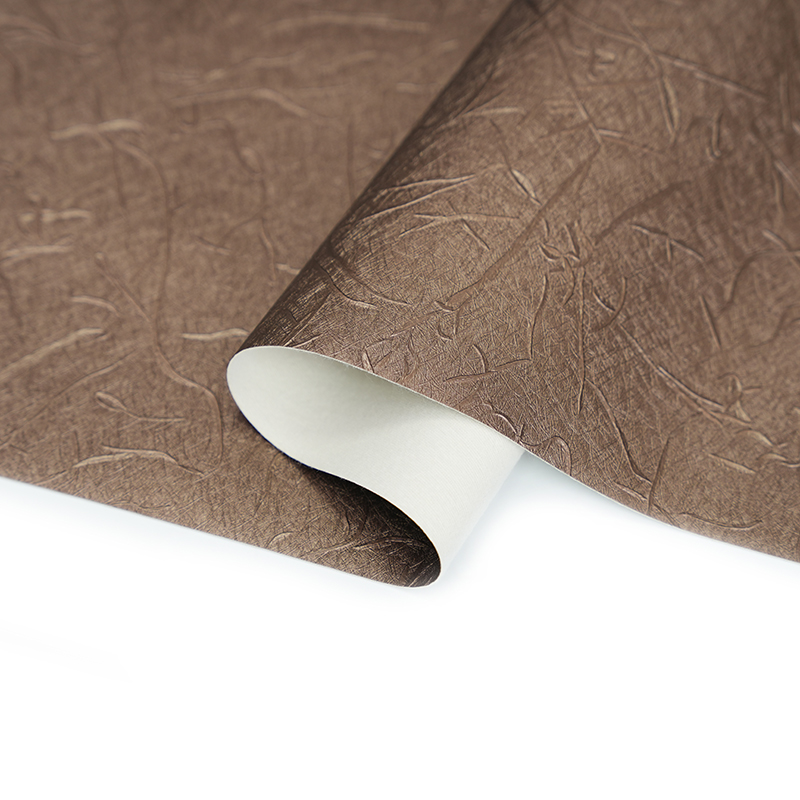
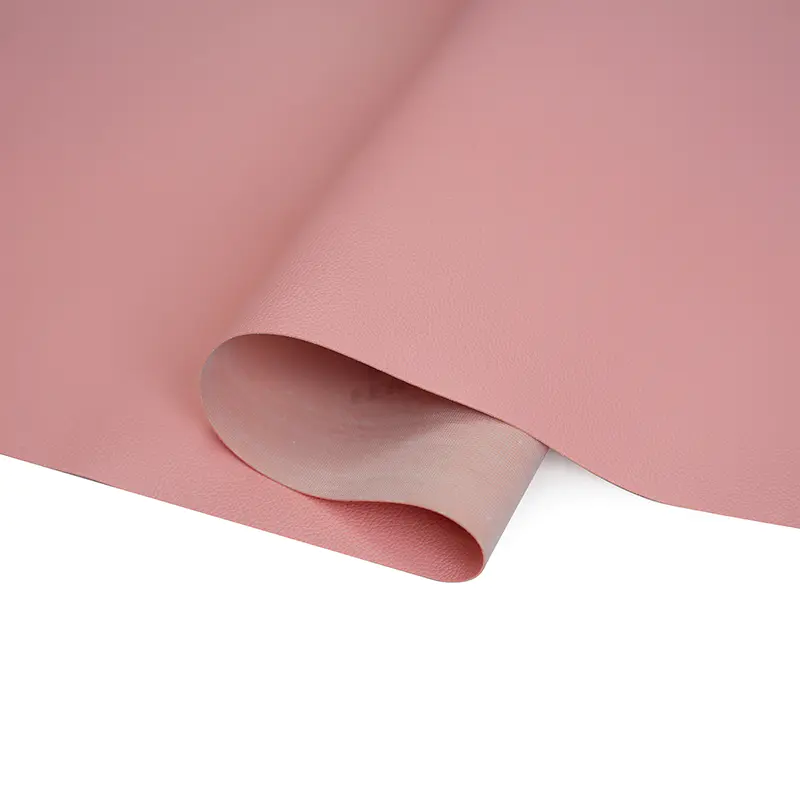
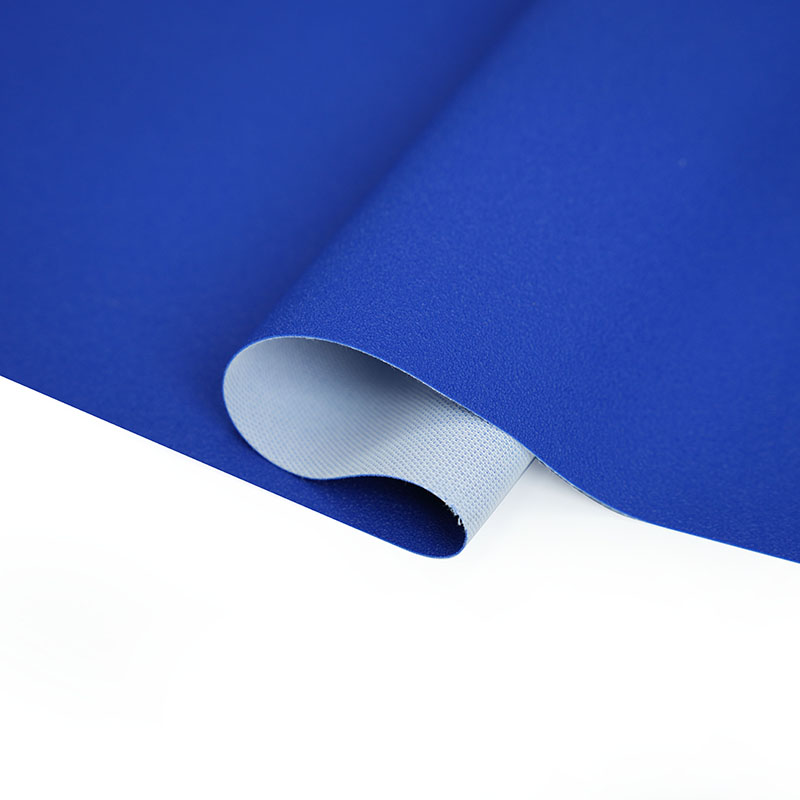
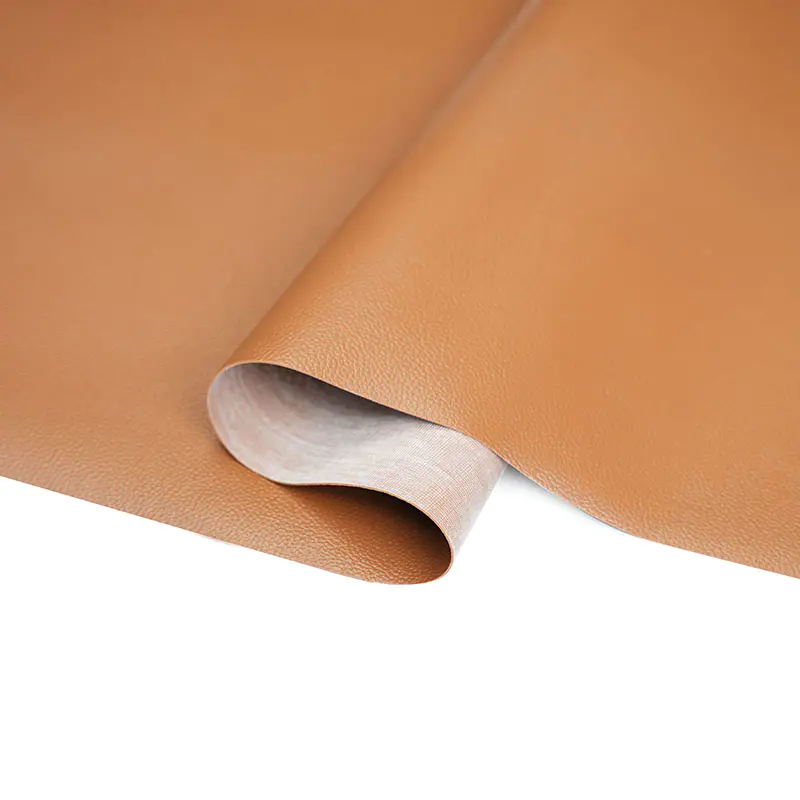
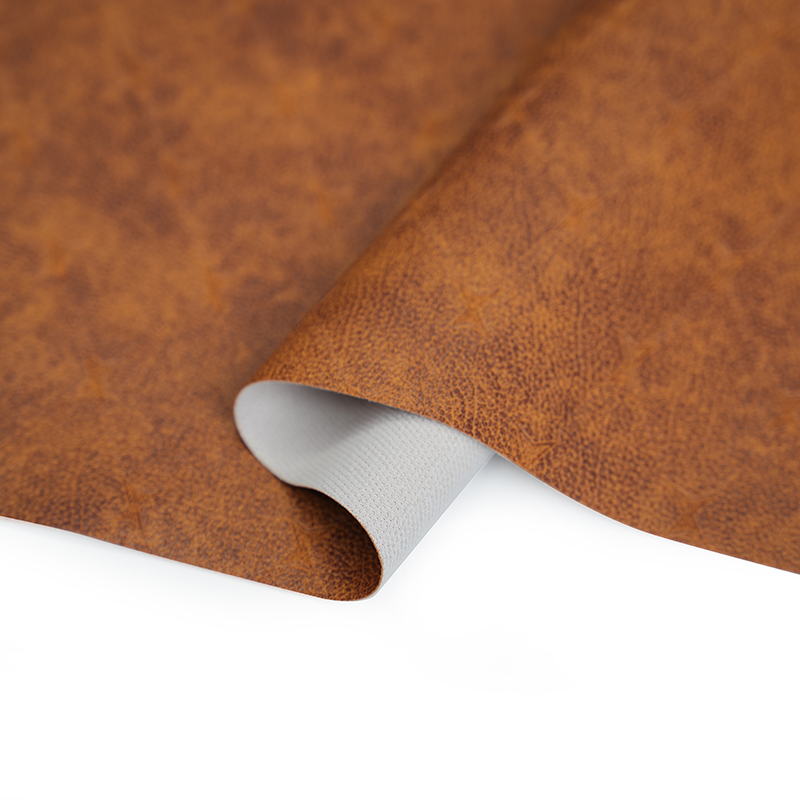
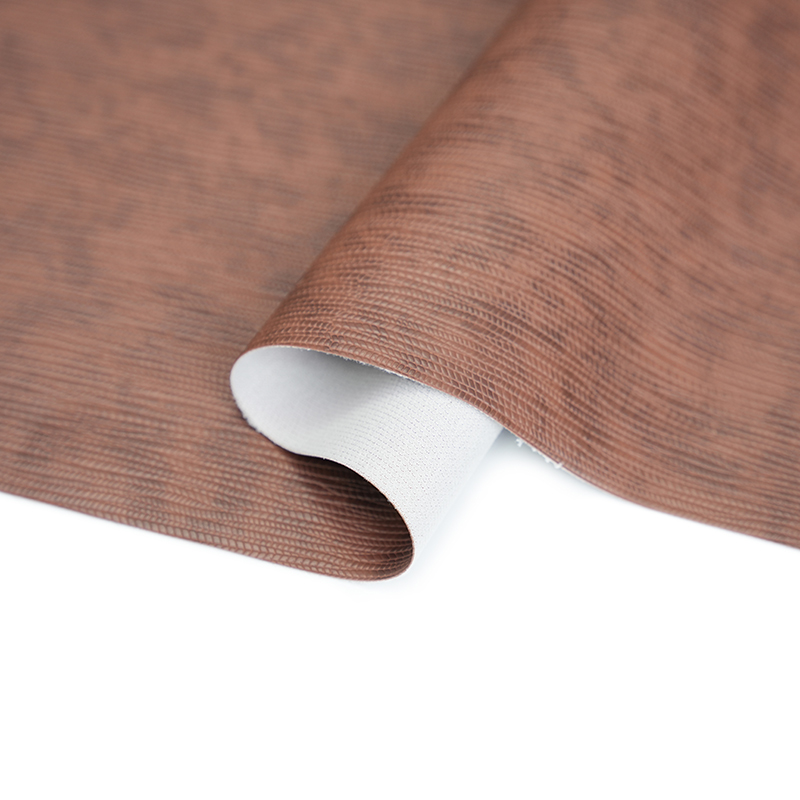
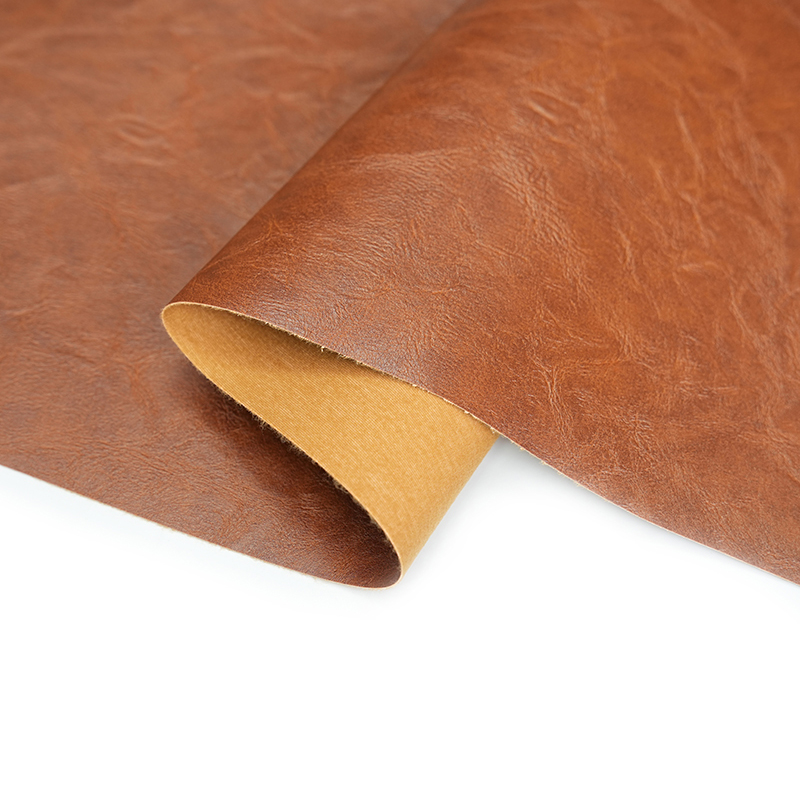
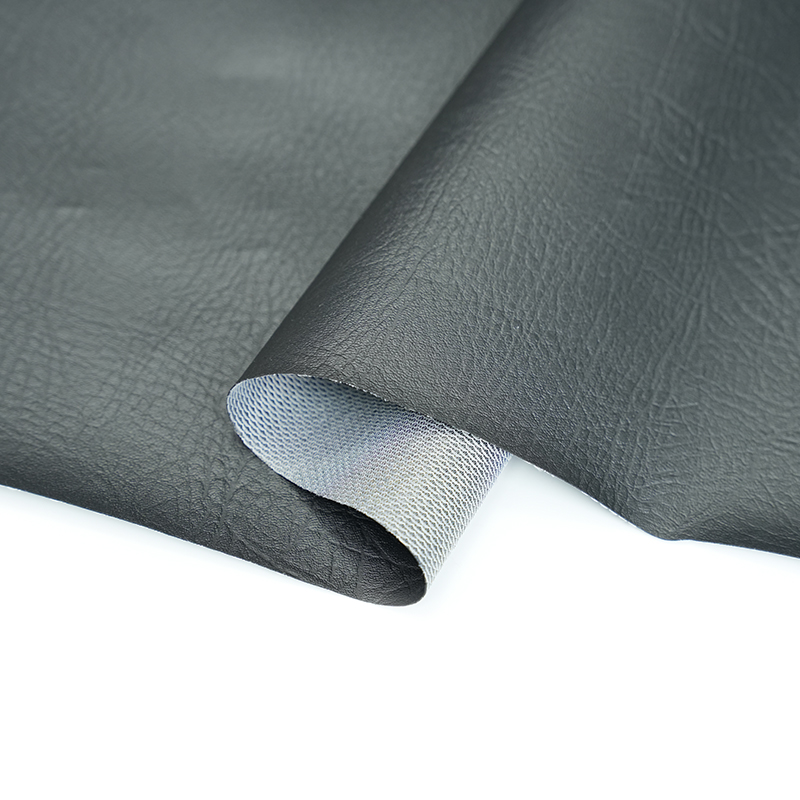
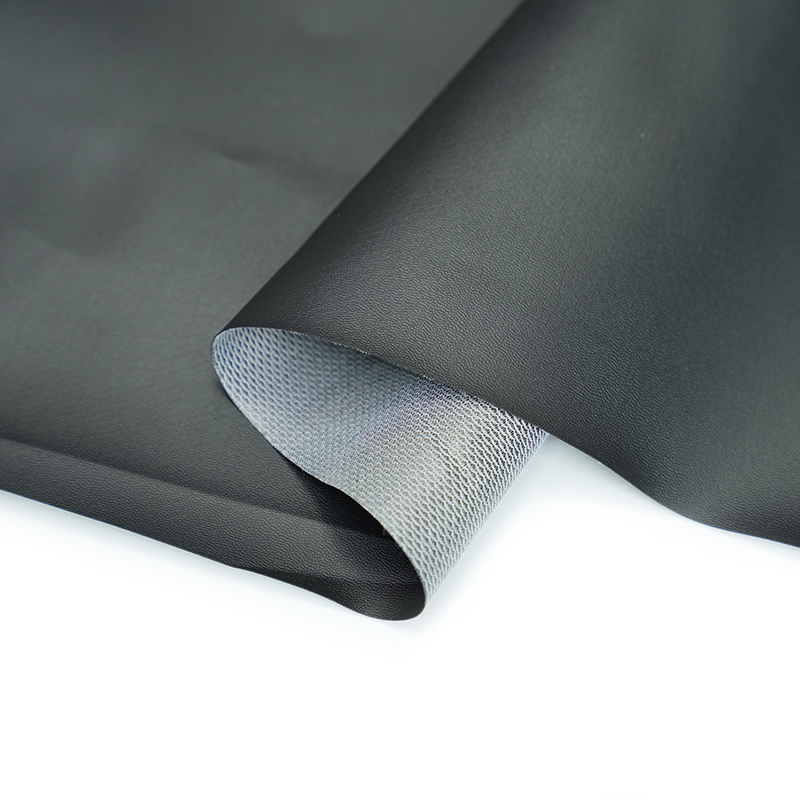
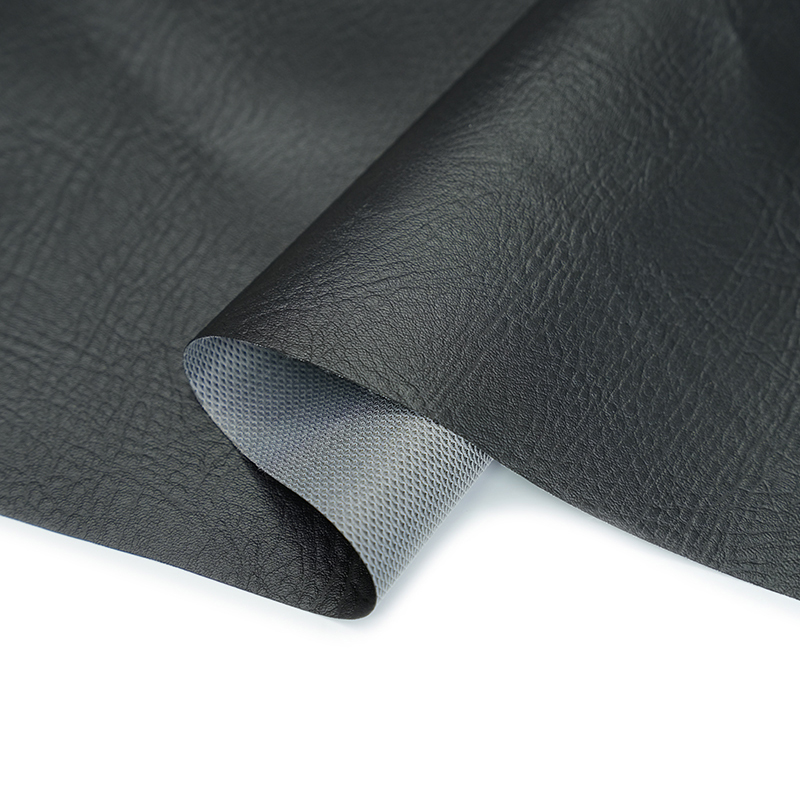
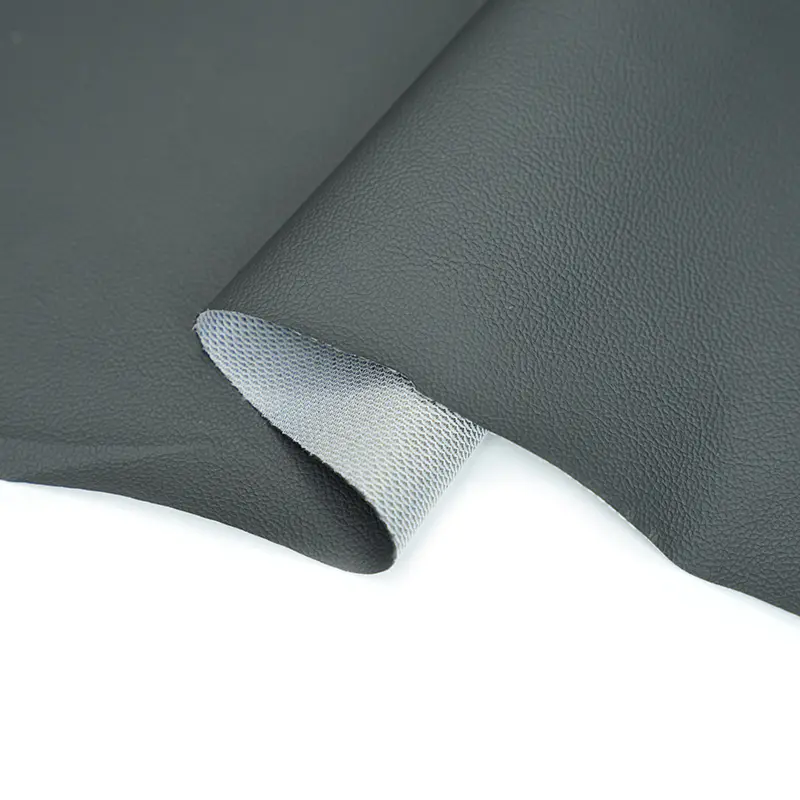
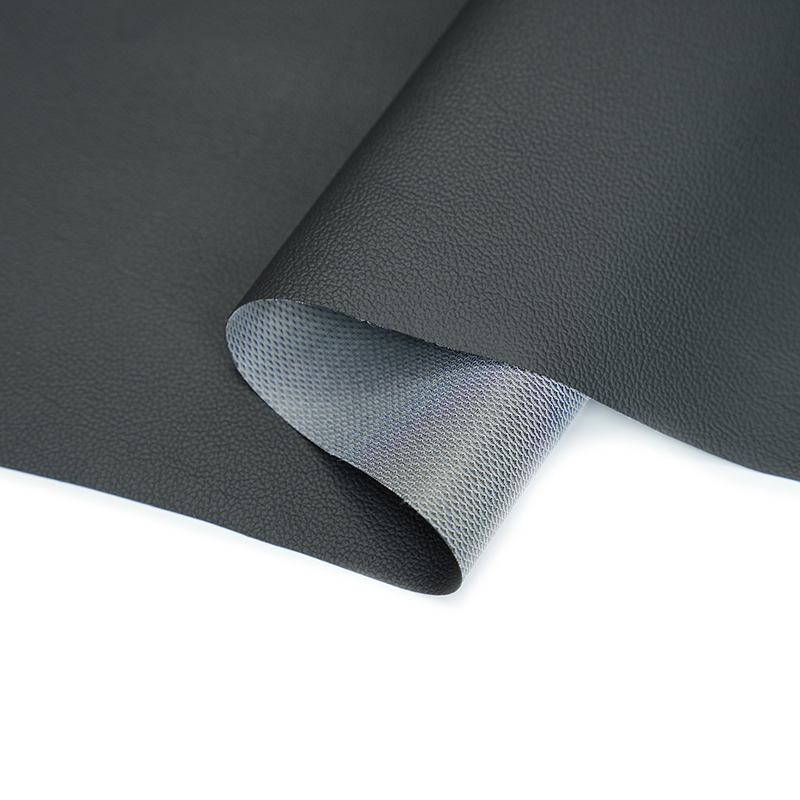
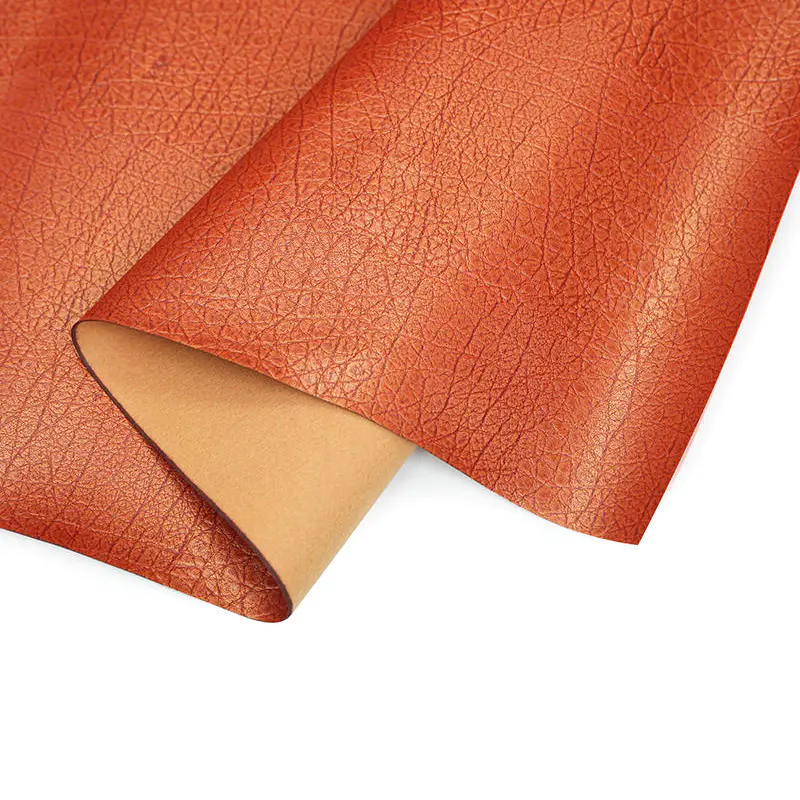
Upholstery Printed Leather Fabric refers to a category of engineered leather materials designed with surface-printed patterns, allowing more design flexibility compared with natural hide. It is widely used in residential furniture, hospitality interiors, automotive seating, and commercial décor environments. A common user query also focuses on variations like printed faux leather upholstery fabric, which combines synthetic materials with creative printing technologies.
This fabric is typically built with a synthetic base layer such as PVC, PU, or microfiber, overlaid with printed pigments and protective coatings. Advanced techniques like water-based printing, digital transfer printing, and embossed overlay give the fabric realistic textures and long-term color stability. Users often compare different substrates due to their individual benefits, including flexibility, cost efficiency, and environmental compatibility.
Compared to natural hide, printed engineered leather offers more predictable performance, lower maintenance, and significantly broader design choices. It enables manufacturers to recreate wood-grain textures, geometric patterns, marble-like surfaces, or classic leather grains without the limitations of natural hide imperfections.
Below is a comparison matrix:
| Feature | Printed Leather | Natural Leather |
| Design Options | Unlimited patterns | Limited by natural grain |
| Cost Range | Lower | Higher |
| Maintenance Needs | Low | Moderate |
| Color Consistency | Highly uniform | Varies by hide |
Today’s interior design trends are driven by durability, customization, and sustainability. High-quality Upholstery Printed Leather Fabric meets these demands by providing long-lasting performance and limitless visual design options. These advantages fuel the rising search volume for custom printed leather upholstery as consumers increasingly prefer personalized furniture solutions.
Printed upholstery leather is known for its excellent abrasion resistance, water repellency, and fade resistance, making it suitable for heavy-traffic areas such as hotels, cafes, study rooms, and family living spaces.
Printed leather provides designers with unparalleled creativity, enabling precise aesthetic expressions from classic to futuristic looks. Whether floral motifs, metallic finishes, or abstract textures, each pattern helps achieve a targeted atmosphere in décor projects.
As users increasingly search for eco friendly printed leather fabric, manufacturers are adopting water-based resins, solvent-free coatings, and recycled microfiber to help reduce environmental impact. These materials keep VOC emissions low and meet sustainability standards.
Selecting the correct material involves evaluating performance ratings, printing stability, colorfastness, backing composition, and application-specific requirements. This is especially important for industries requiring higher durability such as automotive, where search interest in automotive printed leather upholstery fabric continues to rise.
Performance values such as Martindale abrasion resistance, tear strength, and lightfastness ratings help determine whether a printed leather is suitable for residential or commercial use. High-performing materials are typically chosen for hotel lobbies, airports, and high-traffic commercial seating.
Different applications require distinct performance criteria. Automotive seating demands UV resistance, while home furniture benefits from soft-touch comfort.
High-quality prints retain vibrancy over time and resist fading when exposed to sunlight, humidity, or frequent cleaning. Always review test reports before selecting materials for long-term projects.
Backing layers such as knitted fabrics, microfiber, or non-woven materials determine drape quality, softness, and durability. A balanced thickness ensures stability without compromising flexibility.
Several categories of printed leather are popular in modern manufacturing. Understanding their characteristics helps users make informed selections aligned with functional and design expectations.
PU-based versions are soft, breathable, and ideal for living room furniture. They often feature intricate patterns with smooth textures.
This type is known for enhanced durability, long lifespan, and strong stain resistance, making it a common choice in commercial environments.
Microfiber substrates offer exceptional tensile strength and a more natural feel, making them popular among users searching for microfiber printed upholstery leather.
Upholstery Printed Leather Fabric serves a wide range of industries thanks to its flexible performance profile. From luxury sofas to marine seating, the material adapts easily to diverse environments.
Used extensively for sofas, ottomans, dining chairs, and headboards due to comfort and style diversity.
Hotels, restaurants, and lounges prefer printed leather for its durability and brand-customizable patterns.
Engineered coatings ensure long-term performance under sunlight, moisture, and frequent use.
Proper maintenance enhances the lifespan of Upholstery Printed Leather Fabric. Cleaning routines and protective coatings help preserve color vibrancy, structural integrity, and surface feel.
Use mild soap and a soft cloth to remove dust and spills. Avoid abrasive materials.
Apply protective conditioning agents periodically to enhance resistance to stains and scratches.
Avoid harsh chemicals, bleach, and high-temperature steam cleaning, which may damage the printed layer.
Yes, high-quality printed leather is designed for long-term durability, with abrasion-resistant coatings that make it suitable for daily use in homes and commercial environments.
Modern materials use UV-resistant pigments and protective layers, allowing colors to remain vibrant even under regular sunlight exposure.
Most products feature non-toxic coatings and are easy to clean, making them suitable for family-friendly environments.
Microfiber-based printed leather offers a high-end feel and refined texture, making it ideal for modern luxury interiors.
Add: No.285 Shashan Avenue, Zhouzhuang Town, Jiangyin City, Jiangsu Province, China.
Tel: +86-510-86903827
Rachel Wang:
+86-18651025719 (Phone)
[email protected] (Email)
Jessica Qian:
+86-13739165356 (Phone)
[email protected] (Email)
Cathay Xia:
+86-18021569150 (Phone)
[email protected] (Email)
Copyright © Jiangyin Jiangdong Plastic Co., Ltd. All Rights Reserved.Custom PVC Artificial Leather Manufacturers


 English
 中文简体
中文简体