
 English
 中文简体
News
Home / News / Industry News / Waterproof vs Breathable PVC Leather Shoes: Liquid Protection and Foot Comfort

Content
Few material decisions in footwear manufacturing carry as much weight as the balance between waterproofing and breathability. For product developers and buyers working with PVC artificial leather, the challenge is direct: the dense, non-porous surface that keeps out rain and puddles can also trap heat and perspiration inside the shoe. Yet the choice does not have to be binary. Modern PVC leather specifications, combined with thoughtful shoe construction, allow manufacturers to pursue liquid resistance and foot comfort together rather than sacrificing one for the other.
Waterproof means that a material prevents liquid water from passing through under normal wearing conditions. Breathable refers to the ability of a material to allow water vapor, the moisture released by the foot as perspiration, to escape from the inside to the outside. In practical shoe terms, waterproofing keeps external wetness away, while breathability prevents the internal microclimate from becoming damp, sticky and overheated.
For PVC leather, the natural position on this spectrum is strongly weighted toward waterproofing. The PVC coating forms a continuous film that resists the penetration of liquid water, which is why PVC artificial leather has long been a practical choice for rain-friendly footwear components, shoe insoles and lined boots.
| Property | Waterproof | Breathable |
|---|---|---|
| Primary function | Blocks external moisture | Releases internal moisture |
| Mechanism | Dense, non-porous surface | Vapor transmission and airflow |
| Typical benefit | Dry feet in wet conditions | Cooler, fresher foot climate |
| PVC leather position | Excellent in natural state | Needs design adjustments |
The key to balancing these properties is to treat the shoe as a system rather than a single material. A PVC leather shoe that manages moisture well typically pairs a correctly specified upper with a functional lining, a moisture-managing insole and a construction that gives the foot room to breathe.
There are several practical ways to improve foot comfort while preserving the waterproof advantage of PVC leather. Thinner gauges increase flexibility and reduce the feeling of stiffness. Perforation creates micro-ventilation points that release heat. Surface textures reduce direct skin contact and allow a thin layer of air to circulate between the foot and the material. A moisture-wicking insole can keep the footbed dry even when the outer surface is fully sealed.
When sourcing PVC leather for footwear, four variables have the greatest impact on how the waterproof-breathability equation plays out.
Thickness is the first variable that changes the feel and performance of a PVC leather shoe. At 1.5 mm, the material is lighter and more pliable, making it a natural fit for warm-weather footwear where flexibility is a priority. At 2.2 mm, the leather gains structure and durability, helping the shoe hold its shape while covering a wider range of weather conditions.
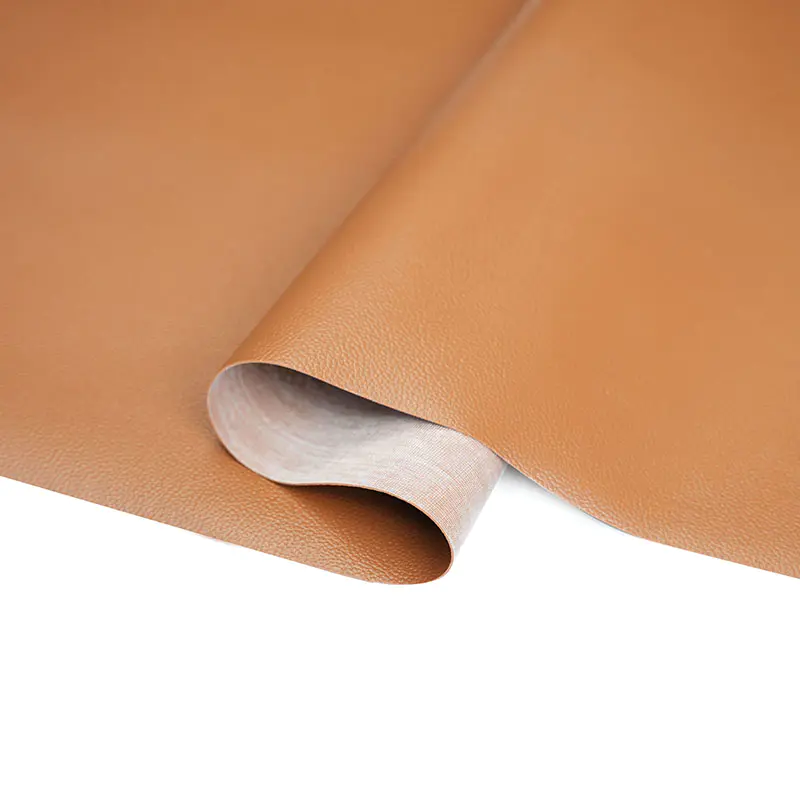
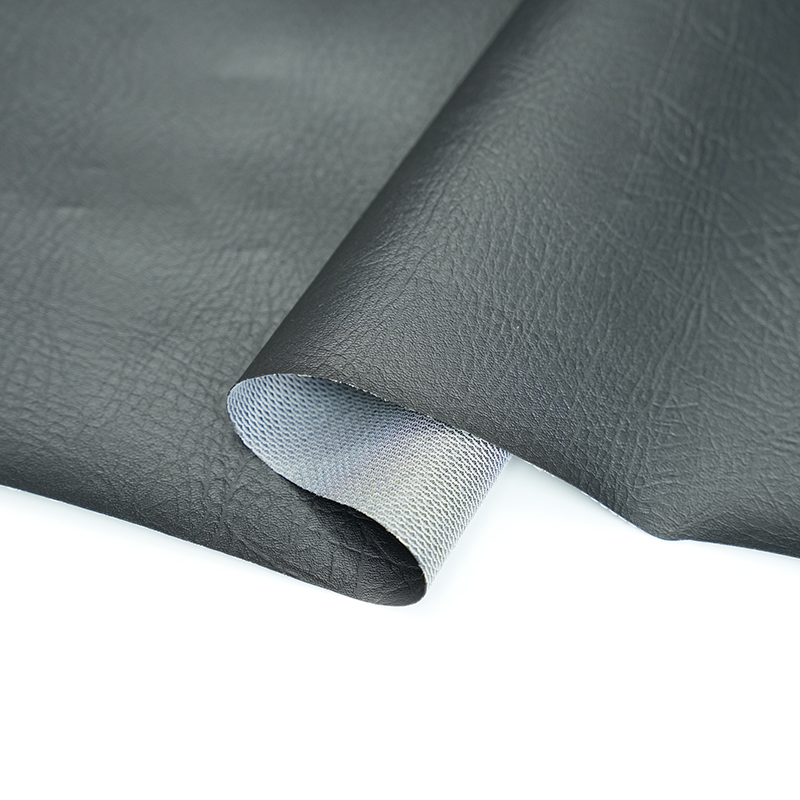
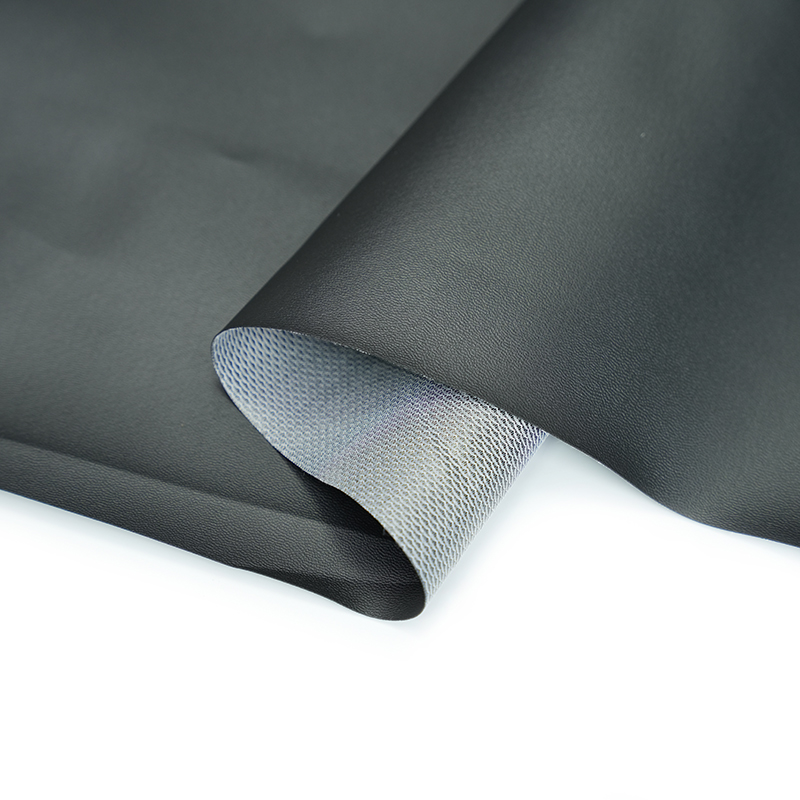
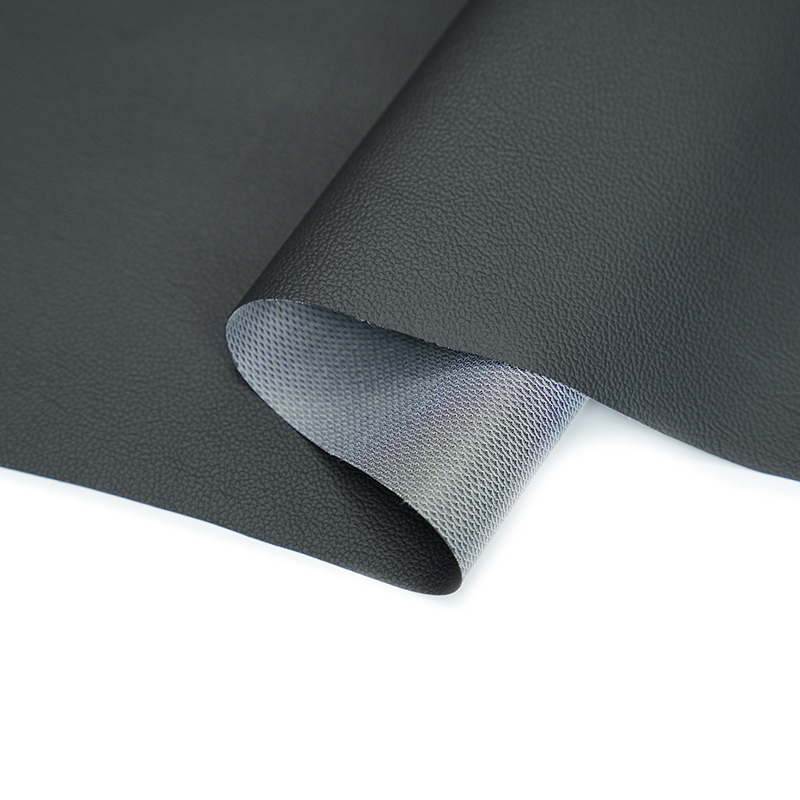
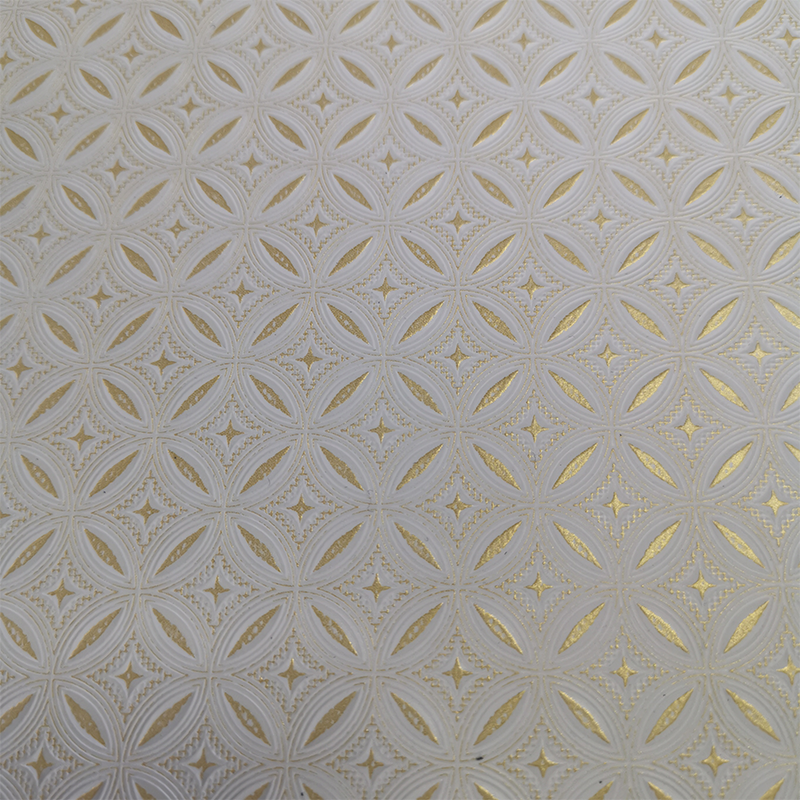 1.5mm Flexible PVC Artificial Leather with Woven BackingThis lightweight PVC leather is ideal for warm-weather shoes where flexibility matters. Its 1.5mm thickness balances pliability and durability, while the woven fabric backing adds stability for daily wear.View Product →
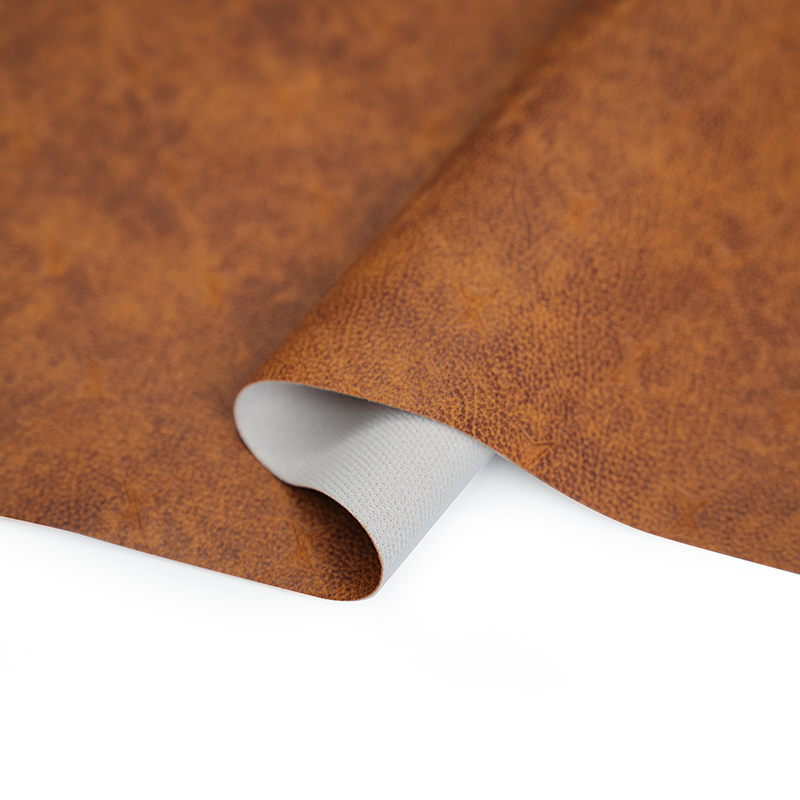
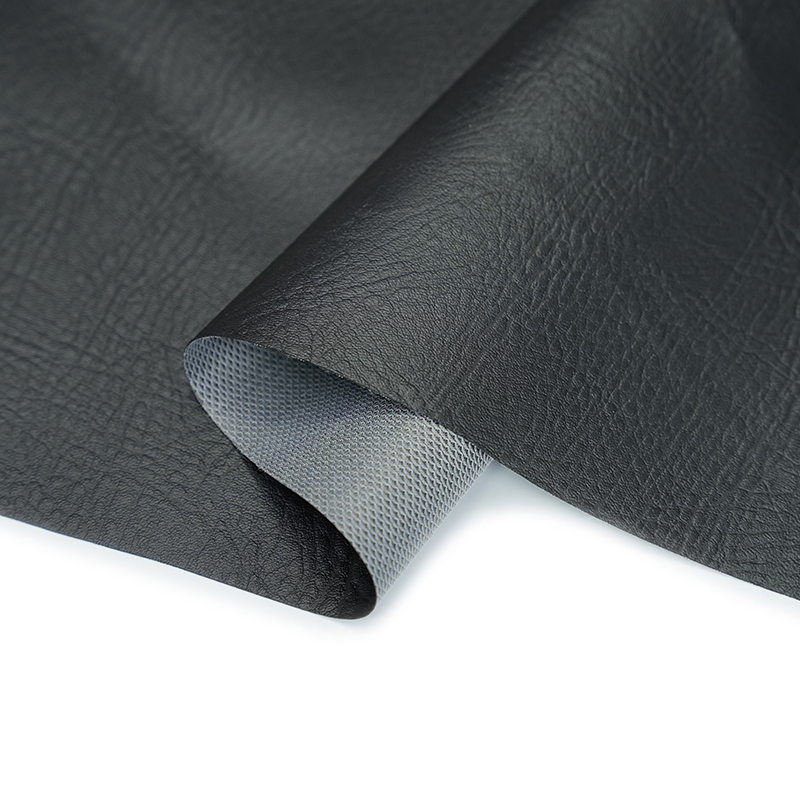
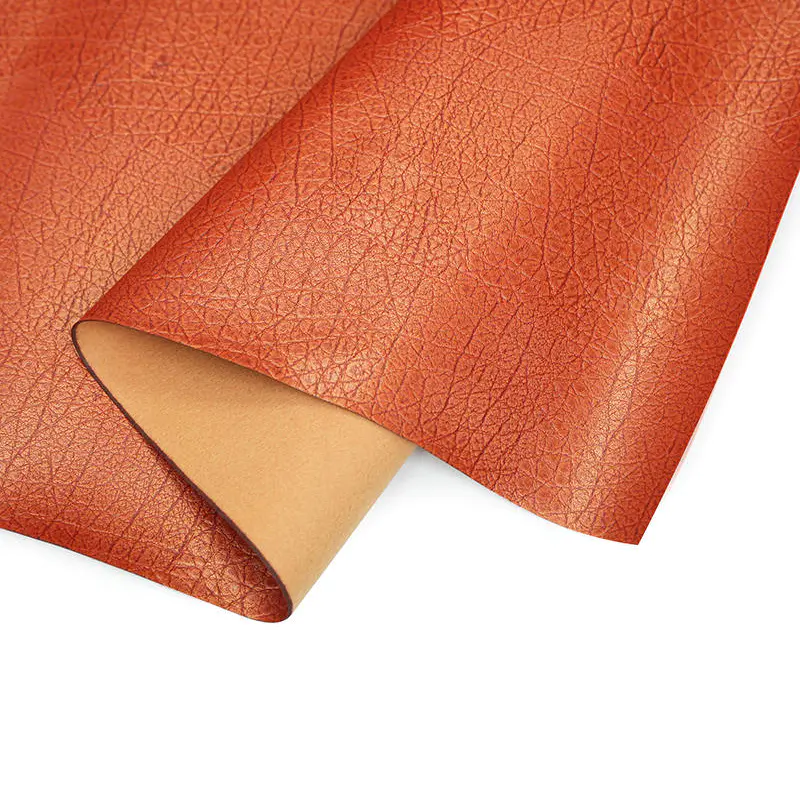
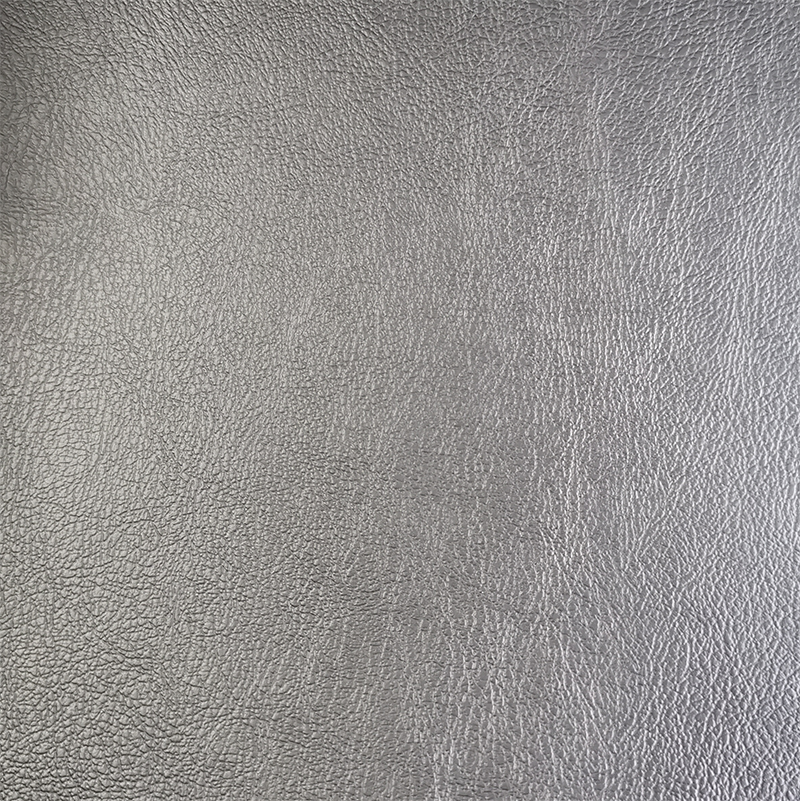 2.2mm Natural Grain PVC Leather with Cotton BackingDesigned for shoes needing more structure, this 2.2mm PVC leather offers a natural grain texture and acupuncture cotton backing for comfort and resilience, suitable for broader weather conditions.View Product →
Embossed and grain-textured PVC leathers do more than imitate natural leather; they also change how the material interacts with moisture. A textured surface reduces direct contact with the skin and creates micro-channels that allow slight air movement. Smooth and glossy finishes offer marginally better liquid resistance but can feel stickier against bare skin, which matters for sandals, slippers and unlined shoes.
The backing fabric and insole have an outsized influence on perceived comfort. A stable knitted or woven backing improves dimensional strength, while the insole manages moisture right under the foot. Waterproof synthetic leather for shoe insoles demonstrates how liquid resistance can be supported at the inner sole level without compromising the comfort of the footbed.
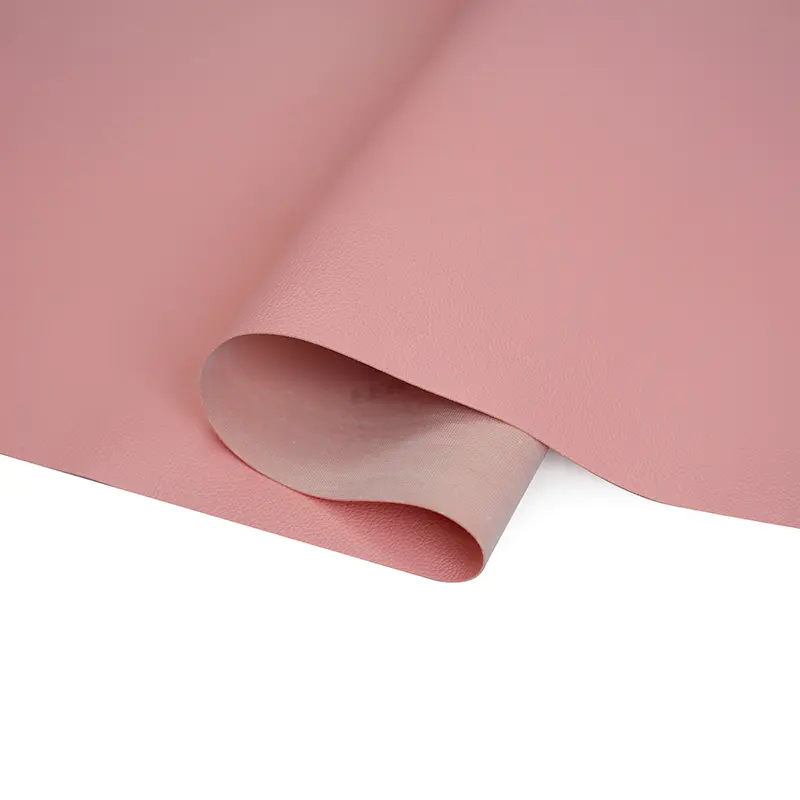
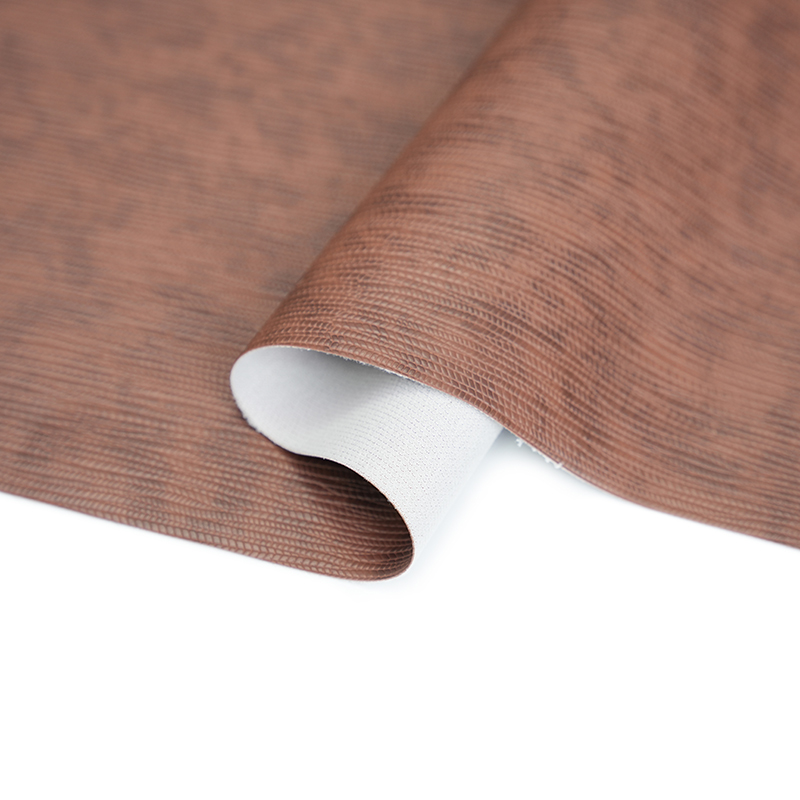
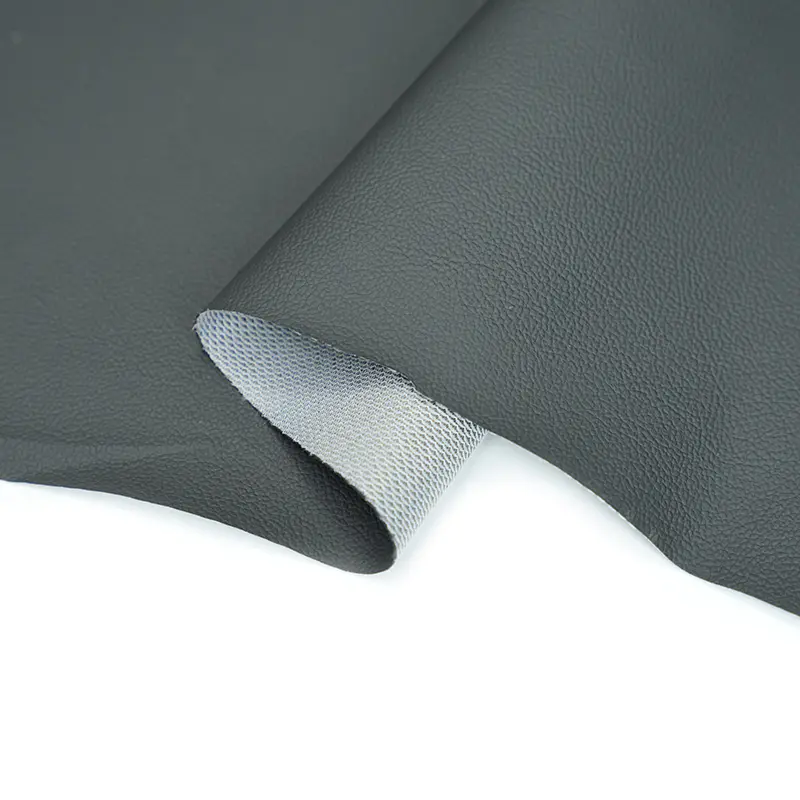
 0.6mm Waterproof PVC Leather for Shoe InsolesThis thin, waterproof synthetic leather helps keep insoles dry in wet conditions. Its knitted fabric backing adds softness and flexibility, making it a practical choice for footbed comfort.View Product →
No upper material works in isolation. A shoe with engineered vent openings, a mesh tongue or an open-collar design can compensate for the lower breathability of a waterproof upper. Designers should evaluate PVC leather breathability together with the overall shoe geometry rather than treating the material as the only variable that affects foot climate.
The right balance depends on the shoe's end use, the climate it will encounter and the expectations of the wearer. A rain boot requires a high level of liquid resistance even if some breathability is sacrificed. A summer sandal benefits from a lighter, more flexible PVC leather that does not trap heat. A work shoe needs both durability and all-day comfort, which points toward a mid-thickness material with a functional insole.
| Shoe application | Priority | Recommended PVC leather direction |
|---|---|---|
| Rain and weather footwear | Liquid resistance first | Thicker waterproof PVC with sealed seams |
| Summer sandals | Foot comfort first | 1.5 mm pliable PVC, textured or perforated |
| Casual shoes and sneakers | Balanced approach | 1.5-2.2 mm with breathable lining |
| Insoles and inner linings | Moisture management | Waterproof insole leather with anti-slip finish |
| Work and safety shoes | Durability plus comfort | 2.2-3 mm with structured support |
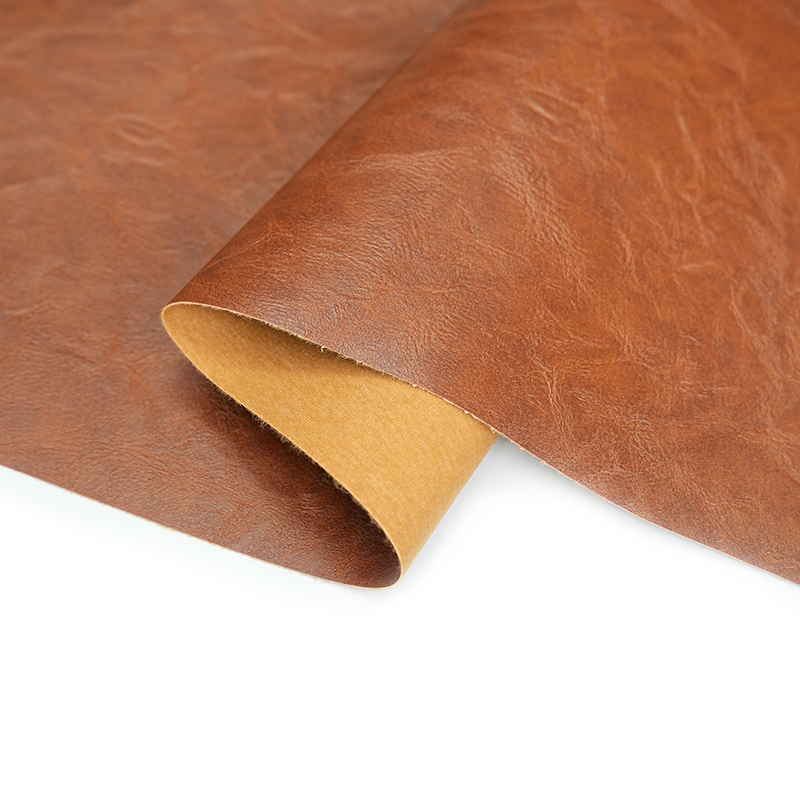
For manufacturers exploring heavier constructions, our detailed guide to 4mm colorful PVC leather for shoes explains how thick grades can still be specified with comfort in mind.
Yes. The dense PVC coating forms a continuous film that resists the penetration of liquid water, which is why PVC artificial leather is widely used in waterproof shoe components. At the shoe level, however, seams, stitching and closures also need to be sealed or designed to prevent water entry.
Because the PVC surface has low moisture vapor transmission, perspiration can feel more noticeable than with highly porous materials. This can be managed by choosing an appropriate thickness, adding perforation, specifying a breathable lining and using a moisture-wicking insole.
Yes. Ventilated shoe openings, breathable mesh panels and moisture-managing insole materials can improve the internal microclimate while the PVC upper continues to block external water. Surface textures that reduce skin contact also create small air channels that promote circulation.
For most waterproof shoe uppers, 1.5 mm to 2.2 mm provides a practical balance of flexibility, durability and liquid resistance. Thicker grades above 3 mm are reserved for heavy constructions such as work boots where structure and abrasion resistance matter more than weight.
Wipe the surface with a damp cloth after use and let the shoes dry in a well-ventilated area away from direct heat. Avoid sharp folding or creasing during storage, and follow the material supplier's cleaning recommendations so that the waterproof coating and surface appearance remain intact.
Waterproof and breathable should not be treated as competing features but as engineering parameters that belong in the same specification. PVC artificial leather gives footwear manufacturers a reliable base for liquid resistance, while thickness, surface texture, backing, insole selection and shoe geometry offer the levers needed to protect foot comfort. By evaluating these variables together, manufacturers can produce shoes that stand up to wet conditions without leaving the wearer's comfort behind.
Add: No.285 Shashan Avenue, Zhouzhuang Town, Jiangyin City, Jiangsu Province, China.
Tel: +86-510-86903827
Rachel Wang:
+86-18651025719 (Phone)
[email protected] (Email)
Jessica Qian:
+86-13739165356 (Phone)
[email protected] (Email)
Cathay Xia:
+86-18021569150 (Phone)
[email protected] (Email)
Copyright © Jiangyin Jiangdong Plastic Co., Ltd. All Rights Reserved.Custom PVC Artificial Leather Manufacturers
