
 English
 中文简体
News
Home / News / Industry News / Waterproof PVC Artificial Leather vs Real Leather Car Seats: Breathability & Heat

Content
Choosing the right upholstery for car seats is no longer a simple choice between cloth and leather. Vehicle owners, trim shops, and fleet managers increasingly compare waterproof PVC artificial leather for car seat applications against genuine leather, and the discussion usually comes down to three practical factors: breathability, heat resistance, and maintenance. Each material has clear strengths, and the right answer depends on your climate, your driving habits, and the amount of care you are willing to invest.
Waterproof PVC artificial leather offers a durable, low-maintenance alternative to real leather, but its behavior in heat and its limited breathability deserve careful comparison before you commit to a material.
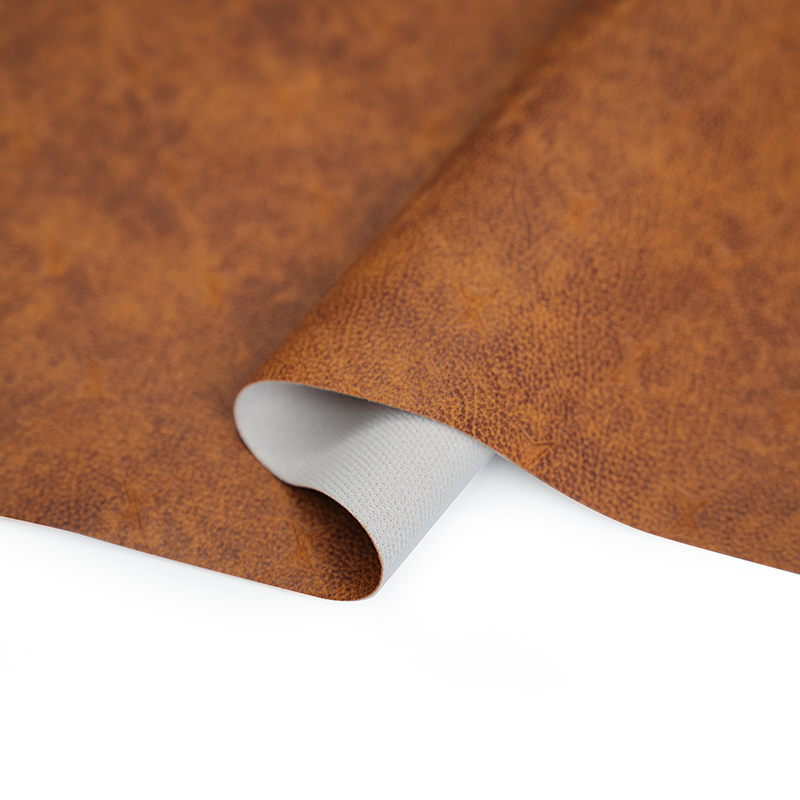
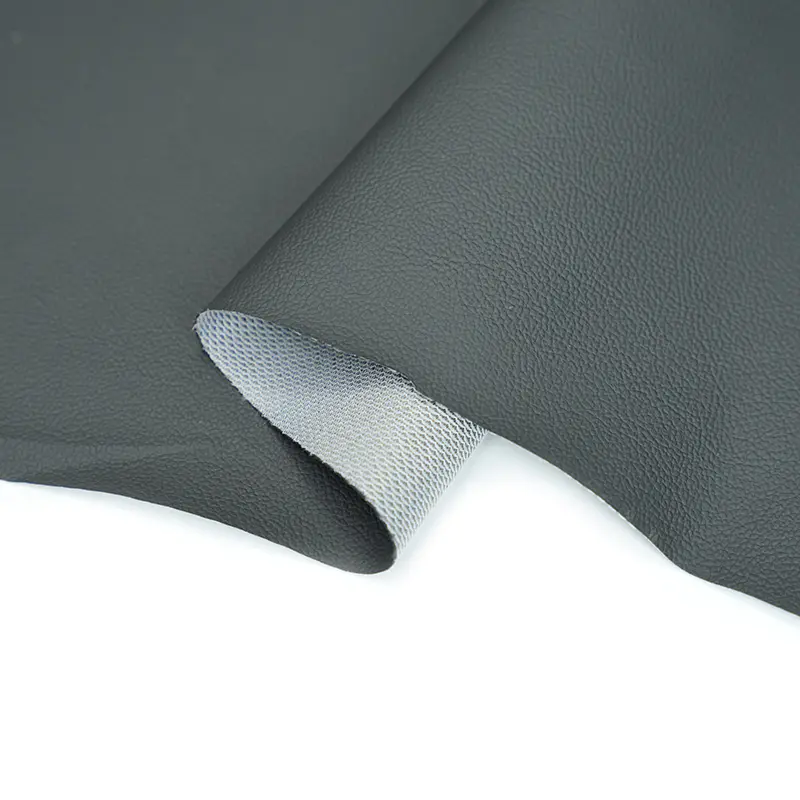
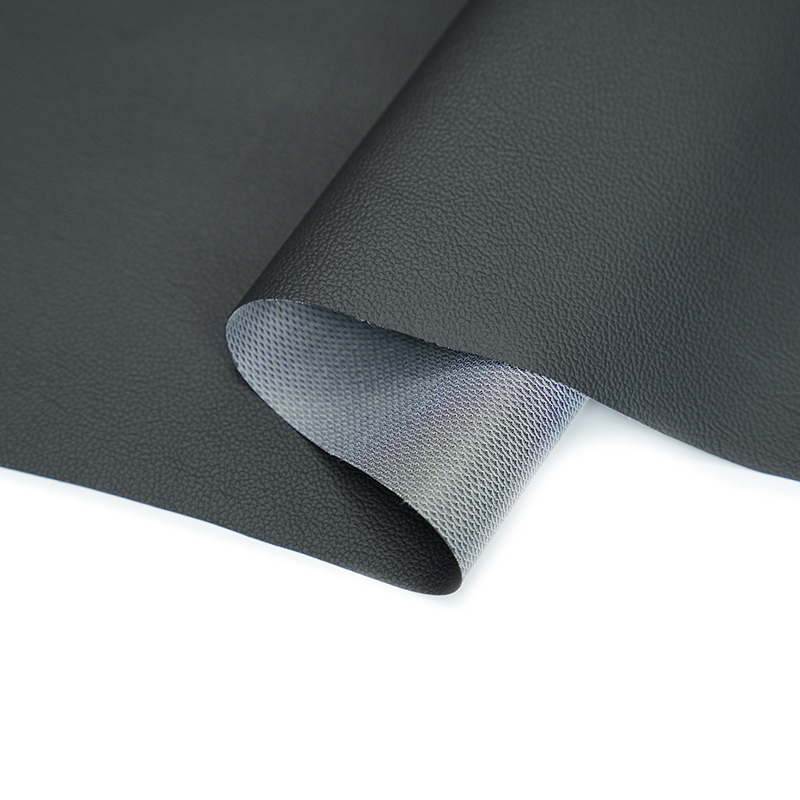
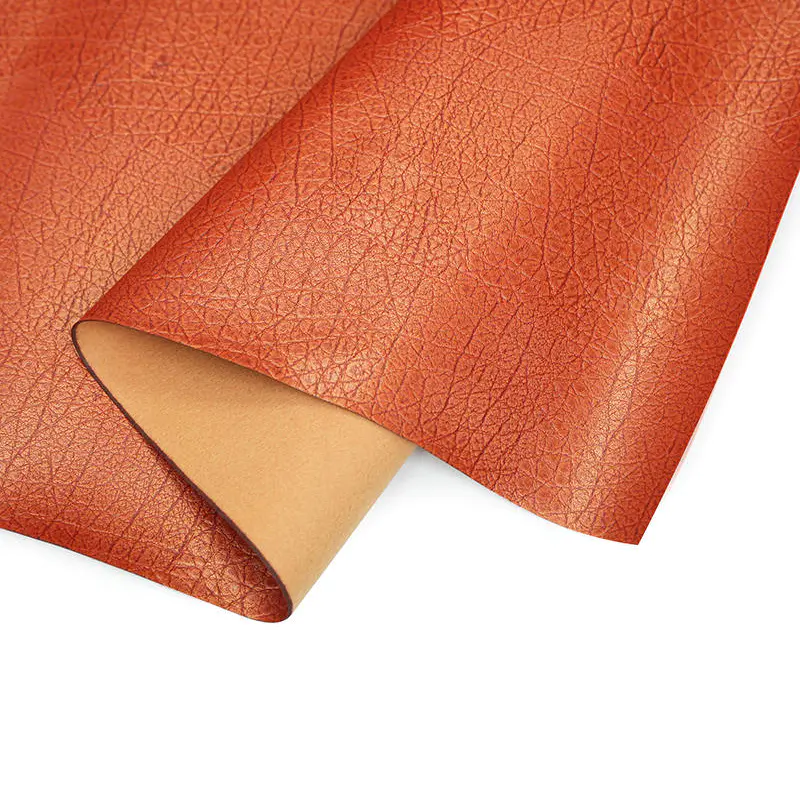
PVC artificial leather, also known as vinyl leather or PVC synthetic leather, is a composite material made by coating a knitted or woven polyester backing with a layer of plasticized polyvinyl chloride. The surface is embossed with grain patterns and finished with protective top coats to imitate the look of genuine leather. When a waterproof finish is applied, the material forms a continuous, non-porous barrier that repels liquids and makes cleaning noticeably easier.
In automotive use, this material is valued for its consistent texture, wide range of colors and grains, and a friendlier price than genuine hide. Industry insights show that PVC artificial leather has become a preferred material for car interiors because it balances a leather-like appearance with dependable waterproof performance and uniform quality across production batches.
Real leather is a natural, porous material. Its network of microscopic fibers and pores allows air and water vapor to pass through, which is why genuine leather seats tend to feel cooler and less sticky during long drives. The ability to absorb and release moisture helps the surface stay comfortable against the skin in warm weather.
Waterproof PVC artificial leather, on the other hand, is essentially a plastic film. Its waterproof top layer blocks most air and moisture transmission. In a hot and humid cabin, PVC upholstery can feel warmer and may increase perspiration on longer journeys. That said, performance varies from product to product. The type of backing fabric, the thickness of the PVC coating, and the embossing pattern all affect how the surface feels. Newer soft-touch and matte-finish grades are noticeably less sticky than the hard vinyl used in older car interiors, and perforated options provide some airflow.
| Breathability Factor | Waterproof PVC Artificial Leather | Real Leather |
|---|---|---|
| Air permeability | Low to moderate | High |
| Moisture vapor transmission | Very low | High |
| Feel in hot weather | Warmer, may feel sticky | Cooler, more comfortable |
| Feel in cold weather | Initially cold to touch | More moderate |
| Perforated versions | Available | Available |
A car parked in summer sun can easily reach 70 degrees Celsius inside. Upholstery materials must therefore survive both high cabin temperatures and prolonged UV exposure without fading, cracking, or becoming sticky. This is one of the most important comparisons between real leather and PVC.
Real leather tolerates heat well in structural terms, but it absorbs rather than reflects the sun's energy. Dark genuine leather can become very hot to the touch in direct sunlight, and over time UV rays dry out the natural fibers. Without regular conditioning, the surface loses its suppleness and begins to crack.
High-quality waterproof PVC artificial leather is formulated with heat stabilizers and UV-resistant top coats so that the PVC layer stays flexible and dimensionally stable under normal cabin conditions. A well-made product can withstand repeated heating and cooling cycles without separating from its backing fabric. Budget-grade vinyl, by contrast, may become stiff or sticky after several years of intense sun exposure. Selecting material from a manufacturer with controlled formulation and production processes reduces that risk considerably.
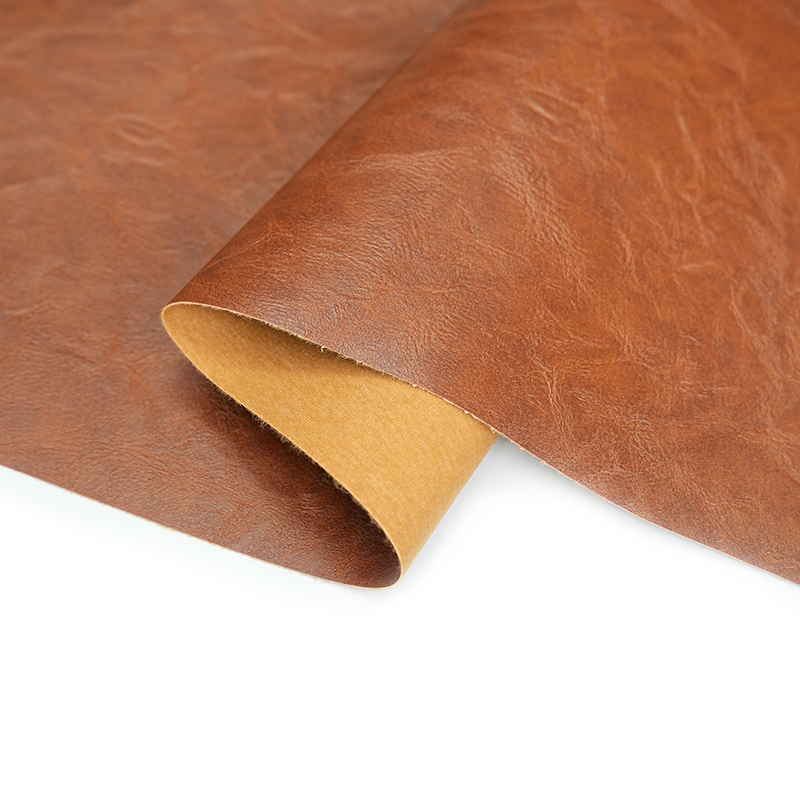
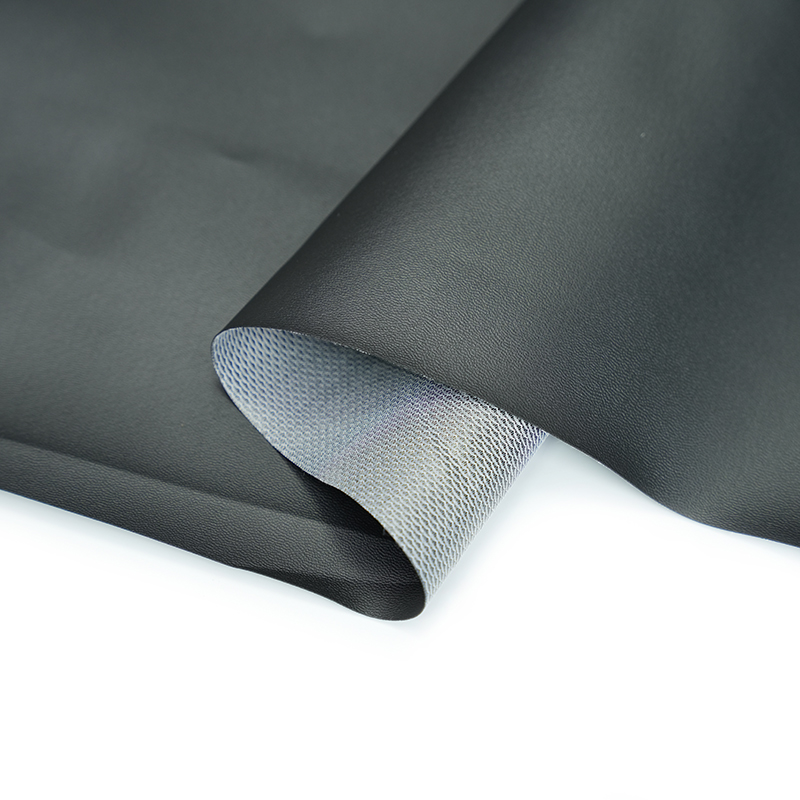
 Waterproof PVC Artificial Leather for Car Seats with Toweling BackingThis 1.1 mm waterproof PVC leather with a toweling fabric backing resists spills and maintains flexibility. Its UV-resistant formulation is relevant here because the surrounding text discusses how heat and sunlight affect seat materials.View Product →
Surface color also influences heat behavior. Lighter shades reflect more solar radiation than deep black or dark brown, and perforated or textured surfaces allow some heat to escape from the seating area.
This is where waterproof PVC artificial leather has its clearest advantage. Because the surface is non-porous, spills such as coffee, juice, milk, or pet accidents remain on the top layer and can be wiped away with a damp cloth. The material does not require leather conditioners, special soaps, or periodic moisturizing. A mild detergent and water are enough to keep it looking close to new.
Real leather demands noticeably more attention. It should be cleaned with a pH-neutral leather cleaner, conditioned every few months to prevent drying, and protected from prolonged sunlight. If a liquid is allowed to soak into the hide, it can stain permanently. Sharp objects also leave cuts that cannot be repaired invisibly. Waterproof PVC, especially with an anti-scratch finish, is more forgiving in daily use.
| Criteria | Waterproof PVC Artificial Leather | Real Leather |
|---|---|---|
| Breathability | Low to moderate | High |
| Heat resistance | Good with heat and UV stabilizers | Good but requires conditioning |
| Maintenance effort | Low | High |
| Waterproofness | Excellent | Poor without treatment |
| Durability in daily use | Very good | Good if maintained |
| Cost | Lower | Higher |
| Feel and prestige | Leather-like | Natural, premium |
As with any material decision, it helps to understand the advantages and limitations of waterproof PVC artificial leather before you finalize the specification.
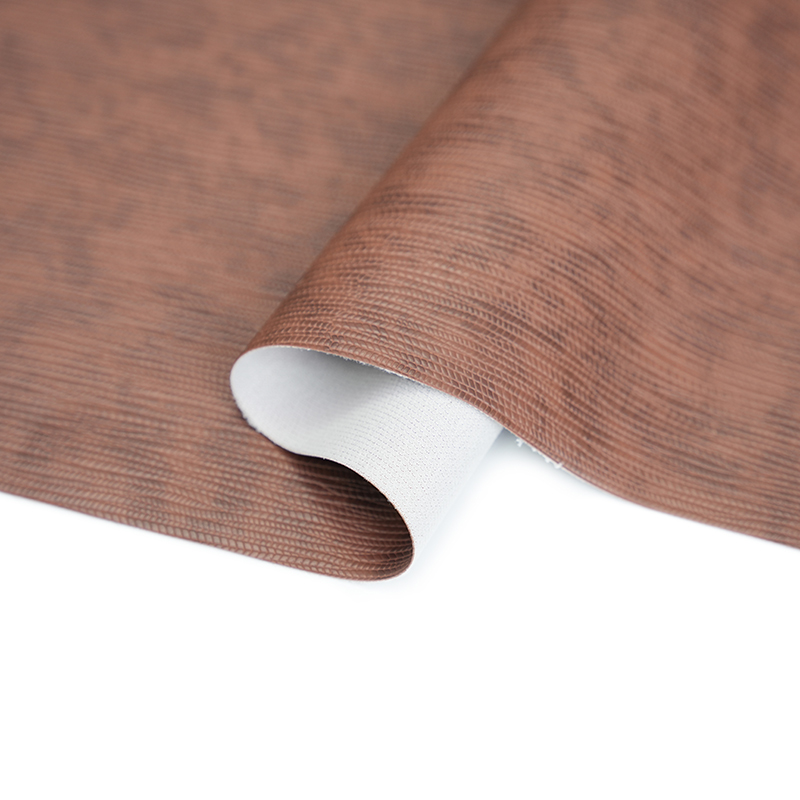
For projects that require a traditional grain appearance, the classic car seat grade provides a stable, embossed surface that suits both factory assembly and aftermarket upholstery.
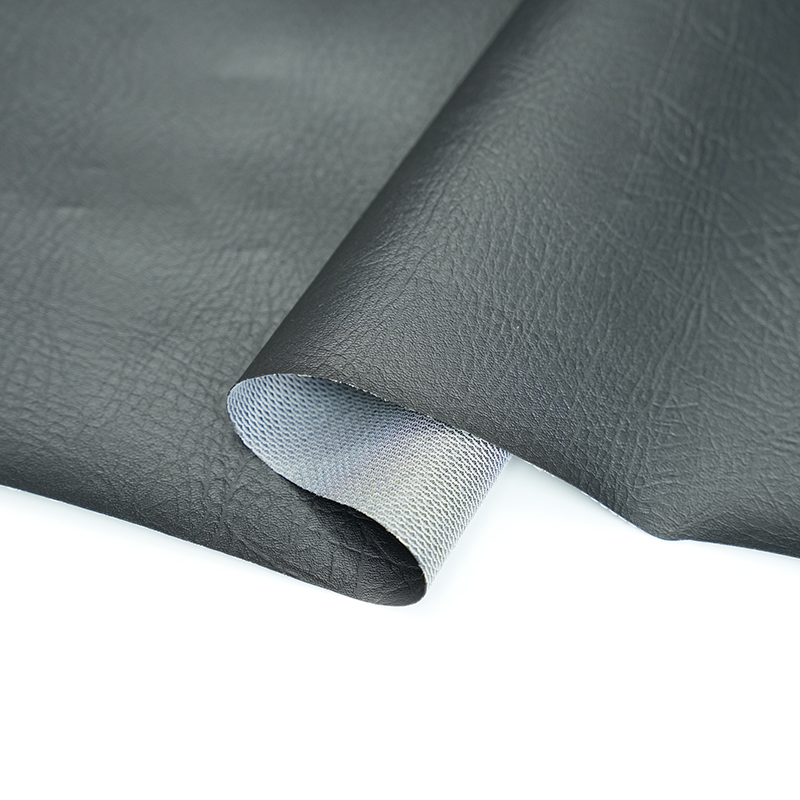
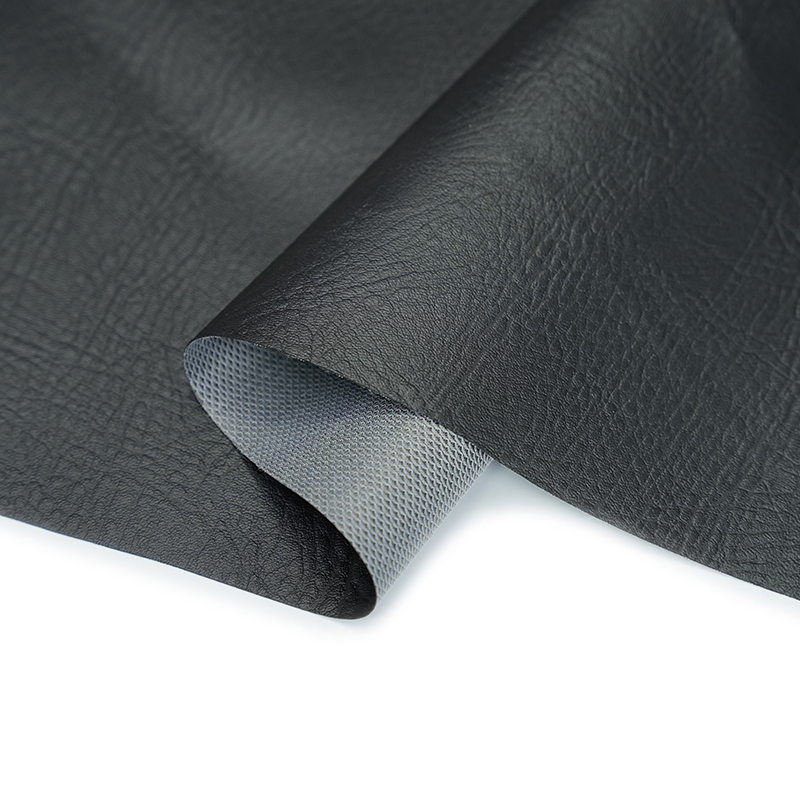
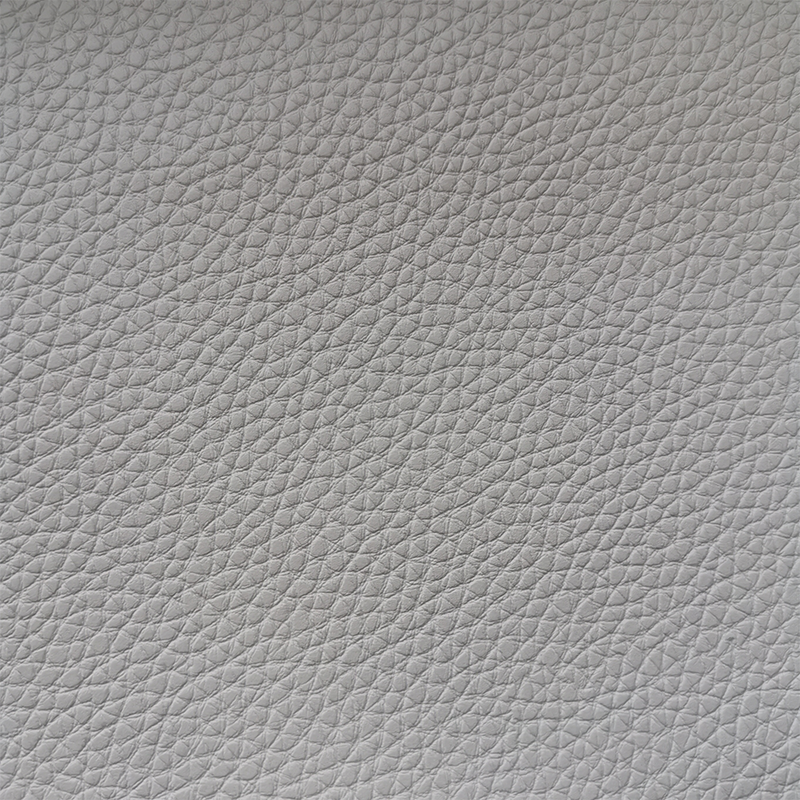 Classic PVC Artificial Leather with Double Brushed Fabric BackingFeaturing a K556 embossed pattern and a soft double brushed backing, this 1 mm thick PVC leather suits traditional car interiors. It offers a stable, classic grain appearance as noted in the nearby discussion of standard upholstery options.View Product →
High-quality waterproof PVC artificial leather for car seats is formulated with heat stabilizers and UV-resistant top coats. In normal cabin temperatures, it remains stable and flexible for many years. Low-quality PVC that contains excessive plasticizer, however, can harden, become sticky, or crack over time, so sourcing from an established manufacturer is important.
Because it is less breathable than genuine leather, PVC can feel warmer on long drives. Lighter colors, perforated designs, and modern soft-touch finishes help reduce heat buildup and improve seating comfort in summer.
Wipe the surface with a soft microfiber cloth dipped in warm water and a small amount of mild soap, then dry it with a clean cloth. Avoid abrasive pads, strong solvents, and alkaline cleaners that can damage the waterproof top coat.
Not necessarily. Real leather can last a long time when it is properly maintained, but it is sensitive to spills, UV radiation, and drying. Waterproof PVC artificial leather is easier to protect from liquids and scratches, so its real-world lifespan is often very competitive, especially in family vehicles or commercial fleets.
In the end, the choice between waterproof PVC artificial leather and real leather for car seats comes down to your priorities. If you value natural breathability, softness, and the prestige of genuine hide, and you accept the maintenance routine, real leather remains a strong option. If you prefer a waterproof, easy-care material that wears well under real-life conditions and provides a leather-like look at a friendlier price, waterproof PVC artificial leather is hard to beat. Review your climate, your habits, and your budget, and the right material will become clear.
Add: No.285 Shashan Avenue, Zhouzhuang Town, Jiangyin City, Jiangsu Province, China.
Tel: +86-510-86903827
Rachel Wang:
+86-18651025719 (Phone)
[email protected] (Email)
Jessica Qian:
+86-13739165356 (Phone)
[email protected] (Email)
Cathay Xia:
+86-18021569150 (Phone)
[email protected] (Email)
Copyright © Jiangyin Jiangdong Plastic Co., Ltd. All Rights Reserved.Custom PVC Artificial Leather Manufacturers
