
 English
 中文简体
中文简体News
Home / News / Industry News / Waterproof PVC Leather for Sofa: A Comprehensive Technical Guide for Furniture Manufacturing

Content
In the competitive world of furniture manufacturing, the choice of upholstery material is a critical decision that impacts product quality, cost, durability, and customer satisfaction. Among the various options available, Waterproof PVC Leather for Sofa has emerged as a preferred choice for manufacturers seeking a durable, cost-effective, and versatile upholstery solution. This synthetic material offers exceptional resistance to moisture, abrasion, and mildew, making it ideal for a wide range of applications from residential sofas to commercial furniture. This article provides a comprehensive technical analysis of Waterproof PVC Leather for Sofa, exploring its composition, performance characteristics, manufacturing advantages, and the critical factors that distinguish it from alternative upholstery materials. For furniture manufacturers, designers, and sourcing professionals seeking to make informed decisions about upholstery selection, understanding the nuances of this versatile material is essential for creating products that deliver lasting value and performance.
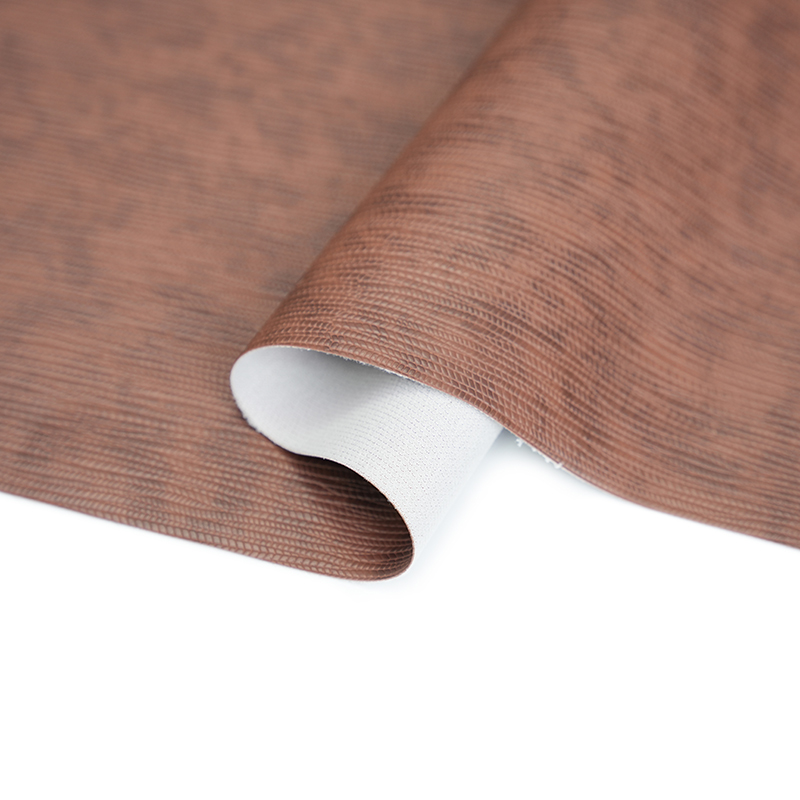
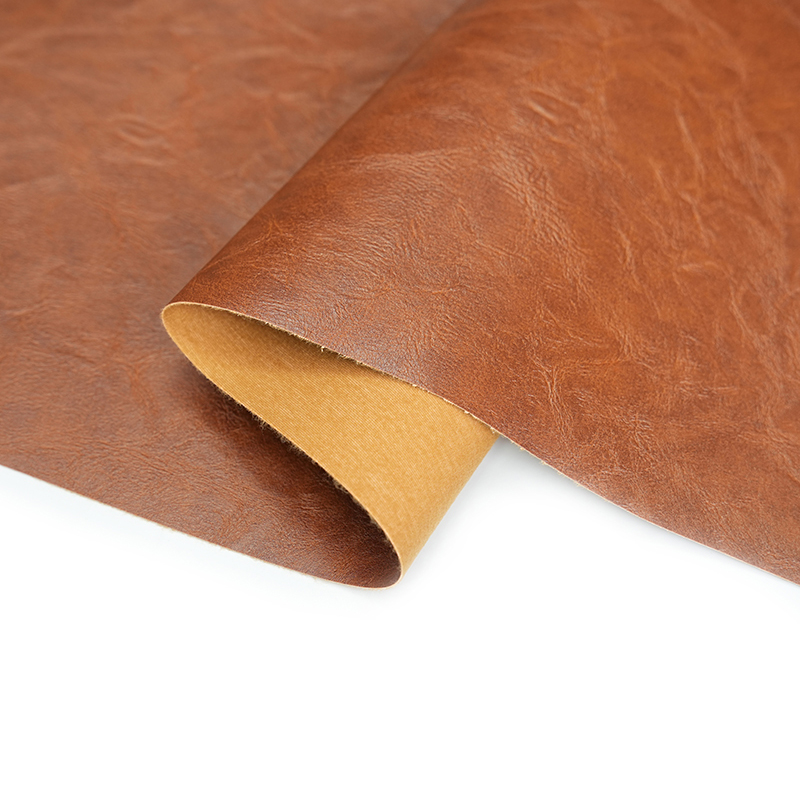
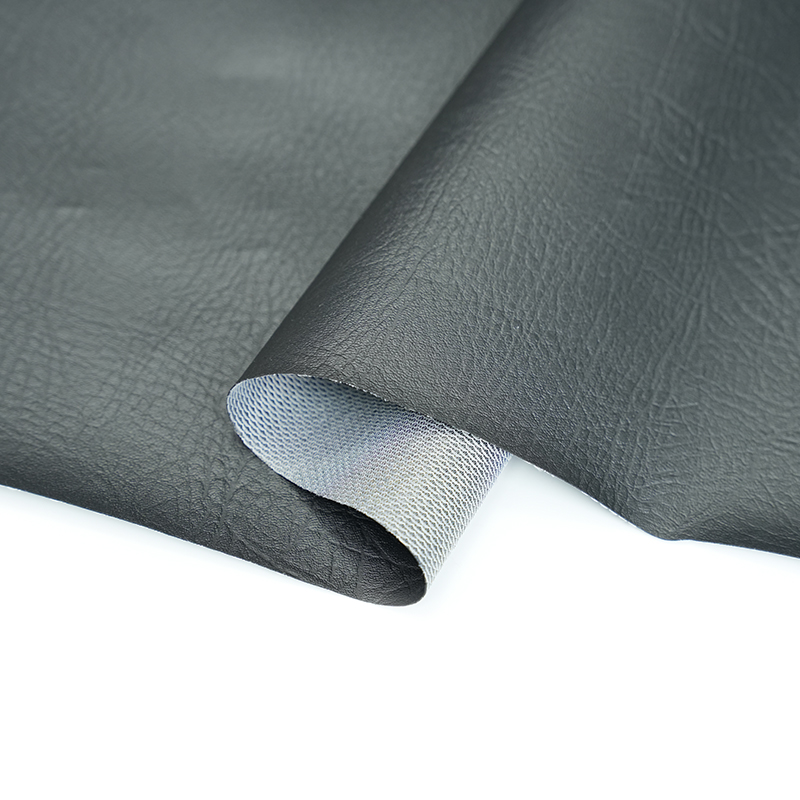
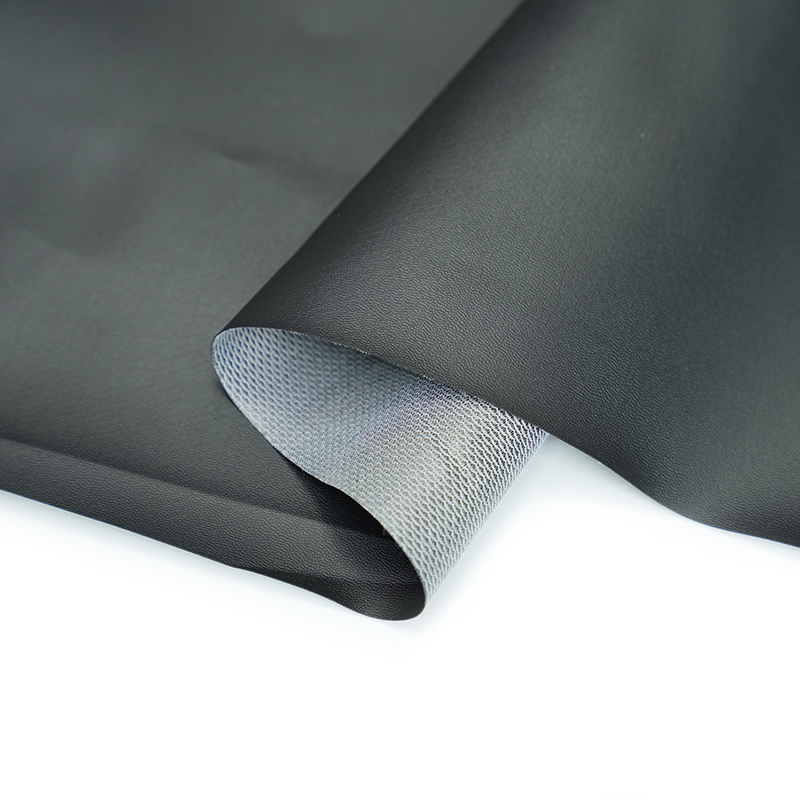
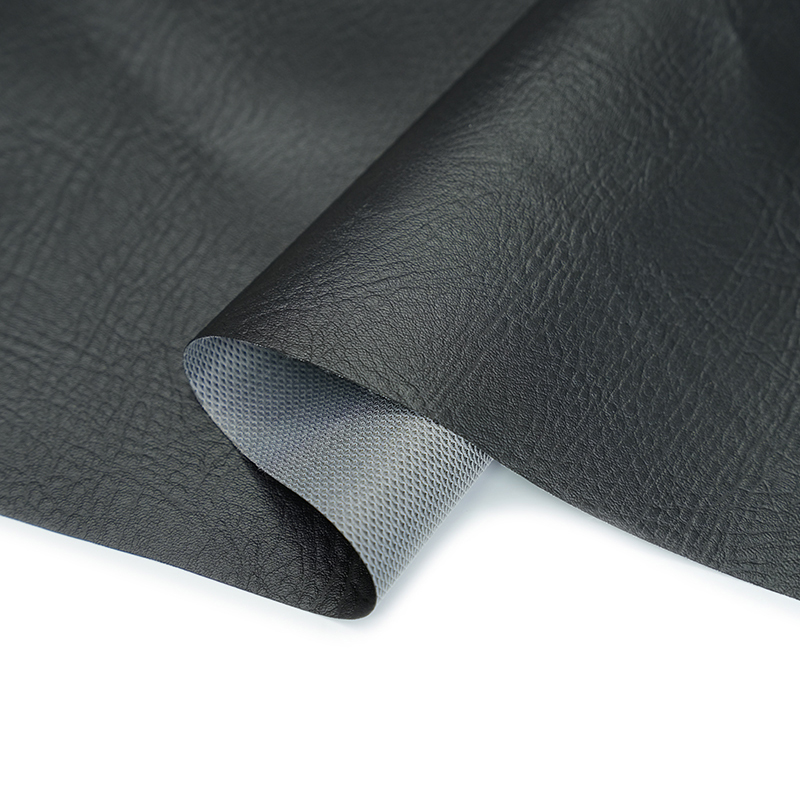
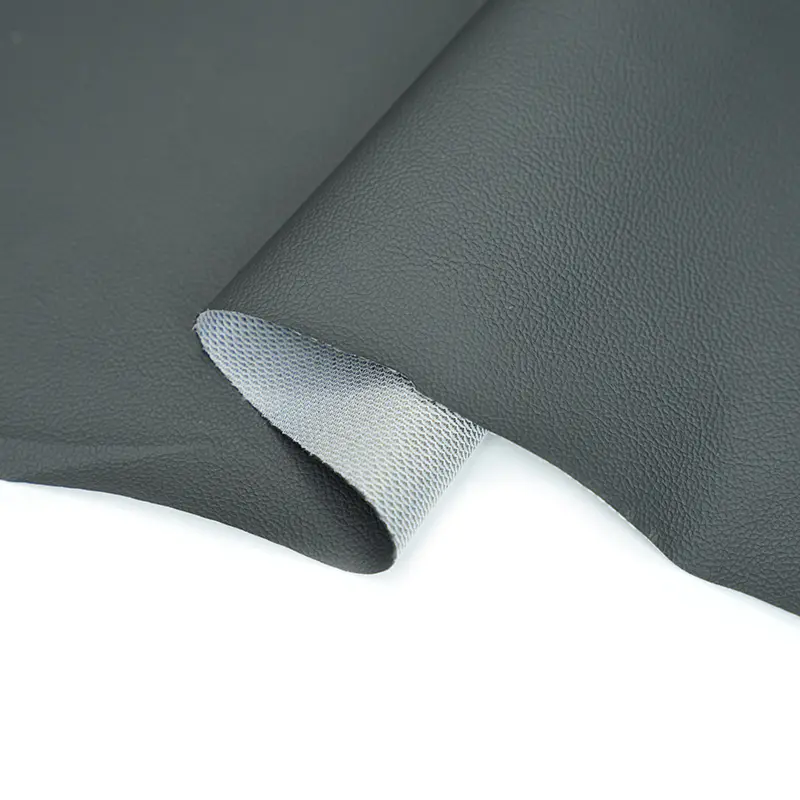
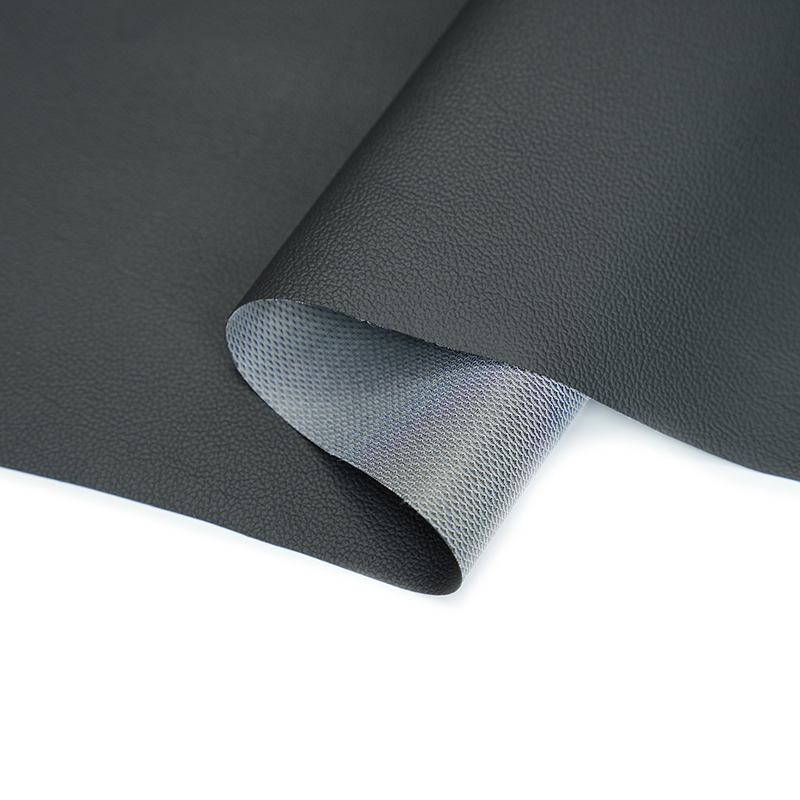
Before delving into the specific characteristics and applications of this material, it is important to establish a clear understanding of what defines waterproof PVC leather for sofa applications. PVC leather is a synthetic upholstery material composed of a polyvinyl chloride coating applied to a fabric backing. The PVC layer provides the material's surface characteristics, including texture, color, and resistance properties, while the backing fabric provides structural support and stability.
The material is produced through a process where PVC resin is mixed with plasticizers, stabilizers, and other additives to achieve the desired flexibility, durability, and appearance. This compound is then applied to a backing fabric, which may be knitted, woven, or non-woven, depending on the specific performance requirements. The resulting material combines the durability and moisture resistance of PVC with the flexibility and breathability of the fabric backing.
The waterproof property is a key differentiator of this material. Unlike genuine leather or some other synthetic materials, PVC leather does not absorb moisture, making it resistant to staining, mildew growth, and water damage. This makes it particularly suitable for applications where exposure to liquids is a concern, such as in households with children or pets, or in commercial settings where frequent cleaning is required.
The performance of waterproof PVC leather for sofa is defined by its material composition and specifications. Understanding these specifications is essential for selecting the appropriate material for specific furniture applications.
Polyvinyl chloride is a type of plastic that is known for its durability, resistance to moisture, and ease of cleaning. It is a popular choice for upholstery due to its affordability and versatility. The PVC layer provides the material with its primary performance characteristics, including abrasion resistance, waterproofing, and ease of maintenance. The PVC formulation can be adjusted to achieve different levels of softness or hardness, allowing manufacturers to select the ideal hand-feel for their specific product requirements.
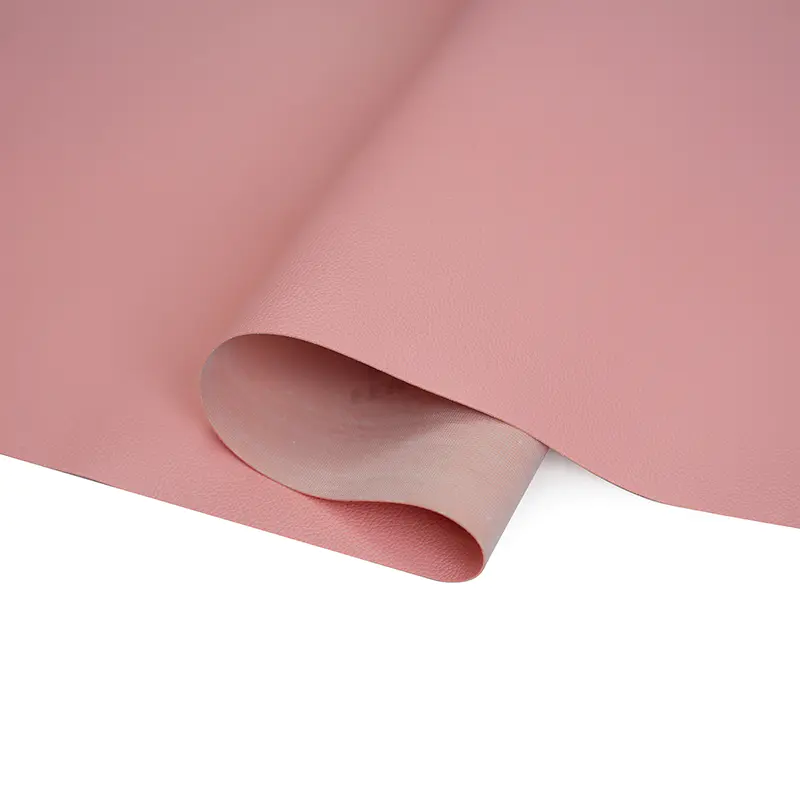
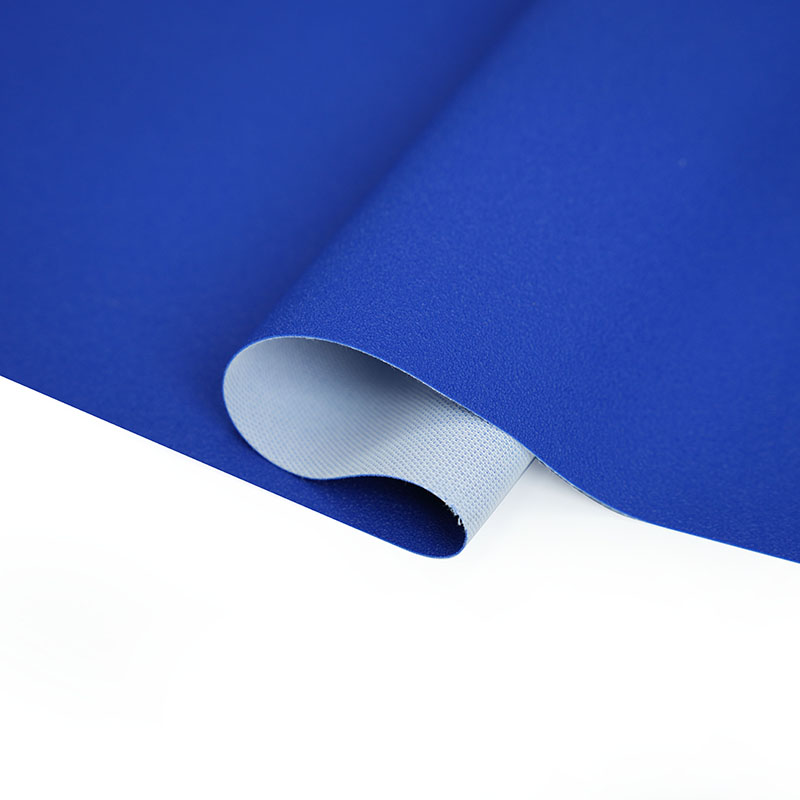
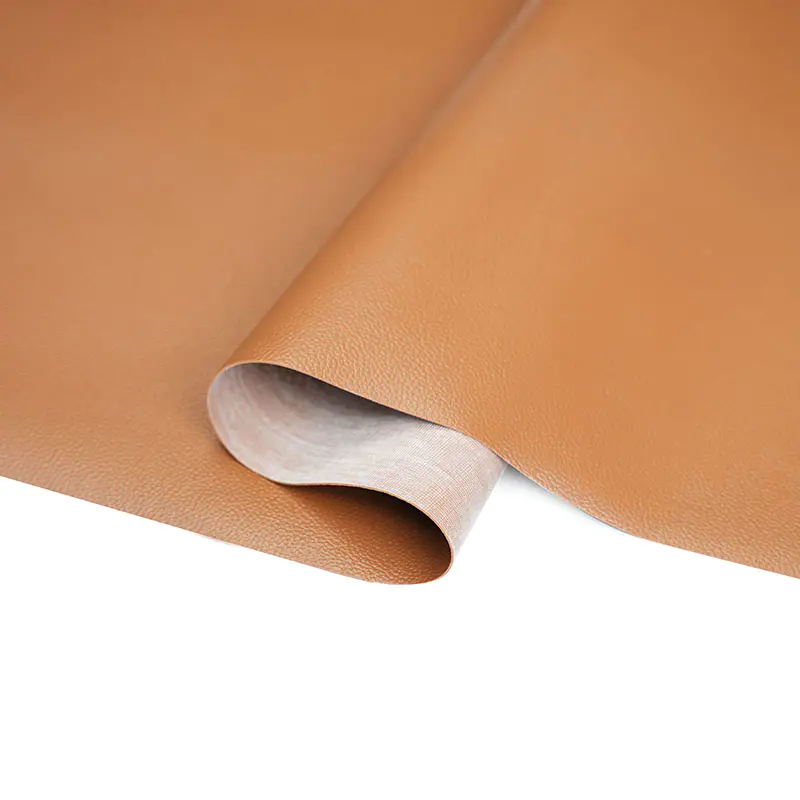
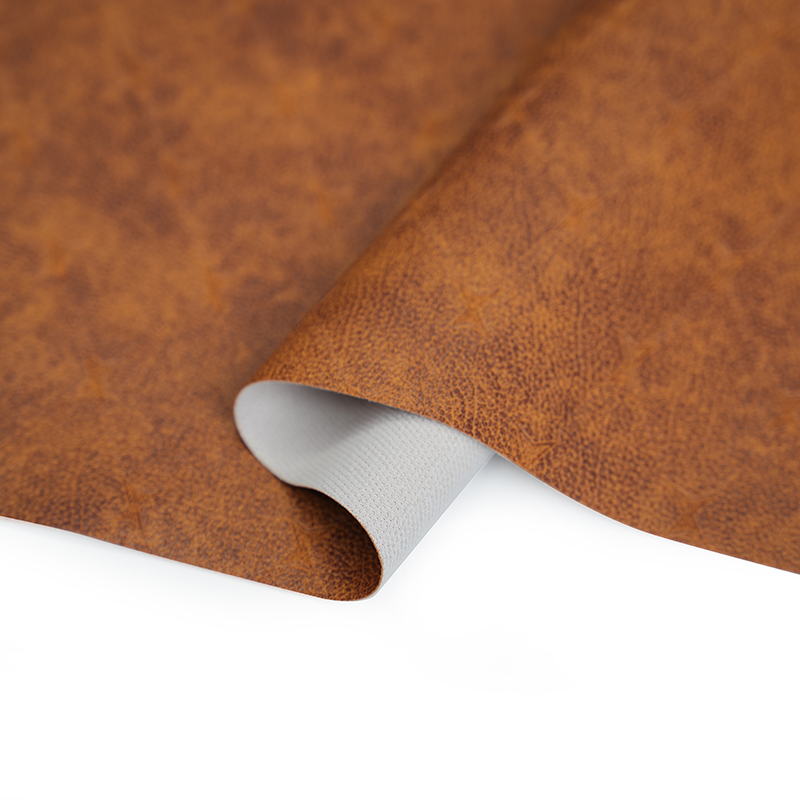
Waterproof PVC leather for sofa features a backing made of knit fabric. This backing provides additional support and stability to the material, enhancing its overall strength and durability. The backing fabric is typically made from high-quality knitted, brushed, non-woven, or French terry materials, each offering different performance characteristics. The knit backing provides flexibility and conformability, making the material easier to work with during upholstery operations. The backing also contributes to the material's dimensional stability, preventing stretching or distortion during use.
The thickness of waterproof PVC leather for sofa is typically 1 millimeter. This thickness is suitable for upholstery applications, providing a balance between flexibility and durability. The 1mm thickness offers adequate durability for residential and commercial furniture applications while remaining flexible enough to conform to complex furniture shapes. The width of the material is 140 centimeters, which is important for determining how much material is needed for a particular project and can help in efficient cutting and utilization.
Waterproof PVC leather for sofa offers a range of performance characteristics that make it an attractive choice for furniture manufacturers. These characteristics include abrasion resistance, anti-mildew properties, elasticity, and waterproofing.
Abrasion resistance is a critical property for upholstery materials, as furniture surfaces are subject to constant friction from daily use. Waterproof PVC leather for sofa provides excellent abrasion resistance, ensuring that the material maintains its appearance and integrity even after prolonged use. This resistance to wear and tear extends the lifespan of upholstered furniture, reducing the need for replacement and enhancing customer satisfaction.
The anti-mildew properties of waterproof PVC leather are a significant advantage, particularly in humid or moisture-prone environments. Unlike genuine leather, which can absorb moisture and support mildew growth, PVC leather resists moisture penetration and inhibits the growth of mold and mildew. This property is particularly valuable for furniture used in coastal areas, basements, or other environments with high humidity levels.
Waterproof PVC leather for sofa offers good elasticity, allowing it to stretch and conform to furniture shapes without tearing or losing its structural integrity. This elasticity simplifies the upholstery process, enabling manufacturers to achieve smooth, wrinkle-free surfaces on complex furniture designs. The elasticity also contributes to the material's comfort, allowing it to flex with the user's movements.
The waterproof property is perhaps the most significant advantage of PVC leather for sofa applications. The material does not absorb liquids, making it resistant to staining from spills and easy to clean. This property is particularly valuable for households with children or pets, as well as for commercial settings such as restaurants, hotels, and healthcare facilities where frequent cleaning is required. The waterproofing also prevents moisture penetration that could lead to damage of the underlying foam or frame.
While both waterproof PVC leather and genuine leather serve as upholstery materials for sofas, their distinct properties result in significant differences in performance, maintenance, and suitability for various applications. The following table provides a direct comparison to guide furniture manufacturers, designers, and sourcing professionals in selecting the appropriate material for their specific needs.
| Feature | Waterproof PVC Leather | Genuine Leather |
|---|---|---|
| Material Composition | Synthetic PVC with fabric backing | Natural animal hide |
| Waterproof | Yes - impermeable to liquids | No - absorbs moisture |
| Abrasion Resistance | High - maintains appearance with use | High - develops patina with age |
| Anti-Mildew | Yes - inhibits mold growth | No - susceptible to mildew |
| Maintenance | Easy - wipe clean with damp cloth | Requires specialized cleaners and conditioners |
| Stain Resistance | Excellent - spills wipe clean | Poor - absorbs liquids, stains easily |
| Cost | Affordable | High - premium material |
| Consistency | Uniform appearance across pieces | Natural variations in grain and color |
| Environmental Impact | Moderate - synthetic material | High - resource intensive |
| Ideal Applications | Residential sofas, commercial furniture, healthcare, hospitality | Premium residential, luxury commercial, high-end automotive |
| Longevity | Good - 5-10 years with proper care | Excellent - 10-20+ years with proper care |
The choice between waterproof PVC leather and genuine leather ultimately depends on the specific requirements of the application. If the primary need is for a durable, easy-to-maintain, water-resistant material at an affordable price point, waterproof PVC leather is the clear choice. For applications where premium appearance, natural texture, and long-term investment are priorities, genuine leather may be preferred. However, for many residential and commercial applications, waterproof PVC leather offers an optimal balance of performance, durability, and cost-effectiveness.
The manufacturing process of waterproof PVC leather for sofa involves several stages that determine the final material properties. Understanding this process is essential for appreciating the quality and performance of the finished product.
The production of waterproof PVC leather begins with the preparation of the PVC compound, which is mixed with plasticizers, stabilizers, and other additives to achieve the desired properties. This compound is then applied to the backing fabric through a process of coating, drying, and curing. The backing fabric provides the structural support and stability for the finished material. Advanced production lines, imported from Germany and Japan, integrate weaving, dyeing, and film sticking processes to ensure high quality and consistency.
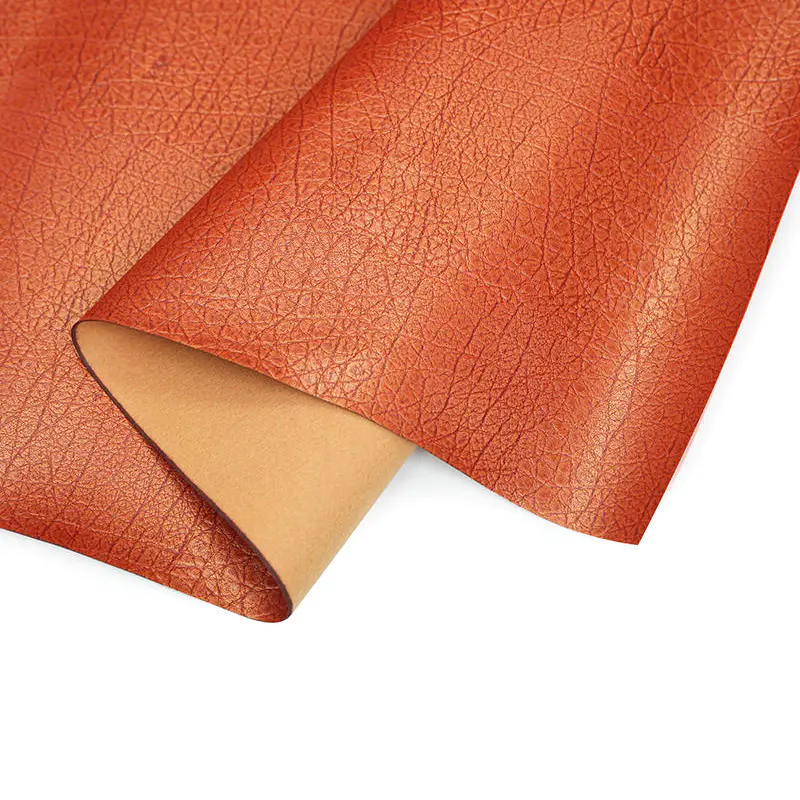
Manufacturers of waterproof PVC leather for sofa offer extensive customization options to meet specific customer requirements. The material can be produced with different hand feels, from soft to hard, according to the customer's preference. A wide range of colors is available, and the toning process can meet specific color requirements with adjustable color depth. The backing fabric can be selected from over 100 styles, including knitted, brushed, non-woven, and French terry options. Physical properties such as elastic, scratch-resistant, waterproof, and eco-friendly characteristics can be adjusted to meet specific performance requirements.
The applications for waterproof PVC leather for sofa are extensive, spanning residential and commercial furniture markets.
In residential furniture, waterproof PVC leather is widely used for sofas, sectionals, and accent chairs. Its durability and ease of cleaning make it an ideal choice for households with children, pets, or frequent entertaining. The material's resistance to stains and spills ensures that furniture maintains its appearance even with daily use. The availability of a wide range of colors and textures allows homeowners to select a style that complements their interior design.
In commercial settings such as restaurants, hotels, healthcare facilities, and offices, waterproof PVC leather is prized for its durability and ease of maintenance. The material's resistance to abrasion, moisture, and stains makes it suitable for high-traffic environments where furniture is subject to frequent use and cleaning. The anti-mildew properties are particularly valuable in healthcare and hospitality settings where hygiene is paramount.
For businesses involved in international trade and manufacturing, sourcing waterproof PVC leather for sofa from a reliable supplier is paramount. Exporters should prioritize suppliers with a proven track record and established credentials, such as those with extensive industry experience, advanced manufacturing facilities, and comprehensive quality control systems.
Key quality parameters to consider when evaluating waterproof PVC leather for sofa include:
Waterproof PVC leather for sofa represents a versatile, durable, and cost-effective upholstery solution for furniture manufacturers worldwide. The combination of moisture resistance, abrasion resistance, and ease of maintenance makes this material an excellent choice for both residential and commercial furniture applications. The ability to customize the material's properties, including hand feel, color, and backing fabric, provides manufacturers with the flexibility to meet diverse market demands.
For furniture manufacturers, designers, and sourcing professionals, understanding the unique advantages and specifications of waterproof PVC leather is essential for informed material selection. By choosing high-quality materials from a reputable supplier, businesses can ensure the durability, appearance, and customer satisfaction of their furniture products. Whether used for residential sofas, commercial seating, or hospitality furniture, this versatile material continues to prove its value in the global furniture manufacturing industry.
The key advantages include excellent waterproofing that resists stains and spills, high abrasion resistance for durability, anti-mildew properties that prevent mold growth, and easy maintenance with simple wipe cleaning. The material is also cost-effective and available in a wide range of colors and textures.
The 1mm thickness provides an optimal balance between flexibility and durability for upholstery applications. It is thick enough to resist wear and tear while remaining flexible enough to conform to complex furniture shapes without cracking or tearing.
Available backing fabric options include knitted, brushed, non-woven, and French terry materials. The choice of backing fabric affects the material's flexibility, strength, and performance characteristics. Manufacturers offer over 100 backing fabric styles to meet specific application requirements.
Yes, waterproof PVC leather offers extensive customization options, including hand feel (soft to hard), color matching with adjustable depth, backing fabric selection from over 100 styles, and adjustable physical properties such as elasticity, scratch resistance, and eco-friendly characteristics.
Waterproof PVC leather is significantly easier to maintain than genuine leather. It can be cleaned with a simple damp cloth and does not require specialized cleaners or conditioners. The material is stain-resistant and does not absorb liquids, making it more practical for households with children, pets, or frequent entertaining.
1. Jiangdong Plastic. (2026). Waterproof PVC Leather for Sofa Product Specifications. Jiangdong Product Catalog.
2. Jiangdong Plastic. (2026). About Jiangyin Jiangdong Plastic Co., Ltd. Company Profile.
3. Jiangdong Plastic. (2026). News: PVC Artificial Leather vs. Genuine Leather for Sofa: A Technical Guide for Furniture Manufacturing. Jiangdong Industry News.
4. American Society for Testing and Materials. (2022). ASTM D4157: Standard Test Method for Abrasion Resistance of Textile Fabrics. ASTM International.
5. International Organization for Standardization. (2022). ISO 105: Textiles - Tests for Color Fastness. ISO Standards.
6. European Committee for Standardization. (2021). EN 13336: Leather - Leather for Upholstery - Characteristics. CEN Standards.
7. International Organization for Standardization. (2023). ISO 9001: Quality Management Systems - Requirements. ISO Standards.
Add: No.285 Shashan Avenue, Zhouzhuang Town, Jiangyin City, Jiangsu Province, China.
Tel: +86-510-86903827
Rachel Wang:
+86-18651025719 (Phone)
[email protected] (Email)
Jessica Qian:
+86-13739165356 (Phone)
[email protected] (Email)
Cathay Xia:
+86-18021569150 (Phone)
[email protected] (Email)
Copyright © Jiangyin Jiangdong Plastic Co., Ltd. All Rights Reserved.Custom PVC Artificial Leather Manufacturers
