
 English
 中文简体
中文简体News
Home / News / Industry News / Printed Artificial Leather: A Comprehensive Technical and Application Analysis

Content
In the dynamic world of fashion, upholstery, and industrial design, the demand for materials that combine aesthetics, performance, and sustainability is ever-increasing. Printed artificial leather has emerged as a frontrunner in this space, offering unparalleled design versatility along with the practical benefits of synthetic materials. This article provides an in-depth technical analysis of printed artificial leather, exploring its composition, manufacturing processes, performance characteristics, and the distinct advantages it offers over other materials.
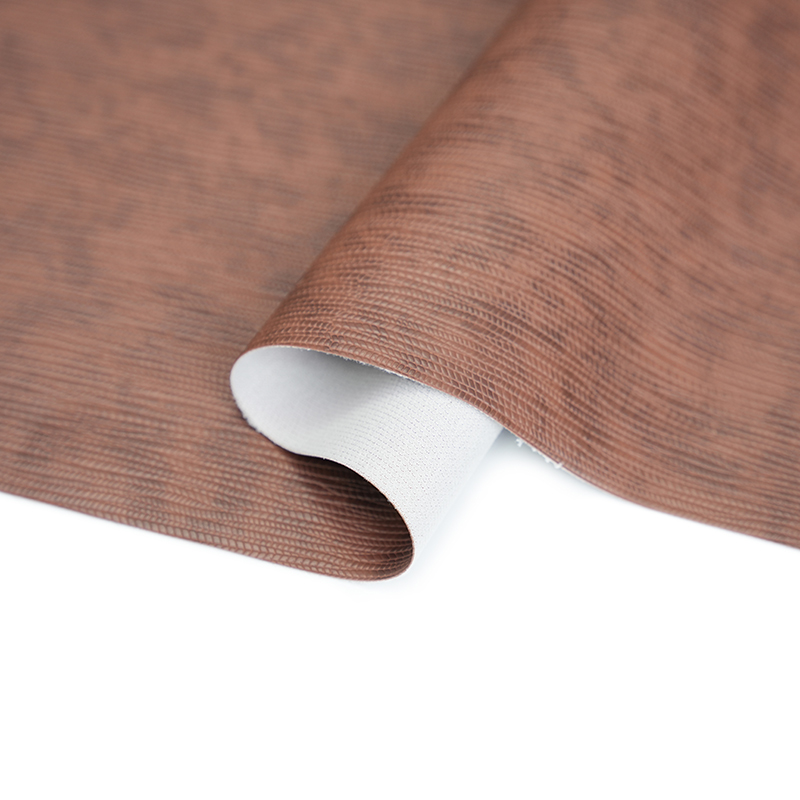
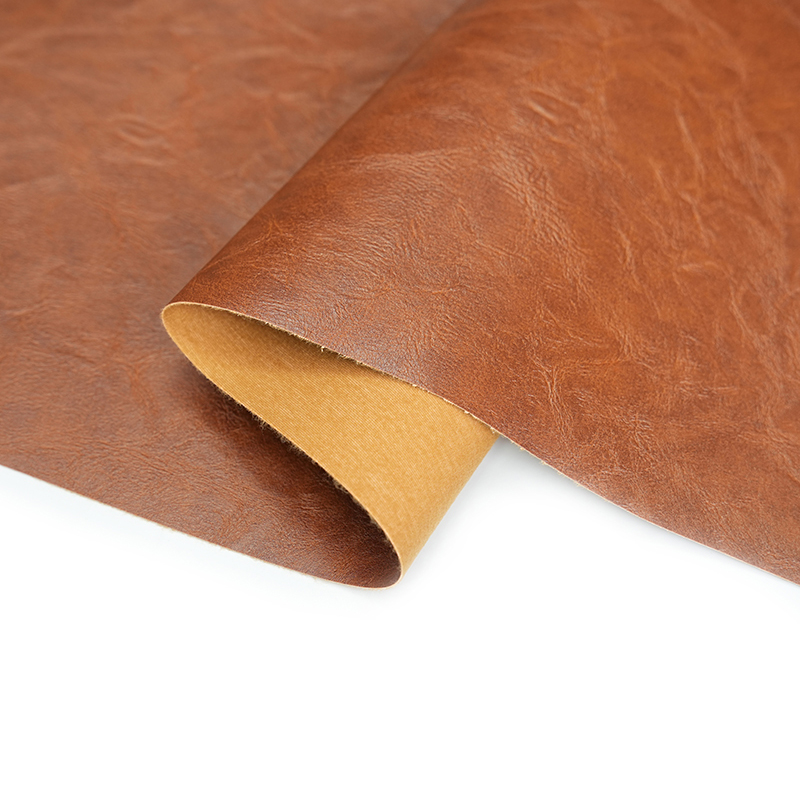
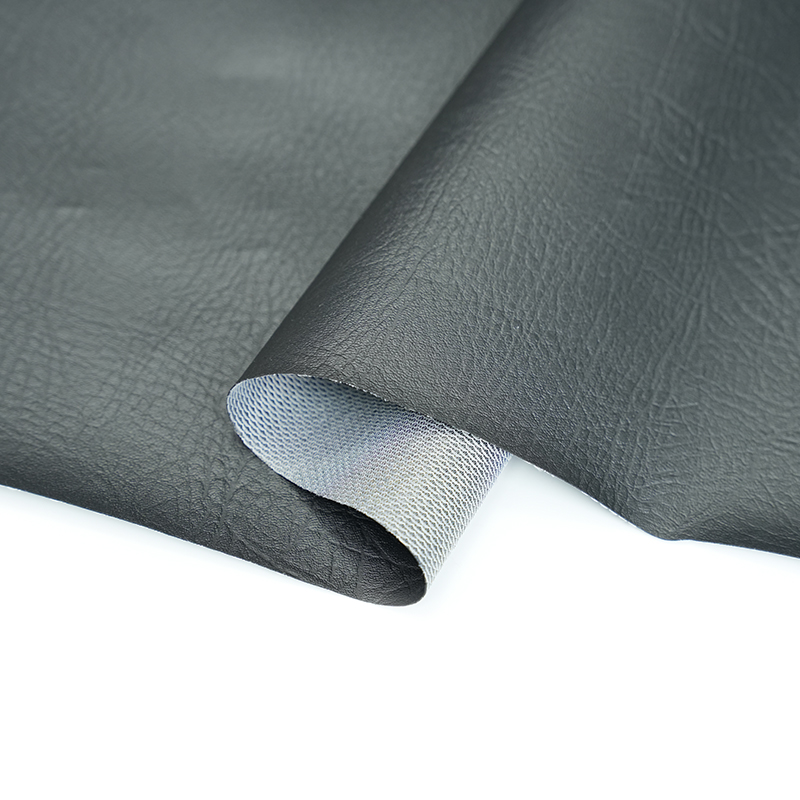
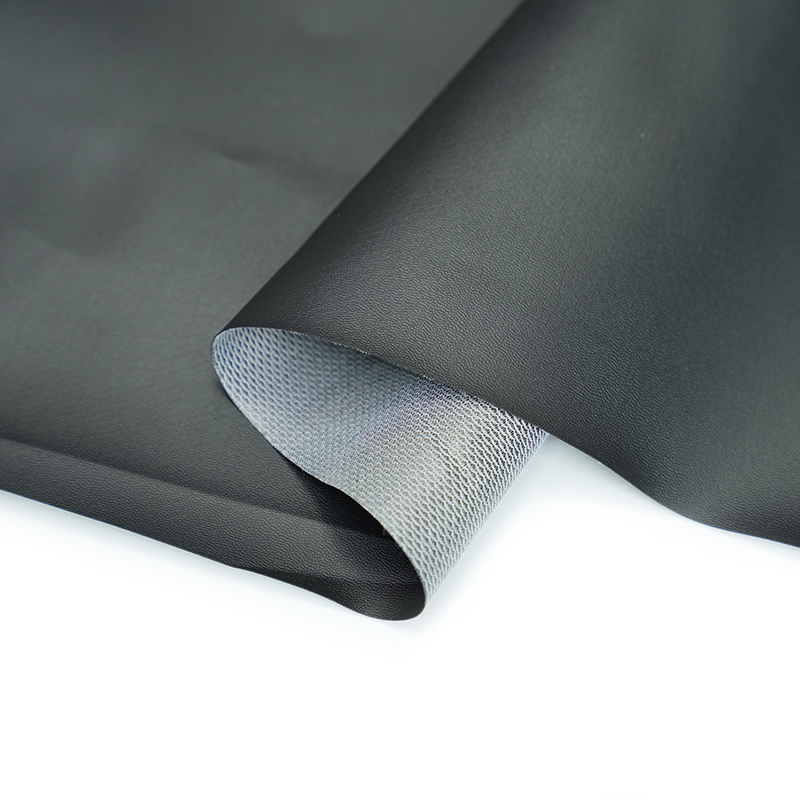
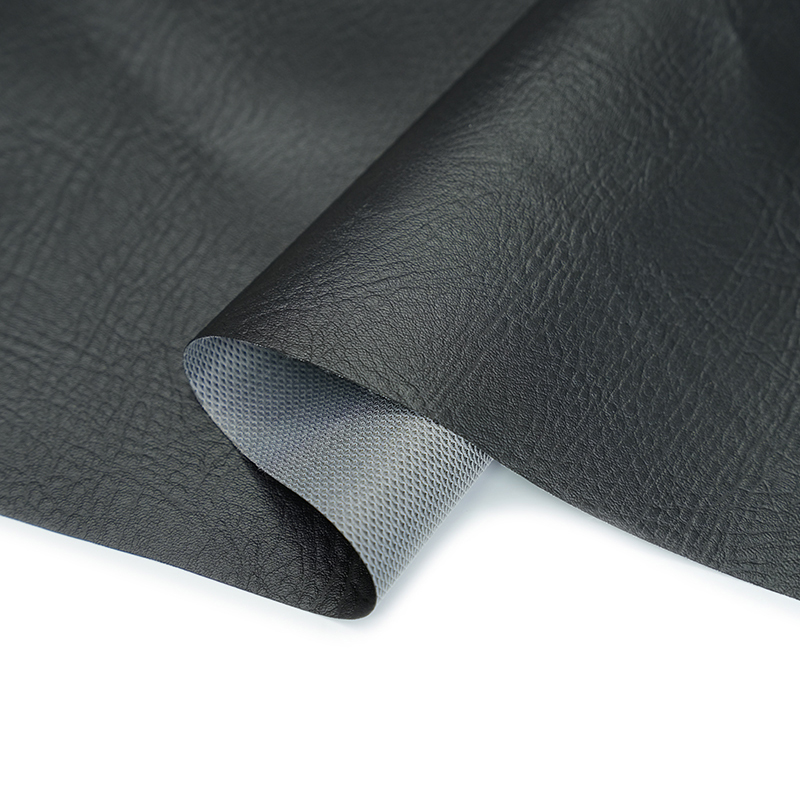
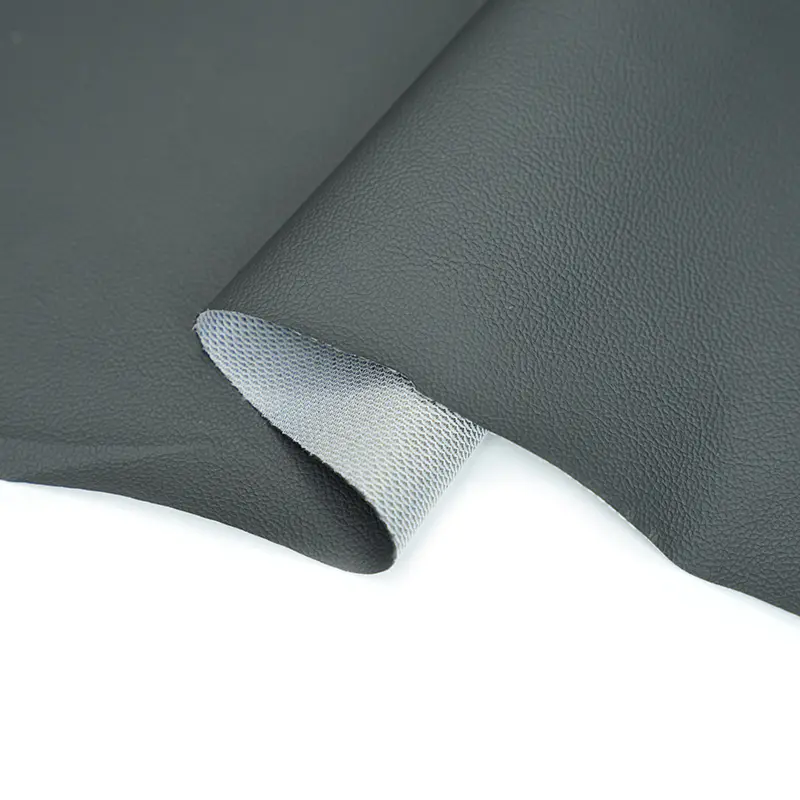
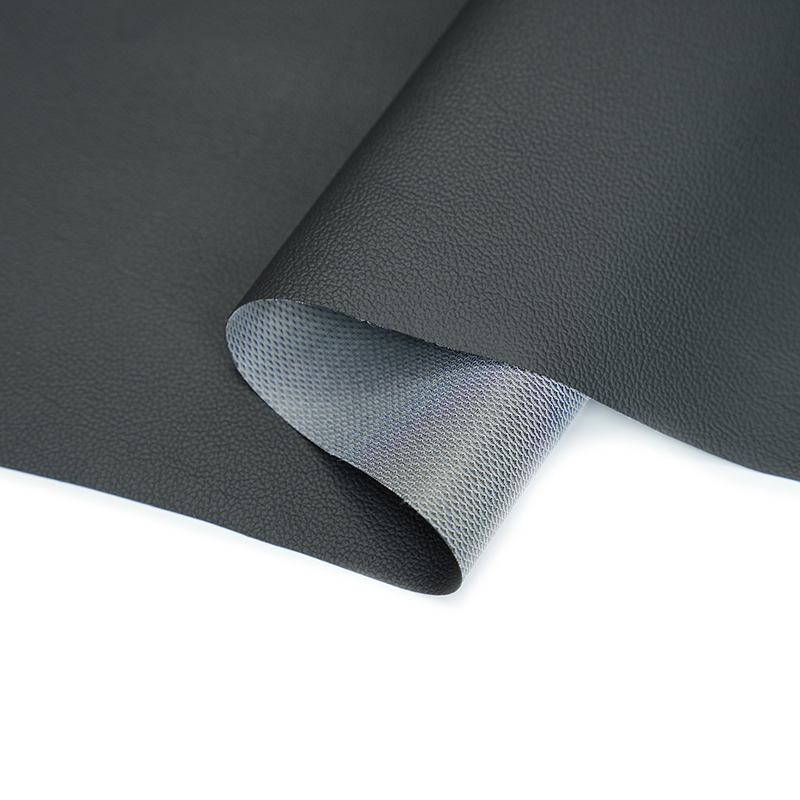
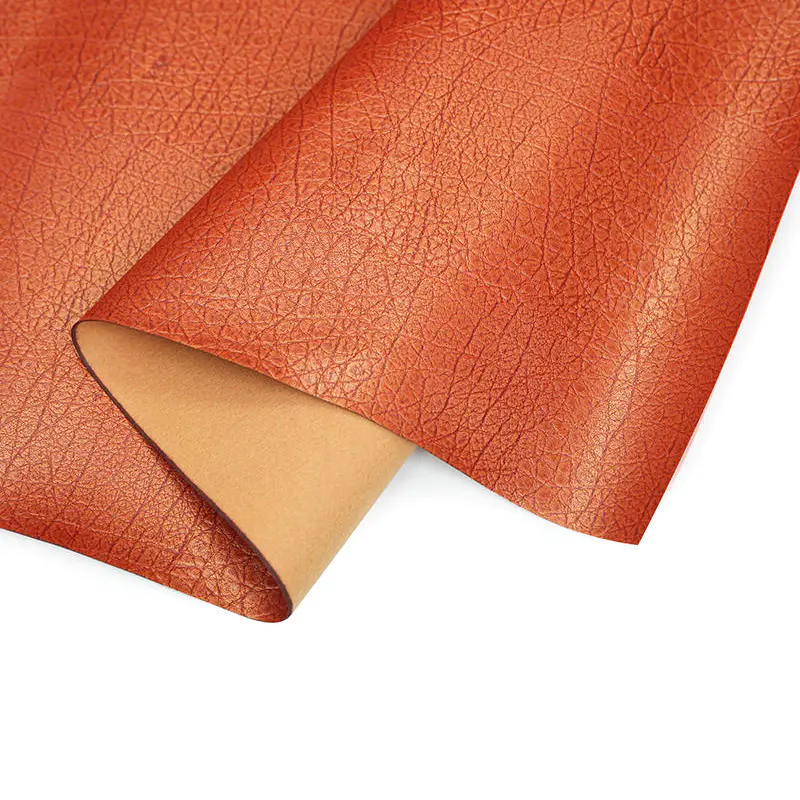
Printed artificial leather, also known as faux leather or synthetic leather, is a man-made material engineered to replicate the look and feel of genuine leather while offering superior customization options. It is typically constructed by bonding a PVC (polyvinyl chloride) or PU (polyurethane) coating to a fabric backing. The surface is then enhanced with intricate designs, patterns, and colors through advanced printing techniques . This process allows for the creation of virtually unlimited design possibilities, from classic textures to modern graphic patterns .
The manufacturing process of printed artificial leather involves several key steps. High-quality PVC or PU resin is mixed with plasticizers, stabilizers, and other additives to achieve the desired flexibility, durability, and appearance. This mixture is applied to the fabric backing through a coating or calendering process, creating a uniform film. Finally, the surface is transformed through printing and embossing techniques, which add both visual and tactile qualities .
The performance of printed artificial leather is defined by its precise technical specifications. The following table outlines the key parameters typically associated with a high-quality product in this category.
| Parameter | Typical Specification | Implication for Use |
|---|---|---|
| Composition | PVC or PU with woven or knitted polyester backing | Provides durability, flexibility, and a leather-like texture suitable for various applications. |
| Thickness | 0.6mm to 1.5mm (Typical: 0.8mm-1.2mm) | Balances comfort and durability. Thicker materials offer enhanced durability for high-traffic applications. |
| Abrasion Resistance | 10,000 to 50,000+ double rubs (Wyzenbeek) | Indicates resistance to wear and tear. Higher ratings ensure longer product lifespan in daily use. |
| Printing Technology | Transfer film printing, gravure printing, digital printing | Enables the creation of diverse patterns, textures, and colors, offering extensive design flexibility. |
| Width | 137cm to 160cm (Typical: 140cm, 150cm) | Standard widths enable efficient cutting and manufacturing of various products. |
| Color Fastness | Grey scale rating of 4-5 (ISO 105-B02) | Ensures that printed colors resist fading from light and washing, maintaining product appearance. |
To fully appreciate the value of printed artificial leather, it is essential to compare it with standard, non-printed artificial leather. This comparison highlights the distinct advantages of printed variants.
| Feature | Printed Artificial Leather | Standard Artificial Leather |
|---|---|---|
| Design Flexibility | Virtually unlimited design possibilities; can replicate complex patterns, textures, and graphics . | Limited to solid colors or basic embossed textures. |
| Customization | Highly customizable; can be produced to specific design requirements, including bespoke patterns and logos . | Limited customization options; typically available in standard finishes. |
| Aesthetic Appeal | Can precisely mimic natural materials like leather, wood, or animal prints, offering a premium look . | Generally has a more uniform, synthetic appearance. |
| Application Versatility | Suitable for fashion, upholstery, accessories, and automotive interiors where unique design is valued . | Commonly used in applications where design is less critical, such as basic upholstery and industrial uses. |
| Cost | Slightly higher due to the printing process; cost-effective relative to genuine leather. | More economical than printed variants due to simpler production. |
The defining feature of printed artificial leather is its design versatility, achieved through advanced printing technologies. These techniques allow manufacturers to create a vast array of patterns, textures, and colors, transforming a functional material into a canvas for creative expression .
These technologies enable printed artificial leather to simulate a wide range of natural materials, including leather, wood grain, and animal patterns, providing a realistic and premium feel. The ability to precisely replicate textures like the wrinkles of leather or the details of animal fur adds a high-end aesthetic to products, making them more attractive and valuable .
The unique combination of properties in printed artificial leather makes it suitable for a wide range of applications across various industries. Its aesthetic appeal, durability, and versatility open doors to diverse use cases.
For detailed product specifications and to explore this material's full potential, you can visit the Printed Artificial Leather product page.
Modern printed artificial leather production has made significant strides in environmental responsibility. Many manufacturers now adhere to strict standards like REACH and CAPROP 65, ensuring that their products are free from harmful substances . The industry has also evolved to include the use of recycled materials in the production process, reducing the carbon footprint and promoting a more circular economy .
While PVC historically faced environmental scrutiny, advancements in production technology have led to more eco-friendly formulations. The development of phthalate-free and low-VOC (Volatile Organic Compounds) PVC, coupled with water-based inks for printing, has further enhanced the material's sustainability profile . This commitment to sustainability makes modern printed artificial leather a more responsible choice for eco-conscious manufacturers and consumers.
Printed artificial leather represents a convergence of design innovation, performance, and sustainability. Its ability to be customized with virtually unlimited patterns and textures, combined with the practical benefits of synthetic materials, makes it a preferred choice for a wide range of industries. As manufacturing processes continue to evolve with a focus on sustainability, printed artificial leather remains at the forefront of modern, responsible design solutions.
The primary difference lies in design versatility. Printed artificial leather is enhanced with patterns, textures, and colors through advanced printing techniques, allowing for limitless creative possibilities. Standard artificial leather is typically available in solid colors or basic embossed textures without the added design layer.
Common techniques include transfer film printing, gravure printing, and digital printing. Transfer film printing is ideal for high-resolution, detailed patterns. Gravure printing is efficient for high-volume production, while digital printing offers the highest flexibility for short-run and customized designs.
Yes, advanced printing technologies allow printed artificial leather to precisely simulate a wide range of natural materials, including leather, wood grain, and various animal patterns. This capability adds a high-end, premium feel to products made with this material.
Modern printed artificial leather can be a sustainable choice. Many manufacturers adhere to strict environmental standards like REACH, use phthalate-free and low-VOC formulations, and incorporate recycled materials in production. These practices reduce the environmental footprint of the material.
Printed artificial leather is used in a wide range of applications, including fashion and apparel (jackets, skirts), footwear (uppers, linings), bags and accessories, upholstery and furniture, and automotive interiors. Its versatility and design flexibility make it suitable for diverse industries.
Add: No.285 Shashan Avenue, Zhouzhuang Town, Jiangyin City, Jiangsu Province, China.
Tel: +86-510-86903827
Rachel Wang:
+86-18651025719 (Phone)
[email protected] (Email)
Jessica Qian:
+86-13739165356 (Phone)
[email protected] (Email)
Cathay Xia:
+86-18021569150 (Phone)
[email protected] (Email)
Copyright © Jiangyin Jiangdong Plastic Co., Ltd. All Rights Reserved.Custom PVC Artificial Leather Manufacturers
