
 English
 中文简体
News
Home / News / Industry News / Waterproof PVC Synthetic Leather for Luggage: Hydrostatic Head vs Stitch Leakage

Content
Luggage brands often treat "waterproof PVC synthetic leather" as a single verdict: if the material is waterproof, the bag will be waterproof. In reality, water enters a suitcase through two different routes. The first is the coated barrier itself, quantified by hydrostatic head. The second is the network of seams created by stitching. A material can pass a laboratory hydrostatic-head test at 10,000 mm and still leak within minutes in steady rain, because every needle hole is a potential channel. This article compares those two failure mechanisms and explains what luggage buyers should actually specify.
For a broader introduction to how this material behaves, see the advantages and limitations of waterproof PVC artificial leather.
Hydrostatic head is the water pressure a fabric can withstand before a defined amount of water passes through. During the test, a sample is clamped horizontally, and a water column or pressure pump raises pressure at a controlled rate. The recorded value is the height of the water column in millimetres. ISO 811 and AATCC 127 are the two standards most often cited for coated fabrics.
For PVC synthetic leather, hydrostatic head is essentially a measure of the continuous PVC barrier: its thickness, uniformity, and the bond between the coating and the base fabric. Because a well-formed PVC layer is non-porous, PVC leather can reach 3,000 to more than 10,000 mm, which is why the material remains the default choice for heavy-duty waterproof luggage panels.
The catch is that hydrostatic-head tests are performed on a flat, flawless sample. There are no folds, no seams, no zippers, and no needle holes. The number describes the material's theoretical ceiling, not the bag's behaviour in the rain.
Every stitch makes a hole. When a needle pierces the PVC coating, it cuts or pushes the polymer aside; the sewing thread partially fills the gap it created, but the thread itself is a wick. Fine filaments inside the thread pull water through the seam by capillary action, and repeated flexing widens the original penetration. Thread tension also creates a slight funnel-shaped stress zone around each hole, which accelerates coating fatigue.
That is why construction matters more than coating once the barrier reaches a reasonable level. The solutions are well established:
The substrate matters too. A PVC leather built on a dense woven base, such as oxford fabric, holds stitches more securely and tears less around needle penetrations, which makes seam sealing more reliable.
Both factors form a chain, and the finished bag is only as strong as its weakest link. The table below compares the two mechanisms.
| Aspect | Coating hydrostatic head | Stitching leakage |
|---|---|---|
| What it measures | Barrier resistance of the PVC layer | Water ingress at seams |
| Typical level | 3,000-10,000+ mm | Often below 500 mm at the seam |
| Failure mode | Pinholes, thin spots, cold crack | Needle holes, thread wicking |
| How to improve | Coating weight, formulation, adhesion | Seam taping, welding, stitch design |
Once hydrostatic head crosses roughly 3,000 mm, the coating is no longer the limiting factor. Spending more on an even higher coating rating produces little measurable benefit in the finished bag; investing in seam treatment produces results customers actually feel. In other words, migrating from 5,000 mm to 12,000 mm on paper changes very little if the seams still leak in light rain.
Sourcing teams should stop quoting a single hydrostatic-head figure and instead specify the complete set of properties that survives conversion into a bag:
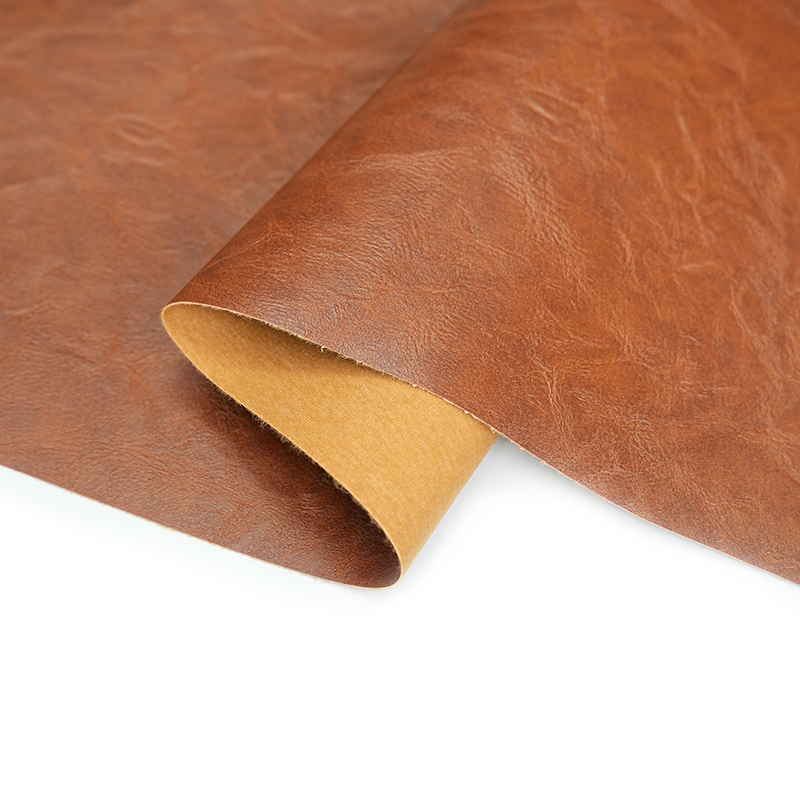
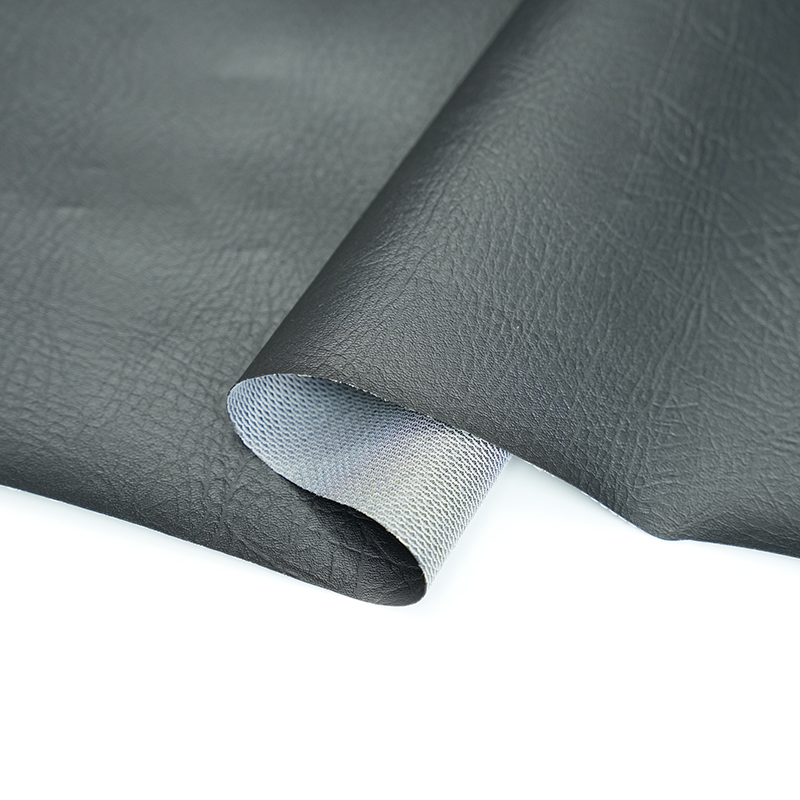
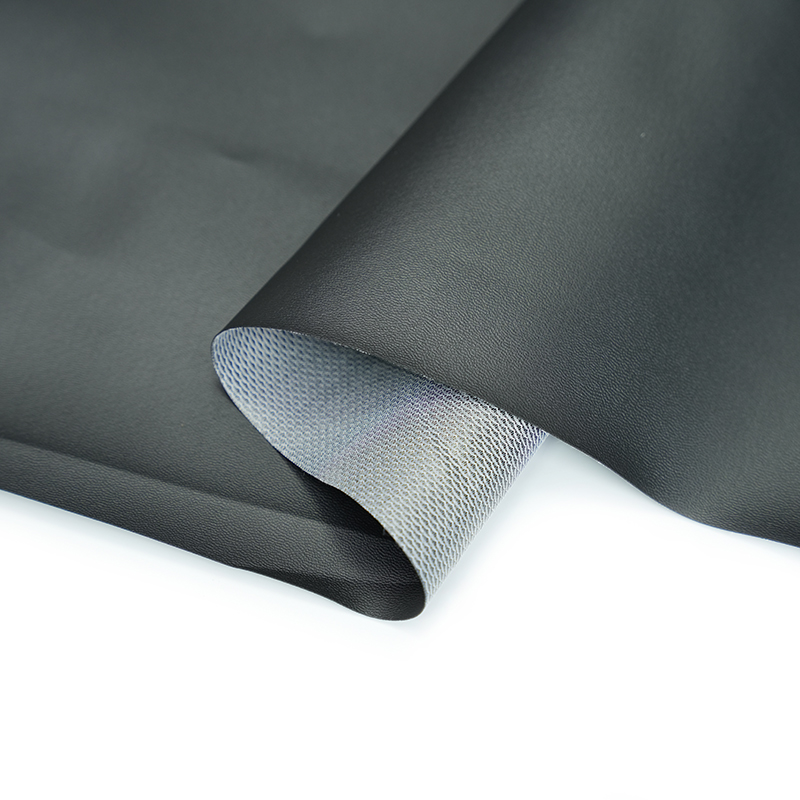
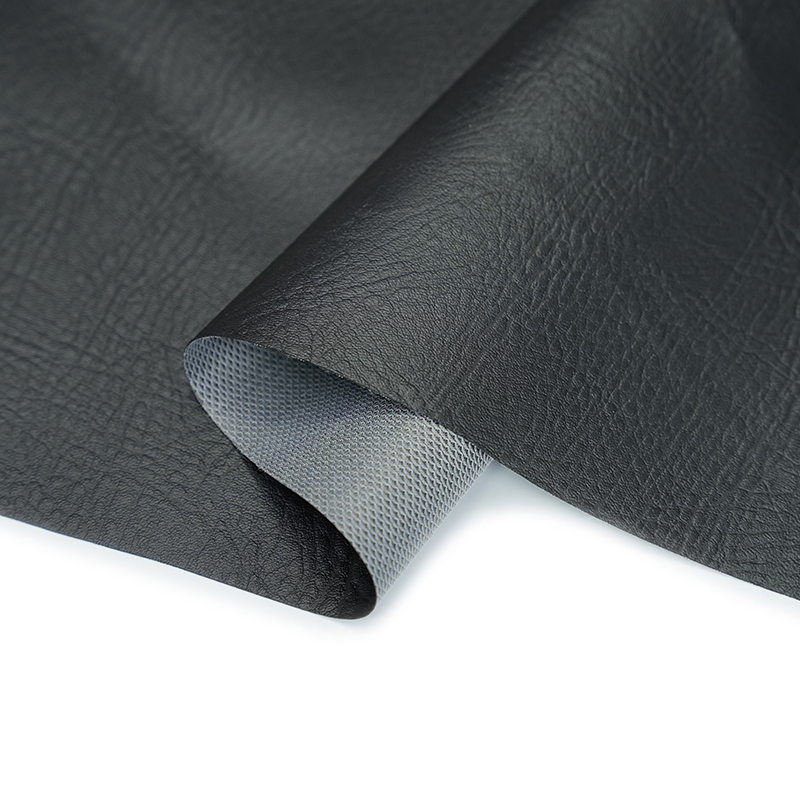
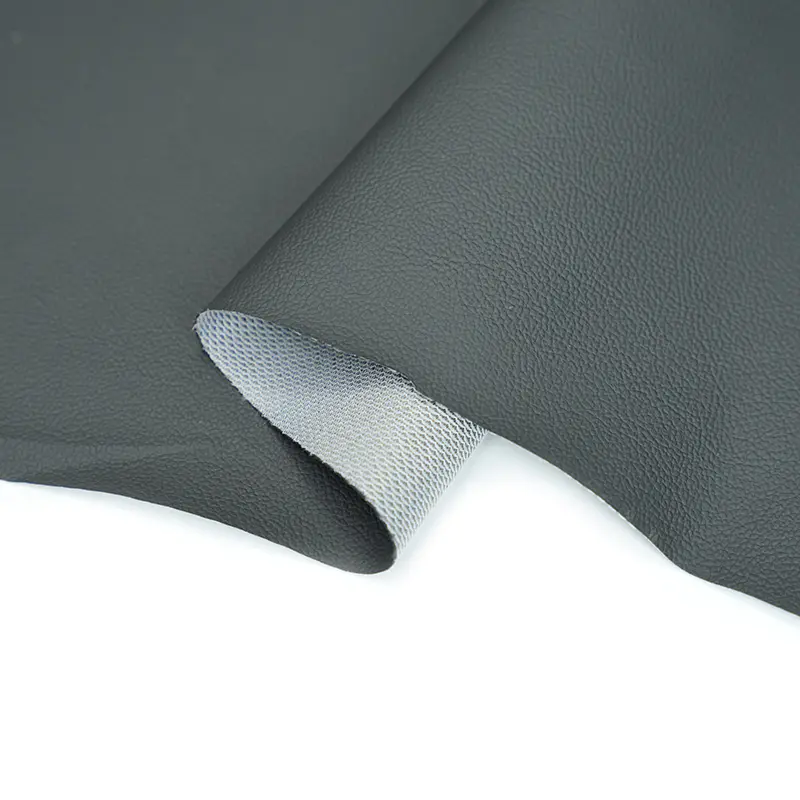
For the main shell, a waterproof luggage-grade PVC synthetic leather combines a continuous barrier with stable gauge, and it is engineered to work with standard cutting, sewing, and seam-sealing processes.
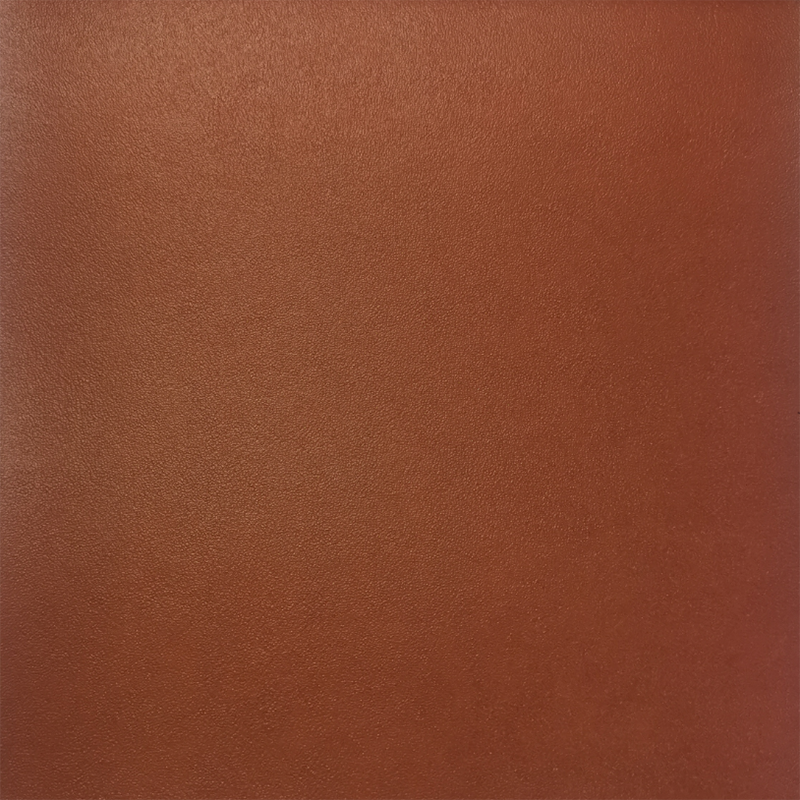 Waterproof Luggage-Grade PVC Synthetic Leather with Brushed BackingThis 0.8 mm PVC synthetic leather offers a continuous waterproof barrier suitable for luggage shells, while the brushed fabric backing adds comfort and durability for bag construction.View Product →
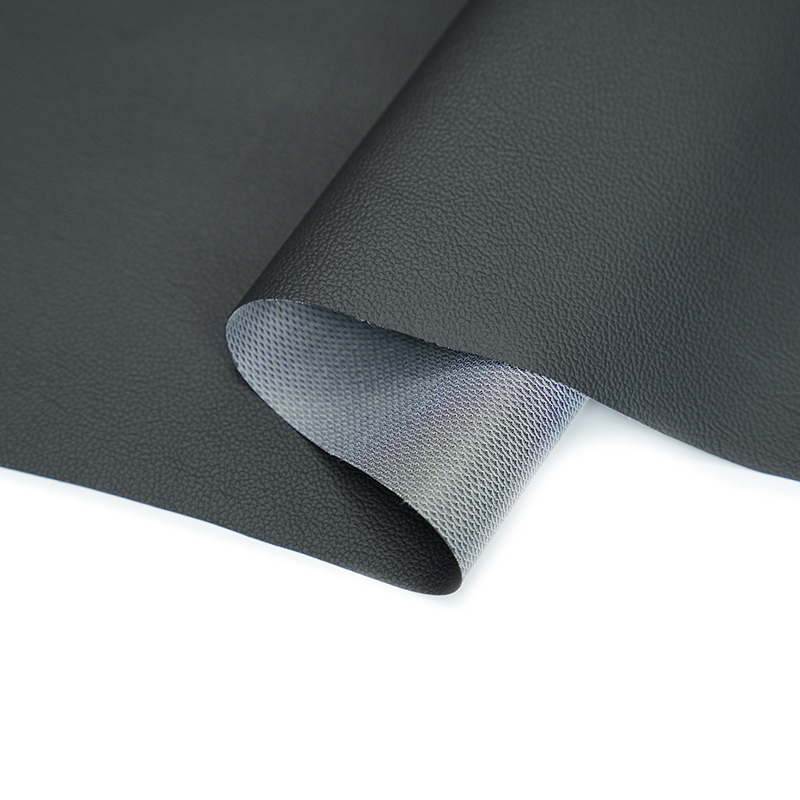
Decorative finishes do not automatically weaken the barrier. A two-tone effect, for instance, is applied as a thin surface layer above the fully formed PVC compound, so the base coating retains its continuity. When appearance and waterproofing are equally important, a two-tone luggage grade can be qualified under the same hydrostatic-head and flex tests as a plain grade.
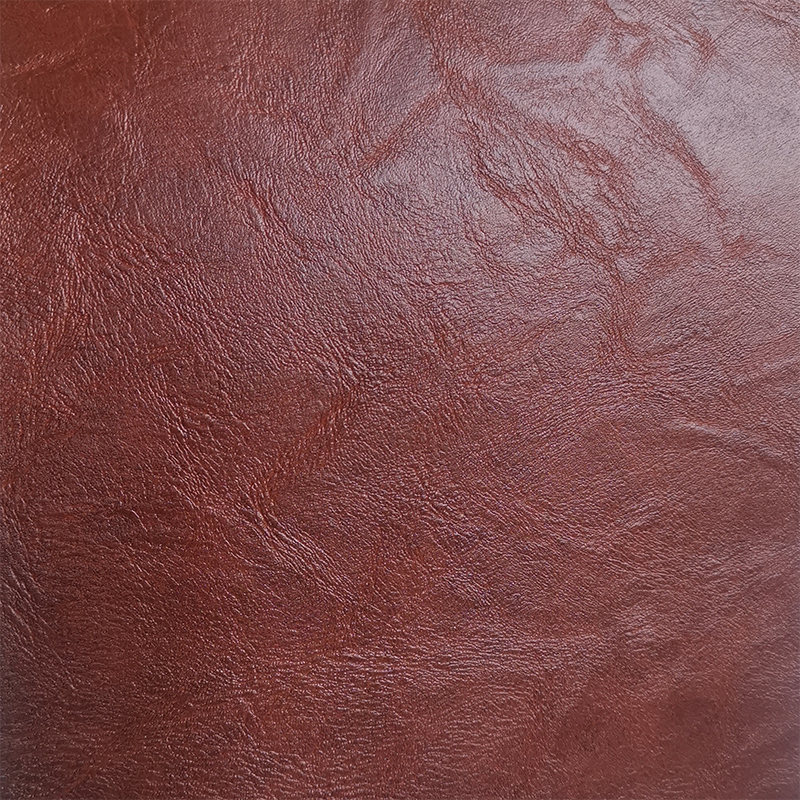 Two-Tone Waterproof PVC Synthetic Leather for Bags and LuggageA two-tone finish preserves the waterproof base layer, providing both visual depth and reliable protection. Ideal when appearance and moisture resistance matter equally.View Product →
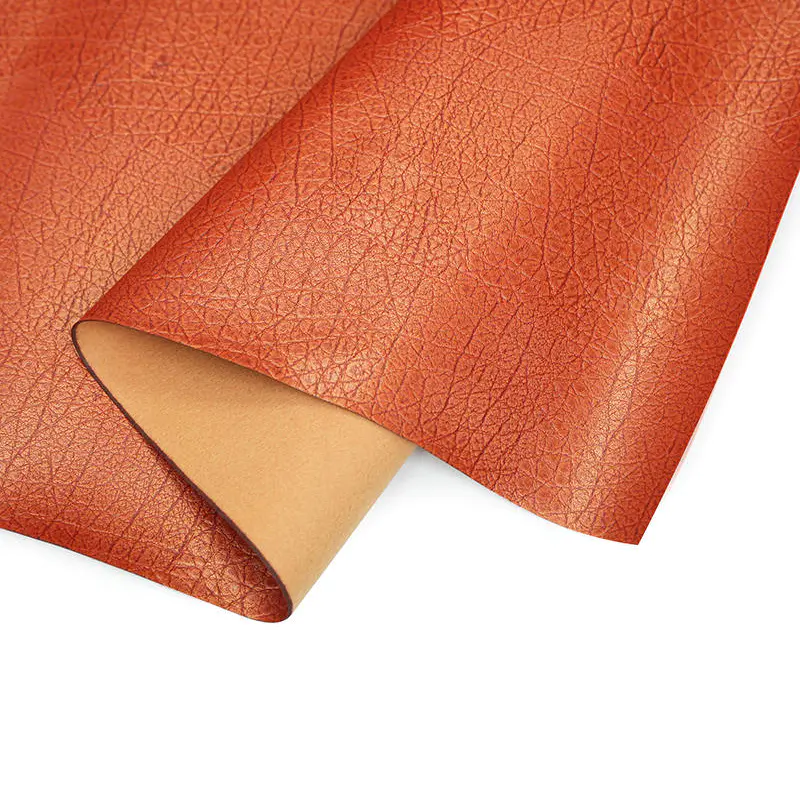
For internal divider panels, pocket fabrics, and reinforcements where a lighter substrate is preferable, a waterproof oxford fabric with PVC coating delivers the same barrier on a dense woven base and holds stitches better than film-based materials.
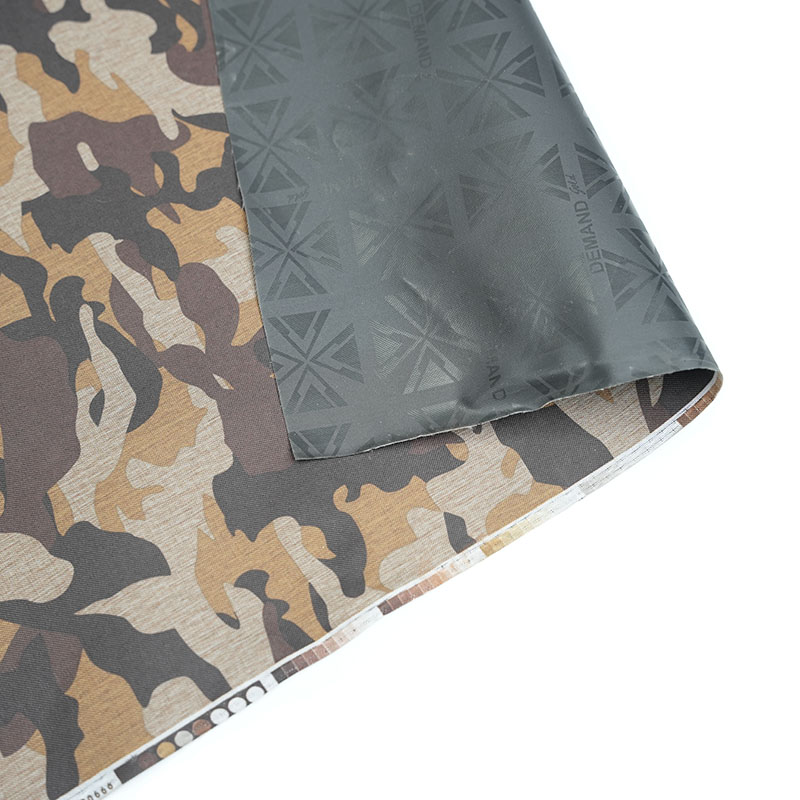 PVC-Coated Waterproof Oxford Fabric for Lining and DividersA 200D oxford fabric with a PVC coating delivers dependable water resistance on a lighter, densely woven base, making it well suited for internal panels and reinforcements.View Product →
Acceptance criteria should be defined at two levels: the roll of material and the finished bag. Material tests guard the barrier; construction tests guard the seams.
| Level | Test | Suggested acceptance |
|---|---|---|
| Material | Hydrostatic head (ISO 811) | At least 3,000 mm for travel luggage; above 5,000 mm for wet-weather product lines |
| Material | Coating adhesion (peel) | Confirm the supplier's typical value and require batch consistency |
| Material | Flex endurance (ISO 7854) | 100,000 flexes without visible coating cracks |
| Construction | Finished-bag rain test | No interior water ingress after 30-60 minutes of simulated rain |
| Construction | Seam-submersion test | No leakage from sealed seams after submersion at a defined depth and duration |
Define the test on a fully assembled prototype with zippers closed and corners reinforced. If the prototype passes, keep the same seam tape, welding settings, thread, and stitch density locked for production. Small changes in seam construction often do more harm to waterproof performance than minor batch variations in the coating.
No. Hydrostatic head only measures the flat barrier. Stitching, zippers, and corners create paths that can leak at much lower pressures. The bag must be built to protect those points.
For general travel luggage, 3,000 mm is a practical minimum. For product lines positioned as wet-weather gear, 5,000 mm or higher, combined with sealed seams, gives a more realistic safety margin.
Stitching creates needle holes that the thread cannot fully seal, and the thread wicks water by capillary action. The coating itself remains intact; the water simply bypasses it through the seam channel.
Combine seam taping or RF welding with low-wick thread and controlled stitch density. For critical panels, welded construction removes needle holes entirely. Test the finished seam, not only the material.
When the decorative layer is applied above a fully formed PVC barrier, the base coating remains continuous, and hydrostatic head is retained. The decisive factor is still the seam construction in the finished bag.
Waterproof PVC synthetic leather is an excellent barrier material, but a barrier is not a bag. Coating hydrostatic head and stitching leakage are different failure paths, and only a specification that addresses both will reduce customer complaints. Buyers who understand this distinction can negotiate better materials, better seam construction, and realistic test criteria from the start. More context on material selection and seam behaviour is available in our guide to the rise of PVC artificial leather in bag manufacturing. The practical takeaway is simple: set the coating rating, then prove the seam.
Add: No.285 Shashan Avenue, Zhouzhuang Town, Jiangyin City, Jiangsu Province, China.
Tel: +86-510-86903827
Rachel Wang:
+86-18651025719 (Phone)
[email protected] (Email)
Jessica Qian:
+86-13739165356 (Phone)
[email protected] (Email)
Cathay Xia:
+86-18021569150 (Phone)
[email protected] (Email)
Copyright © Jiangyin Jiangdong Plastic Co., Ltd. All Rights Reserved.Custom PVC Artificial Leather Manufacturers
