
 English
 中文简体
News
Home / News / Industry News / Why PVC Artificial Leather Is Preferred Over PU for Fast-Fashion Shoe Insoles

Content
Fast fashion does not tolerate slow materials. Styles change within weeks, and every component of a shoe must keep pace with compressed development cycles, tight margins, and unforgiving quality checks. The insole often decides how a shoe feels on the first try-on, yet it rarely receives the attention it deserves. For fast-fashion shoe insoles, PVC artificial leather has become the preferred face material because it can handle the speed, cost, and performance demands that PU counterparts struggle to meet.
The brief for a fast-fashion insole lining is simple to state and difficult to deliver:
PU artificial leather has strengths in softness and drape, but softness is not a priority for an insole lining. What matters is structure, resistance, and repeatability. PVC artificial leather delivers those properties at a price point that fits the fast-fashion business model.
Placing the two materials next to each other explains why PVC leads in insole applications:
| Property | PVC Artificial Leather | PU Artificial Leather |
| Relative material cost | Lower | Higher |
| Abrasion resistance | Excellent | Good but softer |
| Water resistance | Excellent | Moderate, hydrolyzes over time |
| Dimensional stability | High, minimal stretch | Prone to stretch |
| Embossing definition | Sharp, durable | Soft, less crisp |
| Print adhesion | Strong with coating | Good, higher prep cost |
| Typical thickness | 0.3 mm to 4 mm plus | 0.3 mm to 3 mm |
The pattern is consistent: PVC equals or beats PU on every property that matters for a fast-fashion insole, and it costs less. The two materials are not interchangeable. PU remains attractive for soft uppers and linings where drape matters; PVC wins where the material must hold its shape and surface under pressure.
In fast fashion, the material decision is largely a cost decision. PVC resin and plasticizer systems are cheaper than the polyurethane raw materials used in PU leather. When a factory purchases millions of meters of insole material per season, that difference flows directly into profit margins.
Processing efficiency compounds the raw-material advantage. Artificial leather has earned a permanent place in the shoe industry precisely because it supports fast lamination, clean die-cutting, and predictable waste control. PVC artificial leather is the strongest expression of that advantage inside the insole category.
Since 1999Continuous PVC leather development and production
35,000 square metersIntegrated production area for weaving and coating
260+Employees supporting stable footwear-factory supply
For seasonal orders, supplier stability matters as much as material price. A producer that controls weaving, coating, and surface finishing in one facility can keep quality consistent across large batches, which is why integrated PVC leather plants become preferred partners for fast-fashion footwear brands.
An insole lining takes repeated compression, flexing, and rubbing from the footbed. PU leather's softness feels pleasant on the hand, but inside a shoe it tends to stretch, crease, and lose surface finish. PVC artificial leather holds its shape because the PVC layer is formulated with a stiffness-to-flex balance: firm enough to resist deformation, yet flexible enough to follow the insole curve without cracking.
Moisture is the hidden enemy of PU. When exposed to heat and humidity for months, polyurethane undergoes hydrolysis, and the material's internal structure gradually breaks down, causing surface peeling and delamination. PVC artificial leather does not suffer from hydrolysis. It stays intact in humid tropical markets, rainy seasons, and high-perspiration wear, which is why footwear brands repeatedly choose PVC for insoles that must stay presentable for the life of the shoe.
Dimensional stability also matters during lasting and assembly. PVC leather does not stretch or shift when glued and molded, reducing misaligned insoles and rework on the production line.
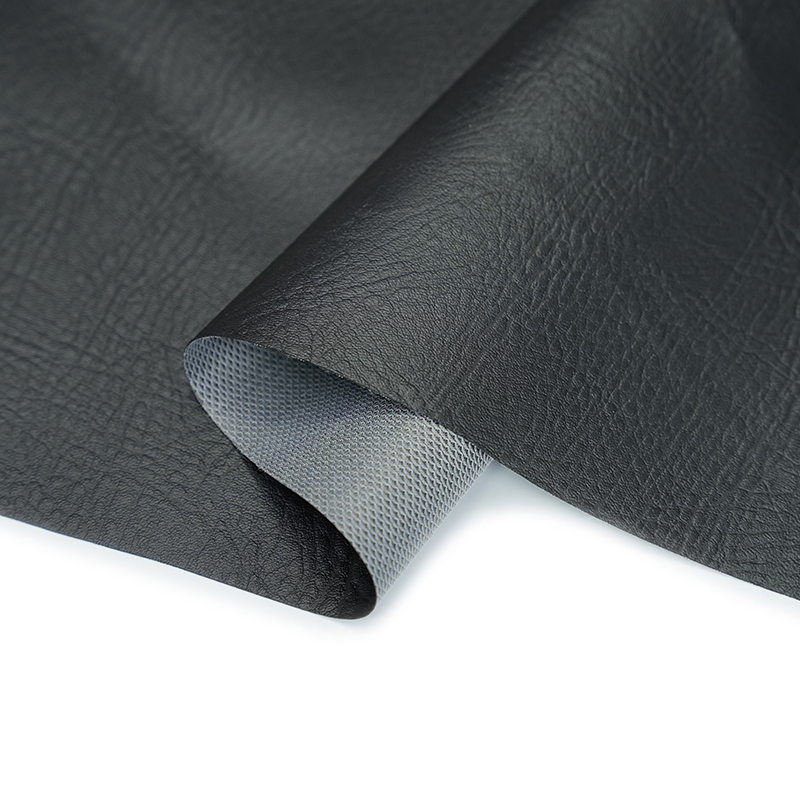
 Two-Tone PVC Synthetic Leather with Velvet Backing for InsolesThis 2mm PVC insole leather offers a velvet backing for comfort and a 140cm width for seamless cutting. Its dimensional stability suits lasting and assembly, while anti-slip and waterproof properties meet practical performance needs.View Product →
Two performance attributes separate insole leather from ordinary decorative material: anti-slip behavior and waterproofing.
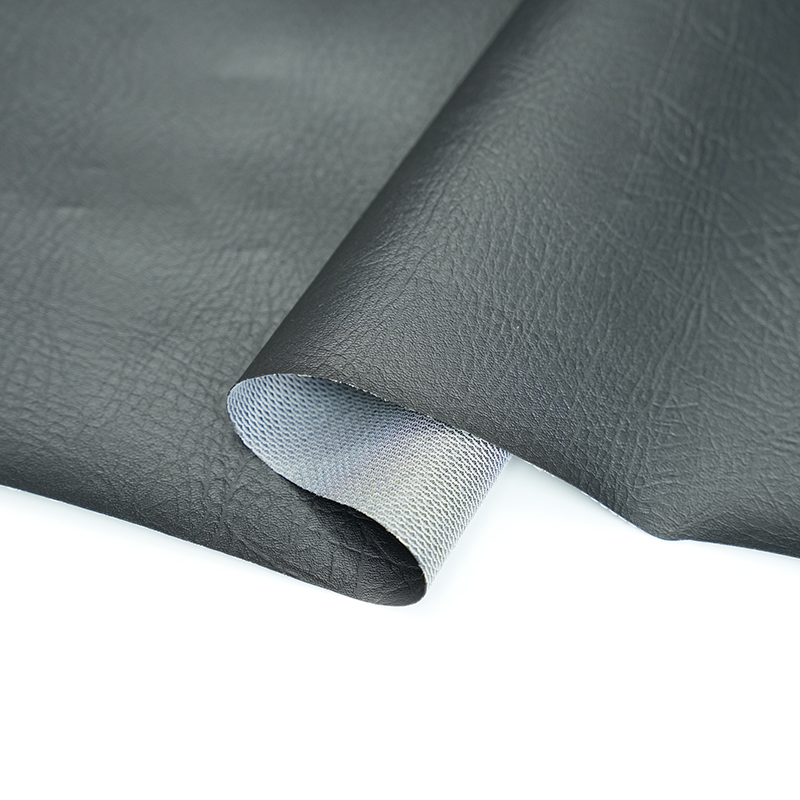
Anti-slip: The insole must keep the foot from sliding forward, especially in sneakers, sandals, and work boots. PVC surfaces accept anti-slip additives and micro-embossed gripping textures during production, creating a stable contact zone. A dedicated anti-slip insole leather can be produced with a matte, high-friction finish that still wipes clean, an ideal combination for fast-fashion footwear.
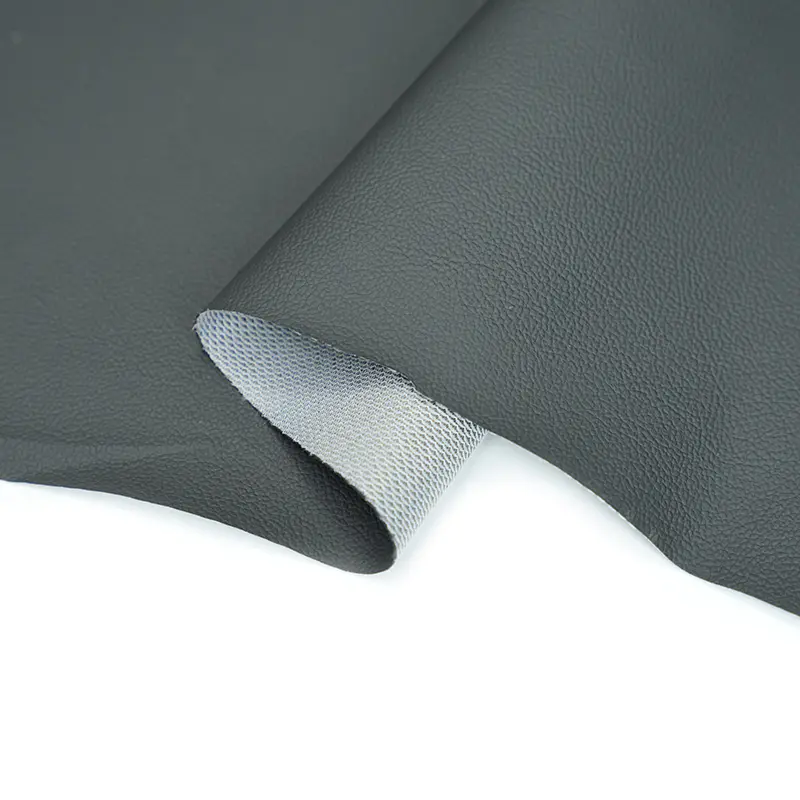
 Anti-Slip PVC Faux Leather with Knitted Backing for InsolesEngineered with a high-friction PVC surface and knitted fabric backing, this material keeps feet stable in sneakers, sandals, and work boots. It resists moisture and wear, making it a practical choice for fast-fashion footwear production.View Product →
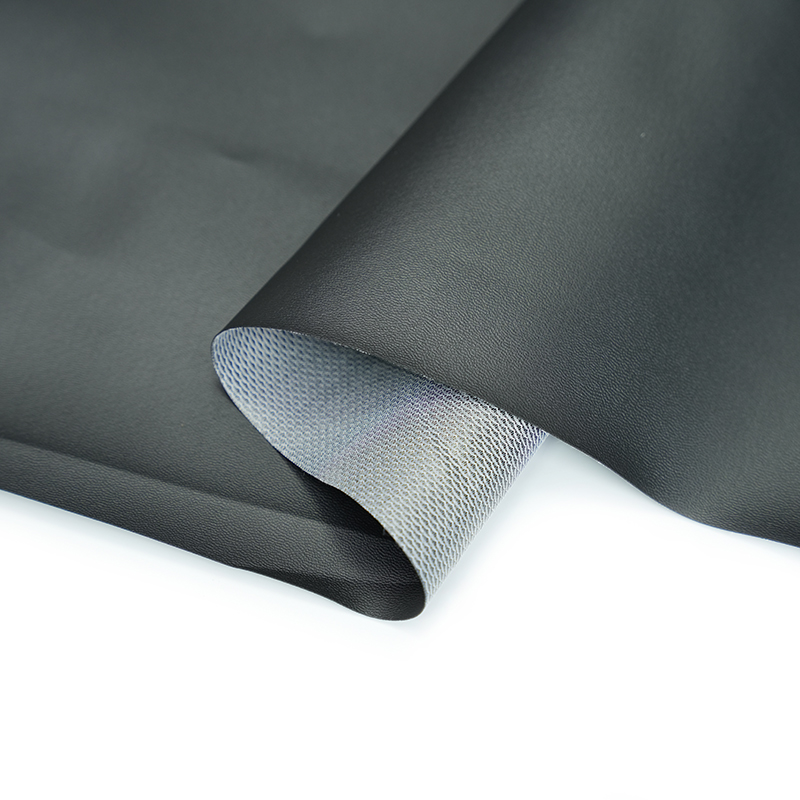
Waterproof: Perspiration and moisture should not soak into the lining and break it down. PVC artificial leather is inherently waterproof because the PVC layer forms a continuous, closed surface. The same property simplifies in-plant cleaning of insole panels and gives wearers a surface that dries quickly with a wipe. Waterproof PVC insole leather is especially valuable in rain boots, canvas shoes, and athletic lines sold in humid regions.
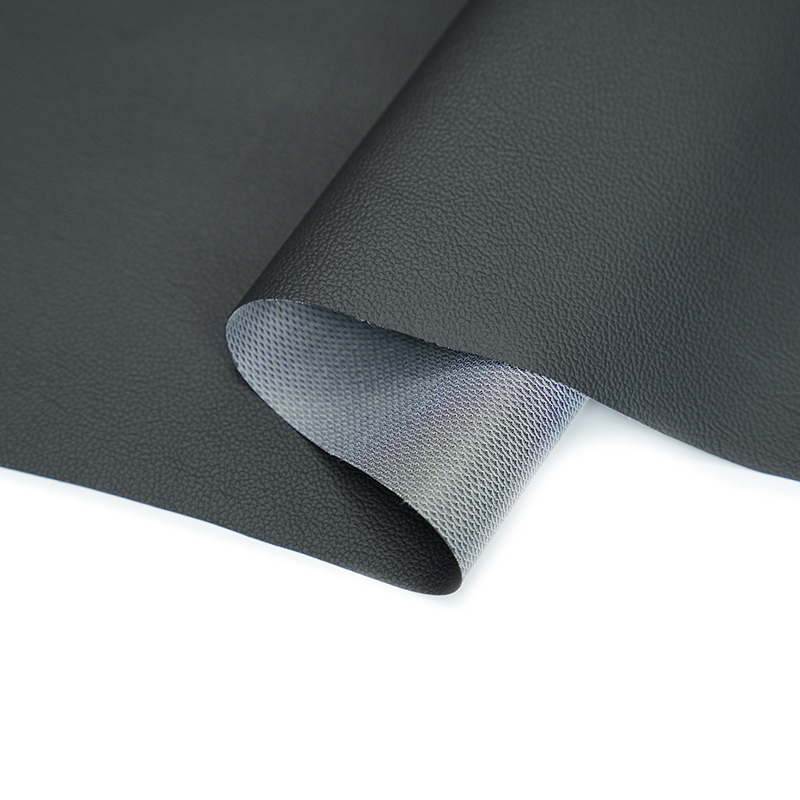
 Waterproof Synthetic Leather with Knitted Backing for InsolesA 0.6mm PVC insole leather with knitted fabric backing, designed to resist water penetration and dry quickly. Its slim profile keeps insoles pliable, while the waterproof surface suits rain boots, canvas shoes, and athletic lines in humid regions.View Product →
Fast fashion lives on novelty. A material that cannot change its face quickly becomes a liability. PVC artificial leather offers exceptional design flexibility, which is why shoe factories use it not only for hidden linings but also for visible insoles and footbeds that customers see during try-on.
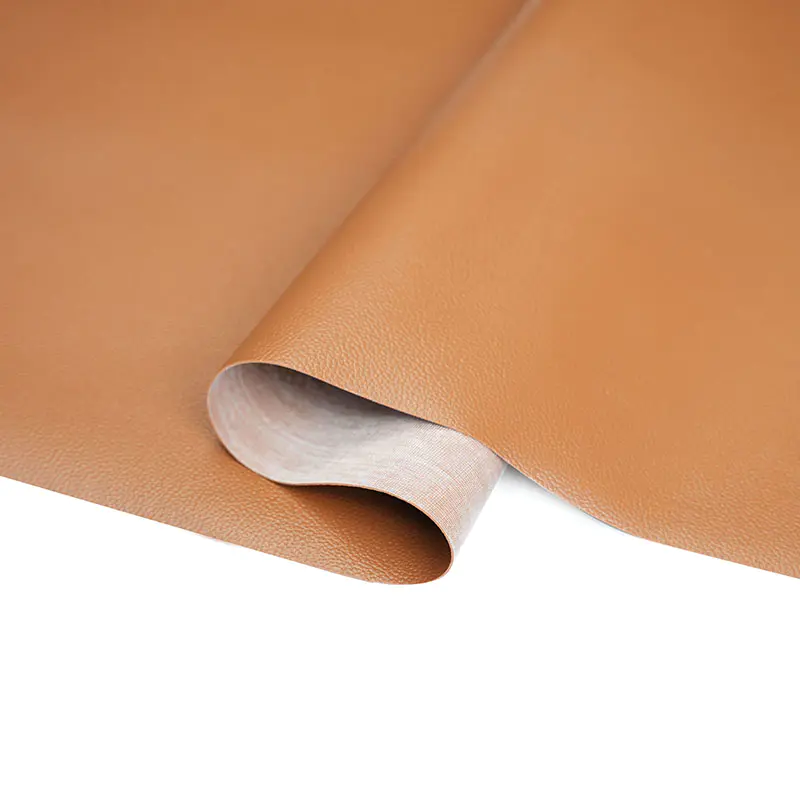
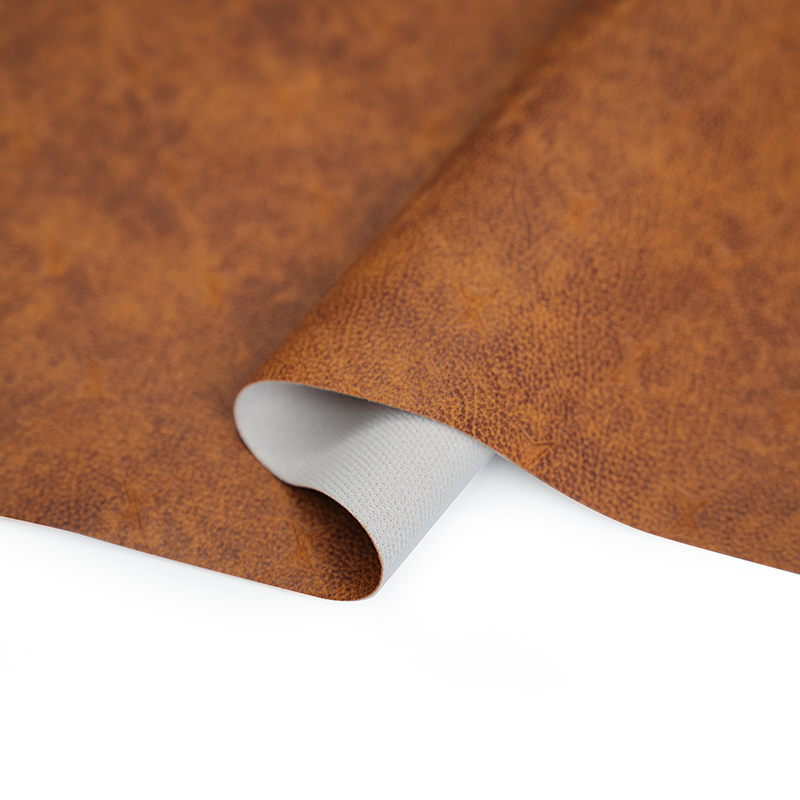
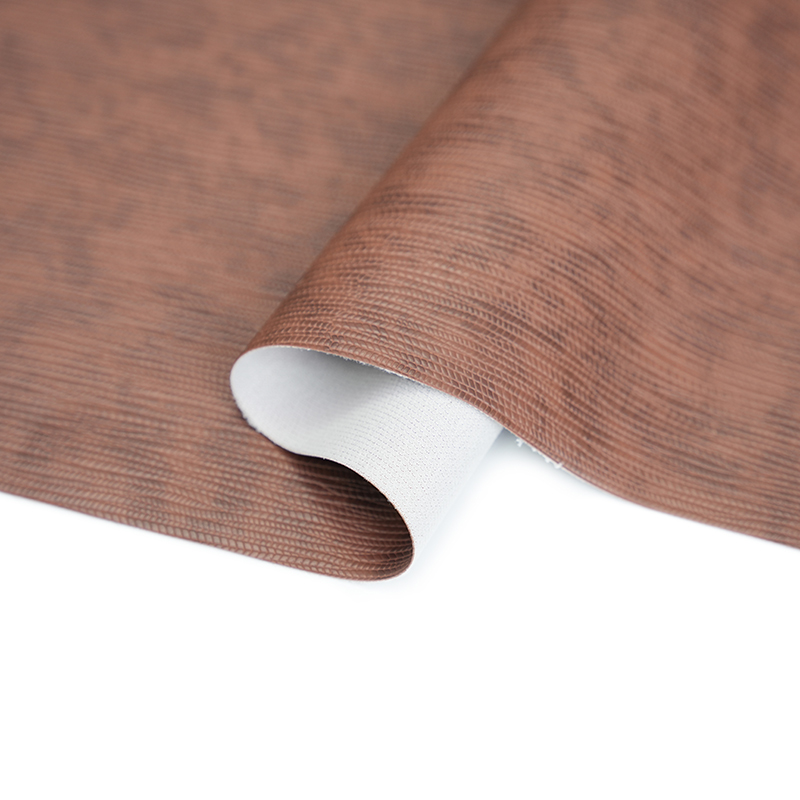
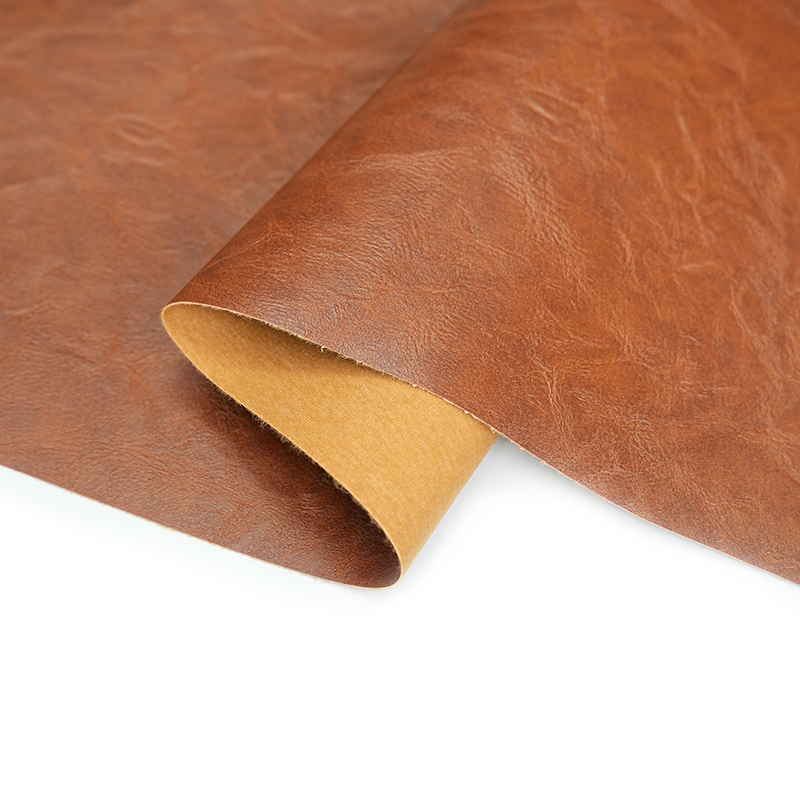
The PVC surface takes deep embossing with crisp, long-lasting pattern definition: natural grain, toothpick texture, geometric lines, woven looks, and brand-specific motifs. It also accepts direct printing, from leopard and snake patterns to abstract 3D effects. Because presses and print lines cycle quickly, factories can move from one batch design to the next without long cleanup or conditioning delays. This ease of switching gives printed artificial leather its position in the custom shoe market, where small batches and rapid style rotation are the norm.
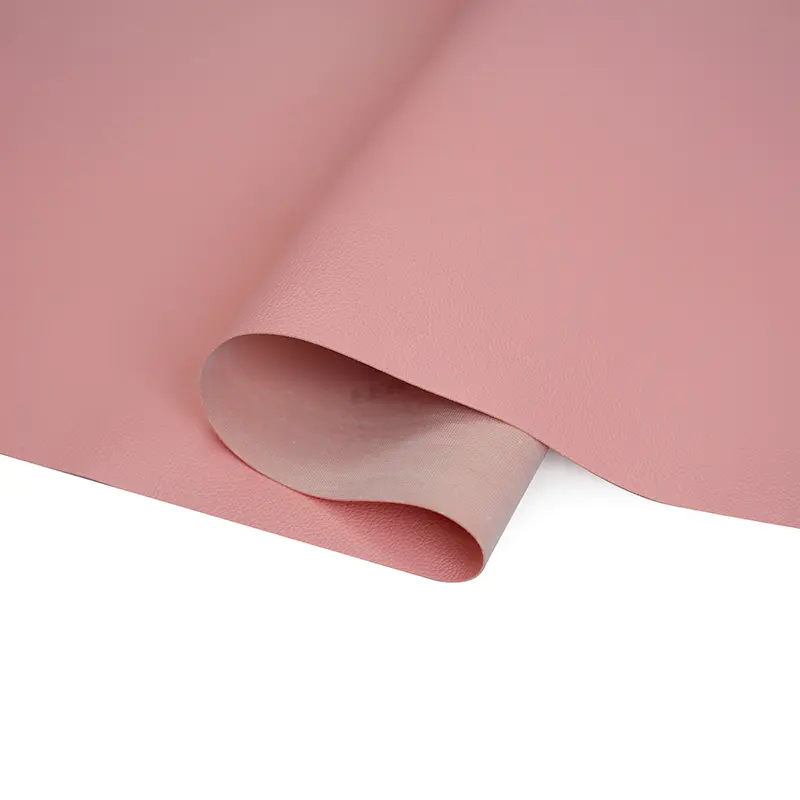
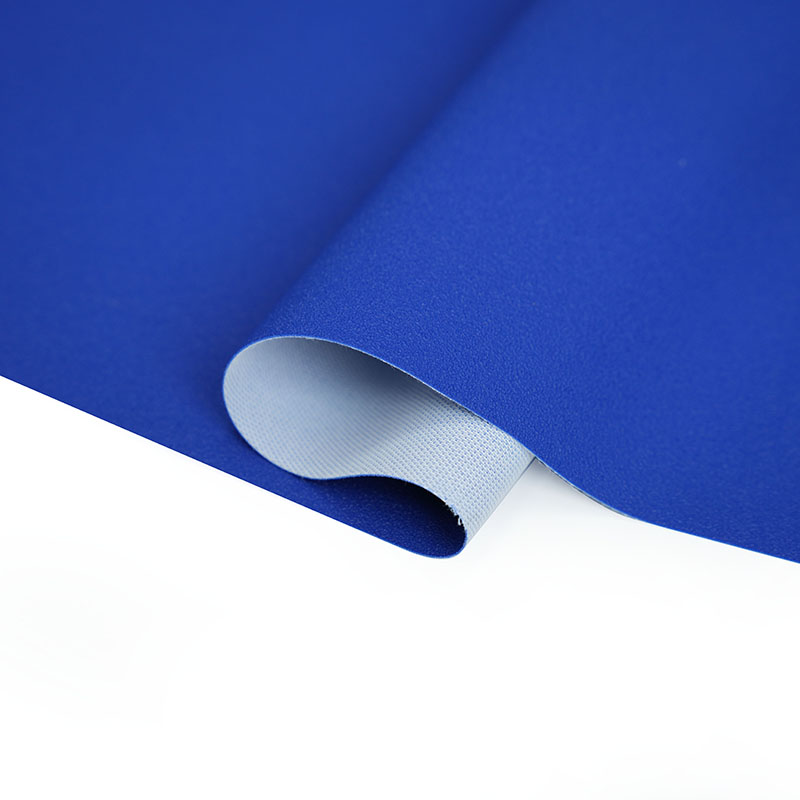
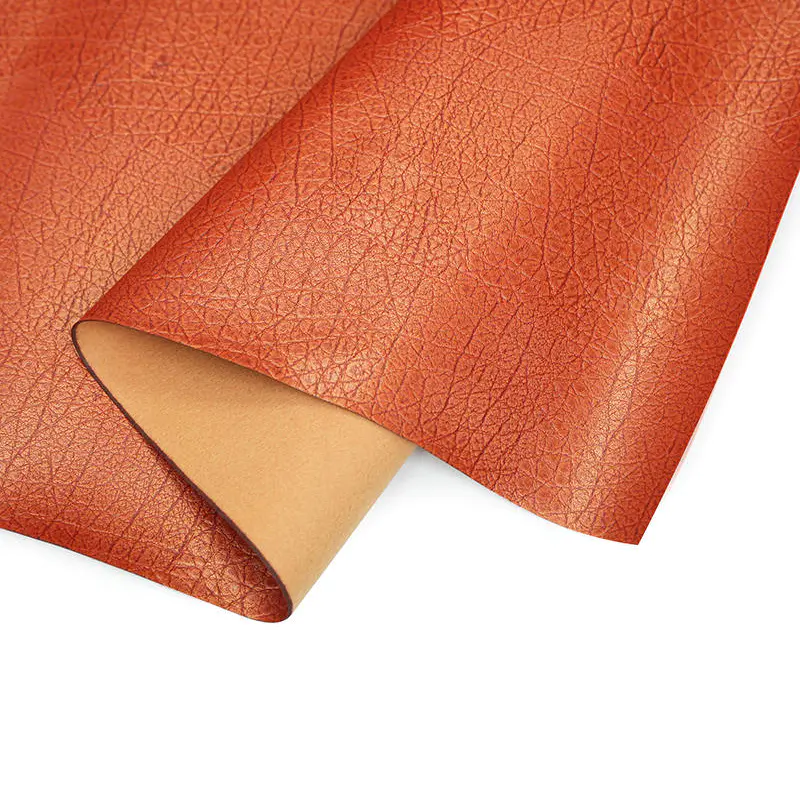
Two-tone PVC leather is another fast-fashion favorite. A contrasting color layer beneath the surface creates visible depth when skived or embossed, allowing budget insole designs to look more premium than their price suggests. Combined with the full thickness range, these options give a footwear brand dozens of insole looks per season on one production platform.
Choosing the correct thickness and finish keeps the insole functional without over-engineering the cost.
| Thickness | Recommended use | Key advantage |
| 1.5 mm | Sandals, lightweight casual shoes | Light weight, fast lamination |
| 2.2 mm | Standard sneakers and boots | Balanced cushioning and stability |
| 3 mm to 4 mm | Structural insoles, work shoes | High compression resistance |
Always pair the PVC lining with the right foam or EVA base. The lining manages friction, moisture, and appearance; the base provides cushioning. When the two layers are well matched, a fast-fashion insole can feel comfortable, survive the season, and still meet the aggressive price target.
A1: Yes, when combined with a foam or EVA cushioning layer. The PVC lining stays smooth, resists tearing, and gives the foot a stable, anti-slip surface, while the foam underneath handles impact comfort.
A2: Absolutely. PVC supports direct printing, transfer printing, embossing, and two-tone effects. Fast-fashion brands freely switch between season-specific designs without changing the base material.
A3: In typical insole use, PVC outlasts PU because it does not hydrolyze in humid environments and resists abrasion better. Actual service life depends on the formulation, but footwear manufacturers often report fewer peeling and cracking complaints with PVC insole materials in tropical and high-activity markets.
A4: Use 1.5 mm for lightweight sandals and casual shoes, 2.2 mm for standard sneakers, and 3 mm to 4 mm when the insole needs structural rigidity.
PVC artificial leather is not merely a cheaper alternative to PU for shoe insoles. Within the fast-fashion context, it is the more appropriate solution. Lower cost, faster processing, superior dimensional stability, inherent waterproofing, receptive embossing, and a broad range of visual finishes combine to make PVC the right call when speed, margin, and reliable performance all sit on the same brief. Footwear factories that adopt PVC insole leather gain design flexibility and production stability without sacrificing durability, exactly what a fast-fashion season demands.
Add: No.285 Shashan Avenue, Zhouzhuang Town, Jiangyin City, Jiangsu Province, China.
Tel: +86-510-86903827
Rachel Wang:
+86-18651025719 (Phone)
[email protected] (Email)
Jessica Qian:
+86-13739165356 (Phone)
[email protected] (Email)
Cathay Xia:
+86-18021569150 (Phone)
[email protected] (Email)
Copyright © Jiangyin Jiangdong Plastic Co., Ltd. All Rights Reserved.Custom PVC Artificial Leather Manufacturers
