
 English
 中文简体
中文简体News
Home / News / Industry News / What are the Key Advantages of Using PVC Artificial Leather in Furniture Manufacturing?

Content
In the competitive landscape of furniture manufacturing, the selection of upholstery material is a critical decision that balances aesthetics, performance, durability, and cost. PVC Artificial Leather has evolved from a simple alternative into a sophisticated engineered material, offering a compelling value proposition for both residential and commercial applications. This technical analysis explores the core advantages of PVC Artificial Leather from a materials engineering and supply chain perspective, providing B2B decision-makers with the depth of information required for specification and procurement.
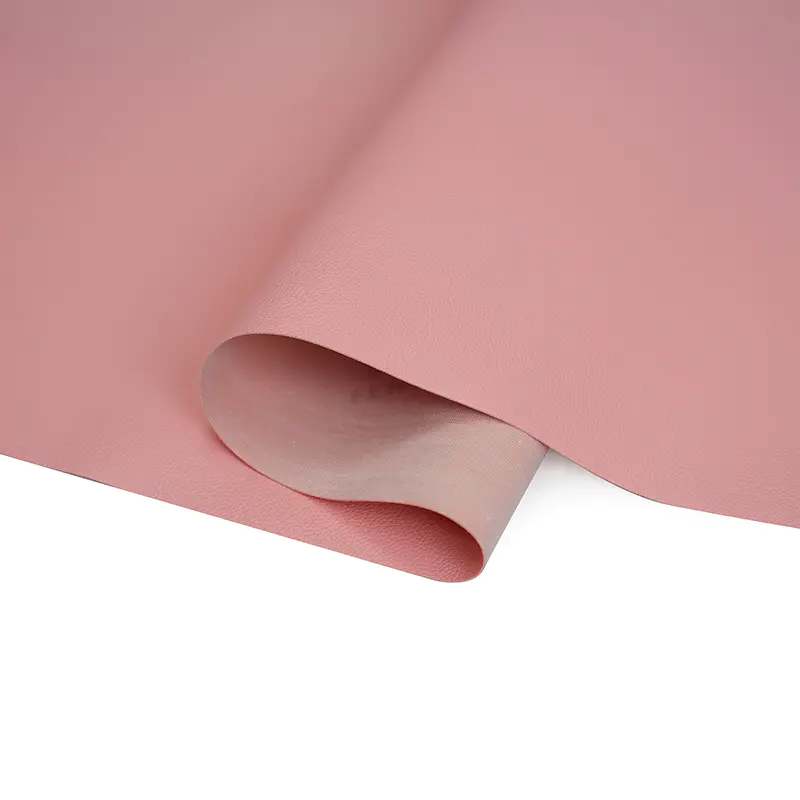
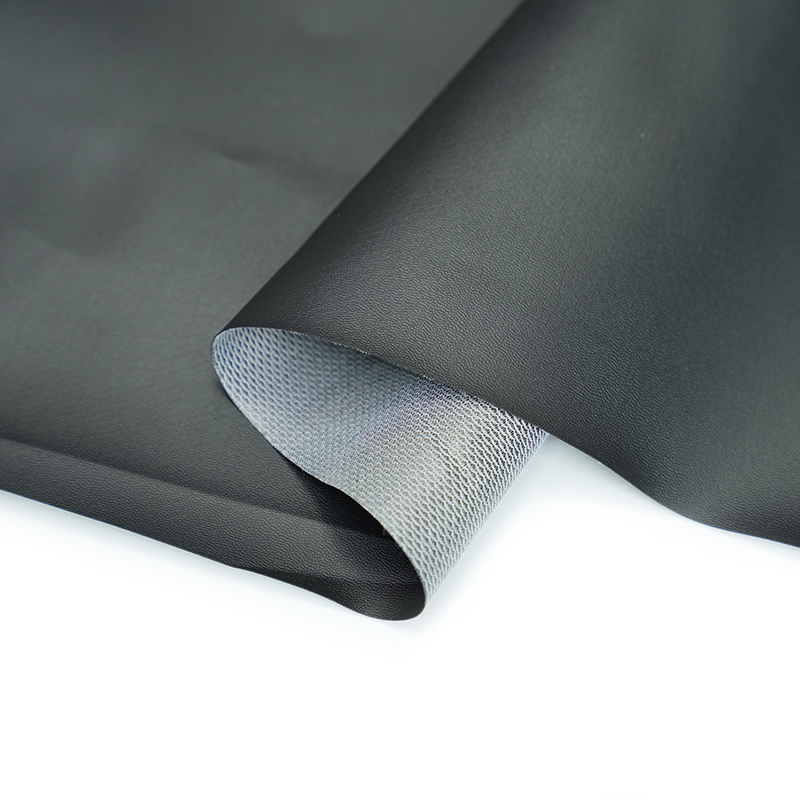
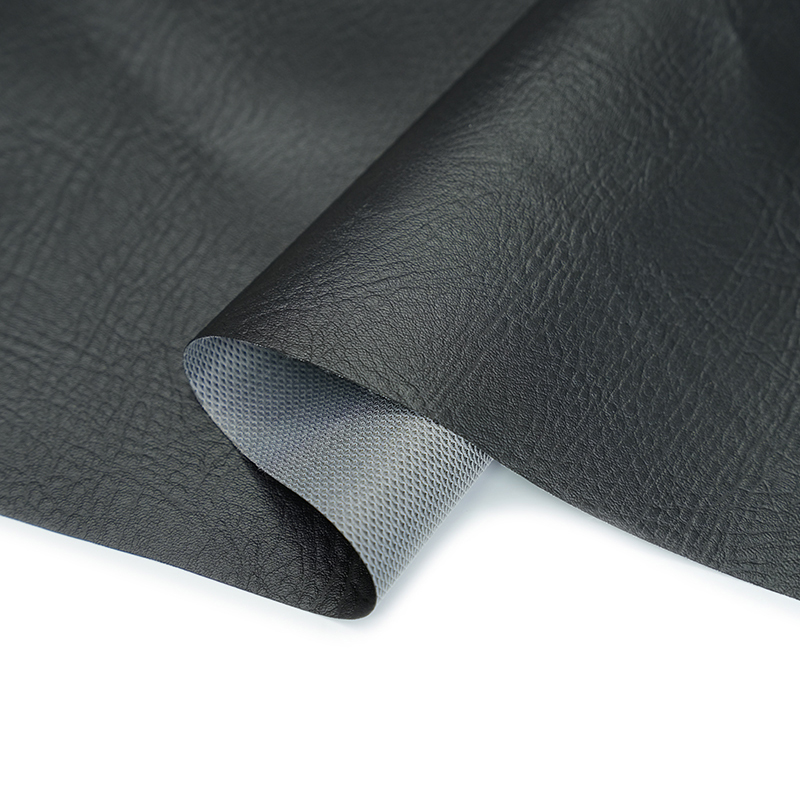
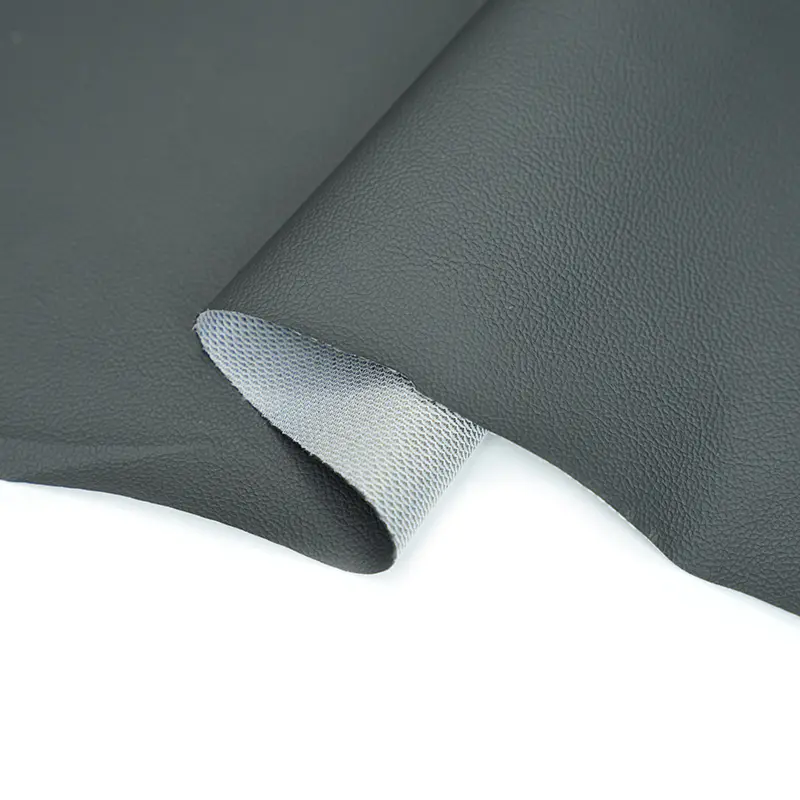
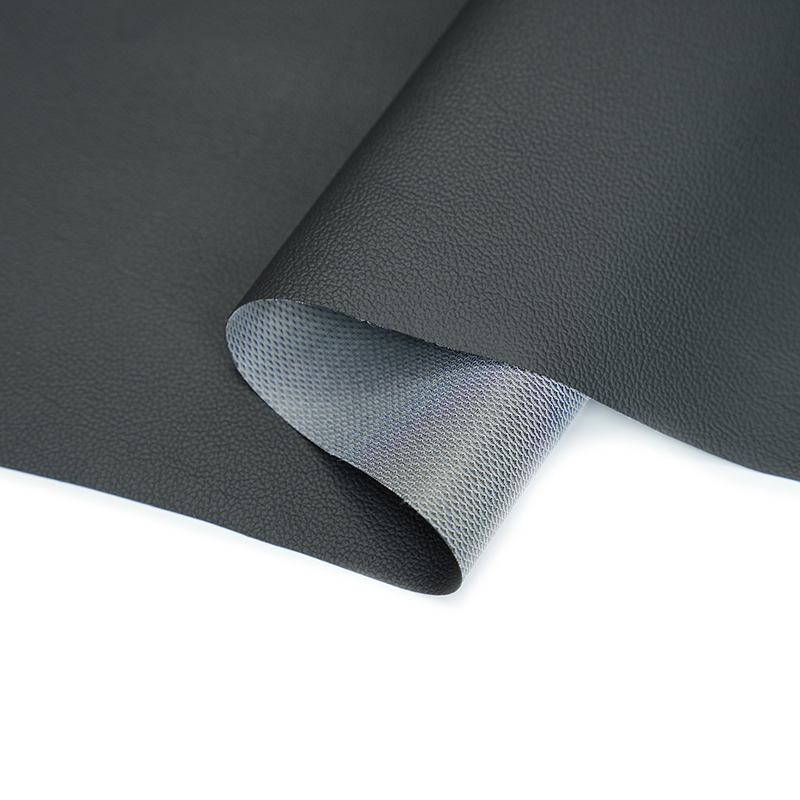
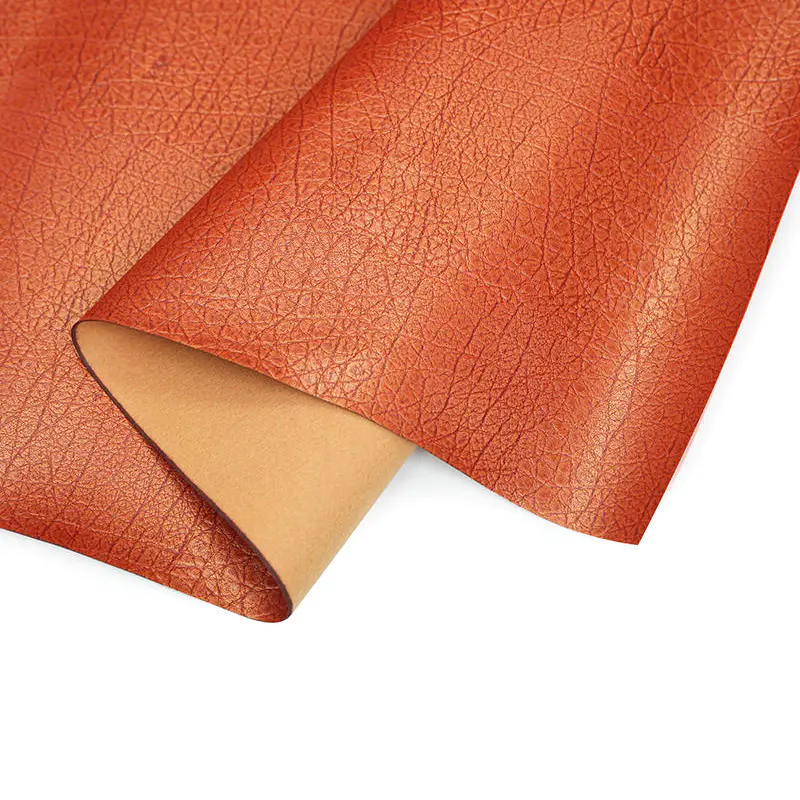
Understanding the advantages begins with its construction. Modern PVC Artificial Leather is a composite material typically consisting of a fabric backing (substrate), a foam layer for cushioning, and a PVC wear layer finished with textures and protective coatings. The specific PVC artificial leather manufacturing process involves coating, gelation, foaming, embossing, and surface treatment stages, each meticulously controlled to achieve target performance metrics. These processes directly define the final PVC artificial leather properties and technical specifications, such as tensile strength, tear resistance, cold crack performance, and abrasion cycles (Martindale).
The primary technical advantage is its exceptional resilience under mechanical and environmental stress, a key factor for furniture subjected to daily use.
A critical step in material selection is a clear PVC artificial leather vs PU leather performance comparison. While both are polymers, their chemical bases lead to distinct durability profiles.
| Performance Metric | PVC Artificial Leather | PU Leather (Standard) |
| Abrasion Resistance (Martindale) | Very High (Often 80,000 - 200,000+ cycles) | High (Typically 30,000 - 100,000 cycles) |
| Hydrolysis Resistance | Excellent. Inert to moisture, no hydrolysis degradation. | Moderate to Good. Can degrade in high heat/humidity over time. |
| Low-Temperature Flexibility | Good, dependent on plasticizer system. Can stiffen in extreme cold. | Excellent. Generally remains flexible at lower temperatures. |
| Cost per Square Meter | Generally Lower. Mature, scalable production. | Generally Higher. Raw material and process costs are often greater. |
For contract and residential furniture, ease of maintenance is a significant operational advantage. PVC Artificial Leather features a non-porous surface that resists liquid absorption, making it inherently stain-resistant. This simplifies how to clean and maintain PVC artificial leather furniture. Routine cleaning typically requires only a damp cloth with a mild detergent, while its durability allows for the safe use of stronger cleaning agents for disinfecting in healthcare or hospitality settings without damaging the material's integrity.
From a manufacturing standpoint, it offers unparalleled consistency and adaptability.
The economic argument is clear. PVC Artificial Leather provides a high-performance aesthetic at a fraction of the cost of top-grain leather, with far greater yield. Its production is not subject to the agricultural variables and ethical supply chain complexities of animal hides. Furthermore, the global production capacity for quality PVC compounds and fabrics ensures a stable, scalable supply—a crucial consideration for large furniture orders.
Compliance with stringent automotive interior PVC artificial leather quality standards (such as those from OEMs) highlights its capability for high-stress applications, with tests for fogging, VOC emissions, and colorfastness. For general furniture, standards like EN 1021 (ignitability) and ASTM D3690 (specifications) are key benchmarks.
The industry is actively addressing environmental perceptions through innovation in the eco-friendly PVC artificial leather manufacturing process. According to a 2024 review published by the International Association of Leather Chemists and Technicians, significant progress has been made in bio-based and phthalate-free plasticizer systems, the use of recycled PVC content, and solvent-free coating technologies that reduce the environmental footprint. These advancements are increasingly mandated by green procurement policies in the contract furniture sector.
Source: International Association of Leather Chemists and Technicians - 2024 Sustainable Materials Review
Furthermore, market analysis indicates a steady growth trajectory. A 2025 sector report by the Global Furniture and Furnishings Association projected that the demand for high-performance synthetic upholstery, led by advanced PVC and PU materials, will grow at a CAGR of 5.2% through 2028, driven by commercial refurbishment cycles and demand for durable residential furniture.
Source: Global Furniture and Furnishings Association - 2025 Market Outlook
PVC Artificial Leather is essentially non-breathable due to its impermeable polymer surface layer. This is a trade-off for its stain and moisture resistance. For applications where breathability is a priority, perforated versions are available, or alternative materials like certain textiles may be considered. Genuine leather offers superior natural breathability.
Modern manufacturing is making strides. The sustainability profile is improved through the use of recycled content (post-industrial or post-consumer), phthalate-free plasticizers, and cleaner production processes. Its long lifespan and durability also contribute to a product's overall sustainability by reducing replacement frequency. It is essential to request specific environmental product declarations (EPDs) or certifications from suppliers.
Critical parameters include: Abrasion Resistance (Martindale or Taber cycles), Peel Strength (N/cm), Tear Strength (N), Cold Crack Temperature (°C), Lightfastness (Blue Wool Scale rating), and Flame Retardancy classification (e.g., BS 5852, CAL 117). Always insist on test reports from accredited laboratories.
High-quality, modern formulations using premium polymer resins and non-migratory plasticizers are engineered to resist becoming tacky. Degradation from heat and UV is minimized with advanced stabilizers. Specifications should include a heat aging test result (e.g., resistance to 70°C or 85°C for a specified period) to ensure suitability for specific environments.
Specialized grades of PVC Artificial Leather are formulated for outdoor use. These include enhanced UV stabilizers, anti-fungal treatments, and plasticizers with superior resistance to extraction by rainwater. Standard indoor grades are not suitable for prolonged outdoor exposure. Always specify "outdoor-grade" and review the relevant accelerated weathering test data (e.g., Xenon arc testing per ISO 4892).
Add: No.285 Shashan Avenue, Zhouzhuang Town, Jiangyin City, Jiangsu Province, China.
Tel: +86-510-86903827
Rachel Wang:
+86-18651025719 (Phone)
[email protected] (Email)
Jessica Qian:
+86-13739165356 (Phone)
[email protected] (Email)
Cathay Xia:
+86-18021569150 (Phone)
[email protected] (Email)
Copyright © Jiangyin Jiangdong Plastic Co., Ltd. All Rights Reserved.Custom PVC Artificial Leather Manufacturers
