
 English
 中文简体
中文简体News
Home / News / Industry News / What Are the Key Features of High-Quality Upholstery Printed Leather Fabric?

Content
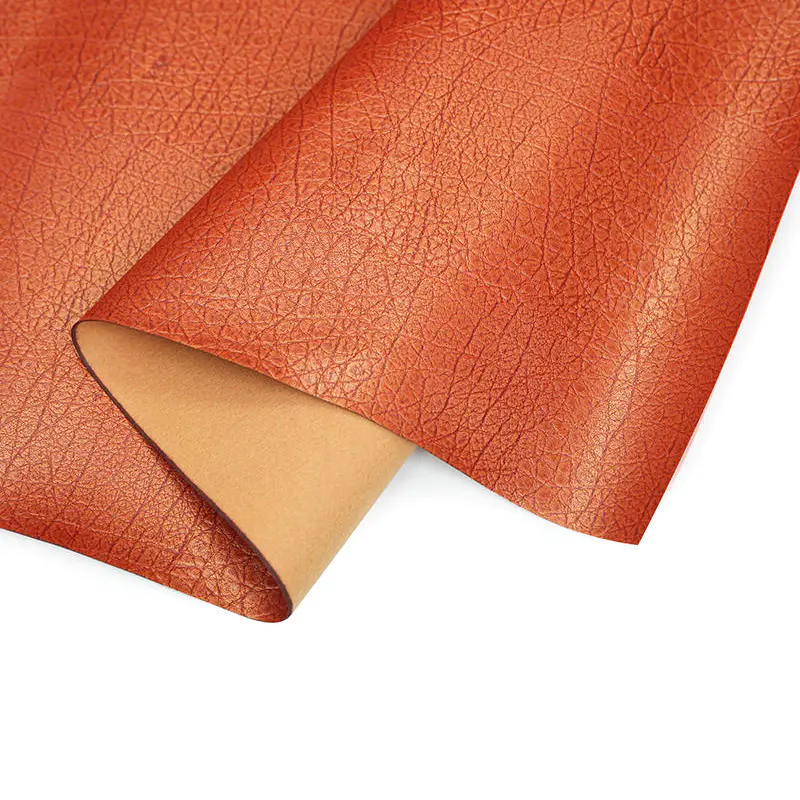
In the competitive landscape of interior design and automotive manufacturing, the choice of materials defines the durability, aesthetic appeal, and ultimate success of the final product. As a specialized manufacturer in the textile industry, we understand that sourcing the right Upholstery Printed Leather Fabric is a critical decision for B2B buyers, furniture engineers, and procurement managers. Unlike generic textiles, high-quality synthetic leather must meet rigorous technical standards to withstand daily wear while maintaining a luxurious appearance.
Modern Upholstery Printed Leather Fabric is not merely a substitute for animal hide; it is a sophisticated engineered material. With advancements in chemical coating and printing technologies, today's synthetic leathers offer superior performance metrics, including abrasion resistance, colorfastness, and ease of maintenance. This guide explores the essential technical features—such as durability, flame retardancy, and environmental sustainability—that differentiate premium materials from standard options.
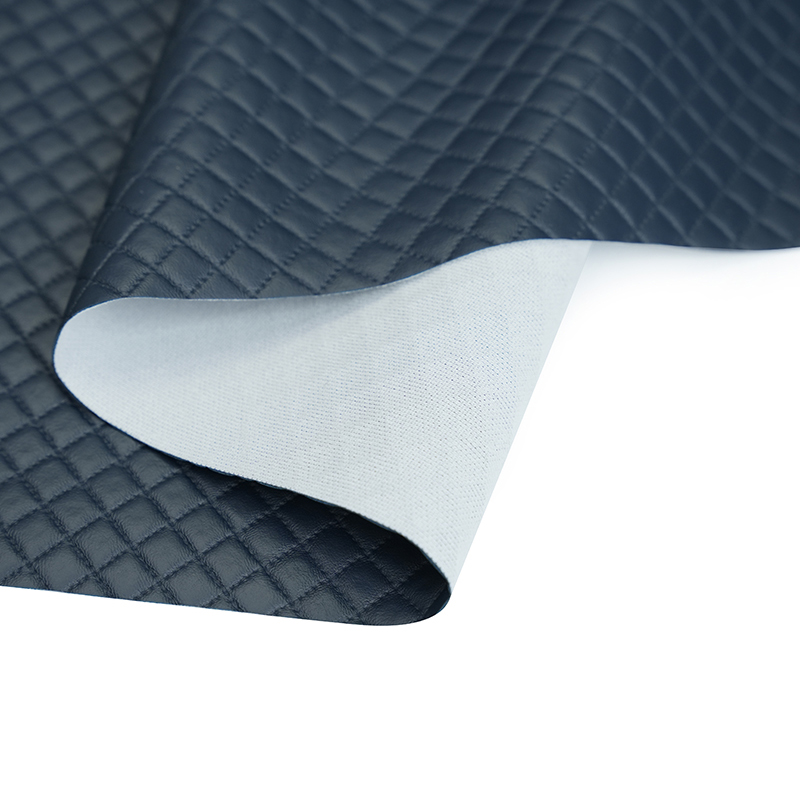
To evaluate quality, one must first understand the construction. High-quality Upholstery Printed Leather Fabric is typically composed of a polymeric surface layer (polyurethane or polyvinyl chloride) bonded to a substrate fabric. The performance of the material depends heavily on the chemical formulation of the top layer and the tensile strength of the backing.
The market is primarily divided into Polyurethane (PU) and Polyvinyl Chloride (PVC) leathers. PU leather is generally softer, more flexible, and has a structure closer to real leather, making it ideal for high-end furniture. PVC leather is denser, more resistant to chemicals, and typically more cost-effective, suitable for high-traffic commercial spaces.
The backing provides the structural integrity. While traditional cotton backings offer breathability, modern industrial applications heavily favor high-tenacity polyester backings. Polyester offers superior tensile strength, dimensional stability, and resistance to mildew, which is crucial for Upholstery Printed Leather Fabric used in humid or variable climates.
For commercial furniture and hospitality projects, the lifespan of the material is a primary concern. When selecting durable faux leather for upholstery, engineers must look beyond the surface texture and analyze mechanical performance data.
The industry standard for measuring durability is the Martindale abrasion test. High-quality durable faux leather for upholstery should typically withstand a minimum of 20,000 to 50,000 cycles (Martindale rubs) without showing signs of wear. For heavy-duty applications like airport seating or office booths, materials rated over 100,000 cycles are recommended to ensure long-term value.
A common failure point in lower-grade fabrics is cracking, particularly in cold environments or when the material is flexed repeatedly. Premium durable faux leather for upholstery utilizes plasticizers and resins that retain flexibility at sub-zero temperatures. This "cold crack" resistance is vital for furniture that may be used in air-conditioned environments or exported to colder climates.
Aesthetics drive sales, and technology now allows printed leather fabric for furniture to mimic virtually any grain pattern found in nature, from full-grain cowhide to exotic reptiles.
Advancements in rotogravure and digital printing have enabled manufacturers to create printed leather fabric for furniture with incredible depth and realism. Unlike simple embossing, modern techniques can print varying color shades into the grain itself (multilayer printing), creating a three-dimensional effect that is visually indistinguishable from genuine leather.
For B2B buyers, batch-to-batch color consistency is non-negotiable. High-quality printed leather fabric for furniture utilizes computerized color matching systems to ensure that a production run today matches a run from six months ago. This consistency is crucial for large-scale hotel chains or cruise ship refurbishments where uniformity is paramount.
The automotive sector imposes some of the strictest requirements on materials. Automotive interior upholstery leather must withstand extreme temperature fluctuations, intense UV exposure, and strict safety regulations.
Current market trends indicate a shift towards "sensing" capabilities in interiors, but the fundamental requirement remains physical durability and safety. According to the latest analysis by the American Chemistry Council regarding materials in transportation, the demand for high-performance, lightweight polymers in vehicle interiors is being driven by the need for fuel efficiency and lower emissions, which requires advanced material engineering rather than simple fabric replacements.
Source: American Chemistry Council - Chemistry and Transportation
Safety is the top priority for automotive interior upholstery leather. In the United States, materials must comply with FMVSS 302 (Federal Motor Vehicle Safety Standard No. 302), which sets burn rate limits. In Europe, the equivalent is often the ECE R118 standard. Manufacturers must formulate their polyurethane or PVC coatings with specific flame-retardant additives to pass these rigorous tests without compromising the fabric's softness.
Car interiors are exposed to direct sunlight for hours. Automotive interior upholstery leather must be treated with advanced UV stabilizers and Hindered Amine Light Stabilizers (HALS). These additives prevent the polymer chains from breaking down under UV radiation, ensuring that the dashboard and seats do not fade, crack, or discolor over the vehicle's lifespan.
In healthcare, hospitality, and marine applications, cleanliness is as important as aesthetics. Water resistant vinyl upholstery fabric is the material of choice for these environments due to its impermeability and ease of sanitization.
Unlike genuine leather, which is porous and absorbs liquids, water resistant vinyl upholstery fabric features a closed-cell structure. This means spills, bodily fluids, or cleaning chemicals sit on the surface and can be wiped away instantly. This property significantly reduces the risk of staining and bacterial growth.
| Property | Water Resistant Vinyl (PVC) | Standard PU Leather |
| Liquid Absorption | Zero absorption (impermeable) | Low absorption (semi-permeable) |
| Cleaning Method | Bleach-safe / Strong disinfectants allowed | Mild soap / Gentle cleaners only |
| Typical Use Case | Hospitals, Restaurants, Outdoor furniture | Living rooms, Office chairs, Hotels |
| Tactile Feel | Plastic feel, firmer | Softer, leather-like feel |
For water resistant vinyl upholstery fabric, maintenance is straightforward. The high-gloss or matte finishes are designed to withstand repeated scrubbing. This reduces the lifecycle cost of the furniture, as expensive professional cleaning is rarely needed. A simple solution of water and mild detergent is usually sufficient to maintain the material's appearance.
Sustainability is no longer a niche requirement; it is a central pillar of modern manufacturing. Eco friendly vegan leather upholstery addresses the growing demand for cruelty-free and environmentally responsible materials.
Innovation in this sector focuses on replacing petroleum-based polymers with bio-based alternatives such as polyurethanes derived from plant oils (e.g., corn, soybean). Additionally, eco friendly vegan leather upholstery increasingly utilizes recycled polyester fibers for the backing material, diverting plastic waste from landfills and reducing the carbon footprint of the fabric.
Indoor Air Quality (IAQ) is a critical concern for green building certifications like LEED. Traditional synthetic leathers can emit Volatile Organic Compounds (VOCs). High-quality eco friendly vegan leather upholstery is manufactured using water-based polyurethanes and solvent-free processes, drastically reducing VOC emissions and ensuring a safer indoor environment for end-users.
Choosing the correct Upholstery Printed Leather Fabric requires a holistic analysis of the application environment, technical requirements, and sustainability goals. Whether you need the high tensile strength and UV stability of automotive interior upholstery leather, the clinical hygiene of water resistant vinyl upholstery fabric, or the green credentials of eco friendly vegan leather upholstery, understanding these key features allows you to make informed procurement decisions.
As a manufacturer dedicated to quality and innovation, we are committed to providing materials that not only meet but exceed these industry standards, ensuring your products deliver both aesthetic beauty and long-lasting performance.
Printed leather involves applying ink and color patterns onto the surface of the fabric to create the grain design. Embossed leather involves physically pressing a patterned roller onto the material to create texture. High-quality Upholstery Printed Leather Fabric often combines both techniques for maximum realism.
Yes, but specific types are required. For outdoor use, you need a fabric with high UV resistance (to prevent fading) and hydrolysis resistance (to prevent moisture breakdown). Acrylic-coated synthetic leathers or high-performance PVCs are typically preferred for outdoor furniture.
Water resistant vinyl is highly durable. You can usually clean it with a mixture of warm water and mild dish soap. For tougher stains, a diluted solution of bleach and water is often safe, but you should always test a small, inconspicuous area first and check the manufacturer's specific care guidelines.
Generally, yes. The advanced technologies required to process bio-based materials and the solvent-free production methods for eco-friendly options can lead to higher raw material costs. However, the gap is narrowing as technology scales, and the long-term brand value and compliance benefits often offset the initial investment.
Commercial seating typically requires a thickness between 1.0mm to 1.4mm. This thickness offers a good balance of durability and flexibility. Thinner materials (0.8mm) might be used for vertical panels or headboards, while thicker materials (1.5mm+) are used for high-wear horizontal surfaces.
Add: No.285 Shashan Avenue, Zhouzhuang Town, Jiangyin City, Jiangsu Province, China.
Tel: +86-510-86903827
Rachel Wang:
+86-18651025719 (Phone)
[email protected] (Email)
Jessica Qian:
+86-13739165356 (Phone)
[email protected] (Email)
Cathay Xia:
+86-18021569150 (Phone)
[email protected] (Email)
Copyright © Jiangyin Jiangdong Plastic Co., Ltd. All Rights Reserved.Custom PVC Artificial Leather Manufacturers
