
 English
 中文简体
中文简体News
Home / News / Industry News / What Are the Key Benefits of Using Waterproof PVC Artificial Leather for Car Seat?

Content
At our company, we specialize in supplying high‑performance materials for automotive interior applications, with deep experience in engineering durable and functional upholstery solutions. One highly relevant material for modern vehicle seating systems is Waterproof PVC Artificial Leather for Car Seat, which combines mechanical performance, ease of maintenance, and cost‑effectiveness. This article explores its core benefits, durability characteristics, maintenance advantages, material comparisons, installation applications, and sustainability considerations in a technical and data‑driven context.
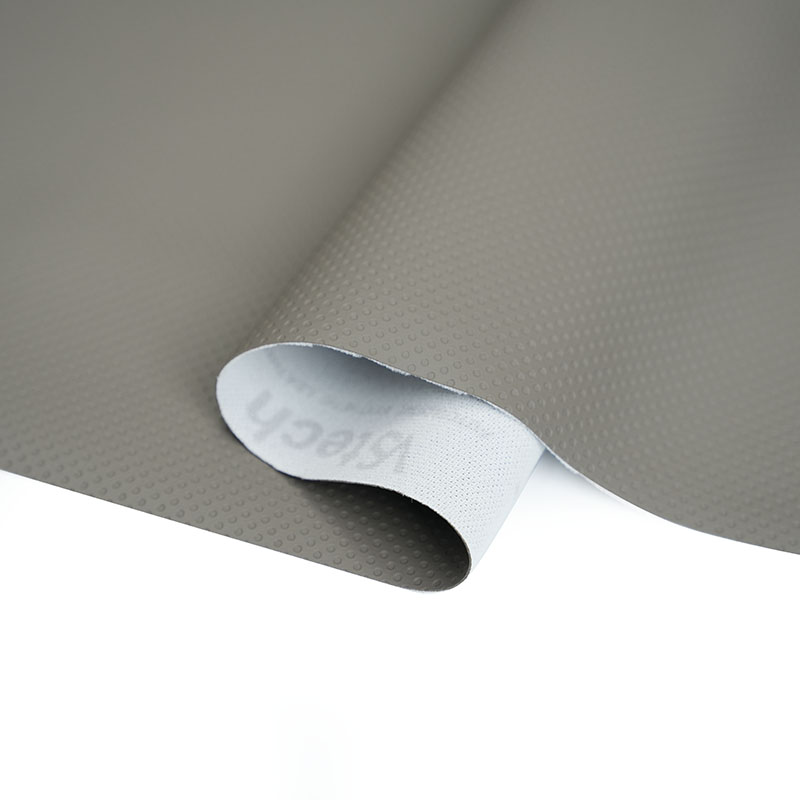
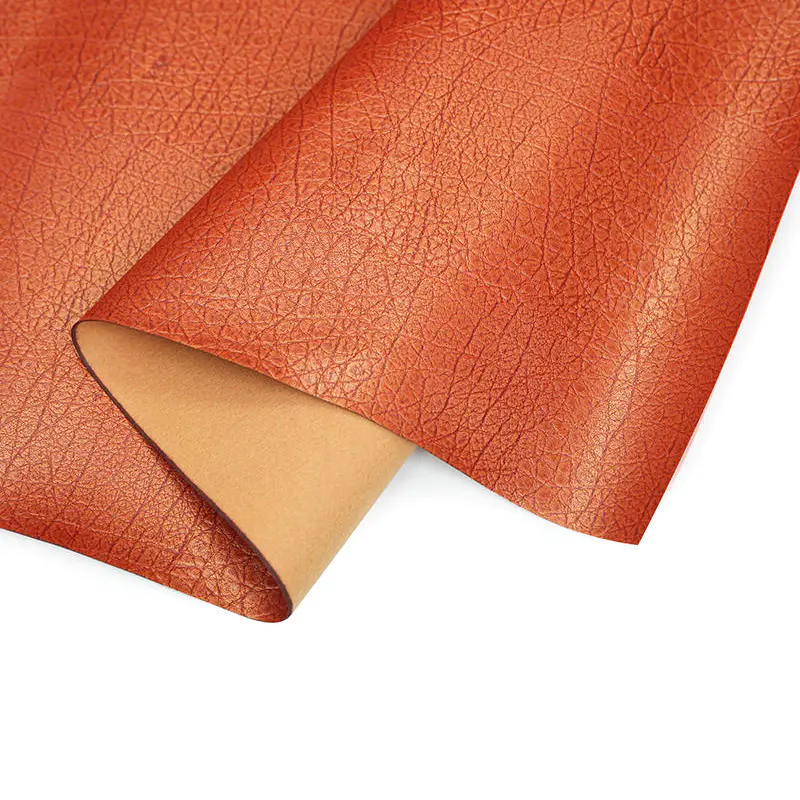
Waterproof PVC Artificial Leather for Car Seat is a synthetic upholstery material engineered from polyvinyl chloride polymers with reinforcing backings and coatings to create a water‑resistant, abrasion‑resistant, and dimensionally stable surface. According to the latest industry data, PVC artificial leather accounted for a significant share of automotive interior synthetic leather usage in 2024, with seat applications making up roughly one‑third of overall automotive PVC artificial leather installations. This highlights its broad adoption across OEM and aftermarket segments in global vehicle production.
Source: Automotive PVC Artificial Leather Market Size & Outlook
The mechanical resilience of Waterproof PVC Artificial Leather for Car Seat is a principal benefit for automotive seating systems. Engineered for high wear, it delivers excellent abrasion resistance and mechanical strength, ensuring longevity under repetitive use conditions common in passenger and commercial vehicles.
The waterproof PVC artificial leather for car seat durability and wear resistance helps reduce interior refurbishment frequency and lifecycle costs compared to less durable textiles.
An important benefit of Waterproof PVC Artificial Leather for Car Seat is its low maintenance profile. Its non‑porous, coated surface repels liquids, enabling simple cleaning protocols that preserve appearance and performance:
Manufacturers and maintenance engineers seeking best cleaning methods for waterproof PVC artificial leather for car seat panels should avoid harsh solvents and ensure material data sheet recommendations are followed to maintain protective coatings and water repellency.
In specification evaluations between synthetic and natural materials, performance metrics are key drivers of material selection. Compared to genuine leather, Waterproof PVC Artificial Leather for Car Seat exhibits distinct advantages in durability and maintenance, though it differs in comfort feel and thermal properties. For procurement and design teams, understanding these differences is essential:
In terms of water resistance and wear performance, PVC artificial leather often surpasses genuine leather due to its engineered coatings and uniform substrate structure. Conversely, genuine leather may offer superior breathability and premium tactile perception.
| Characteristic | Waterproof PVC Artificial Leather for Car Seat | Genuine Leather |
| Water Resistance | High | Moderate |
| Abrasion Resistance | Superior | Good |
| Maintenance Requirement | Low | Medium to High |
| Thermal Comfort | Moderate | High |
For design teams evaluating waterproof PVC artificial leather for car seat vs genuine leather comparison, these trade‑offs inform material choice depending on performance and comfort priorities.
Installation quality influences seat cover functionality and overall interior integration. Choosing the right cuts, backing materials, and adhesion techniques ensures proper conformance to seat geometries and reduces installation errors. In both new vehicle assembly and retrofit applications, operators should ensure precise patterning and secure bonding to underlying foam substrates.
Understanding how to install waterproof PVC artificial leather for car seat covers effectively can shorten assembly time while maintaining durability and surface integrity.
Sustainability trends in automotive interiors are driving interest in recycled and low‑impact materials. Advanced PVC formulations now incorporate recycled resin inputs and reduced VOC coatings to meet environmental standards and regulatory compliance. This aligns with industry pressure to improve material circularity and reduce emissions related to vehicle cabin components.
Manufacturers adopting eco‑friendly waterproof PVC artificial leather for car seat materials are positioned to satisfy emerging OEM sustainability targets and regulatory frameworks that incentivize reduced environmental footprints.
In summary, Waterproof PVC Artificial Leather for Car Seat is a technically robust choice for automotive interiors, offering excellent durability, water resistance, low maintenance, and cost effectiveness. For engineers, procurement teams, and interior designers, understanding these performance characteristics relative to alternatives like genuine leather enables informed material selection aligned with functional, economic, and sustainability objectives.
Add: No.285 Shashan Avenue, Zhouzhuang Town, Jiangyin City, Jiangsu Province, China.
Tel: +86-510-86903827
Rachel Wang:
+86-18651025719 (Phone)
[email protected] (Email)
Jessica Qian:
+86-13739165356 (Phone)
[email protected] (Email)
Cathay Xia:
+86-18021569150 (Phone)
[email protected] (Email)
Copyright © Jiangyin Jiangdong Plastic Co., Ltd. All Rights Reserved.Custom PVC Artificial Leather Manufacturers
