
Content
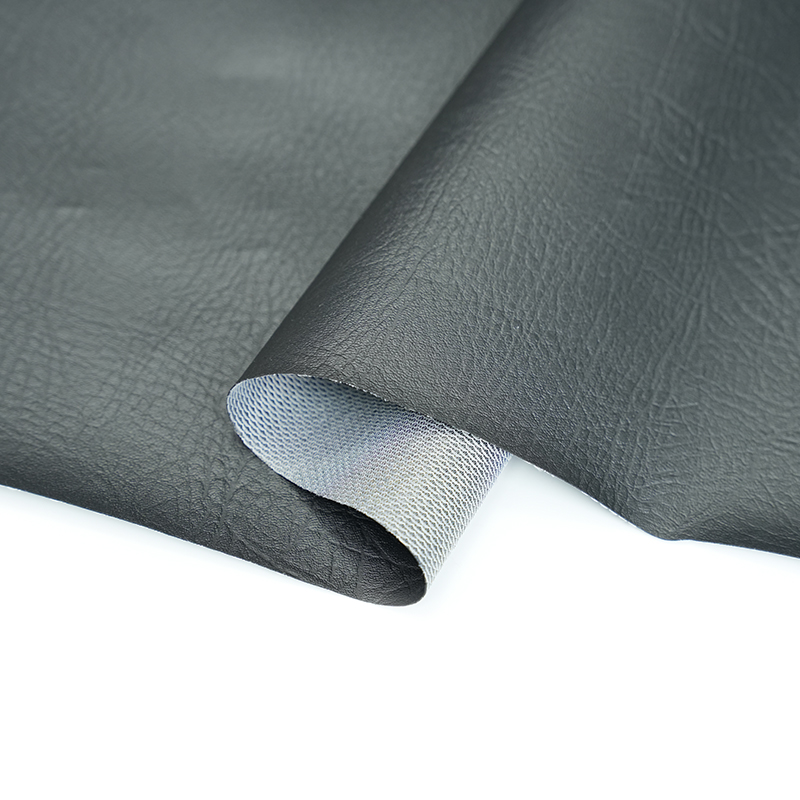
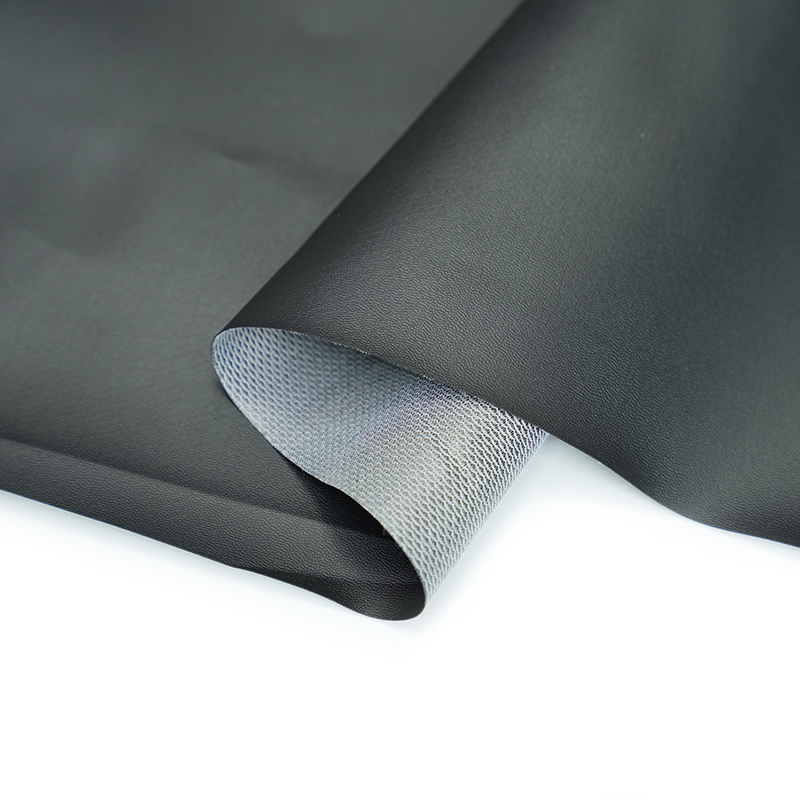
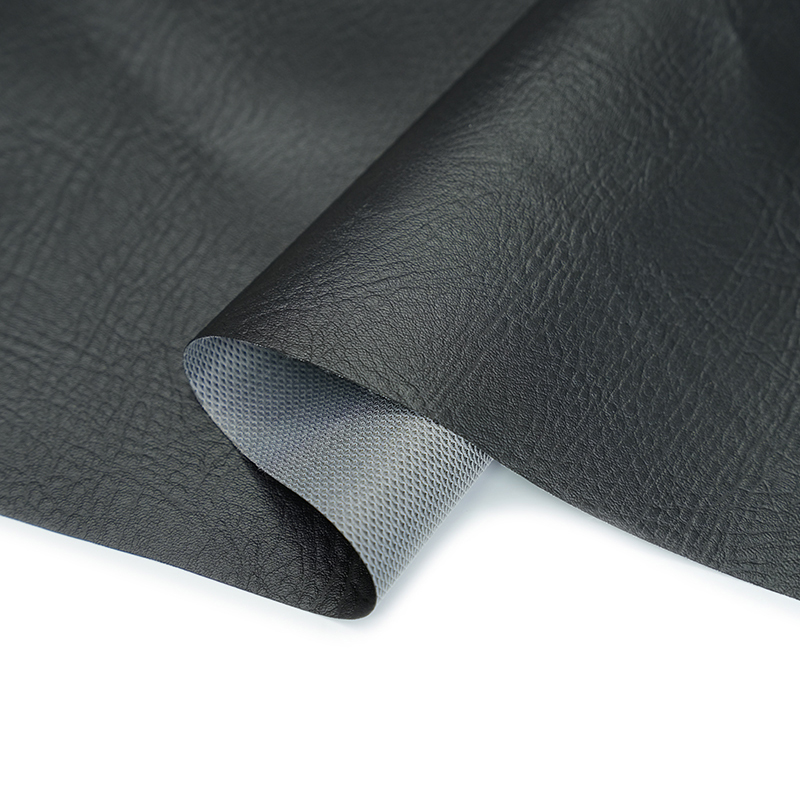
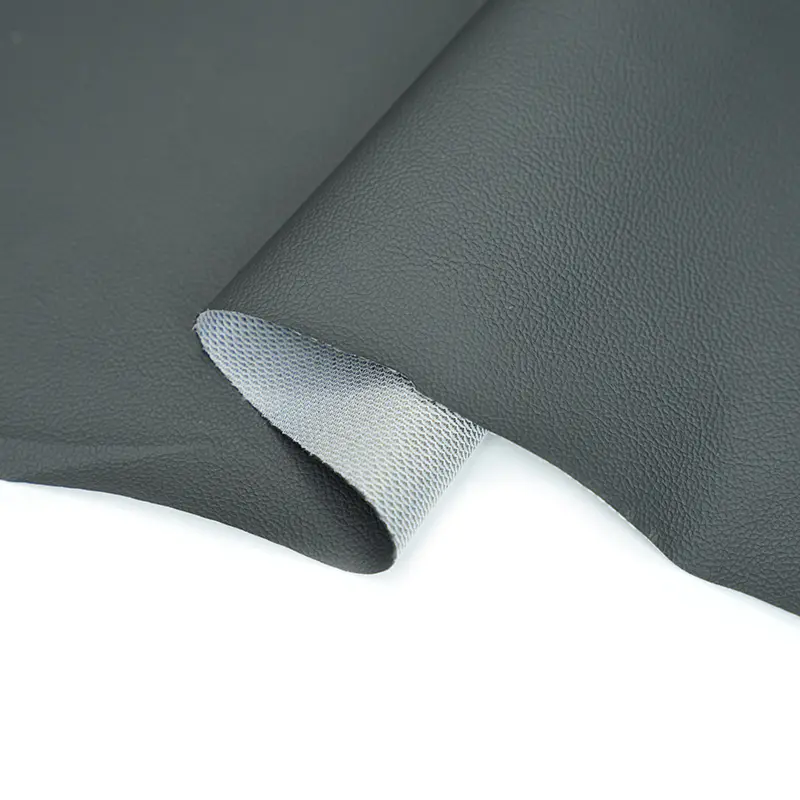
In the world of furniture design and manufacturing, selecting the right upholstery material is a critical decision that balances aesthetics, functionality, durability, and cost. Among the leading contenders is faux leather material for chairs, a sophisticated synthetic alternative that has evolved far beyond its early imitative roots. Today's high-quality faux leather offers a compelling proposition: the luxurious look and tactile appeal of genuine leather, combined with superior practical benefits tailored for modern living. It is engineered to withstand the rigors of daily use, making it an ideal choice for everything from office task chairs and bustling restaurant booths to family dining rooms and stylish living spaces. The rise of conscious consumerism has also propelled vegan leather material for dining chairs and other furniture into the spotlight, offering an ethical choice without compromise on style. This material category, encompassing various types like PU and PVC, solves common pain points associated with genuine leather, such as high cost, intensive maintenance, and ethical concerns, while introducing advantages like enhanced color consistency, easier cleaning, and often better resistance to stains and fading. Understanding the composition, types, and key properties of this versatile material is essential for furniture makers, interior designers, and informed consumers aiming to make a smart, lasting investment.
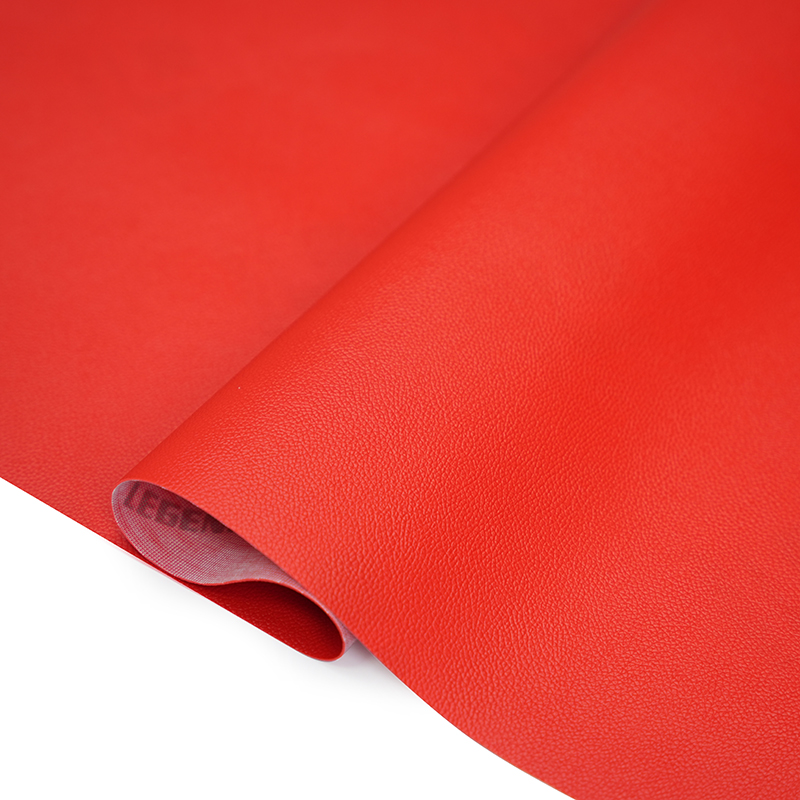
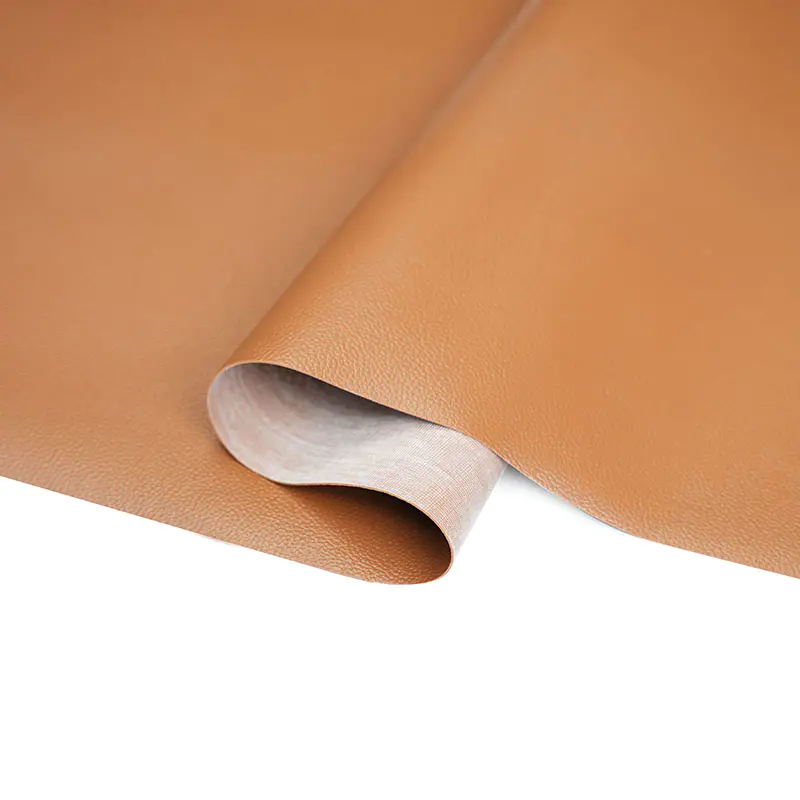
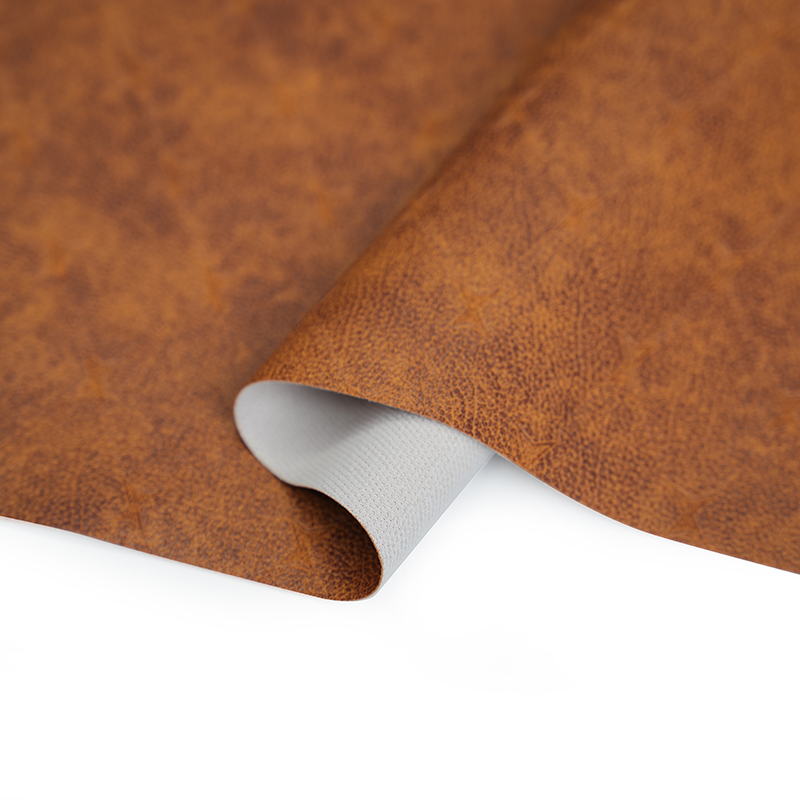
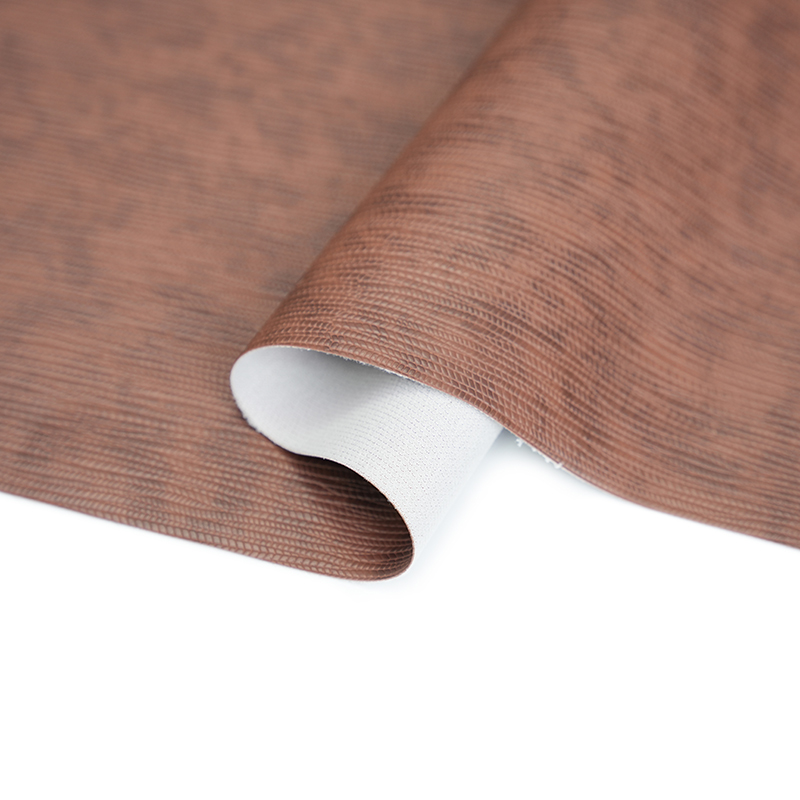
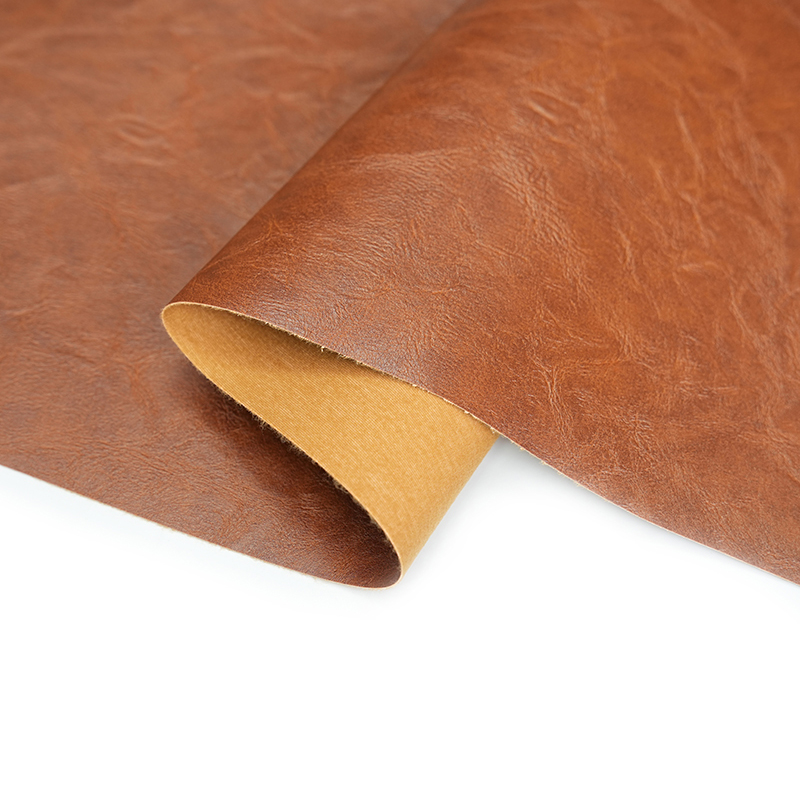
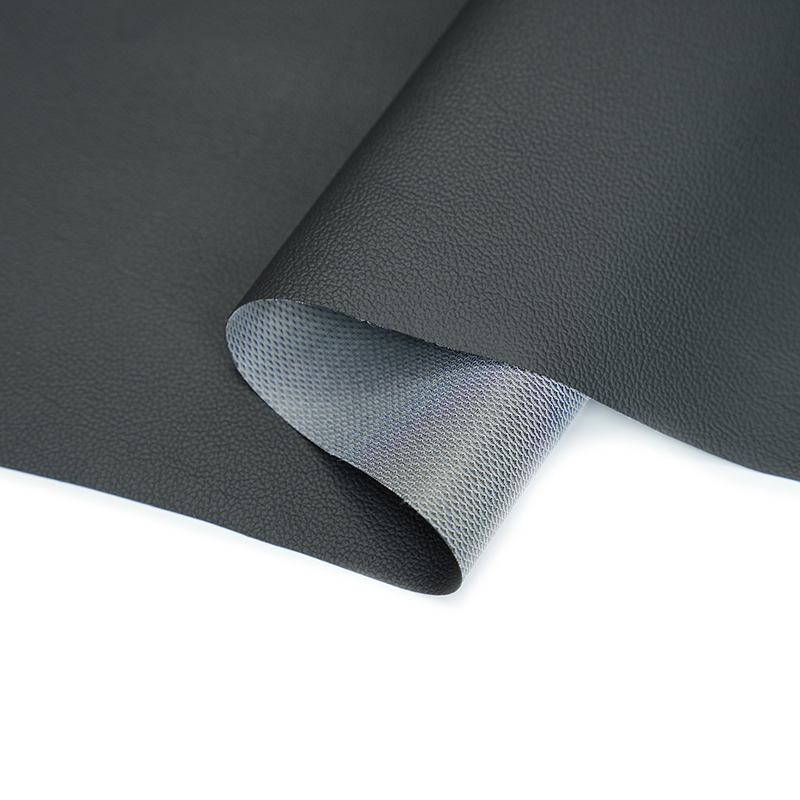
Not all faux leather material for chairs is created equal. The performance, feel, and suitability depend largely on its base composition. The two most prevalent types are PVC (Polyvinyl Chloride) and PU (Polyurethane) leather. PVC leather, a classic in the industry, is created by applying a plastisol (a PVC paste) coating to a fabric backing. It is known for its excellent durability, water resistance, and cost-effectiveness, making it a staple for many contract furniture applications. However, it can be less breathable and have a stiffer hand feel compared to its counterpart. PU leather represents a more advanced category and is often the preferred choice for high-quality furniture. It uses a polyurethane coating on a fabric substrate, resulting in a material that is remarkably more flexible, softer to the touch, and breathable. This makes PU leather fabric for office chairs particularly desirable, as it offers greater comfort during long periods of sitting. Beyond these, the market is seeing innovations in bio-based and recycled content vegan leathers, which use materials like pineapple leaves, apple peels, or recycled polyester to create sustainable alternatives. The choice between these types hinges on the specific balance of cost, desired aesthetics, tactile requirements, and performance needs for the chair's intended use.
| Type | Base Composition | Key Characteristics |
| PVC Leather | Polyvinyl Chloride coating on fabric. | High durability, excellent water resistance, cost-effective, can be less breathable. |
| PU Leather | Polyurethane coating on fabric. | Softer, more flexible, breathable, closer feel to genuine leather, widely used for office chairs. |
| Vegan/Bio-based | Varied (e.g., polyurethane with plant/ocean-based fillers). | Focus on sustainable sourcing, ethical production, performance varies by specific innovation. |
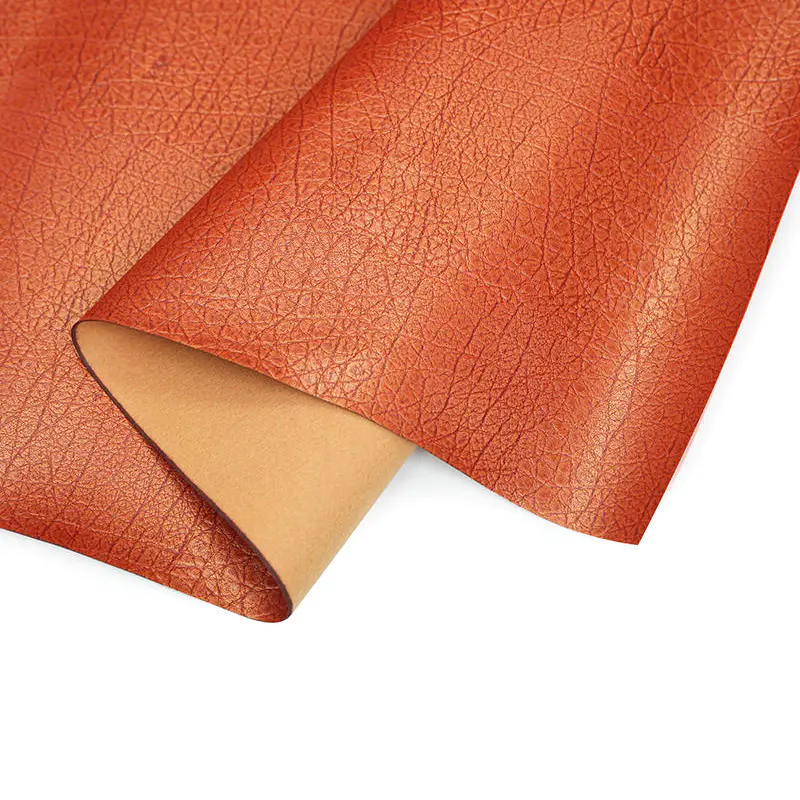
When evaluating faux leather material for chairs, several technical and practical properties determine its success in an application. Durability is paramount, measured through standardized tests like the Martindale abrasion test (for general wear) and the Wyzenbeek test (for upholstery). High double rub counts (e.g., 100,000+) indicate suitability for heavy commercial use. For chairs in homes with children, pets, or in dining areas, practical features become critical. Waterproof faux leather upholstery material is essential to prevent liquid spills from penetrating and causing damage to the inner padding. Equally important is the demand for easy clean faux leather fabric for furniture; a quality finish should allow most spills and stains to be wiped away with a damp cloth without leaving a mark. Aesthetically, the material should offer a consistent grain pattern and rich color depth, resisting fading from UV light. The "hand" or feel of the material should be pleasing—neither too plasticky nor too porous—contributing to the overall comfort and perceived quality of the chair. These properties are not inherent but are engineered through sophisticated manufacturing processes and quality raw materials.
The optimal choice of faux leather material for chairs varies significantly with the environment and use case. For the demanding environment of an office, where a chair is used for 8+ hours daily, specific qualities are non-negotiable. PU leather fabric for office chairs is often specified due to its superior breathability, which reduces heat and moisture buildup, enhancing comfort. It must also have exceptionally high abrasion resistance to withstand constant movement against clothing and desk edges. In dining and hospitality settings, functionality merges with frequent cleaning cycles. Here, a vegan leather material for dining chairs that is both waterproof and easy clean is ideal. It needs to resist food and drink spills, be quickly sanitized between guests, and maintain its elegant appearance over hundreds of uses. For general home furniture, such as accent chairs or lounge seating, the focus might shift more toward aesthetic richness, a soft hand feel, and a balance of durability suitable for less intense, but still daily, family use. Matching the material's technical specifications to the chair's real-world demands is the key to long-term satisfaction and performance.
| Application | Primary Requirements | Recommended Material Focus |
| Office Task Chairs | High breathability, exceptional abrasion resistance, professional aesthetics. | High-quality PU leather with >100,000 double rubs, breathable backing. |
| Dining & Hospitality Chairs | Spill-proof surface, easy sanitization, stain resistance, stylish appearance. | Waterproof faux leather with a protective top coat, high cleanability rating. |
| Residential Accent/Lounge Chairs | Premium hand feel, rich colors/grains, good durability, aesthetic versatility. | PU or premium PVC with a soft finish, good lightfastness, varied grain patterns. |
The quality and consistency of faux leather material for chairs are directly tied to the expertise and capabilities of the manufacturer. A professional producer with vertically integrated operations—controlling the process from weaving or knitting the base fabric to applying coatings and embossing the grain—ensures superior quality control at every stage. This integration prevents delamination, ensures consistent color and thickness, and allows for customization. Key indicators of a reliable manufacturer include a substantial history in the industry, investment in modern production lines (such as imported coating machines), and the ability to provide detailed technical data sheets for their products. Certifications related to furniture safety (e.g., fire retardancy standards like UK CA, US NFPA) and environmental compliance (e.g., REACH, low VOC emissions) are also critical for commercial projects and global exports. Partnering with such a manufacturer transforms the sourcing process from a commodity purchase into a technical collaboration, guaranteeing that the material will perform as expected in the final furniture piece.
Choosing faux leather material for chairs over genuine leather involves a clear set of trade-offs and advantages that align with modern values. From a practical standpoint, high-quality faux leather offers easier maintenance, superior spill resistance, and often greater color and pattern consistency at a lower cost. It is also a deliberate vegan leather material for dining chairs and other furniture, appealing to the growing demographic seeking ethical alternatives. While genuine leather develops a unique patina, it requires regular conditioning, is susceptible to staining, and comes with a higher environmental and ethical footprint. For care, faux leather is straightforward: regular dusting and prompt cleaning of spills with a mild soap solution are usually sufficient. Avoiding harsh chemicals, excessive heat, and direct prolonged sunlight will maximize its lifespan. By understanding these factors, furniture creators and buyers can confidently select a material that delivers on style, comfort, durability, and conscience.
Yes, high-quality faux leather material for chairs is extremely durable when sourced from a reputable manufacturer. Its durability is scientifically engineered and measured. Key factors include the thickness and quality of the top coating, the strength of the fabric backing, and the application of protective finishes. For commercial settings, look for abrasion resistance ratings (Martindale or Wyzenbeek) of 100,000 double rubs or higher. A well-constructed faux leather can easily last for many years of regular use, often outperforming genuine leather in terms of resistance to scratches, stains, and fading.
One of the biggest advantages of easy clean faux leather fabric for furniture is its low-maintenance nature. For routine care, simply dust or vacuum to remove debris. For spills and stains, wipe immediately with a soft, damp cloth. For tougher grime, use a mild soap (like dish soap) diluted in water, wipe gently, and then wipe with a clean, damp cloth to remove any residue. Always dry the surface afterward. Avoid abrasive cleaners, solvents (like acetone or bleach), and excessive scrubbing. Conditioning is not required like it is for genuine leather. For commercial PU leather fabric for office chairs, follow the manufacturer's specific cleaning guidelines.
The core difference lies in the coating material. PVC (Polyvinyl Chloride) leather uses a plastic-based coating. It's very durable and water-resistant but can be stiffer and less breathable. PU (Polyurethane) leather uses a polymer coating that is softer, more flexible, and breathes better, making it feel more like real leather. For applications where comfort and a premium feel are priorities, such as PU leather fabric for office chairs, PU is generally the superior choice. PVC remains a cost-effective and highly durable option for many other applications.
Cheap, low-quality faux leather with poor adhesion between the coating and the fabric backing can indeed peel or crack. However, premium faux leather material for chairs from a quality manufacturer is designed to prevent this. The key is the manufacturing process: advanced coating technology, proper curing, and the use of intermediate adhesive layers ensure the coating bonds permanently to the substrate. Selecting a material with a high peel strength rating and avoiding prolonged exposure to direct sunlight, extreme heat, or harsh chemicals will prevent premature cracking and ensure long-term integrity.
Breathability varies by type. Traditional PVC leather has very low breathability. However, modern PU leather fabric for office chairs and other furniture is engineered to be significantly more breathable. This is achieved through micro-perforations in the coating or by using breathable polyurethane formulations and fabric backings. This breathability allows air and moisture vapor to pass through, reducing heat buildup and sweat, which is a critical factor for comfort in seating used for extended periods, making it a preferred choice for task chairs.
Add: No.285 Shashan Avenue, Zhouzhuang Town, Jiangyin City, Jiangsu Province, China.
Tel: +86-510-86903827
Rachel Wang:
+86-18651025719 (Phone)
[email protected] (Email)
Jessica Qian:
+86-13739165356 (Phone)
[email protected] (Email)
Cathay Xia:
+86-18021569150 (Phone)
[email protected] (Email)
Copyright © Jiangyin Jiangdong Plastic Co., Ltd. All Rights Reserved.Custom PVC Artificial Leather Manufacturers


 English
 中文简体
中文简体