
Content
In the realm of industrial textiles and protective coverings, few materials offer the balanced combination of durability, weather resistance, and versatility as effectively as pvc coated fabric waterproof. This engineered composite material is constructed by applying a layer of Polyvinyl Chloride (PVC) plastic onto a strong base fabric, typically polyester or nylon. The result is a sheet material that inherits the tensile strength and tear resistance of the fabric scrim, while gaining complete waterproofing, UV resistance, flexibility, and chemical resilience from the PVC coating. This synergy makes it an indispensable solution across countless sectors, from transportation and logistics to construction, event management, and marine applications. Whether you're sourcing a reliable pvc coated fabric waterproof for truck tarpaulin, specifying a heavy duty pvc coated fabric waterproof for a harsh industrial environment, or purchasing a pvc coated fabric waterproof roll for custom fabrication, understanding the material's specifications is key. This guide will decode critical metrics like the common pvc coated fabric waterproof 18 oz weight designation and explain the vital safety features of fire retardant pvc coated fabric waterproof. By delving into its properties, applications, and selection criteria, we aim to equip you with the knowledge to choose the right grade of PVC coated fabric for any demanding project, ensuring longevity, performance, and value.
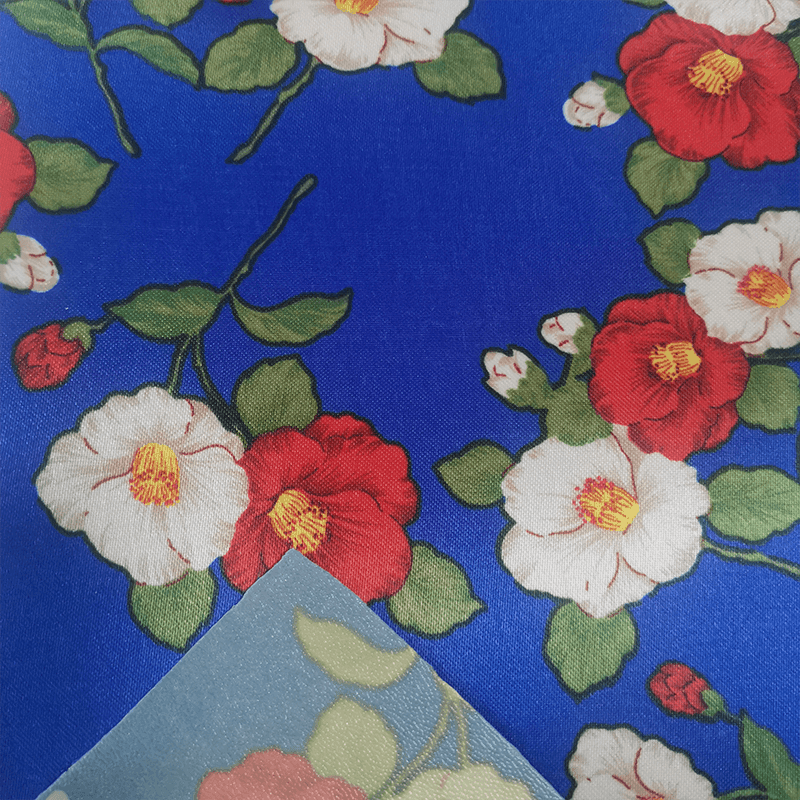
The superiority of pvc coated fabric waterproof material lies in its tailored design for real-world stress. Unlike simple plastic sheets that can become brittle or fabrics that soak through, this hybrid material is built to last. The PVC coating is typically formulated with plasticizers for flexibility, UV stabilizers to resist sun degradation, and other additives for specific properties like flame retardancy or low-temperature performance. The base fabric, often a high-tenacity polyester, provides dimensional stability and prevents puncture propagation. This combination creates a material that is not just a barrier, but a functional component: it can be heat-welded or sewn into complex shapes, fitted with grommets for tensioning, and expected to perform for years under exposure to rain, wind, and sun. For procurement managers, engineers, and fabricators, selecting the correct specification involves analyzing the application's mechanical demands (will it flap in the wind at highway speeds?), environmental exposure (coastal salt, industrial chemicals, extreme temperatures?), and safety requirements. This guide breaks down these considerations into clear, actionable categories.
The use of pvc coated fabric waterproof for truck tarpaulin is a global standard for a reason. Truck tarps must withstand a unique set of challenges: constant wind flapping at high speeds, UV exposure, precipitation, road debris, and the physical stress of being tensioned and untensioned daily. PVC coated fabric excels here due to its high tear strength, excellent seam integrity (through welding), and inherent waterproof nature. The material's flexibility allows it to conform to irregular loads without cracking, and its weight provides enough substance to resist billowing. High-quality truck tarp fabric will also feature robust edge binding and reinforced corner patches where grommets are placed, areas of high stress concentration. The choice of fabric weight and coating thickness directly correlates with the expected service life and load type, making it a critical specification for fleet managers and tarp manufacturers.
| Tarp Type | Typical Fabric Weight | Primary Use Case | Key Feature |
| Light-Duty Flatbed Tarp | 14-18 oz | General freight, local hauling | Good balance of weight and strength |
| Heavy-Duty Lumber Tarp | 20-26 oz | Logs, construction materials, heavy equipment | Exceptional tear and puncture resistance |
| Side Curtain for Trailers | 18-22 oz | Enclosed side-curtain trailers | High flexibility for rolling, good UV stability |
The term heavy duty pvc coated fabric waterproof refers to the upper echelon of this material category, engineered for the most demanding applications. "Heavy duty" is quantified by a higher weight per square yard (often 22 oz and above), a thicker PVC coating, and sometimes a denser or stronger base fabric scrim, such as a high-count polyester or a blended weave. This construction translates to superior resistance to abrasion, puncture, and mechanical wear. These fabrics are designed for situations where failure is not an option, such as industrial machine covers that protect against metal shavings and oils, containment liners for chemical or water storage, large outdoor signage meant to last for years, and protective covers for infrastructure or construction sites. They handle constant handling, extreme weather events, and exposure to challenging environments where a standard fabric would quickly degrade.
The specification pvc coated fabric waterproof 18 oz is a common and versatile benchmark in the industry. The "18 oz" denotes the weight of one square yard of the fabric, measured in ounces. This metric is a quick, reliable indicator of the material's substance, durability, and typical use case. An 18 oz fabric represents a mid-to-heavy weight class, offering a robust balance between physical strength, flexibility, and cost-effectiveness. It is heavy enough to provide excellent tear strength and longevity for frequent-use applications like standard truck tarps, outdoor canopies, and pond liners, yet remains pliable enough for easy handling and fabrication. Understanding weight allows for quick comparisons; a 12 oz fabric is lighter and more economical for temporary covers, while a 26 oz fabric is substantially stronger and stiffer for permanent, high-abuse installations.
| Fabric Weight (oz/yd²) | Coating Thickness | Typical Use Case | Relative Durability |
| 12-14 oz | Thin to Medium | Light covers, temporary barriers, bags | Good for light, intermittent use |
| 18 oz | Medium | Standard truck tarps, canopies, pond liners | Excellent all-purpose durability |
| 22-26+ oz | Thick to Very Thick | Heavy-duty tarps, chemical containment, permanent structures | Maximum longevity and abuse resistance |
In applications where human safety and asset protection are paramount, standard waterproofing is not enough. Fire retardant pvc coated fabric waterproof material is specially formulated to resist ignition, inhibit flame spread, and often self-extinguish when the flame source is removed. This is achieved by incorporating flame-retardant additives into the PVC compound during manufacturing. These additives work by releasing non-flammable gases to dilute oxygen, forming a protective char layer, or interfering with the combustion chemistry. This property is critical for fabrics used in public spaces (concert tents, exhibition halls, marquees), industrial settings near welding or sparks, temporary buildings, and transportation (bus shelters, trailer liners). It's crucial to distinguish between "fire-resistant" (slows fire) and "fire-retardant" (meets a specific test standard); always request certification test reports, such as NFPA 701, EN 13501, or similar local standards.
Purchasing pvc coated fabric waterproof roll is the most efficient and cost-effective method for larger projects, custom fabrication shops, and OEMs. Buying by the roll provides material consistency, reduces waste from multiple small cuts, and offers a lower price per square meter. Standard rolls come in set widths (commonly 60 inches/152cm or 78 inches/198cm) and lengths (typically 50 yards/45 meters or 100 yards/91 meters). When planning a project, it is essential to calculate the total square footage required, considering pattern layout, seam allowances, and hemming. Working directly with a roll allows for optimized cutting to minimize off-cuts. It also ensures the entire project is made from the same manufacturing batch, guaranteeing uniform color, thickness, and performance characteristics throughout, which is especially important for large visual items like banners or complex assembled structures like inflatable boats.
The outdoor lifespan of pvc coated fabric waterproof material varies significantly based on its quality, weight, and environmental exposure. A standard 18 oz fabric used for a truck tarp in a temperate climate with moderate UV exposure can last 3-7 years with proper care. High-quality, heavy-duty fabrics (22 oz+) with superior UV stabilizers can last 8-12 years or more. The primary degradation factors are UV radiation, which can cause the plasticizers to migrate and the surface to chalk or become brittle, and physical abrasion. Factors that shorten lifespan include constant flapping in high winds, coastal salt air, exposure to industrial chemicals, and storage while wet, which can promote mildew on the fabric scrim. Regular cleaning and proper storage during off-seasons can extend service life.
Yes, pvc coated fabric waterproof material is highly repairable, which is one of its major advantages. For small punctures or cuts, PVC repair patches (available in various colors) and specialized PVC cement provide a strong, waterproof bond. The process involves cleaning the area, applying cement to both the patch and the fabric, and allowing it to cure under pressure. For larger tears or seam failures, heat welding is the most professional and durable repair method. This uses a hot-air welder and a PVC welding rod to fuse the material back together, creating a seam often as strong as the original. For temporary field repairs on items like a pvc coated fabric waterproof for truck tarpaulin, heavy-duty waterproof tape can be a quick fix, but it is not a permanent solution.
A properly manufactured pvc coated fabric waterproof material is completely waterproof, as the PVC coating forms a continuous, impermeable membrane. It will not allow liquid water to pass through under normal hydrostatic pressure (often rated with a water column test, e.g., 3000mm). Regarding mold and mildew, the PVC coating itself is inert and does not support biological growth. However, if the fabric is stored wet or constantly damp, moisture can become trapped between the coating and the base fabric or along stitched seams, potentially allowing mildew to grow on the textile fibers (scrim) underneath. This can weaken the fabric and cause odors. Choosing fabrics with anti-mildew treatments on the scrim and ensuring the material is dry before long-term storage are key preventive measures.
This is a common point of confusion. Both result in a polyester fabric with a plastic layer, but the manufacturing process differs. PVC coated fabric waterproof is typically made by applying a liquid PVC plastisol directly onto the fabric and then curing it in an oven, creating a thick, durable coating that embeds into the fabric weave. Vinyl lamination usually involves bonding a pre-made vinyl film to the fabric using heat and adhesive. Coating generally allows for thicker, more robust plastic layers with better adhesion and is common for heavy duty pvc coated fabric waterproof applications like tarps. Lamination can produce a smoother finish and is often used for signage, banners, and lighter-weight materials. Coated fabrics typically offer better durability and resistance to delamination in flexible, high-stress applications.
Add: No.285 Shashan Avenue, Zhouzhuang Town, Jiangyin City, Jiangsu Province, China.
Tel: +86-510-86903827
Rachel Wang:
+86-18651025719 (Phone)
[email protected] (Email)
Jessica Qian:
+86-13739165356 (Phone)
[email protected] (Email)
Cathay Xia:
+86-18021569150 (Phone)
[email protected] (Email)
Copyright © Jiangyin Jiangdong Plastic Co., Ltd. All Rights Reserved.Custom PVC Artificial Leather Manufacturers


 English
 中文简体
中文简体