
Content
In the dynamic and ever-evolving world of textiles, the demand for materials that combine aesthetic versatility with functional durability is at an all-time high. Printed Oxford Fabric has emerged as a premier choice for manufacturers and designers alike, bridging the gap between rugged performance and vibrant visual appeal. Originating from a distinctive basket weave structure, Oxford fabric has historically been prized for its strength and symmetrical pattern. However, the modern iteration goes far beyond the plain white shirts of the past. Today's advanced textile technologies allow for intricate dyeing and printing processes that infuse the fabric with character, making it suitable for a plethora of applications ranging from outdoor gear to fashion accessories. The integration of specialized coatings and treatments transforms this material into a powerhouse textile, capable of withstanding environmental stressors while maintaining its color fastness and structural integrity. As industries seek materials that offer longevity without compromising on style, printed Oxford variants stand out as a sophisticated solution that meets the rigorous demands of global markets.
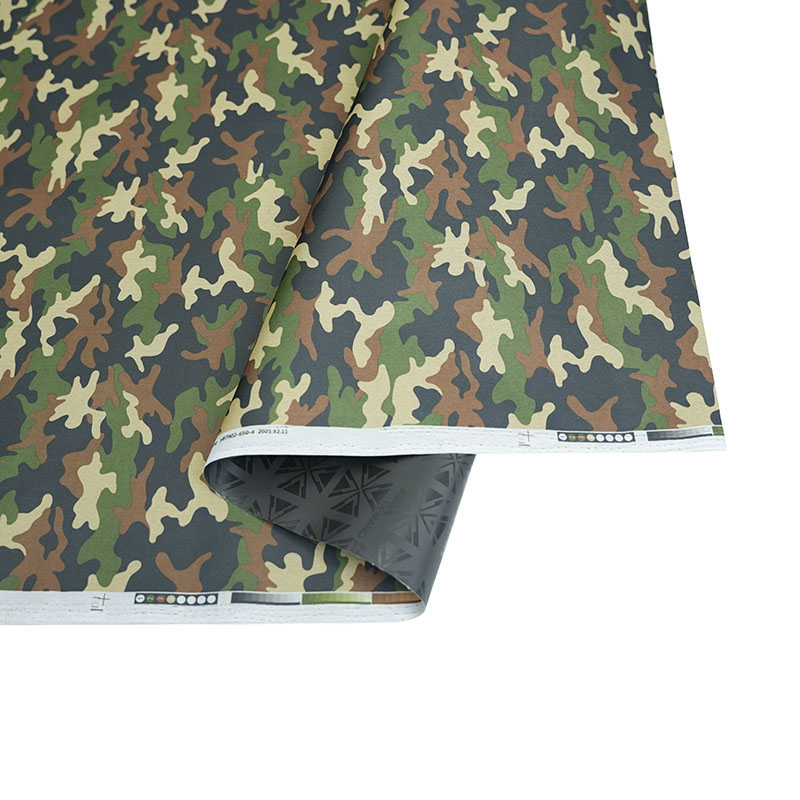
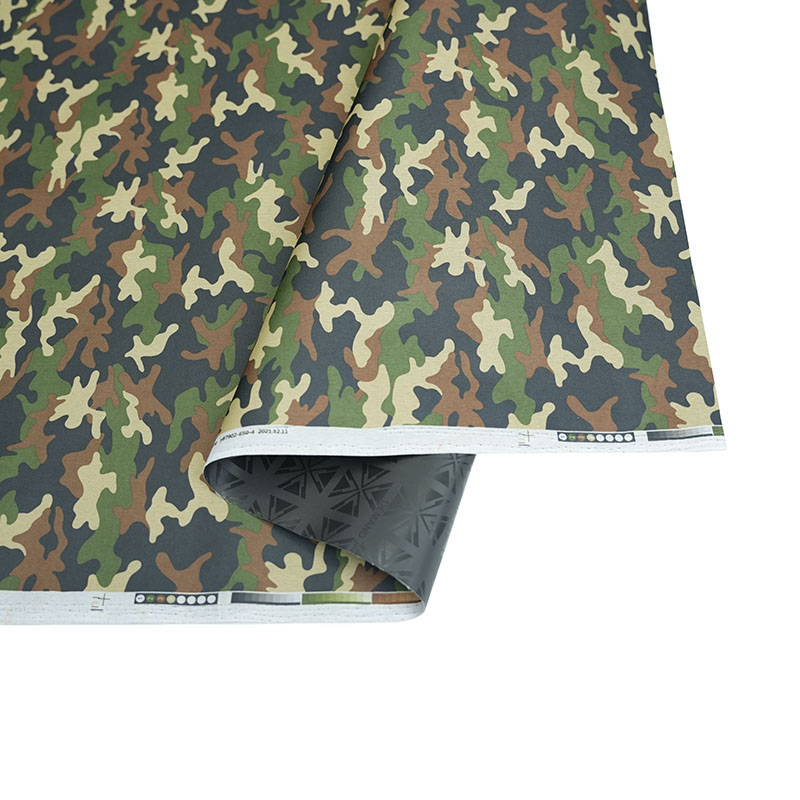
To truly appreciate the utility of this material, one must understand its composition and manufacturing process. Printed Oxford Fabric is typically woven from polyester or nylon fibers using a specific warp and weft technique that creates a checkerboard or basket-like appearance. This structure not only provides a robust base but also contributes to the fabric's breathability and flexibility. The "printed" aspect refers to the post-weaving application of colors, patterns, and designs using rotary screen printing or digital sublimation techniques. This allows for an infinite variety of visual styles, from camouflage and floral prints to intricate geometric patterns. Unlike simple dyed fabrics, printed options offer visual depth and branding potential, making them highly desirable for consumer-facing products where shelf appeal is paramount.
One of the most critical advancements in the production of Oxford textiles is the ability to render them impervious to water. Waterproof printed Oxford fabric takes the inherent durability of the weave and enhances it with specialized polyvinyl chloride (PVC) or polyurethane (PU) coatings. This process involves applying a layer of liquid polymer to one or both sides of the fabric, which cures to form a continuous, impermeable barrier. The result is a material that not only repels water but also offers resistance to oil, grease, and mildew. This makes it an indispensable material for outdoor applications where exposure to the elements is inevitable. The synergy between the vibrant print and the protective coating ensures that the visual appeal of the fabric remains unblemished by rain or spills, maintaining a professional and attractive appearance over the product's lifespan.
While there are various materials available in the market, polyester Oxford cloth with print offers a specific set of advantages that differentiate it from natural fibers like cotton or standard canvas. Polyester is inherently more resistant to stretching, shrinking, and abrasion. When printed, the synthetic fibers hold dyes and pigments exceptionally well, resulting in sharper, longer-lasting images compared to organic materials. The following table illustrates the key performance metrics that make polyester the preferred choice for heavy-duty printed applications.
| Feature | Polyester Oxford Cloth | Standard Cotton Canvas |
| Water Resistance | High (especially when coated) | Low (absorbs moisture) |
| Color Fastness | Excellent (resists fading) | Moderate (fades with UV exposure) |
| Abrasion Resistance | High (durable weave) | Medium (prone to wear) |
| Dry Time | Fast (hydrophobic nature) | Slow (holds water) |
| Tensile Strength | High (synthetic resilience) | Moderate (natural limits) |
The versatility of Oxford fabric allows it to serve a multitude of industries, but specific densifications and customizations target unique market needs. A standout in this category is 600D printed Oxford fabric, where the "D" stands for Denier, a unit of measurement that indicates the linear mass density of fibers. The 600D specification represents a sweet spot in the textile industry—it is substantial enough to offer significant strength and tear resistance for heavy-duty items, yet remains pliable and lightweight enough for comfortable handling and sewing. This specific weight class is ubiquitous in the production of bags, luggage, and cases, where the material must withstand the rigors of travel and daily use without adding unnecessary weight. The ability to print on 600D fabric further enhances its value, allowing for branding and customization that do not compromise the material's structural integrity.
Due to its robust characteristics, 600D printed Oxford fabric is the material of choice for a wide array of consumer goods. Its most prominent application is in the luggage and bag industry, where it is used to construct backpacks, duffel bags, and suitcases. The fabric's thickness ensures that contents are protected from impacts and abrasions, while the water-resistant coatings keep belongings dry during transit. Beyond luggage, it is extensively used in the manufacturing of outdoor furniture covers, tool bags, and pet carriers. The printing capability allows manufacturers to produce attractive patterns that appeal to consumers, transforming functional items into fashion statements.
| Application | Requirement Met | Benefit of 600D Print |
| Backpacks & Luggage | Tear resistance & Weight | Durable yet light; customizable look |
| Outdoor Furniture Covers | Weatherproofing | UV resistant prints; waterproof |
| Tool Bags | Heavy load bearing | Withstands rough handling; easy ID |
| Pet Carriers | Hygiene & Ventilation | Easy to clean; attractive designs |
| Tent Accessories | Environmental exposure | Waterproof; blends with nature |
In a competitive marketplace, brand differentiation is crucial. Custom printed Oxford fabric provides businesses with a powerful tool to establish a unique identity. By working directly with manufacturers, brands can specify exact Pantone colors, repeat patterns, and graphic designs that align with their seasonal collections or corporate identity. Custom printing goes beyond mere aesthetics; it allows for the integration of functional features such as reflective strips for safety or tactical camouflage patterns for specialized gear. Furthermore, custom orders can specify the exact weight and coating type, ensuring that the fabric performs precisely as required for the end-use, whether that involves extreme cold resistance or high flexibility.
The production of high-quality printed fabrics relies heavily on the sophistication of the manufacturing equipment. Jiangyin Jiangdong Plastic Co., Ltd. exemplifies this industrial excellence through its state-of-the-art infrastructure. By integrating weaving, dyeing, and film sticking into a cohesive production line, the company ensures strict quality control at every stage of the fabric's creation. This vertical integration minimizes handling errors and allows for rapid turnaround times on custom orders. The utilization of technology imported from Germany, Japan, and Taiwan ensures that the final product meets international standards for consistency, durability, and print clarity. Such technological capability is essential for producing the complex, multi-layer fabrics demanded by the modern market.
Established over two decades ago, Jiangyin Jiangdong Plastic Co., Ltd. has built a formidable reputation in the textile and synthetic leather industry. Jiangyin Jiangdong Plastic Co., Ltd. was founded in 1999. It is committed to the development, production and sale of the PVC artificial leather since its founding. This long-standing commitment has allowed the company to cultivate deep expertise and a keen understanding of material science. Our company has a manufacturing area of 35,000 square meters. At present, we have imported advanced production lines from Germany, Japan, Taiwan and other places, integrating weaving, dyeing, and film sticking. This massive facility, coupled with cutting-edge technology, positions the company as a leader in the field, capable of meeting the high-volume demands of clients worldwide while maintaining the artisanal attention to detail required for premium synthetic materials.
The company's portfolio is extensive, catering to a wide spectrum of industrial and consumer needs. It has applied advanced technology in producing bag leather, all sorts of artificial leather (shoe leather, sofa leather, decoration leather, car mat), advertisement films, etc. The annual output is more than 60 million meters. This staggering production capacity is a testament to the efficiency and scale of the operation. From durable fabrics for heavy-duty bags to plush leathers for comfortable sofas and resilient materials for automotive floor mats, the company's versatility ensures that it can serve as a one-stop solution for diverse procurement needs. The inclusion of advertisement films further highlights the company's capability to produce materials with high visual impact, a trait that is increasingly important in the modern retail environment.
| Product Category | Application | Market Value |
| Bag Leather | Luggage, Backpacks, Cases | Durability & Style |
| Sofa Leather | Furniture, Upholstery | Comfort & Aesthetics |
| Car Mat Leather | Automotive Interiors | Wear & Stain Resistance |
| Advertisement Films | Marketing, Signage | Visual Clarity & Impact |
Quality products know no borders, and the company has successfully established a strong international presence. Our products were mainly exported to Southeast Asia, the Middle East, South Africa, and other countries and regions. This global footprint demonstrates the universal appeal and reliability of the materials produced. By maintaining rigorous export standards and understanding the specific regulatory and aesthetic preferences of different regions, the company has cultivated enduring partnerships across the globe. Whether supplying the bustling markets of Southeast Asia or the demanding industrial sectors of the Middle East, Jiangyin Jiangdong Plastic Co., Ltd. remains a trusted partner in the global supply chain, driving innovation and quality in the synthetic leather and fabric industry.
Printed Oxford Fabric is highly suitable for outdoor use because of its tight basket weave structure and the ability to apply protective coatings. When treated with PVC or PU, it becomes waterproof and resistant to mold and mildew. Additionally, the synthetic fibers (usually polyester) are UV resistant, meaning the prints and fabric strength will not degrade quickly under sunlight.
Yes, 600D printed Oxford fabric is a standard and highly effective material for luggage and backpacks. The 600 denier count indicates a dense, strong thread that offers excellent tear and abrasion resistance. It strikes a perfect balance between being heavy-duty enough to protect contents and being lightweight enough to avoid making the luggage cumbersome.
Absolutely. Custom printed Oxford fabric is a core service offered by specialized manufacturers. You can supply your own artwork, logos, or color specifications (such as Pantone numbers). The manufacturing process allows for high-definition printing, ensuring that your custom design is vibrant and durable enough to withstand the fabric's intended use.
High-quality polyester Oxford cloth with print is treated with color-fastness agents during the dyeing and printing process. When combined with a waterproof coating, the print is sealed and protected from the elements. While all textiles will eventually fade with extreme UV exposure over many years, standard printed Oxford fabric is designed to retain its color through normal use, rain, and repeated washing.
The primary difference lies in water resistance. Uncoated Oxford fabric is breathable and may absorb water, whereas waterproof printed Oxford fabric has been treated with a layer of PVC or PU. This coating seals the weave, making the fabric impermeable to water while also adding stiffness and durability, making it suitable for bags and covers rather than clothing.
Add: No.285 Shashan Avenue, Zhouzhuang Town, Jiangyin City, Jiangsu Province, China.
Tel: +86-510-86903827
Rachel Wang:
+86-18651025719 (Phone)
[email protected] (Email)
Jessica Qian:
+86-13739165356 (Phone)
[email protected] (Email)
Cathay Xia:
+86-18021569150 (Phone)
[email protected] (Email)
Copyright © Jiangyin Jiangdong Plastic Co., Ltd. All Rights Reserved.Custom PVC Artificial Leather Manufacturers


 English
 中文简体
中文简体