
 English
 中文简体
中文简体News
Home / News / Industry News / What Makes Waterproof PVC Leather for Sofa Resistant to Liquid Penetration?

Content
Waterproof PVC leather for sofa has become a preferred upholstery choice in homes where spills, pets, and daily wear are unavoidable. The essential question is not whether liquids bead up on the surface, but why they fail to penetrate the material in the first place. The answer lies in a carefully engineered structure: a dense polyvinyl chloride layer fused to a textile backing, then finished with surface treatments that close every microscopic pathway.
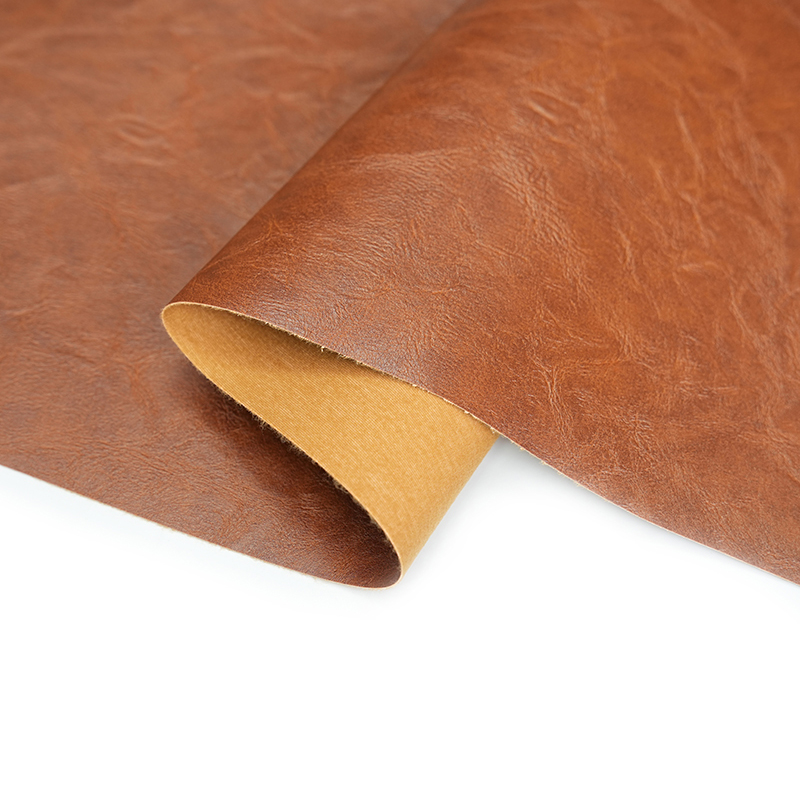
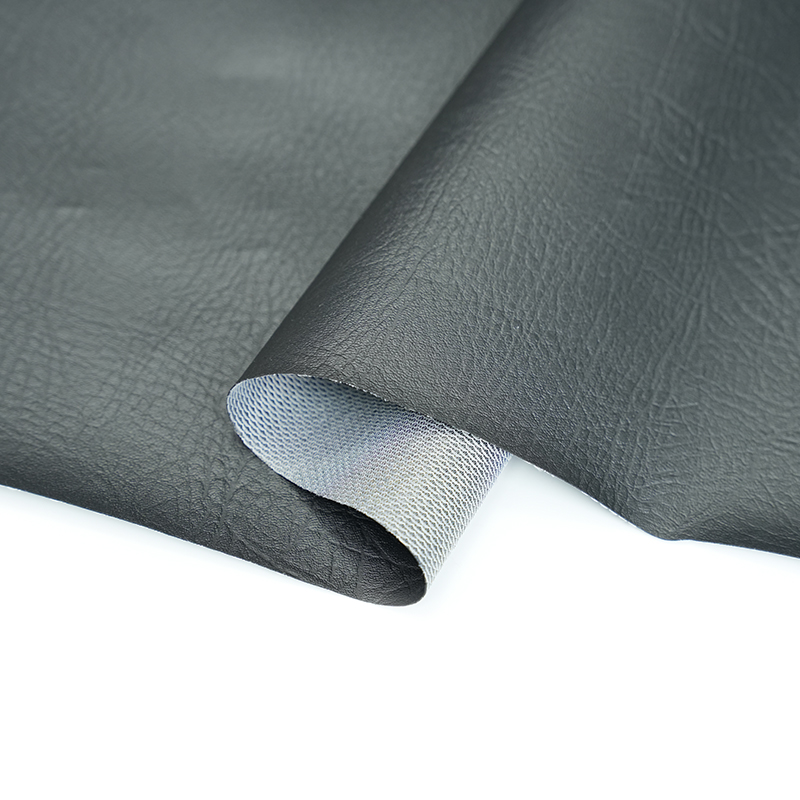
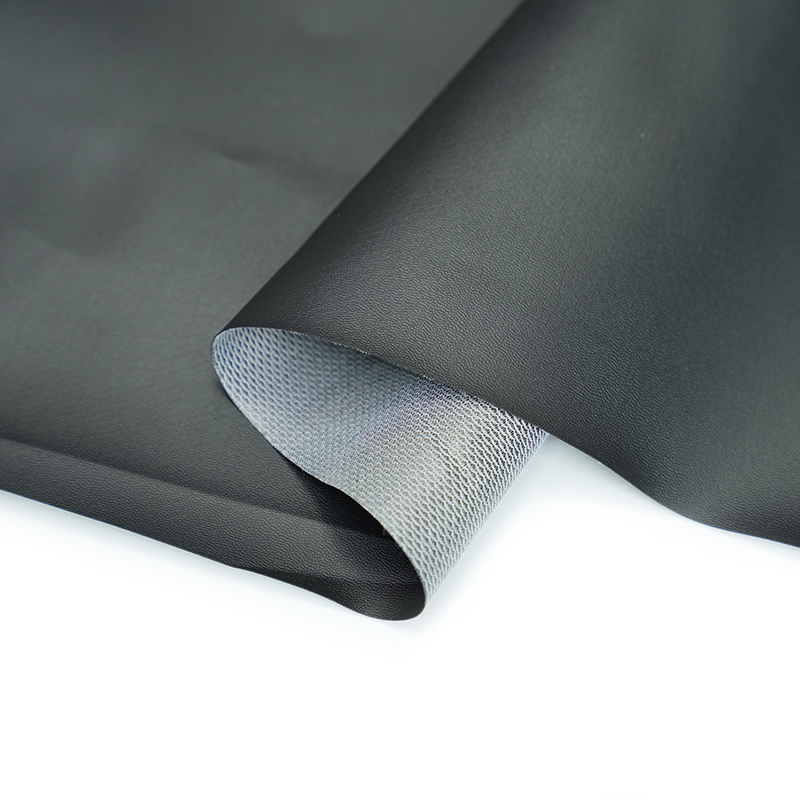
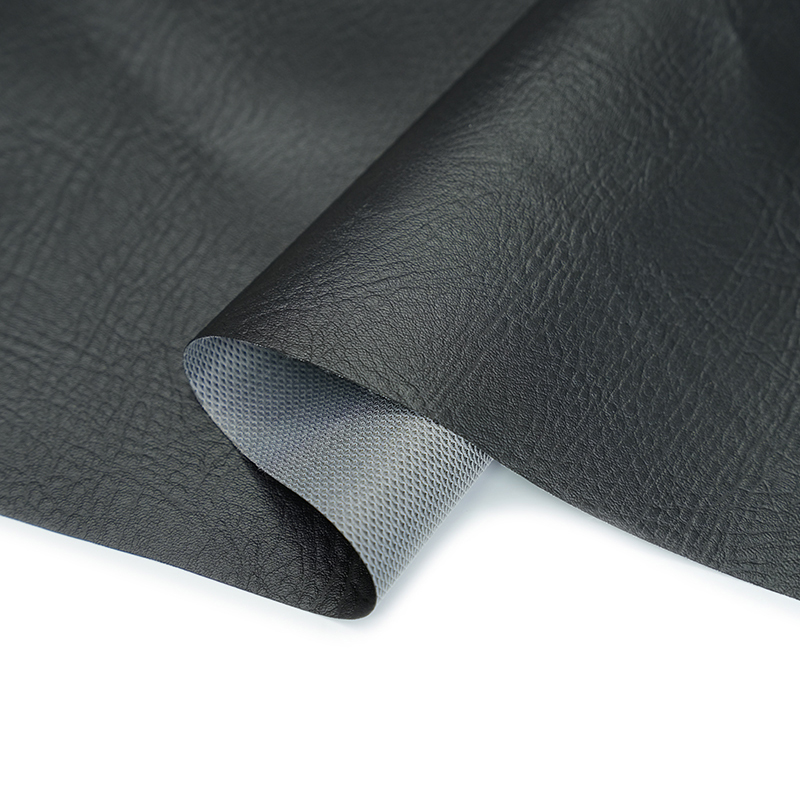
Every roll of waterproof PVC leather for sofa is built from distinct layers, each with a specific function. The outermost layer is a clear or pigmented top coat that provides gloss, stain release, and an additional hydrophobic surface. Beneath it sits the expanded or solid PVC plastisol layer, which gives the material its body, softness, and primary waterproof barrier. Underneath is the backing fabric, typically a knit or woven polyester, which supplies tear strength and dimensional stability.
The critical point is that the PVC layer is not a superficial coating prone to pinholes; it is a molten film that fuses with the substrate during production. When the plastisol is spread onto the fabric and passes through a heated oven, it gels, fuses, and wraps around the fibers of the backing. This creates a continuous polymer skin that liquid cannot cross. As long as that continuity is maintained, water has no route from the surface to the fabric beneath.
The chemistry of PVC reinforces the physical barrier in waterproof sofa leather. Polyvinyl chloride is a polymer whose backbone includes chlorine atoms that give it a largely hydrophobic character. Water molecules are more attracted to each other than to the PVC surface, so they gather as droplets instead of spreading into the material. That is why a spill on a quality waterproof sofa leather beads up rather than soaking in.
Plasticizers also play a role. Phthalate or non-phthalate plasticizers are blended with the PVC resin to make the film flexible enough for seating. When correctly formulated, the plasticizer fills the free volume between polymer chains, making the film denser and shrinking the size of any potential molecular pathways. The result is a closed-cell barrier that behaves like an impermeable membrane.
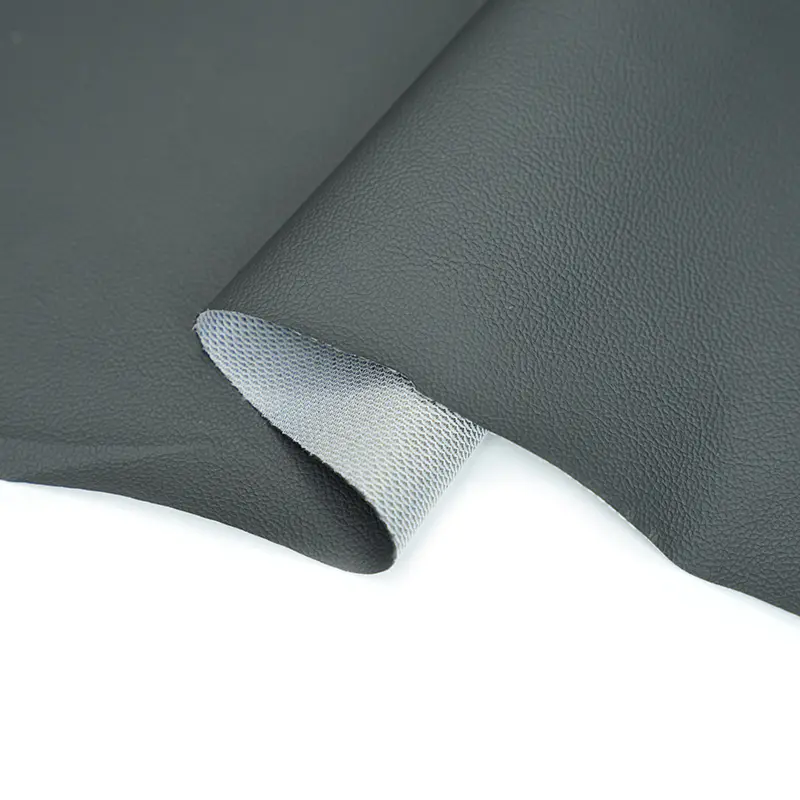
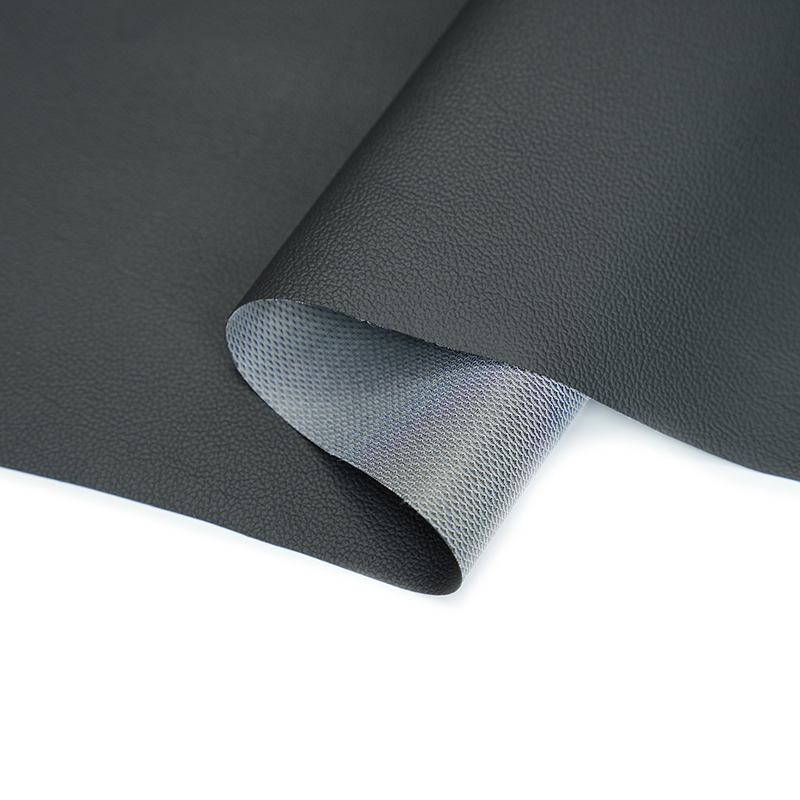
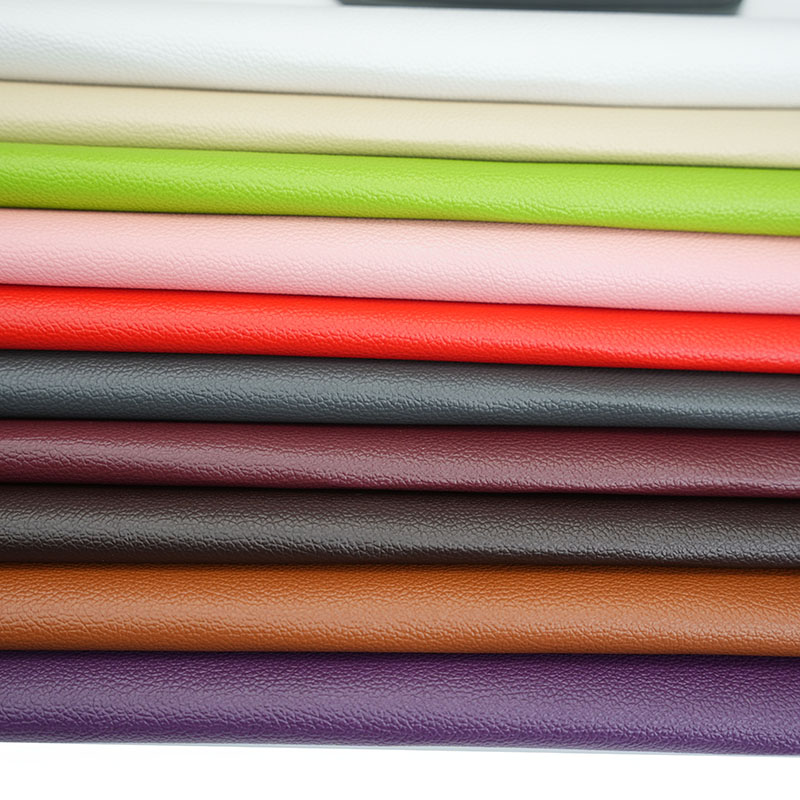 Waterproof PVC Leather for Sofa Upholstery with Knit Fabric BackingThis 1 mm waterproof PVC leather with knit backing offers balanced flexibility and durability. Its closed-cell barrier resists liquid penetration, making it a practical choice for sofa seating.View Product →
Thickness has a direct influence on how much liquid a sofa leather can resist before mechanical damage creates an entry point. Sofa-grade PVC leather typically ranges from 1.5 mm to 4.0 mm. Thicker materials contain more polymer mass, which means a scratch or surface crack is less likely to reach the backing fabric. But thickness alone is not enough; density must be uniform across the roll.
During spreading or calendering, manufacturers control the coating weight per square meter. If the plastisol is applied too thinly or at an inconsistent thickness, weak points can develop. Quality waterproof PVC leather for sofa is produced with precise roller gaps and oven temperatures to ensure uniform fusion. The table below outlines the key factors that determine liquid resistance.
| Factor | Effect on Liquid Resistance | Typical Sofa-Grade Range |
|---|---|---|
| PVC resin grade | Higher molecular weight improves film integrity | Paste or suspension resin |
| Coating thickness | Blocks penetration for longer periods | 1.5 – 4.0 mm |
| Plasticizer system | Reduces micro-voids in the polymer film | Flexible, balanced formula |
| Fusion temperature | Eliminates pinholes during production | 160 – 190 °C |
| Surface seal coat | Adds a final hydrophobic layer | Acrylic or PU finish |
Some buyers assume that embossed textures such as litchi grain or geometric patterns create channels for liquid to travel. In reality, embossing is performed with heated rollers that compress and reshape the PVC surface without cutting through it. The polymer film remains continuous; the texture is a topographical change, not a perforation.
Many suppliers also apply a sealant top coat after embossing. This transparent finish fills any micro-roughness left by the process and adds a low surface energy that makes liquids bead. The combination of a sealed surface and an attractive texture gives sofa manufacturers the visual appeal of natural leather with the liquid resistance of a synthetic polymer. For furniture brands seeking this balance, a dedicated range of PVC leather for sofa is available with multiple embossing and finish options.
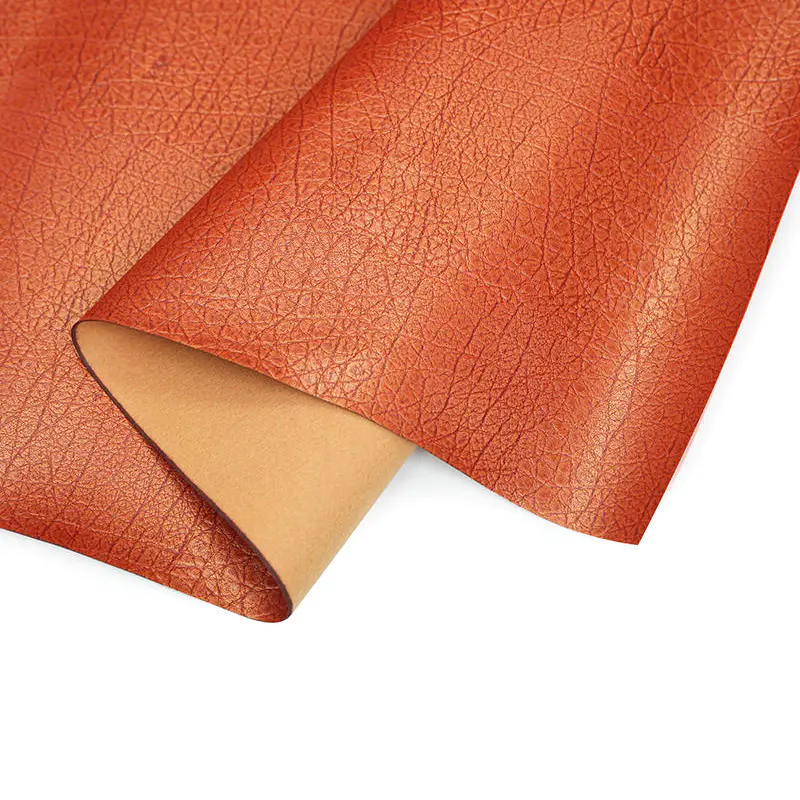
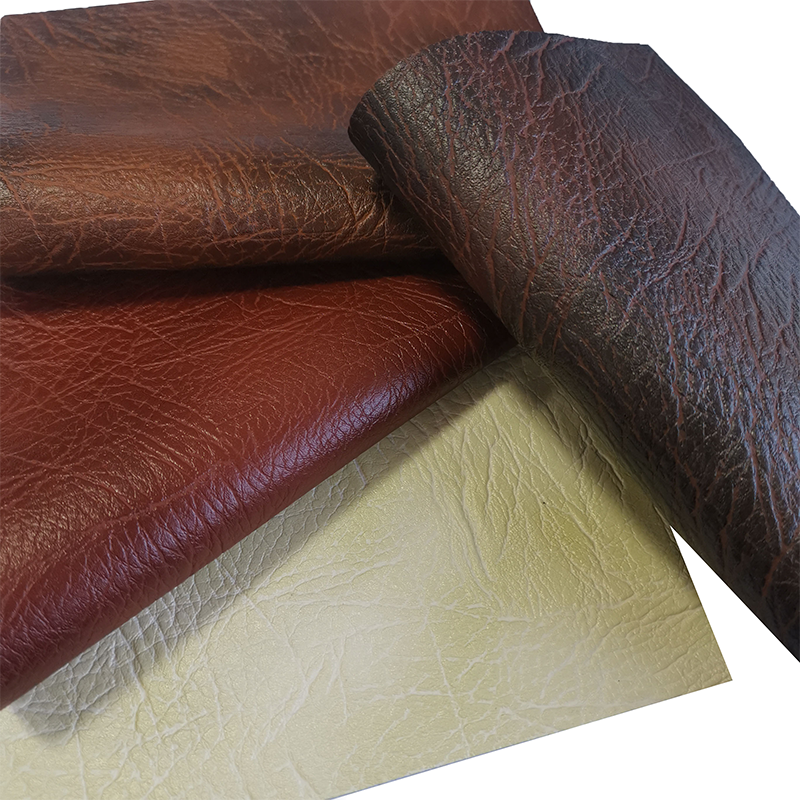 Water Resistant PVC Leather with Velvet Backing Pattern K107Featuring imitation fabric velvet backing and water-resistant properties, this PVC leather combines softness with durability. Ideal for sophisticated sofa upholstery where moisture resistance matters.View Product →
The backing fabric in PVC sofa leather, usually a woven polyester, knit, or nonwoven, is fully encapsulated by the polymer layer. Because the plastisol penetrates into the yarns and fuses around individual fibers during heating, there is no exposed capillary path. Even if a spill sits on the surface for a long time, the liquid cannot wick sideways or downward into the cushion padding.
Edge treatment is also important. Upholsterers who cut and sew PVC leather must consider cut edges, since exposed fabric at a seam is theoretically vulnerable. In practice, edges are folded, bound, or treated with a seam sealer to prevent moisture from reaching the inner cushion. When paired with a well-coated material, these procedures provide reliable everyday protection.
The production process determines whether the theoretical waterproofness of PVC becomes a real product property. Key steps include mixing the plastisol, degassing to remove air bubbles, spreading or calendering the coating onto the backing, gelation at controlled temperatures, and final fusion in a heated oven. Each step must be tightly controlled.
Degassing deserves special attention. If air bubbles remain in the plastisol, they expand during heating and create pinholes in the finished film. Once a network of pinholes exists, liquid can slowly migrate through the material. Established manufacturers use vacuum degassing, fine filtration, and inline thickness monitoring to prevent such defects. Rolls are also inspected and tested to confirm that the barrier performance meets specification.
To evaluate whether a waterproof PVC sofa leather truly resists liquid penetration, manufacturers and buyers use simple but effective methods:
After wiping, the surface should show no darkening or swelling, and the backing should remain dry. A sofa-grade material also withstands daily spills, pet accidents, and occasional cleaning without losing its barrier properties. This reliable behavior is one reason why waterproof PVC leather is reshaping modern sofa design. In busy households, the ability to clean a spill in seconds without permanent marking is a decisive advantage.
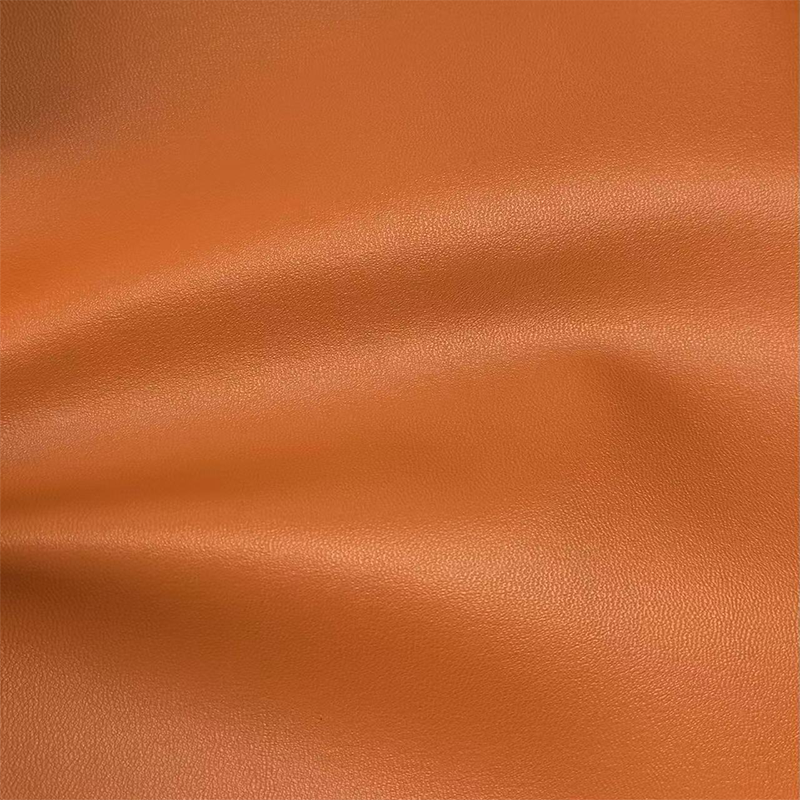 Quick-Dry PVC Leather for Sofa with Reinforced BackingEngineered for rapid moisture evaporation, this PVC leather prevents mold and water damage. A reinforced 5-thickness backing adds stability, making it perfect for busy households and commercial use.View Product →
In a well-manufactured material, the fused polymer film is continuous and non-absorbent, so liquids remain on the surface. However, if the leather is deeply scratched or cut, the exposed backing may wick moisture. Wiping spills promptly is still the best practice.
No. Embossing is a thermal compression process that reshapes the surface while keeping the polymer layer intact. A top coat applied after embossing further seals the texture.
No. Liquid resistance depends on coating thickness, formulation, fusion quality, and surface finishing. Buyers should request samples and verify specifications before placing bulk orders.
Blot the liquid immediately with a soft cloth, then wipe the area with a mild soap solution and dry it with a clean towel. Avoid abrasive cleaners, which can damage the top coat and reduce its liquid resistance.
Add: No.285 Shashan Avenue, Zhouzhuang Town, Jiangyin City, Jiangsu Province, China.
Tel: +86-510-86903827
Rachel Wang:
+86-18651025719 (Phone)
[email protected] (Email)
Jessica Qian:
+86-13739165356 (Phone)
[email protected] (Email)
Cathay Xia:
+86-18021569150 (Phone)
[email protected] (Email)
Copyright © Jiangyin Jiangdong Plastic Co., Ltd. All Rights Reserved.Custom PVC Artificial Leather Manufacturers
