
 English
 中文简体
中文简体News
Home / News / Industry News / How Cat Scratch Resistance Works in PVC Artificial Leather: Full Material Guide

Content
Few things frustrate pet owners and furniture makers more than a beautiful upholstery surface ruined by cat claws. Scratching is natural cat behavior, used to stretch, mark territory, and maintain claws. To deal with this, manufacturers have developed PVC artificial leather with improved resistance to cat scratches. But how does cat scratch resistance actually work in PVC artificial leather? The answer lies in the material’s structure, the chemistry of the PVC layer, and the way the surface interacts with a claw.
PVC artificial leather is a composite material. A fabric backing is coated with a compound made from PVC resin, plasticizers, stabilizers, fillers, pigments, and functional additives. Its scratch resistance comes from several coordinated properties:
During manufacture, the PVC topcoat can be reinforced with cross-linking agents, ultra-fine silica, or wax-based lubricants. Cross-linking makes the polymer network stiffer so that a claw tip cannot easily cut through. Lubricants lower the coefficient of friction, causing the claw to slide across the surface rather than penetrating. Plasticizers keep the layer flexible enough to absorb pressure without cracking.
This balance explains why PVC leather can feel durable while still being comfortable enough for upholstery.
Scratch resistance is not only about the surface. If the surface is scratched deeply enough to expose the backing, the base fabric determines whether the damage stops or spreads. A tightly woven polyester, cotton, or oxford fabric provides tear resistance and prevents a claw puncture from expanding into a long rip.
Most PVC artificial leather has multiple layers: a transparent PVC top coat, a coloured PVC wear layer, sometimes an expanded foam layer, and the fabric backing. Each layer plays a role. The top coat must be hard but smooth; the wear layer must absorb stress; the foam layer provides cushioning; the backing keeps the whole structure dimensionally stable.
| Layer | Main Contribution to Scratch Resistance |
|---|---|
| Clear top coat | Hardness, low friction, resistance to surface scoring |
| PVC wear layer | Flexibility, pressure absorption, recovery after deformation |
| Foam / filler layer | Cushioning, reduces stress concentration |
| Fabric backing | Tear resistance, prevents scratch propagation |
Because the fabric layer is critical, manufacturers often use heavier constructions such as oxford or knitted polyester in anti-scratch grades. For an extra tough surface, a PVC-coated anti-scratch oxford fabric can be combined with a high-performance topcoat.
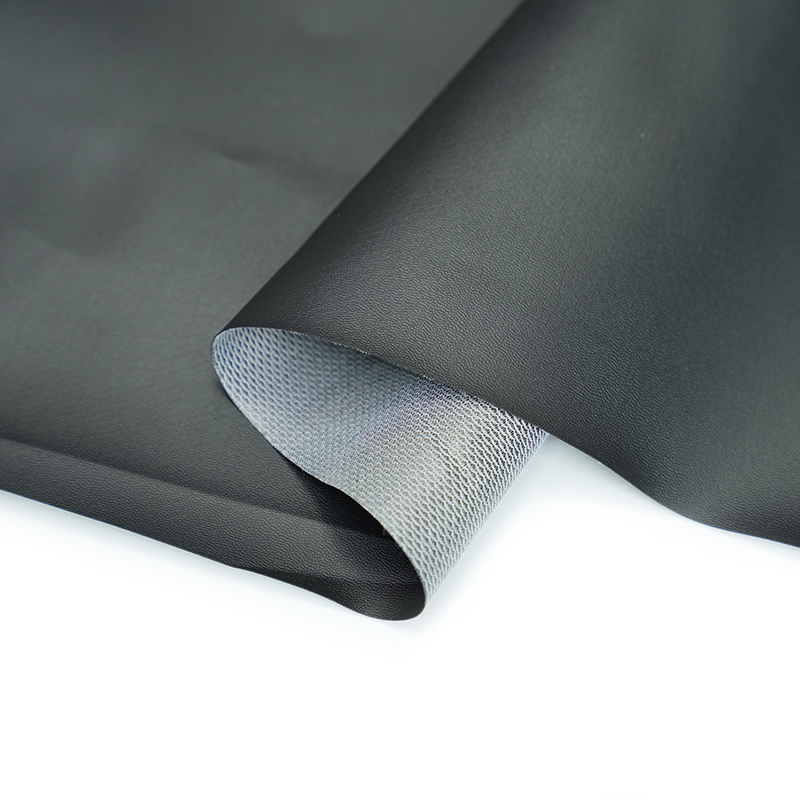
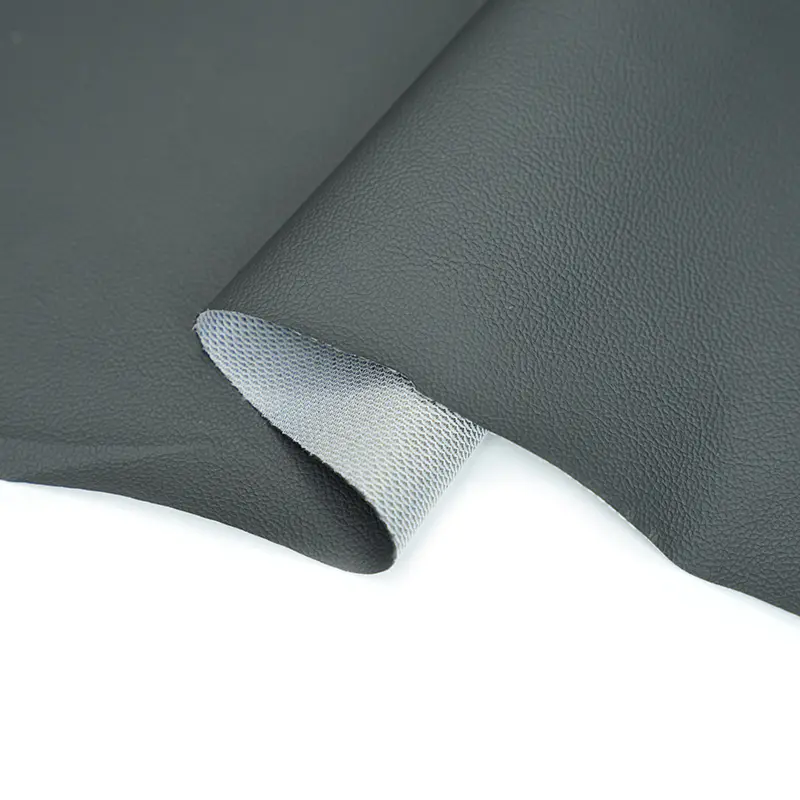
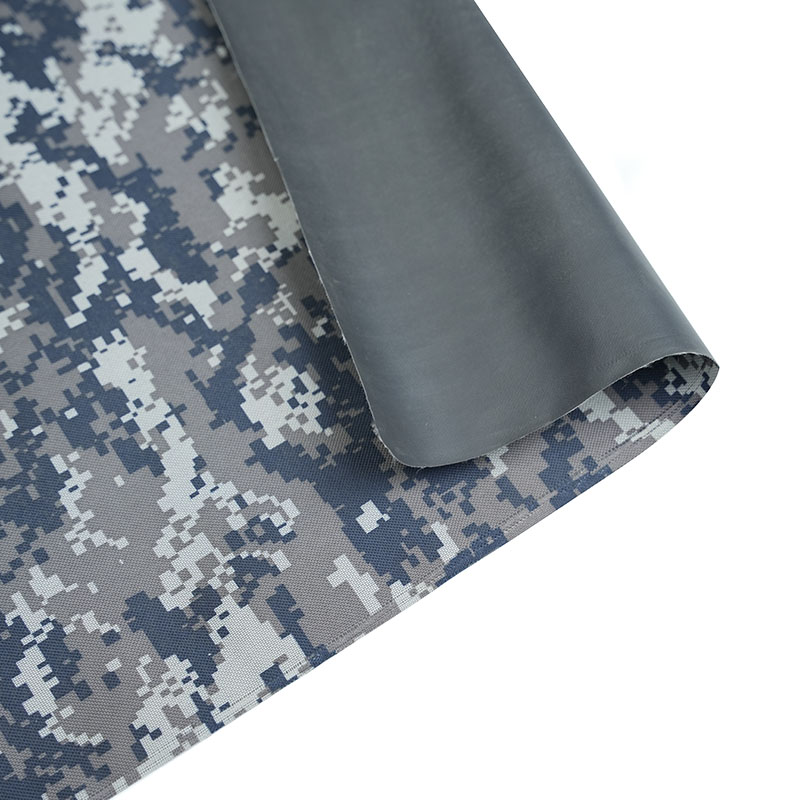 PVC-Coated Anti-Scratch Oxford Fabric for Durable UpholsteryThis 300D oxford fabric with a 0.4mm PVC coating offers a sturdy yet flexible surface, making it a practical choice for applications that need long-lasting scratch resistance.View Product →
To understand why this kind of backing can remain stable over many years, it helps to review how anti-scratch oxford fabric maintains its long-term durability.
There is no single universal cat scratch test. Labs and factories use a combination of standard abrasion tests and custom claw-simulation methods.
| Test | What It Measures | Common Metric |
|---|---|---|
| Taber abrasion | Repeated mechanical wear on the surface | Cycles until wear-through |
| Pencil hardness | Resistance to penetration by a sharp object | Hardness grade, such as 2H |
| Tear strength | Resistance to propagation from a cut or snag | Force per unit thickness |
| Claw simulator | Cat-specific scratching motion | Scratch depth and visual rating after repeated passes |
In a typical claw simulator, an artificial cat claw, usually a metal or ceramic tip, is dragged across the material at a controlled angle and pressure. The test records whether the surface is cut, the depth of any groove, and whether the backing is exposed after repeated passes. A good anti-scratch PVC leather will show only faint surface marks or complete recovery, not a torn backing.
For sofa and furniture applications, the key is not to pass a single test but to balance surface hardness, flexibility, and tear resistance.
Genuine leather has a natural grain and luxurious feel, but many leather finishes are relatively soft. A cat’s claw can pierce the surface and leave an irreversible hole or tear. PU leather is another common choice, yet low-cost PU often has a thinner topcoat and may break down under repeated scratching.
PVC artificial leather can be engineered for higher scratch resistance. The PVC compound is dense and can be made thicker than many PU coatings. It can include additives that increase hardness and reduce friction. The surface grain can also be designed to camouflage light scratches. This does not mean every PVC leather is automatically cat-proof, but it means the material has a wide design window for resistance.
Scratch resistance is not the same as scratch-proof. It increases the force required to leave a permanent mark and makes ordinary light scratches far less visible.
Manufacturers have taken advantage of this by producing dedicated anti-scratch PVC leather for sofa products. If you are selecting a material for a living room couch, a thicker PVC wear layer with an embossed grain is a better starting point than a smooth, thin decorative grade.
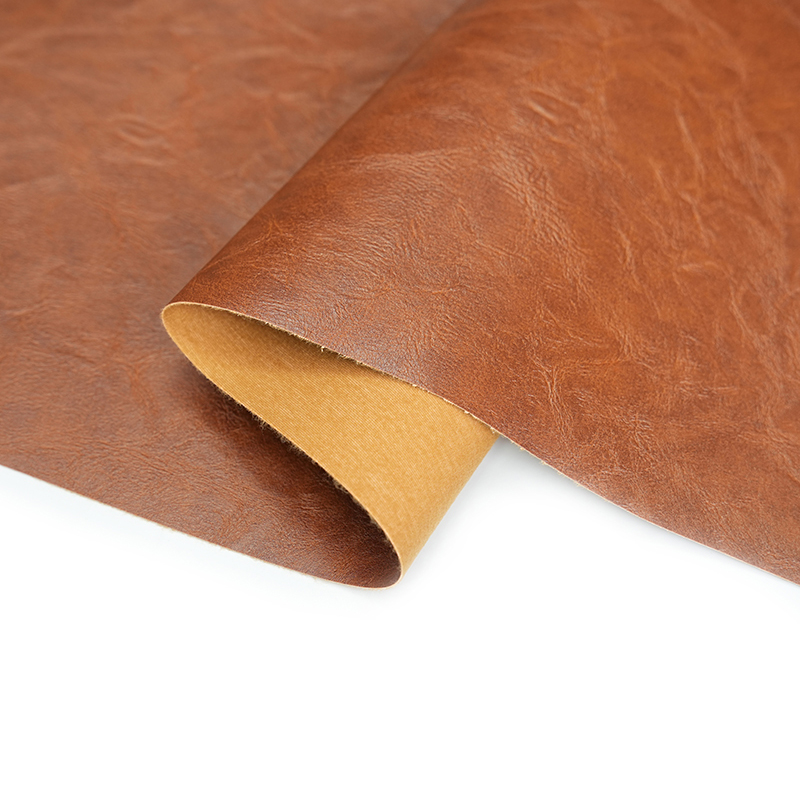
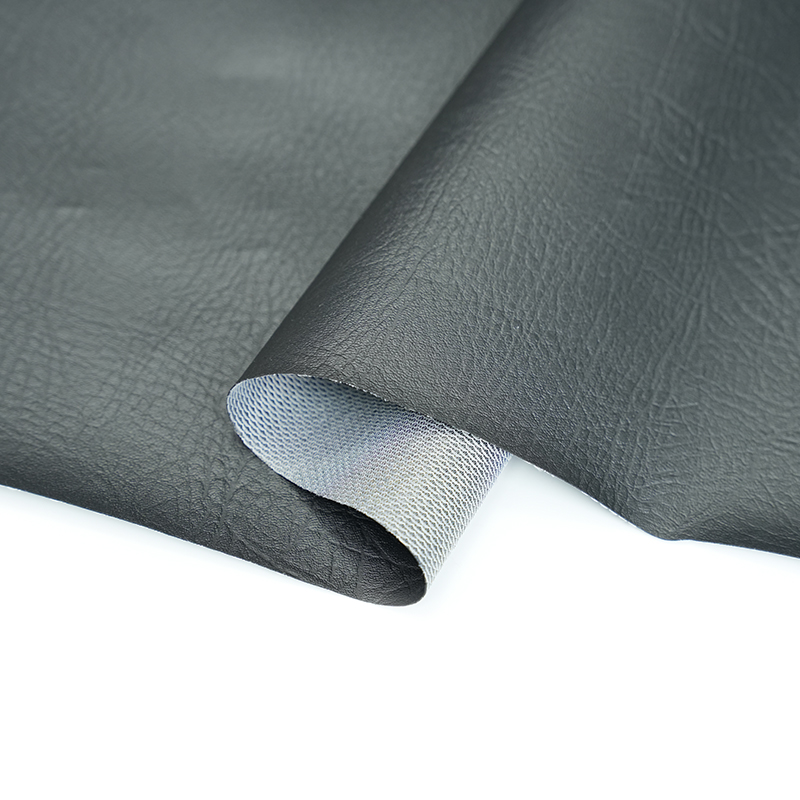
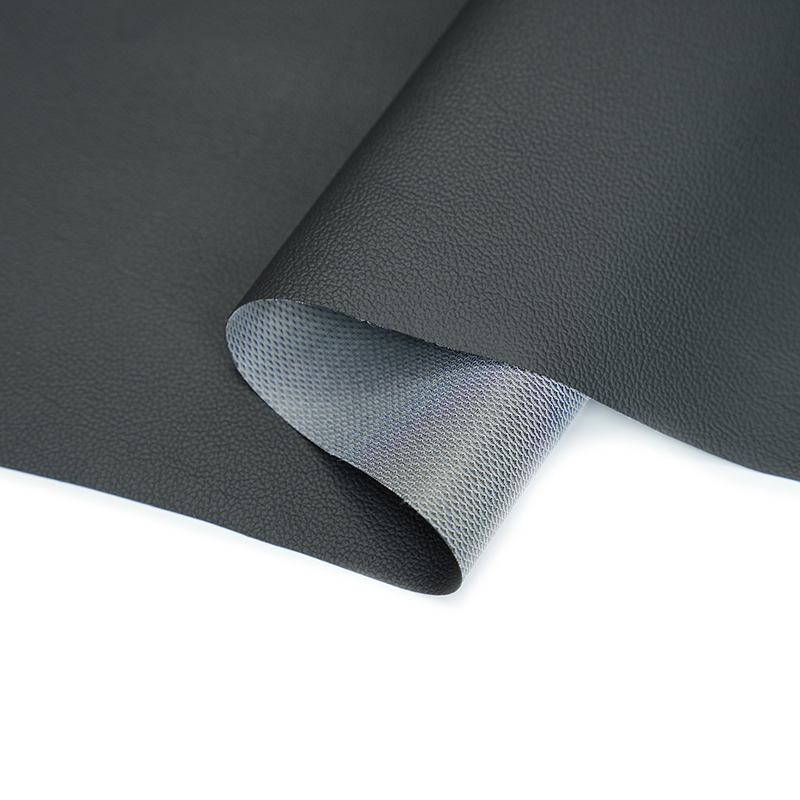
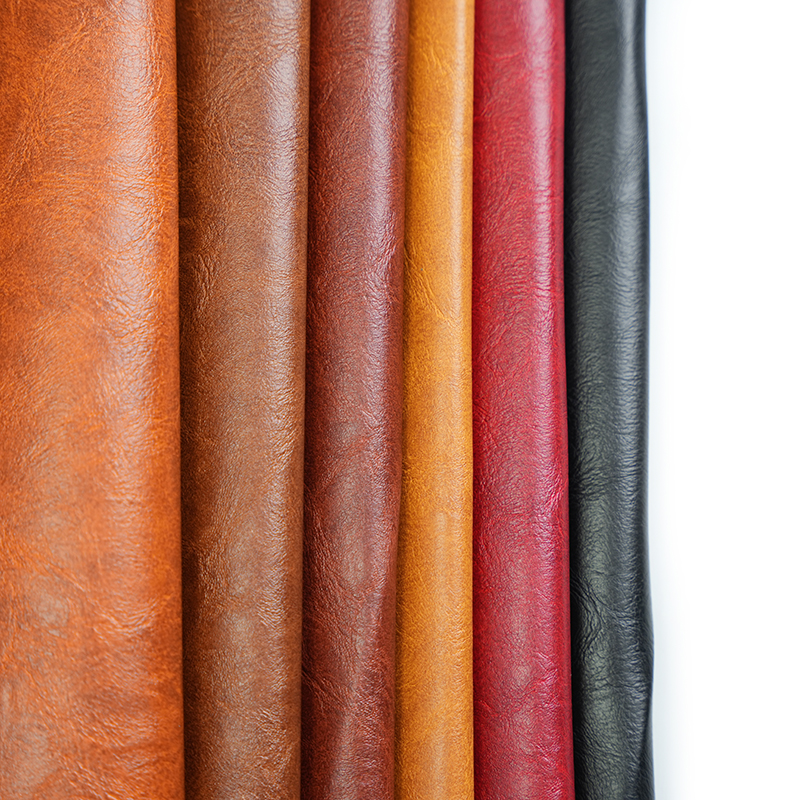 Anti-Scratch PVC Leather with Brushed Fabric Backing for SofasWith a 0.8mm thickness and a brushed fabric backing, this PVC leather balances softness and durability, helping sofas resist surface marks while maintaining a comfortable feel.View Product →
For another angle on how this practical balance works, see why PVC artificial leather for sofa can balance practicality and comfort.
When selecting PVC artificial leather for furniture, bags, or car interiors, focus on four factors:
For sofas and lounge chairs, an anti-scratch PVC leather with a soft hand feel is often ideal. For car floor mats and luggage that face heavy paw traffic, a tougher formulation with a thicker topcoat is worth the trade-off in flexibility.
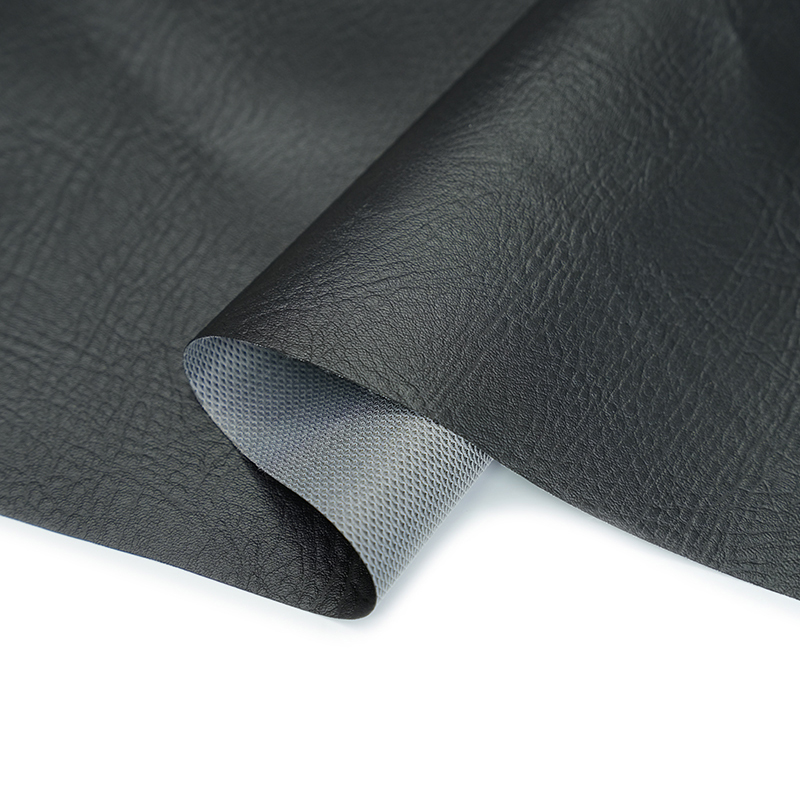
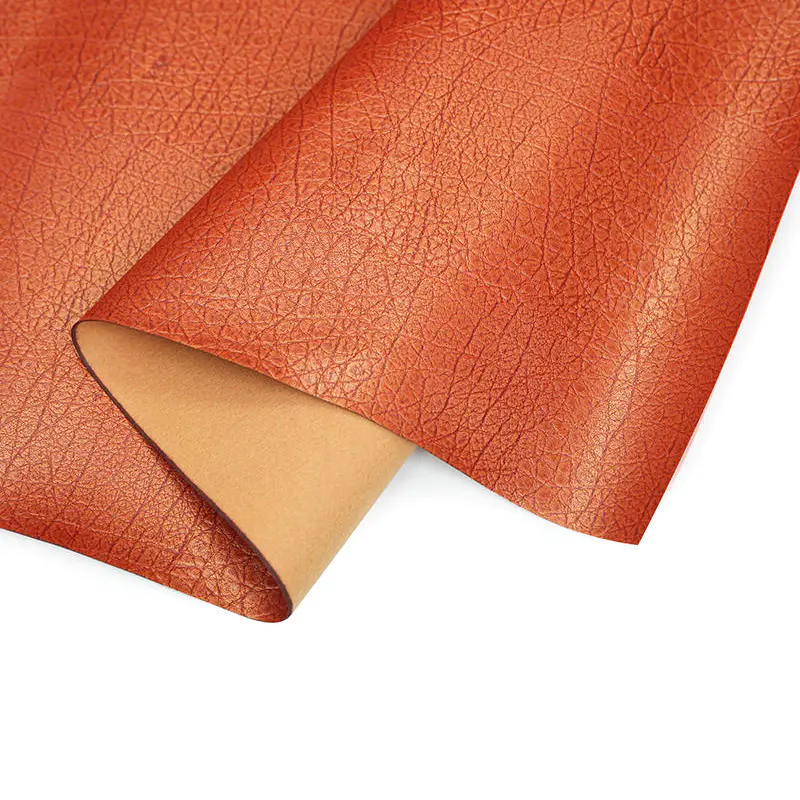
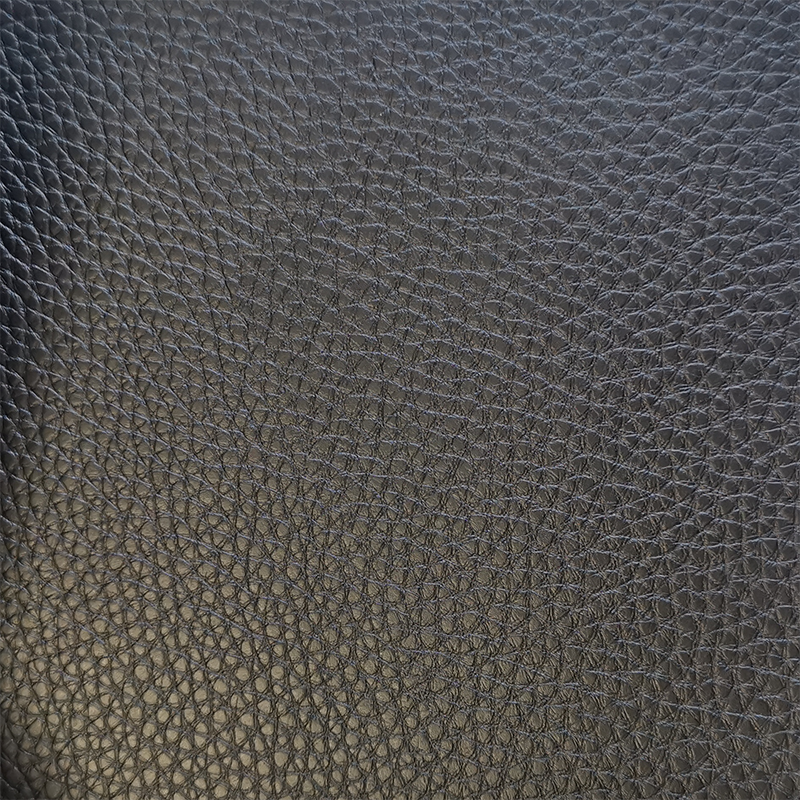 Anti-Scratch PVC Artificial Leather with Acupuncture Fabric for Car MatsThis 1.8mm thick PVC leather reinforced with 230g acupuncture fabric is built for heavy use, providing reliable scratch resistance and shape retention for car floor mats.View Product →
Designers also use decorative finishes, including printed, metallic, and embossed patterns, in cat-friendly homes. A busy pattern can make the remaining light marks almost unnoticeable.
Even the best anti-scratch PVC leather will eventually show wear if a cat repeatedly scratches the same spot with high force. Simple habits extend the material’s life:
If a light surface scratch appears, it may become less visible after gentle cleaning because the PVC surface can partially recover or the scratch remains only in the top coat. A deep cut or tear that exposes the backing is more difficult to repair and may require patching or reupholstery.
A cat’s claws apply concentrated pressure to the material. If the PVC surface is too soft, the claw cuts into it. If the surface is too brittle, the scratch can chip or crack. Anti-scratch formulations aim to avoid both extremes.
No. Scratch resistant means the material tolerates more force and hides minor damage better than standard PVC leather or many other upholstery materials. It does not mean a determined cat cannot cause damage.
Ask the supplier for abrasion and tear test data, or run a simple fingernail or key test on a sample. For a more realistic result, use a simulated claw tip and observe whether the surface cuts or the backing becomes visible.
Light surface scratches may fade after gentle cleaning or become less noticeable on embossed finishes. Deep cuts that expose the fabric backing are not easily repaired and usually require replacing the affected material.
Cat scratch resistance in PVC artificial leather is not a single ingredient or a magic coating. It is an engineered balance between a hard yet flexible PVC surface, a low-friction topcoat, an energy-absorbing body, and a strong fabric backing. Understanding this mechanism helps buyers choose the right grade for sofas, bags, car mats, and other products.
When sourcing anti-scratch materials, ask about layer construction, backing fabric, thickness, and test results. A well-designed PVC artificial leather will not be completely claw-proof, but it can turn stressful cat encounters into minor surface events that are easy to live with.
Add: No.285 Shashan Avenue, Zhouzhuang Town, Jiangyin City, Jiangsu Province, China.
Tel: +86-510-86903827
Rachel Wang:
+86-18651025719 (Phone)
[email protected] (Email)
Jessica Qian:
+86-13739165356 (Phone)
[email protected] (Email)
Cathay Xia:
+86-18021569150 (Phone)
[email protected] (Email)
Copyright © Jiangyin Jiangdong Plastic Co., Ltd. All Rights Reserved.Custom PVC Artificial Leather Manufacturers
