
Content
The global market for leather goods is evolving rapidly. Manufacturers and designers seek unique materials to differentiate their products. Custom-printed leather fabric provides a solution for brands looking to establish a distinct visual identity. This material combines the tactile benefits of traditional leather with the versatility of modern printing technology. For B2B buyers, understanding the technical nuances of these materials is crucial for ensuring product quality and cost-efficiency.
The quality of the final product depends heavily on the printing method used. Different technologies offer varying degrees of resolution, speed, and durability.
Digital printing on a leather substrate represents the forefront of customization technology. This method uses inkjet technology to apply ink directly onto the leather surface. It allows for high-resolution patterns and photographic-quality images. This process is ideal for short runs and complex designs because it requires no plate-making. Engineers appreciate the precision of digital printing, which minimizes ink waste. It works exceptionally well for prototypes and seasonal collections where speed is critical.
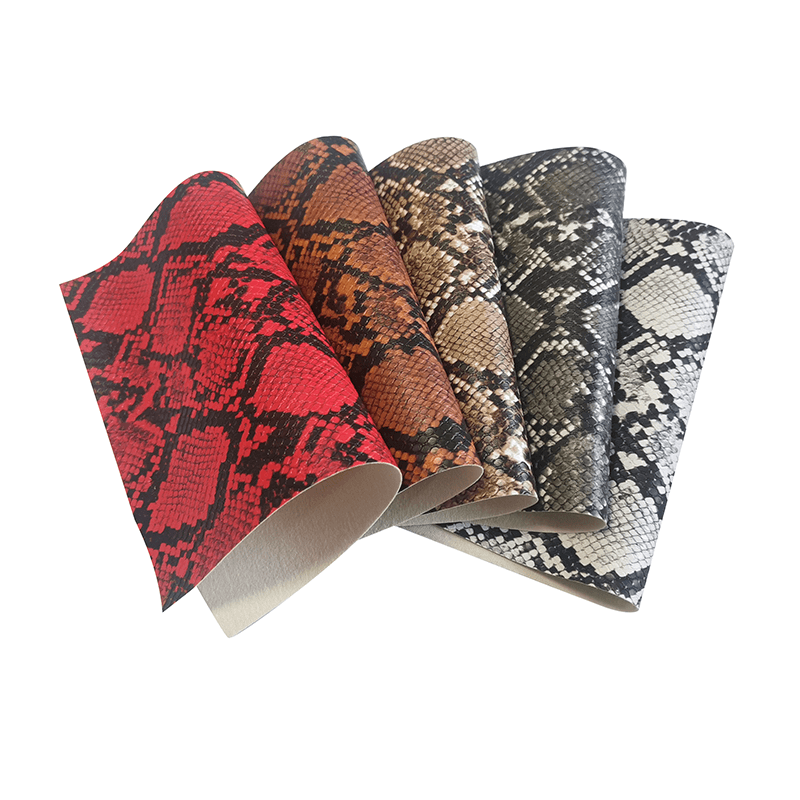
For mass production, rotary screen printing remains a dominant force. This method uses cylindrical screens to apply ink. It offers high throughput and lower unit costs for very large orders. However, the initial setup cost for screens is higher. This technique is best suited for repeating patterns where consistency is the primary goal.
Buyers must select the appropriate base material based on the end-use application. The choice between synthetic and natural leather affects both printing performance and product durability.
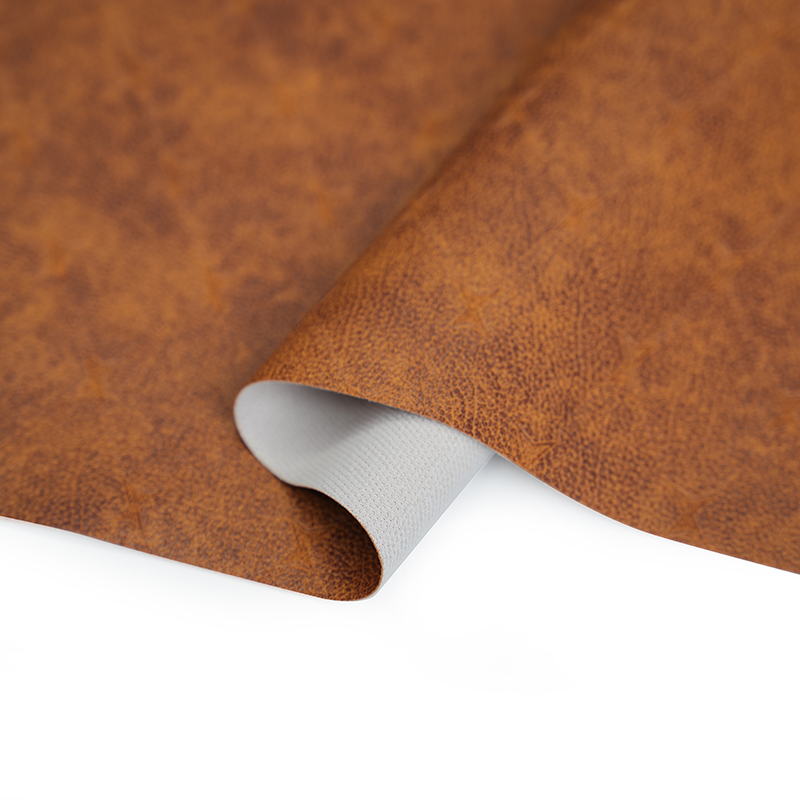
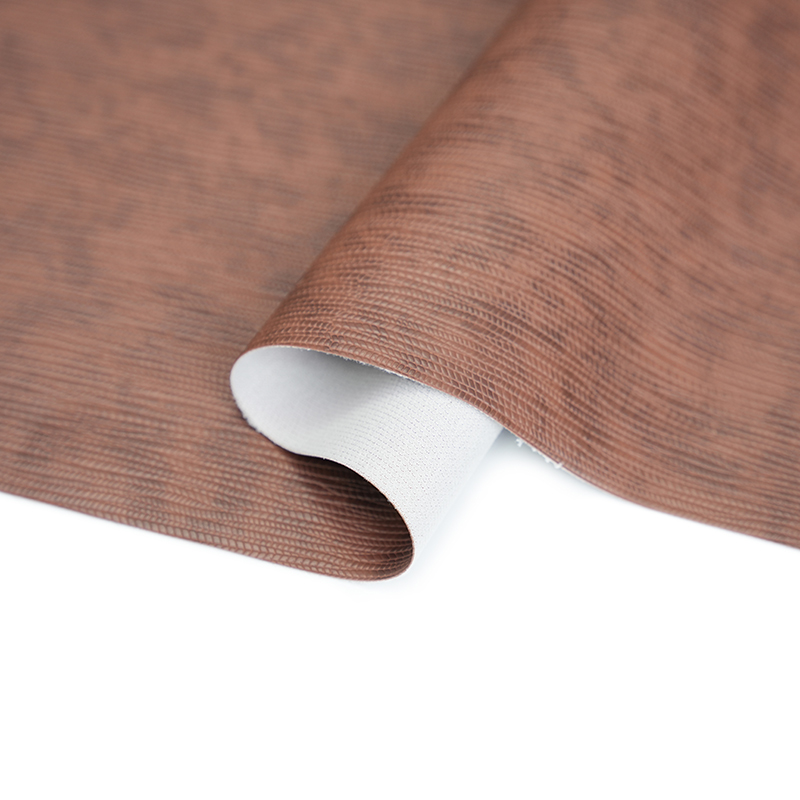
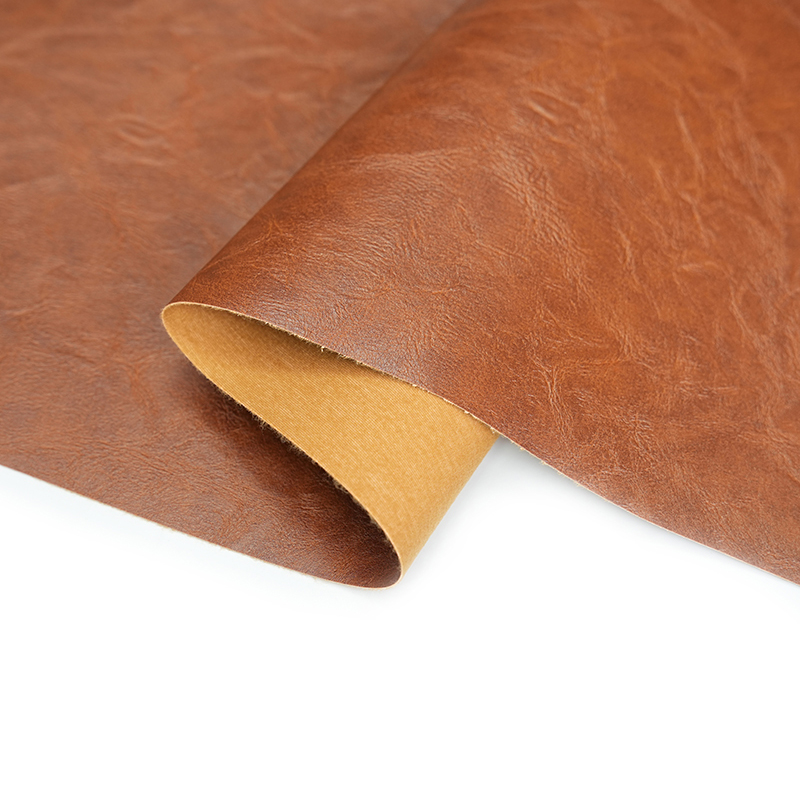
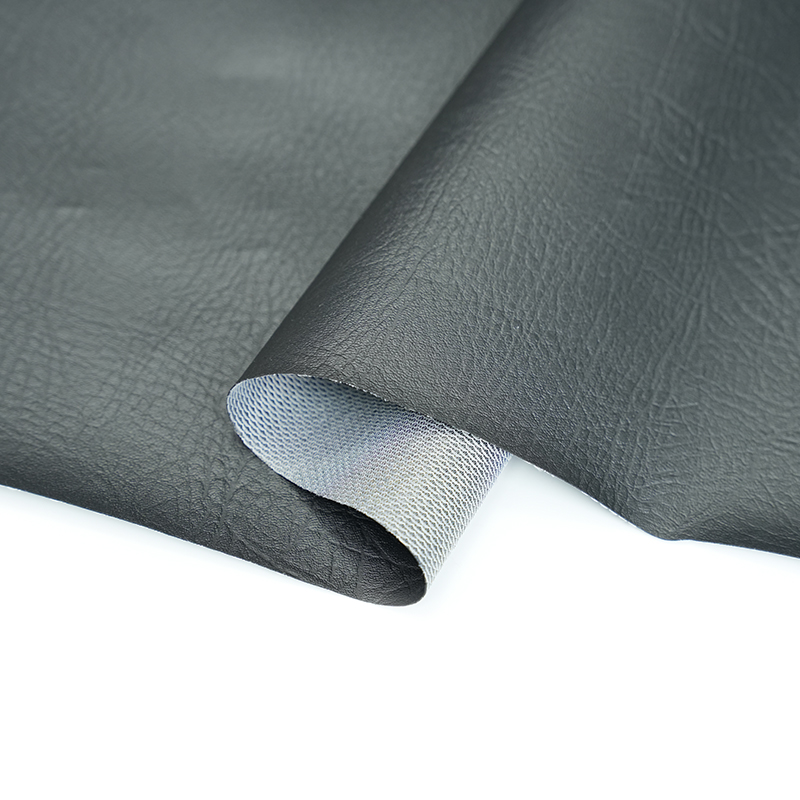
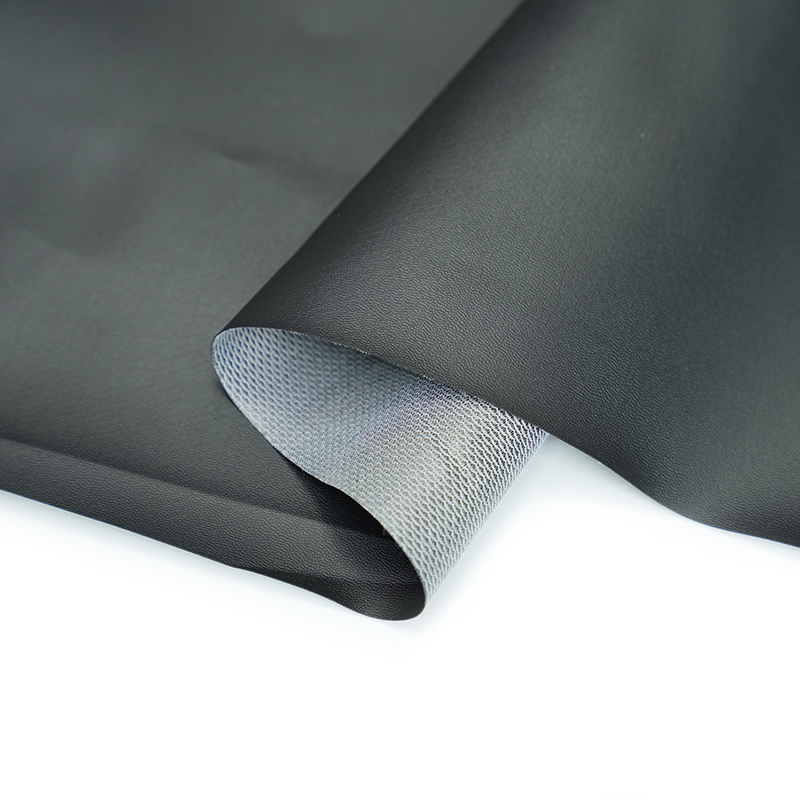
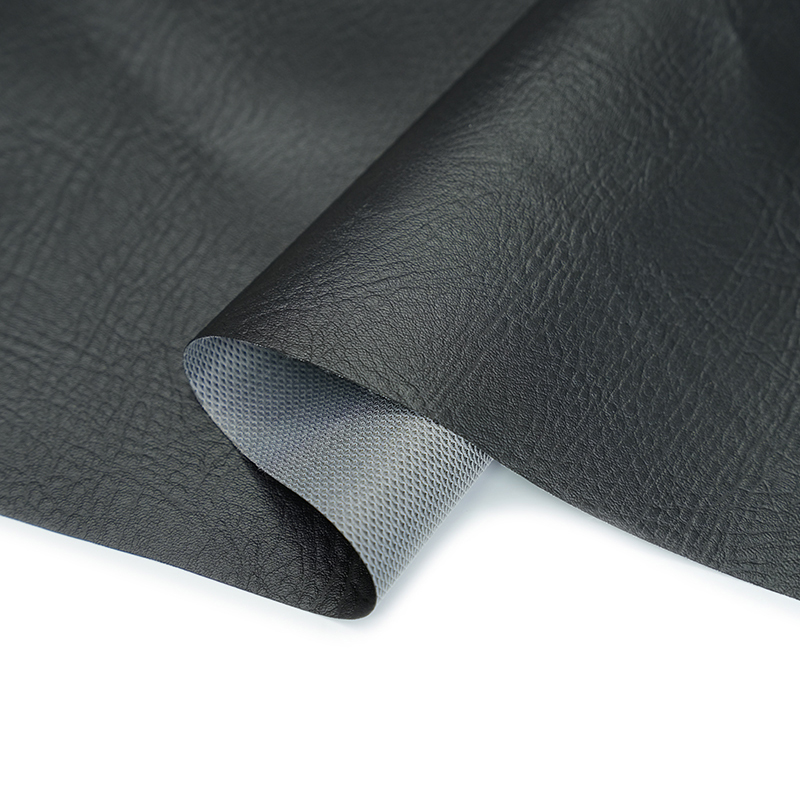
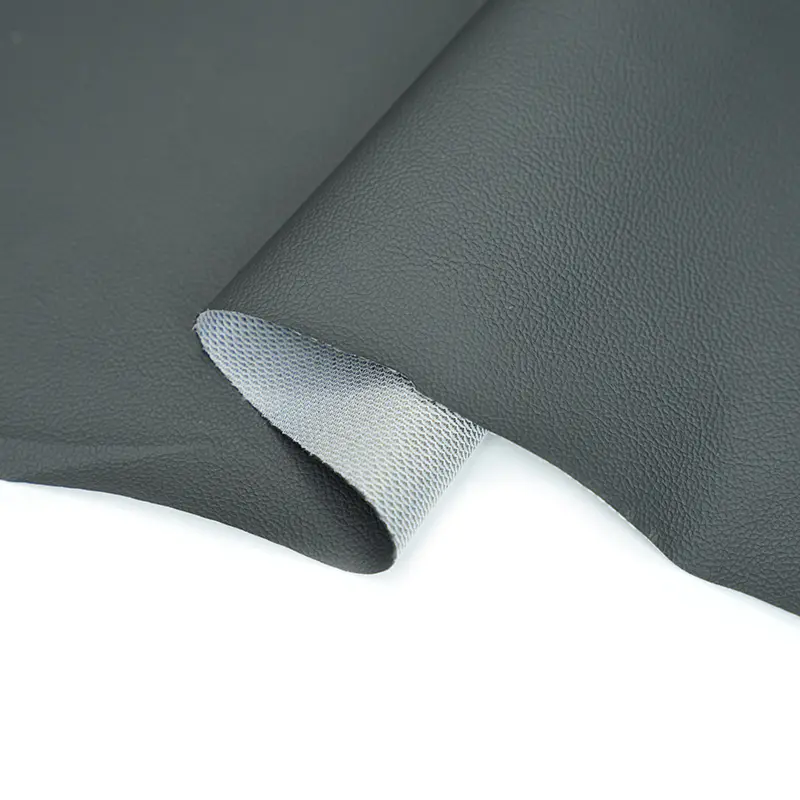
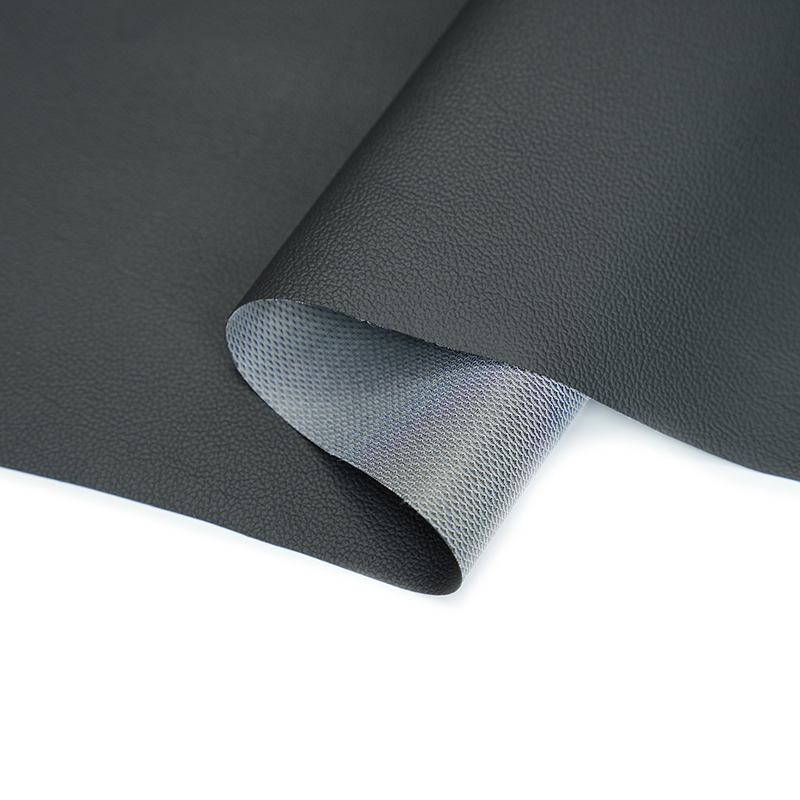
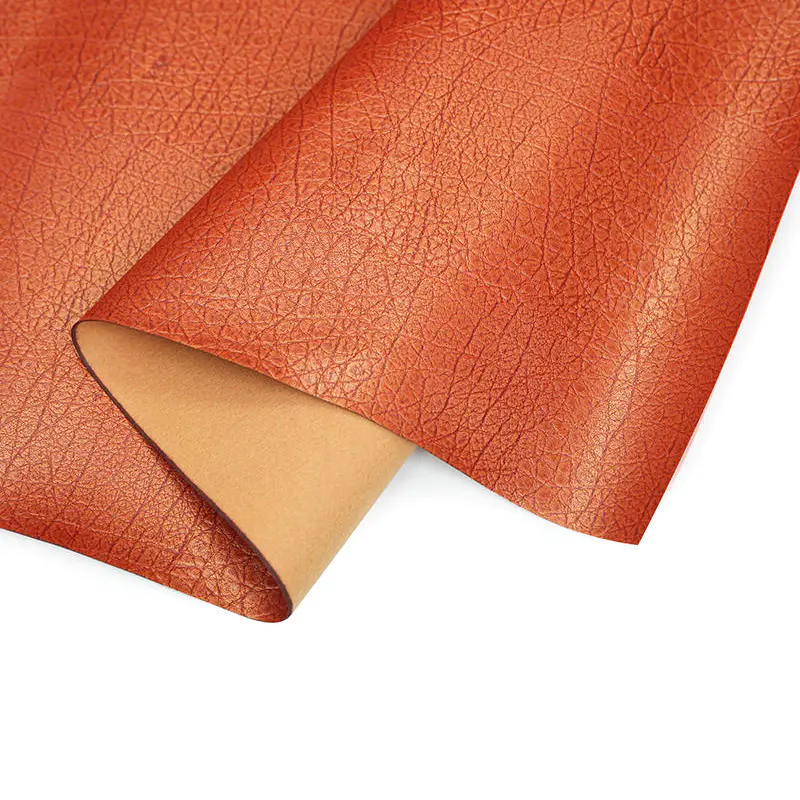
Synthetic materials are highly popular in the upholstery and fashion industries. Printed faux leather fabric by the yard typically consists of a textile backing coated with polyurethane (PU) or polyvinyl chloride (PVC). PU leather offers a softer hand feel and better breathability. It accepts ink well and provides a consistent surface for printing. PVC leather is more durable and resistant to abrasions. Both options are cost-effective and allow for precise control over thickness and texture during the manufacturing process. These materials must comply with environmental standards like REACH and RoHS.
Printing on genuine leather requires specialized surface treatments. The natural variations in the hide can affect ink absorption. Manufacturers often use a pre-coating agent to ensure uniform color adhesion. While more expensive, genuine leather offers a premium aesthetic that synthetic alternatives struggle to replicate fully.
Selecting the right printing technology impacts production timelines and cost structures. We compare digital and rotary printing methods below to assist procurement officers in their decision-making.
| Feature | Digital Printing | Rotary Screen Printing |
| Setup Cost | Low (No plates required) | High (Requires cylinder engraving) |
| Production Speed | Medium | High |
| Pattern Resolution | Very High (Photo quality) | Medium |
| Color Fastness | Excellent (with proper curing) | Excellent |
| Best For | Custom designs, Small MOQ | Long runs, Simple patterns |
Different industries demand specific performance characteristics from their materials. Understanding these requirements helps in selecting the correct specifications.
The fashion accessory market drives significant demand for personalized leather material for handbags. Manufacturers require materials that can withstand flexing and handling without cracking. The print must have excellent rub fastness to prevent color transfer onto clothing. Engineers often specify a flexing endurance test to ensure the printed layer does not peel off at stress points. The visual appeal is paramount here, as the fabric defines the brand's luxury perception.
Furniture and automotive sectors prioritize durability over aesthetics. Custom pattern leather upholstery fabric must pass rigorous abrasion tests, such as the Martindale or Wyzenbeek tests. The printing ink must bond deeply with the substrate to resist wear from constant friction. Furthermore, these fabrics need high light fastness to prevent fading when exposed to sunlight through windows. Buyers should request technical data sheets verifying these physical properties before placing orders.
Quality assurance is non-negotiable in B2B transactions. Technical parameters define the suitability of the custom-printed leather fabric for its intended use.
Efficient supply chain management reduces costs and lead times. Wholesalers must partner with factories that offer comprehensive customization services.
Purchasing wholesale custom leather sheets offers logistical advantages. It allows buyers to consolidate shipments and maintain consistent inventory levels. Working directly with a manufacturer allows for better control over color matching (Pantone matching) and texture finishing. Buyers should ensure the supplier has in-house testing labs to conduct quality checks before shipment.
The choice of custom-printed leather fabric hinges on the balance between aesthetic requirements and technical performance. By understanding the differences between printing technologies and material substrates, buyers can make informed procurement decisions. Whether for handbags, upholstery, or automotive interiors, selecting the right partner and material specifications ensures product longevity and market success.
MOQ varies by technology. Digital printing often allows for lower MOQs, sometimes as low as 300-500 meters per design. Rotary screen printing usually requires higher MOQs, often 1000 meters or more, to offset the cost of the printing cylinders.
Yes, it can. However, buyers must specify the need for UV-resistant inks and high light fastness ratings. Standard inks may fade quickly under direct sunlight. PU leather with specialized UV stabilizers is recommended for outdoor use.
You should store the fabric in a cool, dry place away from direct sunlight. It is important to keep the rolls hanging vertically or lying flat without a heavy weight on top. This prevents permanent creasing or adhesion issues between layers.
Most modern digital printing processes use water-based or eco-solvent inks. These inks have lower volatile organic compound (VOC) emissions compared to traditional solvent-based inks. Reputable suppliers can provide eco-certificates like OEKO-TEX for the finished fabric.
Add: No.285 Shashan Avenue, Zhouzhuang Town, Jiangyin City, Jiangsu Province, China.
Tel: +86-510-86903827
Rachel Wang:
+86-18651025719 (Phone)
[email protected] (Email)
Jessica Qian:
+86-13739165356 (Phone)
[email protected] (Email)
Cathay Xia:
+86-18021569150 (Phone)
[email protected] (Email)
Copyright © Jiangyin Jiangdong Plastic Co., Ltd. All Rights Reserved.Custom PVC Artificial Leather Manufacturers


 English
 中文简体
中文简体