
 English
 中文简体
中文简体News
Home / News / Industry News / Fire-Retardant PVC Fabric Leather vs Uncoated Upholstery for Commercial Furniture

Content
Specifying upholstery for commercial furniture is a safety and operational decision, not only a design choice. The material has to perform under heavy use, frequent cleaning, and strict fire-safety requirements. Fire-retardant PVC fabric leather has become a practical alternative to uncoated upholstery in hotels, clinics, waiting areas, restaurants, and office lounges because it combines flame resistance with durability and easy maintenance.
This article compares the two material categories and explains why fire-retardant PVC fabric leather is often the stronger specification for commercial seating and upholstered surfaces.
Fire-retardant PVC fabric leather is a composite material made by coating a woven backing with a PVC formulation that contains fire-retardant additives. The coating is fused to the substrate through a heated process, creating a dense, continuous surface. Because the fire-retardant chemistry is distributed through the PVC layer, it is not a surface treatment that can be rinsed away or rubbed off.
Uncoated upholstery usually means woven or knitted fabric without a polymer coating. The flammability of such fabrics depends on fibre chemistry, weave density, and finishing. Many uncoated fabrics burn readily, especially when assembled into large commercial furniture. To pass fire-safety tests, uncoated fabrics often need chemical back-coating or spray-on retardants, which can fade or wear in high-use furniture.
For more context on why PVC-based upholstery materials become a frequent first choice, see why manufacturers rely on durable sofa fabrics built with PVC constructions.
Fire-retardant PVC fabric leather helps delay ignition, slow flame spread, and in many cases self-extinguish once the heat source is removed. That gives occupants more time to evacuate and gives building systems time to respond.
In many markets, commercial furniture must meet standards such as CAL TB 117-2013, NFPA 260, BS 5852, or EN 1021. Fire-retardant PVC fabric leather can be tested against these frameworks, giving contract furniture projects a clear compliance path.
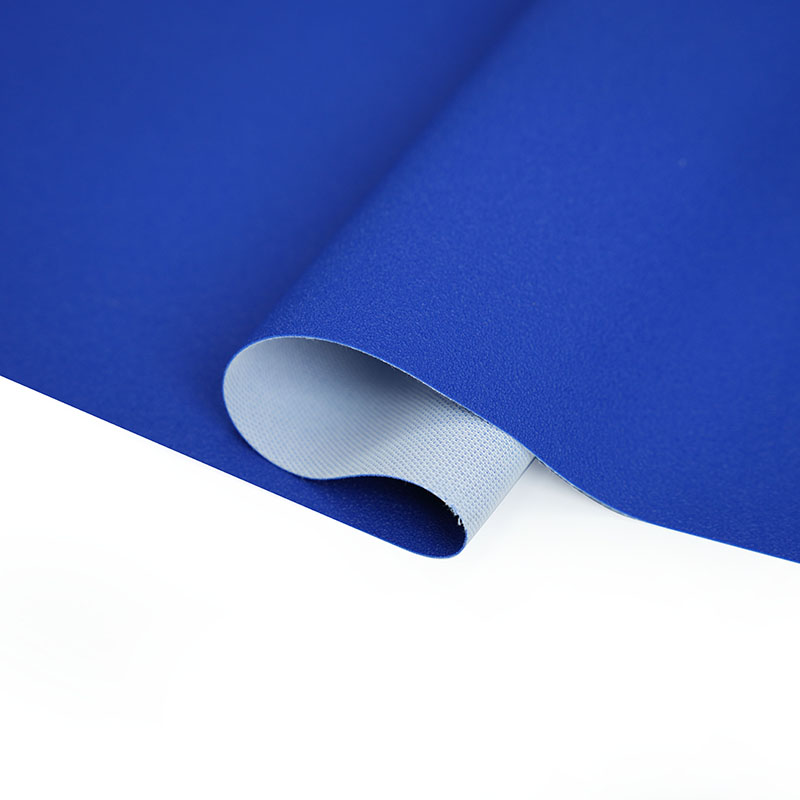
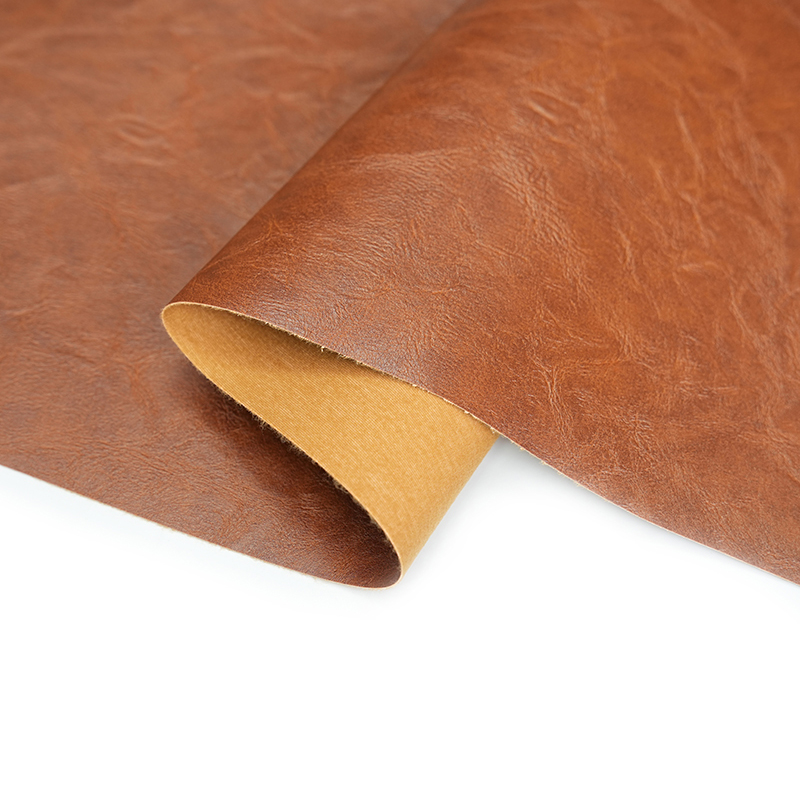
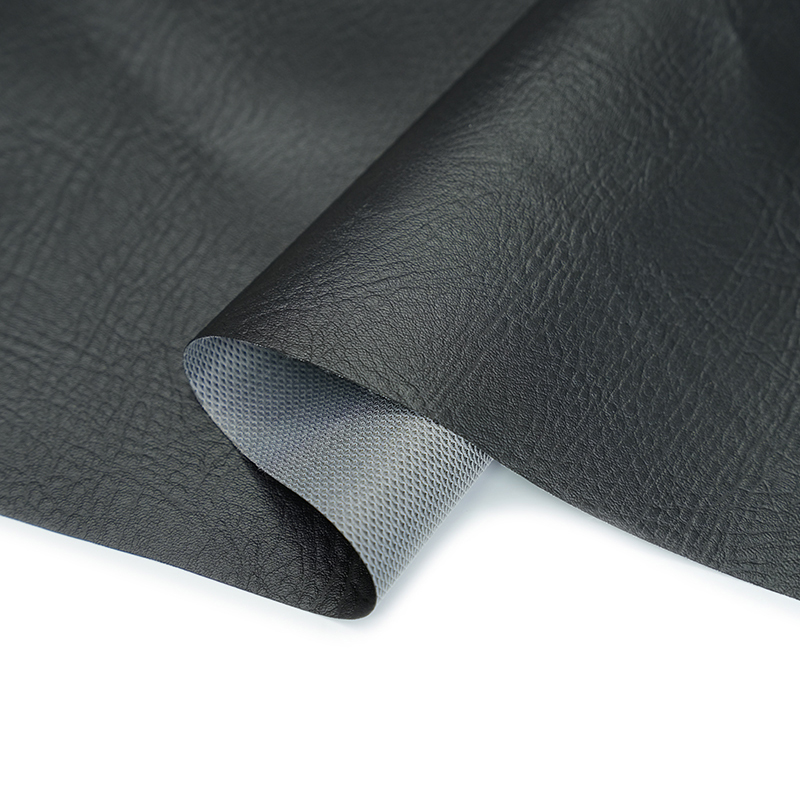
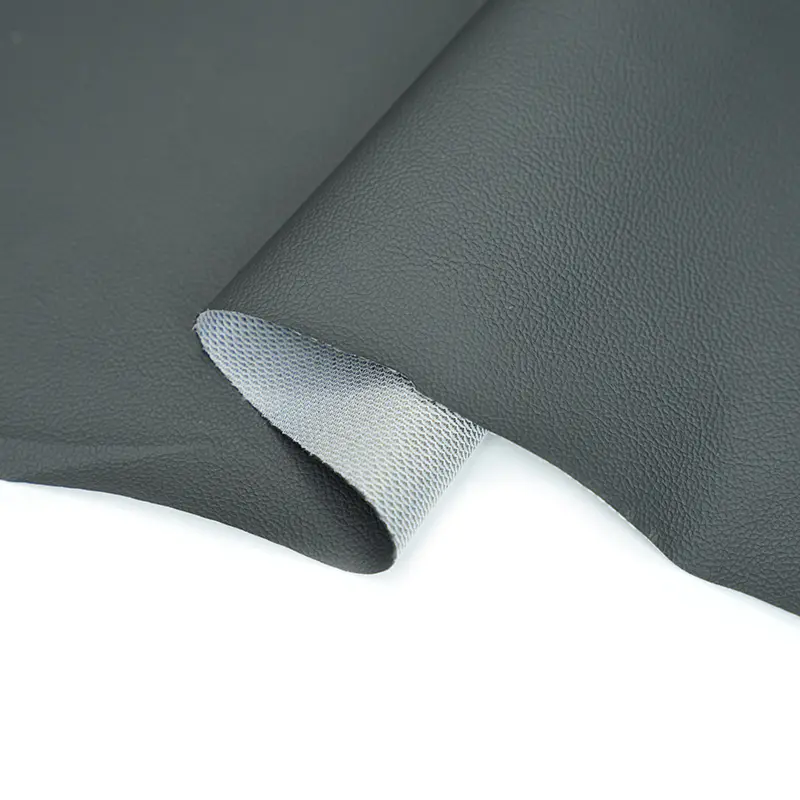
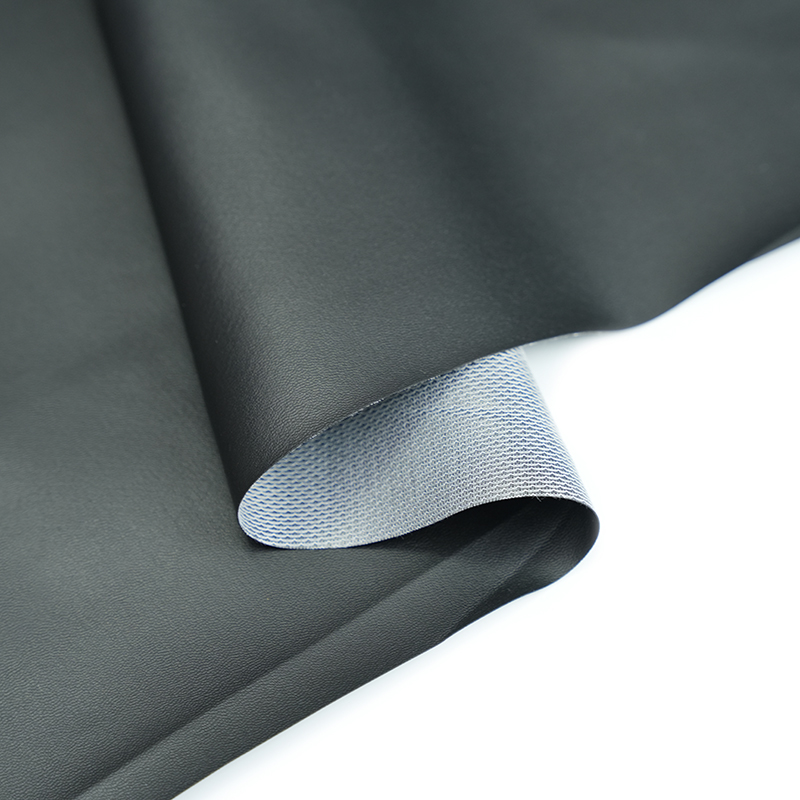 Fire-Retardant PVC Fabric Leather for Sofa UpholsteryThis 0.6 mm PVC leather with terry backing offers water resistance and easy maintenance. It is tested against common flammability standards, making it a practical choice for contract furniture needing fire-safety compliance.View Product →
Commercial furniture cycles through coffee spills, cleaning chemicals, heavy contact, and constant friction. Uncoated fabric tends to absorb liquid, hold odours, and show abrasion in high-contact areas. Fire-retardant PVC fabric leather is dense and non-porous, so it resists moisture and common staining agents.
Key benefit: A wiped surface can stay hygienic and presentable for years, while uncoated textiles often require professional cleaning or replacement.
The woven backing gives PVC fabric leather tensile strength, while the PVC layer provides surface toughness. It handles repeated sliding, contact, and cleaning without forming the nap, pilling, or fibre shedding that uncoated textiles eventually show.
Most spills can be removed with a soft cloth and mild soapy water. This reduces downtime for furniture and lowers the cost of routine maintenance.
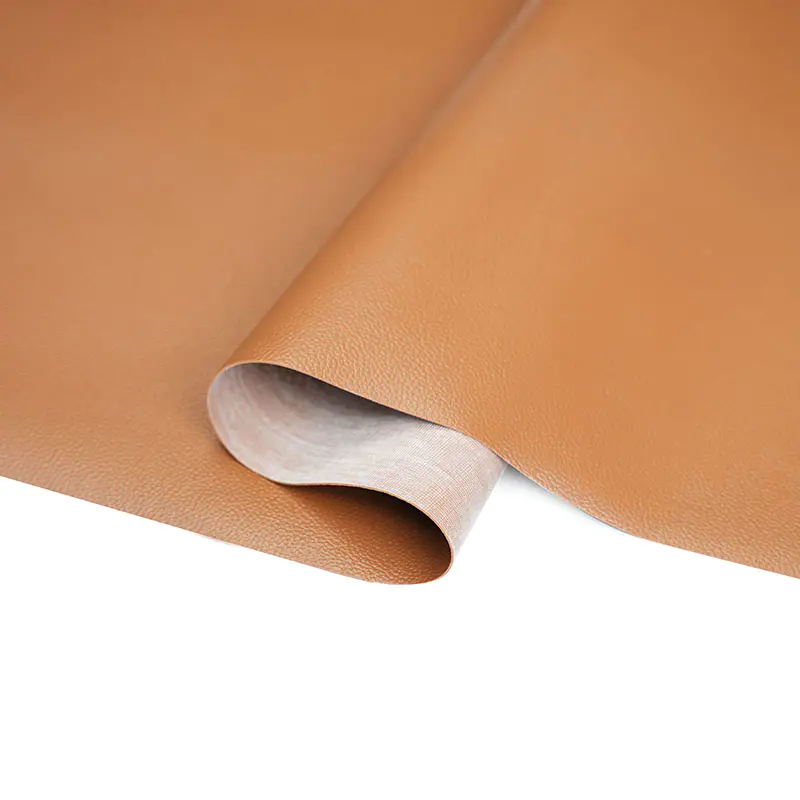
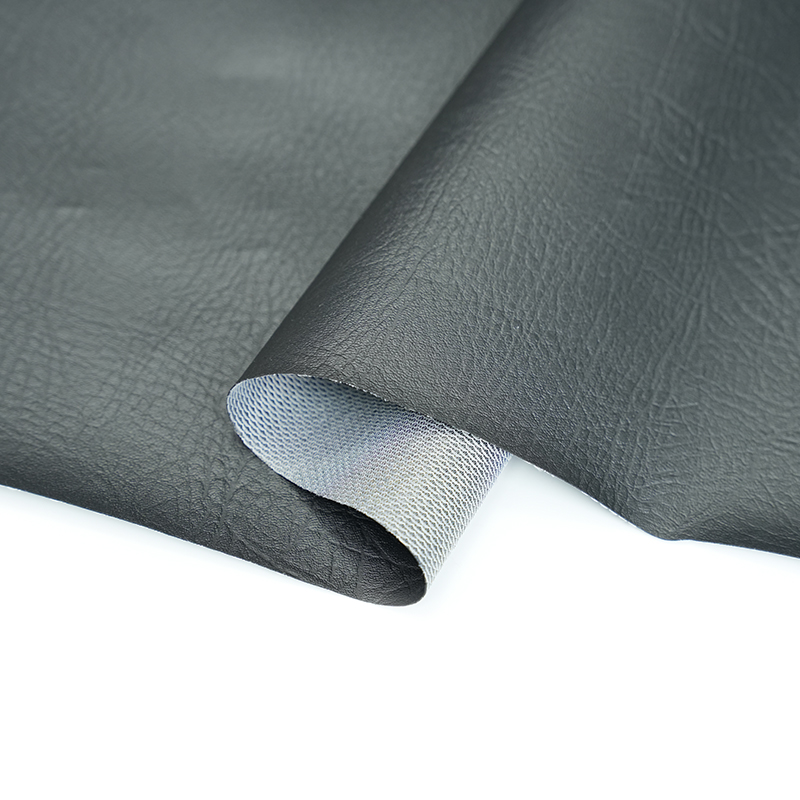
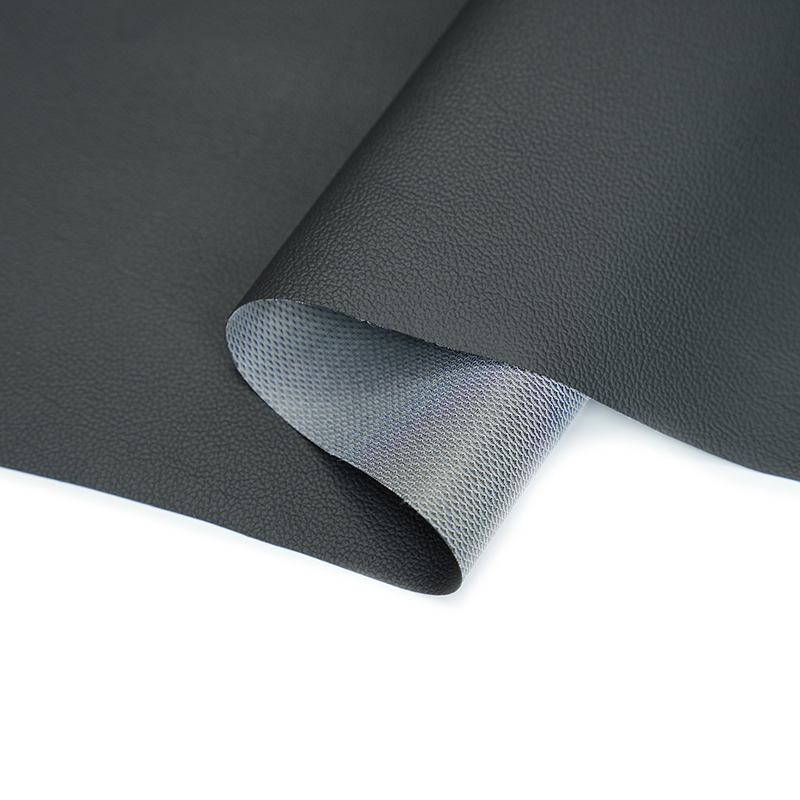
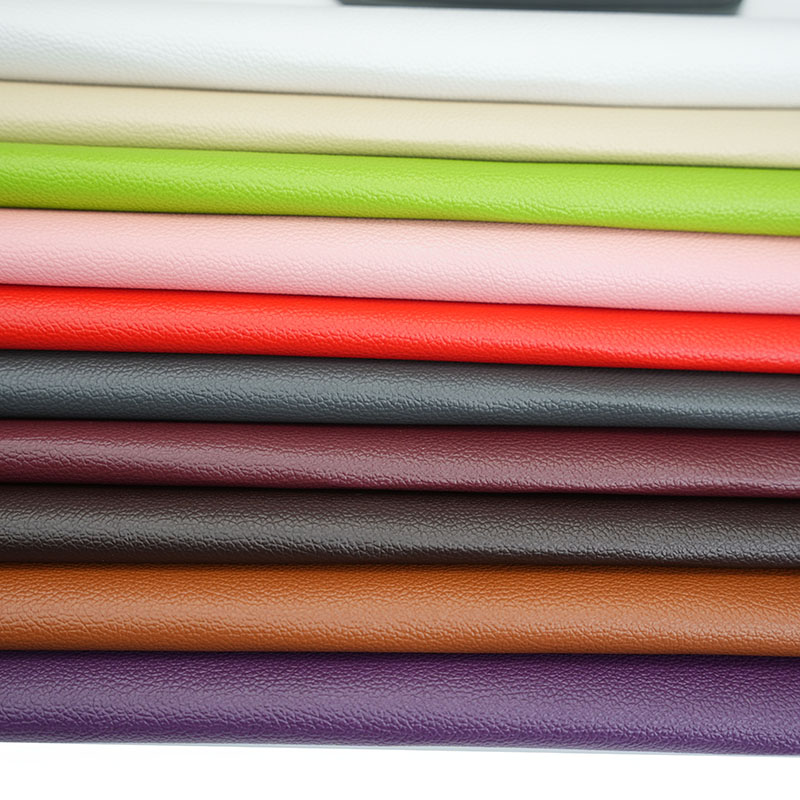 Waterproof PVC Leather with Knit BackingThis 1 mm thick PVC upholstery leather is waterproof and resistant to abrasion and mildew. Its knit backing adds strength and stability, suitable for sofas that require durable yet flexible coverings in busy environments.View Product →
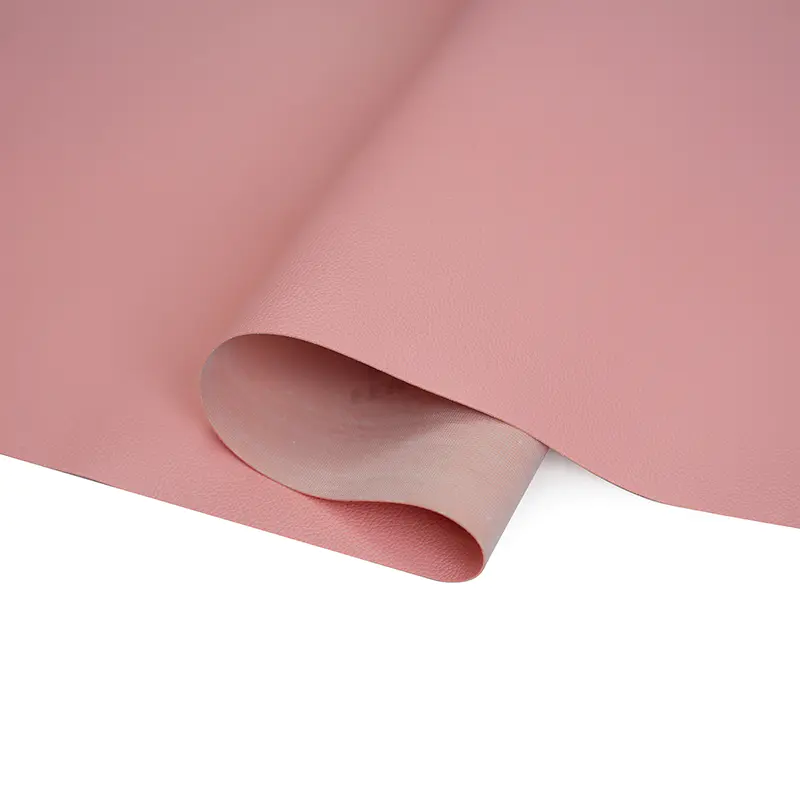
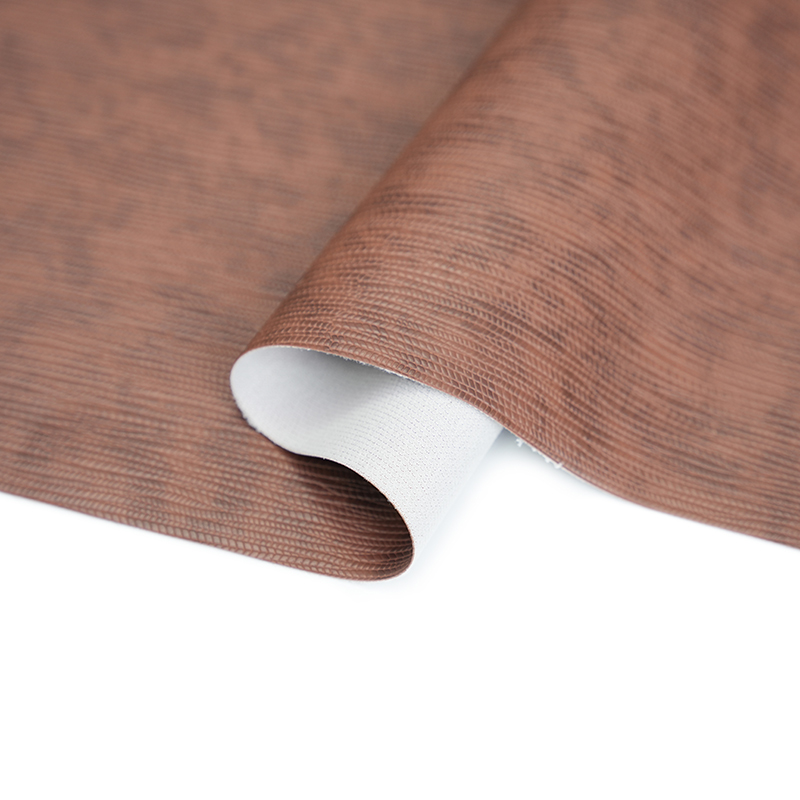
For projects that also need a textile-like appearance, manufacturers now offer upholstery-grade PVC leather in embossed and printed finishes that resemble woven fabric, linen, leather grain, or creative patterns.
| Property | Fire-Retardant PVC Fabric Leather | Uncoated Upholstery |
|---|---|---|
| Flame response | Slow ignition; can self-extinguish | Varies by fibre; often burns unless treated |
| Surface structure | Dense, non-porous coating | Open weave or fibre surface |
| Liquid resistance | High; resists water, oil, and most stains | Low; absorbs spills and carries moisture |
| Cleaning method | Wipe with mild detergent | Vacuum, spot clean, or professional care |
| Abrasion resistance | High; suitable for heavy traffic | Moderate to low; wears in contact areas |
| Maintenance cost | Lower over the furniture lifecycle | Higher due to repeated care and replacement |
| Design range | Embossed, printed, and grain textures | Broad textile palette, but more limits in fire-rated constructions |
This comparison is intentionally high-level; final material selection should always be based on the specific specification, end use, and applicable testing standard.
Uncoated upholstery often appears more economical at first because its initial purchase price can be lower. But commercial use changes the calculation. If a fabric needs replacement every few years, the labour and downtime for reupholstery quickly exceed the initial savings.
Fire-retardant PVC fabric leather is priced as a performance material. It resists tearing, staining, and abrasion, so seating can remain in service longer. That lowers the total cost per useable year and simplifies facilities maintenance.
For specifiers managing high-traffic spaces, an abrasion-resistant variation adds another layer of protection against contact wear.
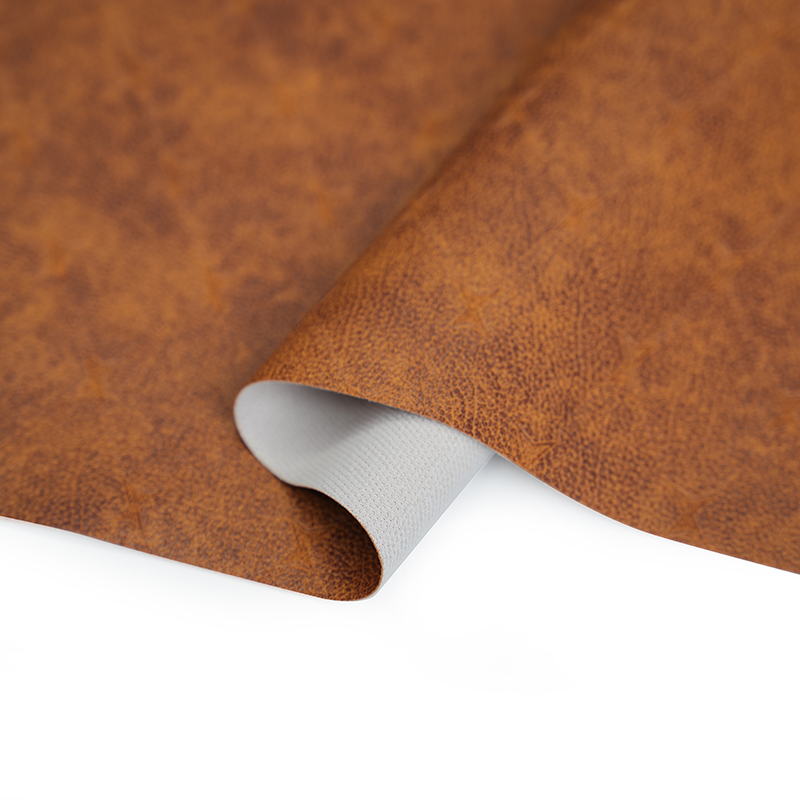
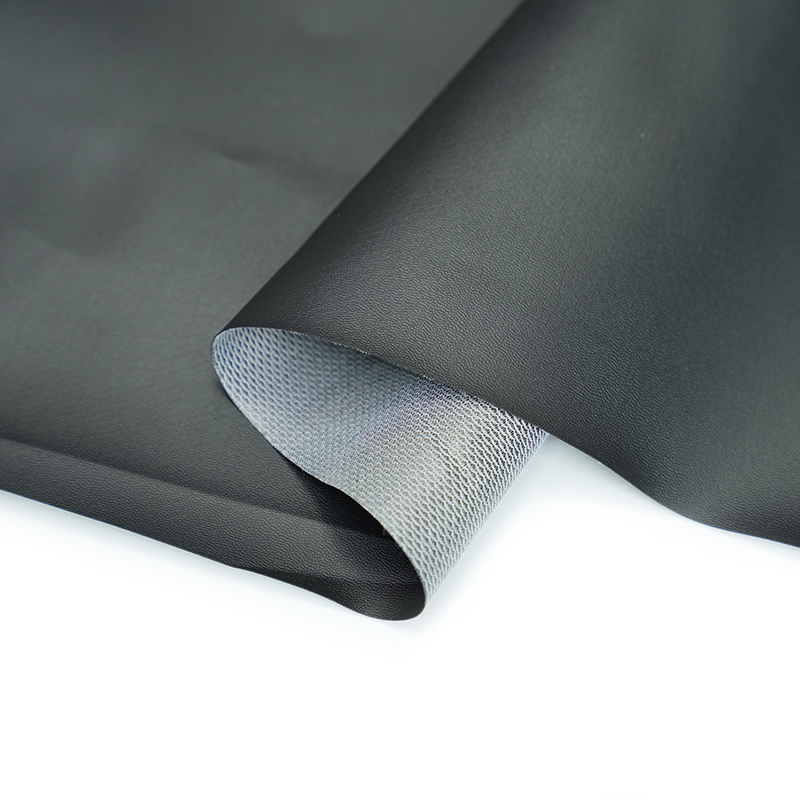
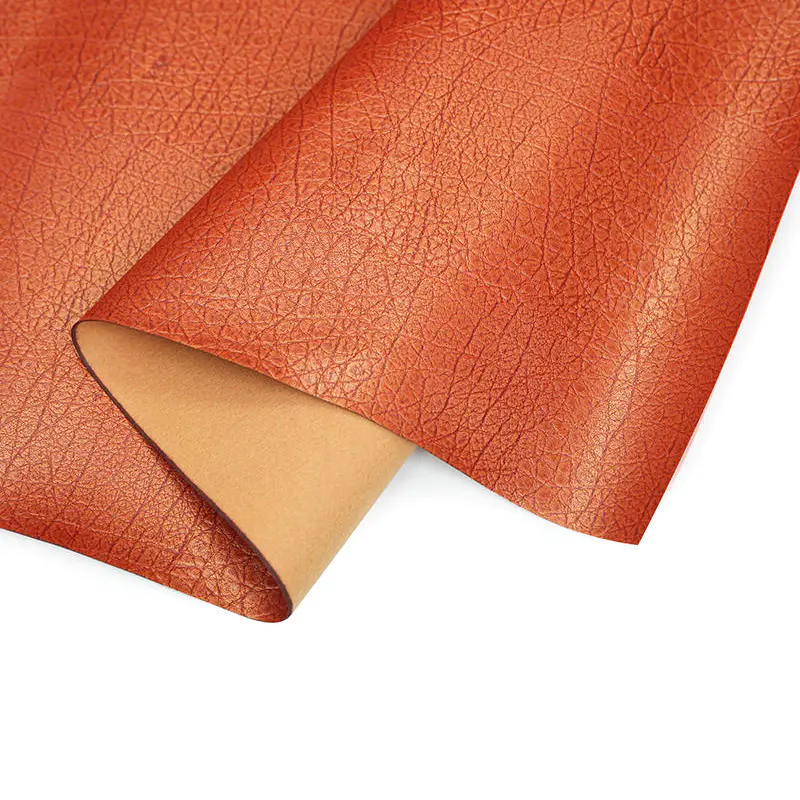
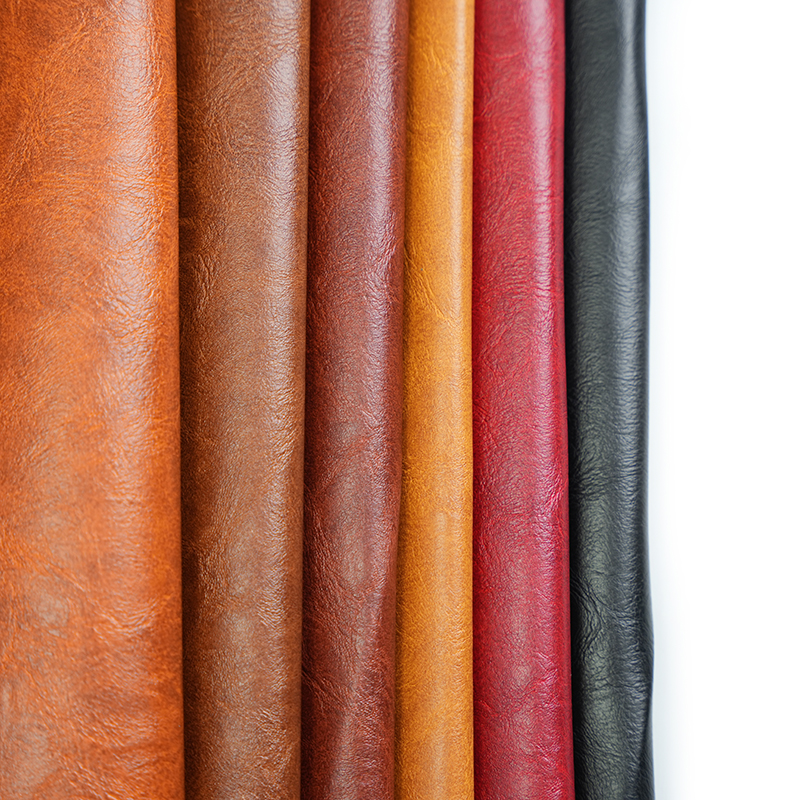 Antiscratch PVC Leather with Brushed Fabric BackingDesigned to resist surface scratching, this 0.8 mm PVC leather features a brushed backing for added softness. It helps maintain a sofa's appearance over time while offering a leather-like look with dependable durability.View Product →
Some designers hesitate about PVC fabric leather because they remember stiff or shiny materials. Modern production methods have changed that. Embossing, transfer printing, and matte finishes allow PVC fabric leather to mirror the look of woven textiles, natural leather, and decorative patterns.
Comfort is also considered from a furniture perspective: when layered over foam cushioning and a solid frame, the material provides enough softness and visual warmth for most commercial seating. It does not absorb moisture or odours the way textiles do, which is an advantage in hospitality and healthcare spaces.
For any upholstered product that must stay safe, clean, and presentable under continuous use, fire-retardant PVC fabric leather provides a more predictable performance envelope than uncoated upholstery.
Yes, when it meets the applicable standard for the intended market. It contains fire-retardant additives within the PVC layer, and finished material can be tested against standards such as CAL TB 117-2013, NFPA 260, BS 5852, or EN 1021.
Modern embossing and printing techniques can produce matte, textured, and patterned surfaces that closely resemble linen, wool blends, suede, or natural leather. For contract furniture projects, this opens a wide design palette without giving up durability.
In most cases, wiping with a soft cloth and a solution of mild soap and water is enough. Avoid strong solvents and abrasive pads. Always verify cleaning instructions with the material supplier for the specific grade.
Because the retardant additives are part of the PVC coating, they do not wash out or evaporate the way some after-market spray treatments can. Surface wear can affect the finish, but the base material retains its fire-retardant properties throughout normal service life.
Choosing fire-retardant PVC fabric leather over uncoated upholstery is not about rejecting aesthetics. It is about selecting a material that keeps its fire performance, appearance, and cleanability under commercial pressure. For owners and specifiers, that means fewer surprises, easier maintenance, and a safer interior environment.
Add: No.285 Shashan Avenue, Zhouzhuang Town, Jiangyin City, Jiangsu Province, China.
Tel: +86-510-86903827
Rachel Wang:
+86-18651025719 (Phone)
[email protected] (Email)
Jessica Qian:
+86-13739165356 (Phone)
[email protected] (Email)
Cathay Xia:
+86-18021569150 (Phone)
[email protected] (Email)
Copyright © Jiangyin Jiangdong Plastic Co., Ltd. All Rights Reserved.Custom PVC Artificial Leather Manufacturers
