
 English
 中文简体
中文简体News
Home / News / Industry News / PVC Artificial Leather for Sofa: A Comprehensive Technical and Application Analysis

Content
In the competitive world of furniture manufacturing, the choice of upholstery material is a critical decision that impacts product quality, cost, and customer satisfaction. PVC artificial leather has emerged as a dominant player in this space, offering a versatile and cost-effective alternative to genuine leather. This article provides an in-depth technical analysis of PVC artificial leather for sofas, exploring its composition, performance characteristics, and the distinct advantages it offers over other upholstery materials.
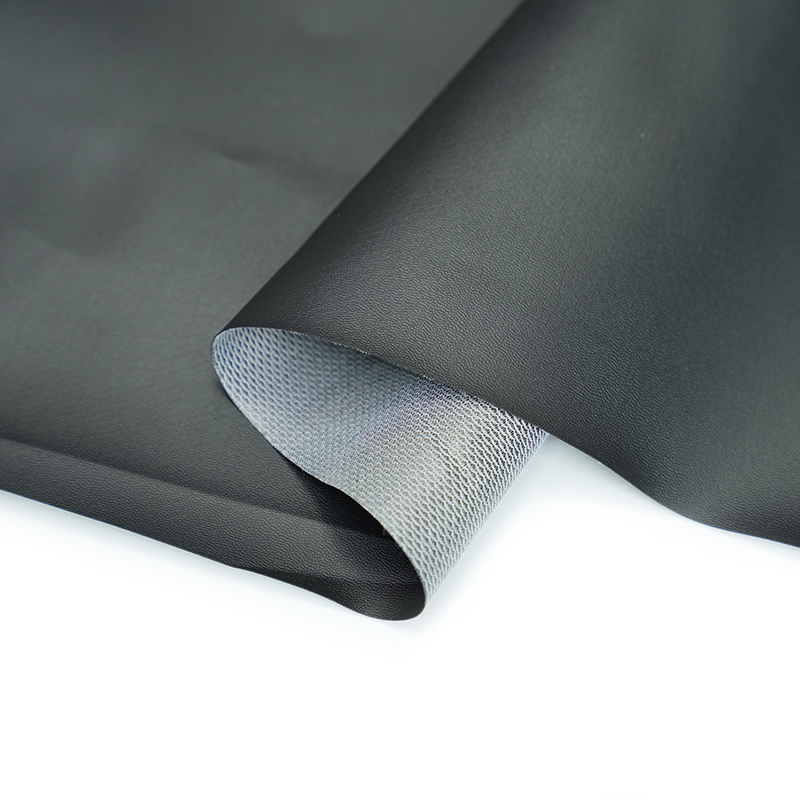
PVC artificial leather, also known as vinyl leather, is a synthetic material engineered to mimic the appearance and texture of genuine leather. It is typically constructed by bonding a layer of polyvinyl chloride (PVC) to a fabric backing, creating a durable and versatile material suitable for various applications [citation:1][citation:7]. The PVC layer provides the surface finish and texture, while the backing, often made of woven or knitted polyester, offers structural integrity and flexibility [citation:2][citation:10].
The manufacturing process of PVC artificial leather involves several key steps. High-quality PVC resin is mixed with plasticizers, stabilizers, and other additives to achieve the desired flexibility, durability, and appearance. This mixture is then applied to the fabric backing through a process called coating or calendering, creating a uniform film. Finally, the surface is treated with embossing or printing techniques to create a variety of textures and patterns, such as the popular lychee or classic leather grain patterns [citation:8].
The performance of PVC artificial leather is defined by its precise technical specifications. The following table outlines the key parameters typically associated with a high-quality sofa-grade PVC artificial leather.
| Parameter | Typical Specification | Implication for Sofa Upholstery |
|---|---|---|
| Composition | PVC with woven or knitted polyester backing | Provides durability, flexibility, and a leather-like texture suitable for heavy-use upholstery [citation:1][citation:10]. |
| Thickness | 0.6mm to 1.2mm (Typical: 0.8mm-1.0mm) | Balances comfort and durability. Thicker materials (1.0mm+) offer enhanced durability for high-traffic sofas [citation:1][citation:6]. |
| Abrasion Resistance | 10,000 to 50,000+ double rubs (Wyzenbeek) | Indicates resistance to wear and tear. Higher ratings ensure longer sofa lifespan in daily use [citation:1][citation:4]. |
| Water Resistance | Hydrostatic head rating of 500mm to 5000mm | Essential for easy cleaning and resistance to spills. Higher ratings provide better protection against liquids [citation:2][citation:4]. |
| Anti-Mildew Properties | Treated to inhibit fungal growth | Critical for maintaining hygiene and preventing odors, especially in humid environments [citation:1][citation:6]. |
| Elasticity | 150% to 300% elongation at break | Allows the material to stretch and conform to sofa contours without cracking, ensuring long-term shape retention [citation:1][citation:2]. |
| Width | 137cm to 160cm (Typical: 150cm) | Standard widths enable efficient cutting and manufacturing of various sofa sizes [citation:7]. |
To fully appreciate the value of PVC artificial leather, it is essential to compare it with the traditional choice for sofa upholstery: genuine leather. This comparison highlights the distinct advantages and trade-offs of each material.
| Feature | PVC Artificial Leather | Genuine Leather |
|---|---|---|
| Cost | Significantly more affordable; approximately 50-70% less expensive than genuine leather [citation:1][citation:4]. | Premium pricing due to the cost of raw materials and processing. |
| Durability | Excellent abrasion resistance; can exceed 50,000 double rubs. Resistant to cracking and peeling when properly formulated [citation:1]. | High durability but requires regular conditioning to prevent drying and cracking. Can be susceptible to scratches and stains [citation:9]. |
| Maintenance | Easy to clean with mild soap and water. Highly stain and water-resistant [citation:2][citation:6]. | Requires specialized leather cleaners and conditioners. Susceptible to water damage and staining. |
| Aesthetics | Available in a wide range of colors, textures, and embossed patterns; can closely mimic the look of genuine leather [citation:8]. | Natural grain and character that develops a unique patina over time. Limited in color and pattern options. |
| Breathability | Non-breathable; may feel warmer in hot weather compared to leather [citation:9]. | Naturally breathable; provides a comfortable seating experience in various temperatures. |
Another common comparison is between PVC and PU (polyurethane) artificial leather. While both are synthetic alternatives to genuine leather, they have distinct differences in performance and feel.
| Feature | PVC Artificial Leather | PU Leather |
|---|---|---|
| Composition | Polyvinyl chloride layer on a fabric backing [citation:1]. | Polyurethane layer on a fabric backing [citation:7]. |
| Durability | Highly abrasion-resistant, suitable for high-traffic areas [citation:1][citation:4]. | Softer but less durable; more prone to scratches and wear over time [citation:5]. |
| Feel | Firmer texture; more rigid and less breathable [citation:3][citation:9]. | Softer and more flexible; has a leather-like feel and is slightly more breathable [citation:7]. |
| Cost | More economical, making it ideal for budget-friendly furniture [citation:1][citation:4]. | More expensive than PVC but less expensive than genuine leather. |
| Applications | Preference for sofas, car seats, and high-use furniture due to durability [citation:1][citation:6]. | Often used in clothing, bags, and furniture where a softer touch is desired [citation:5]. |
One of the most significant advantages of PVC artificial leather for sofas is its exceptional durability and ease of maintenance. The material's high abrasion resistance makes it ideal for high-traffic areas, ensuring that the sofa retains its appearance even with daily use [citation:1][citation:4]. The surface is also highly resistant to staining and water damage, simplifying cleaning and preventing permanent marks from spills [citation:2][citation:6].
For furniture manufacturers, this translates to fewer customer complaints and a longer perceived product lifespan. The material's resistance to cracking and peeling, especially when formulated with high-quality plasticizers, ensures that the upholstery remains flexible and aesthetically pleasing over time [citation:1].
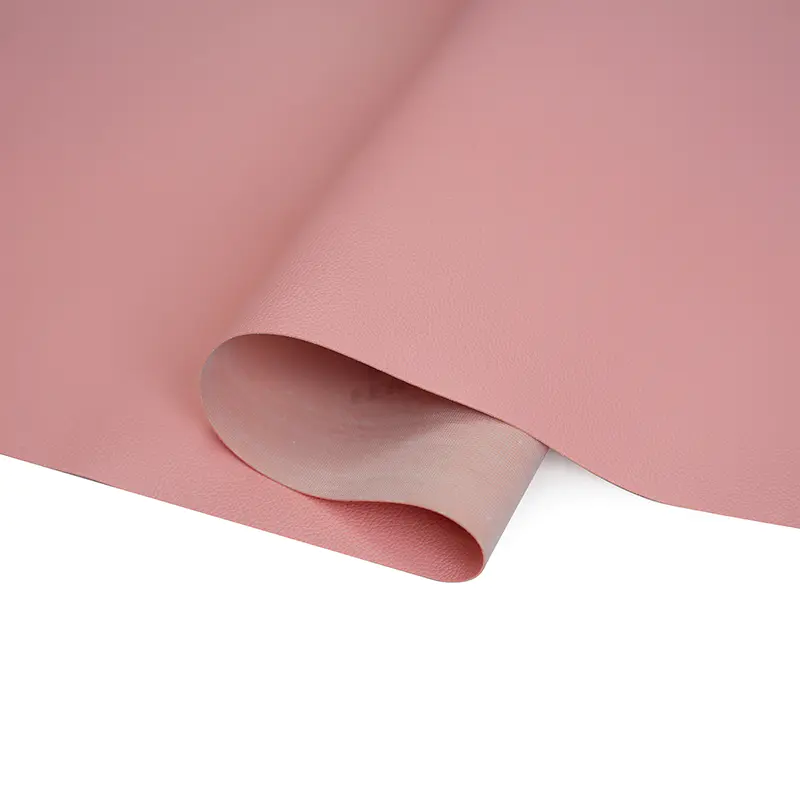
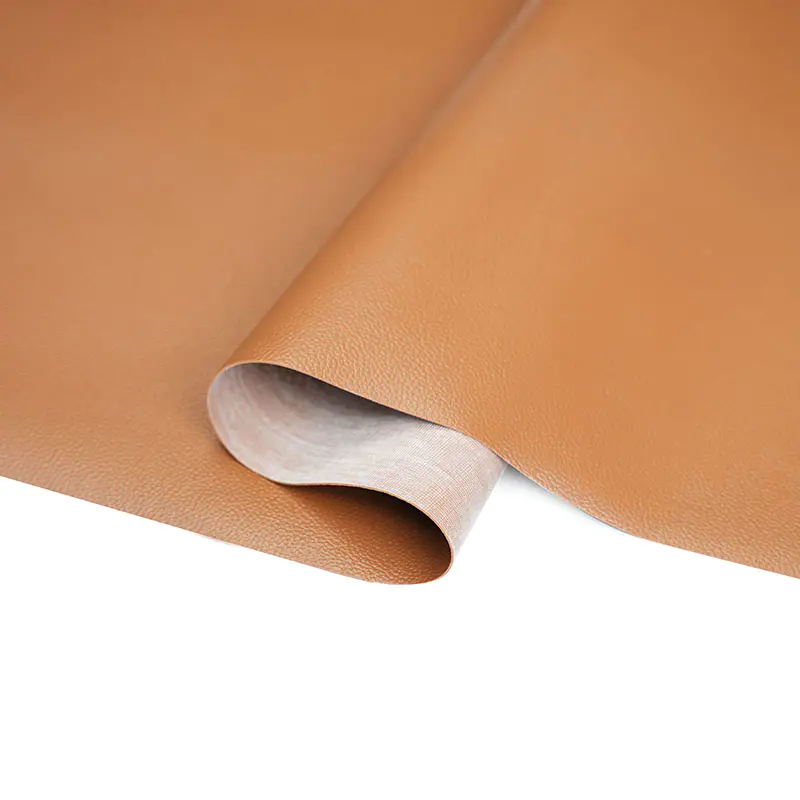
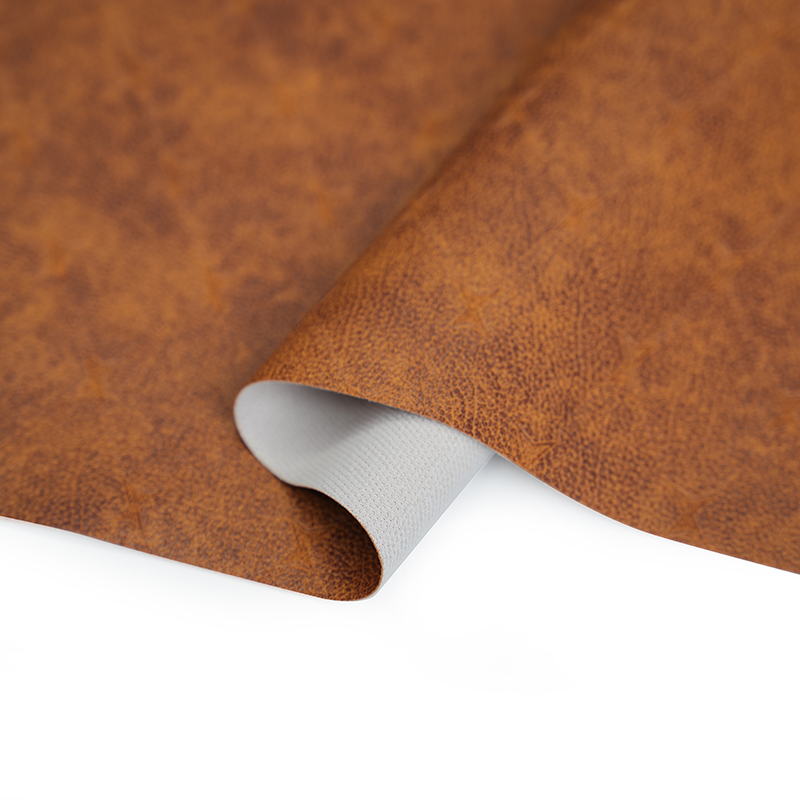
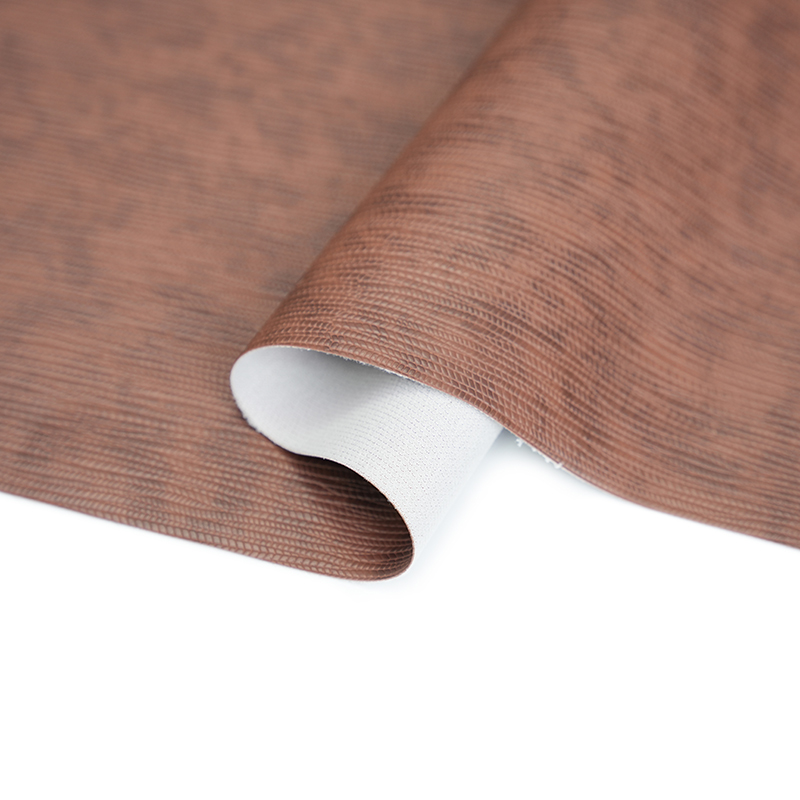
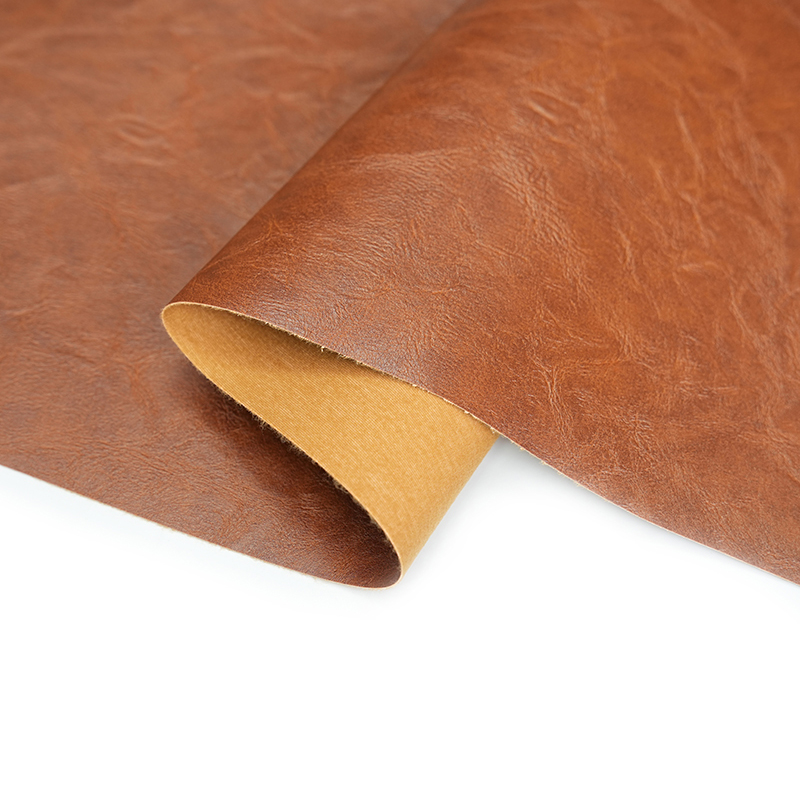
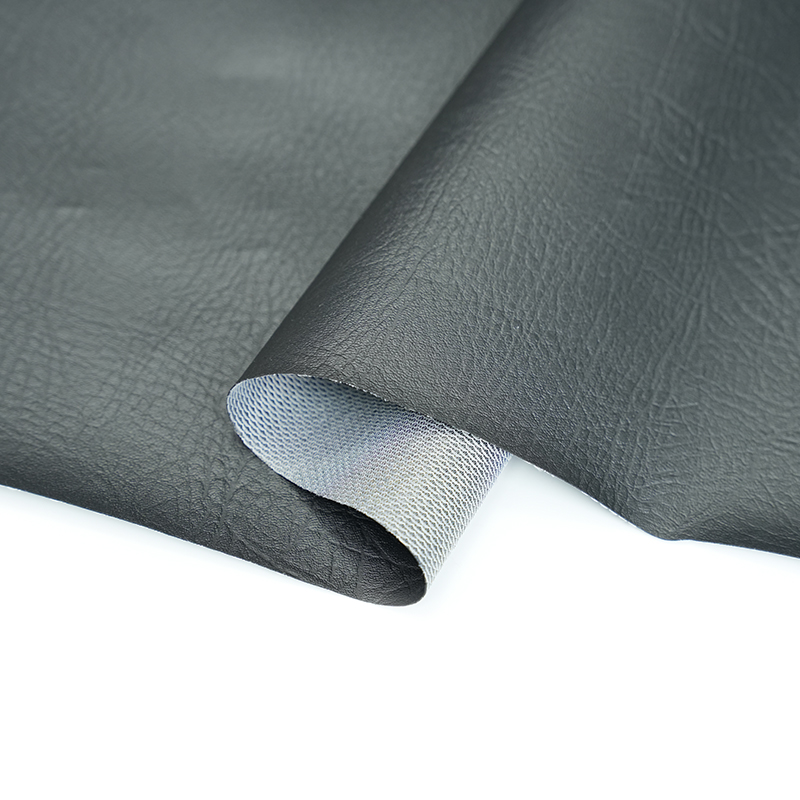
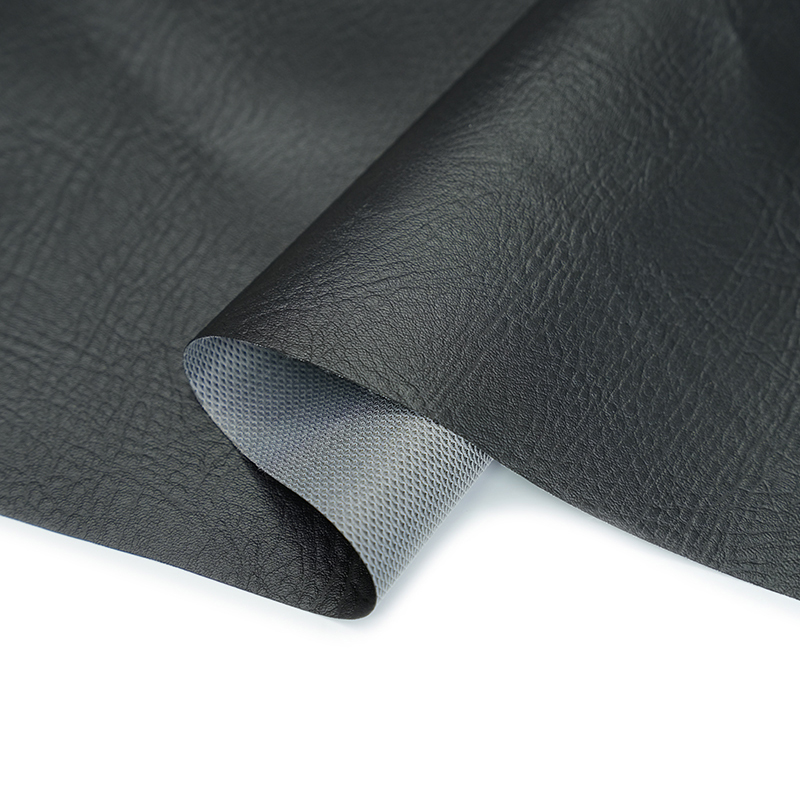
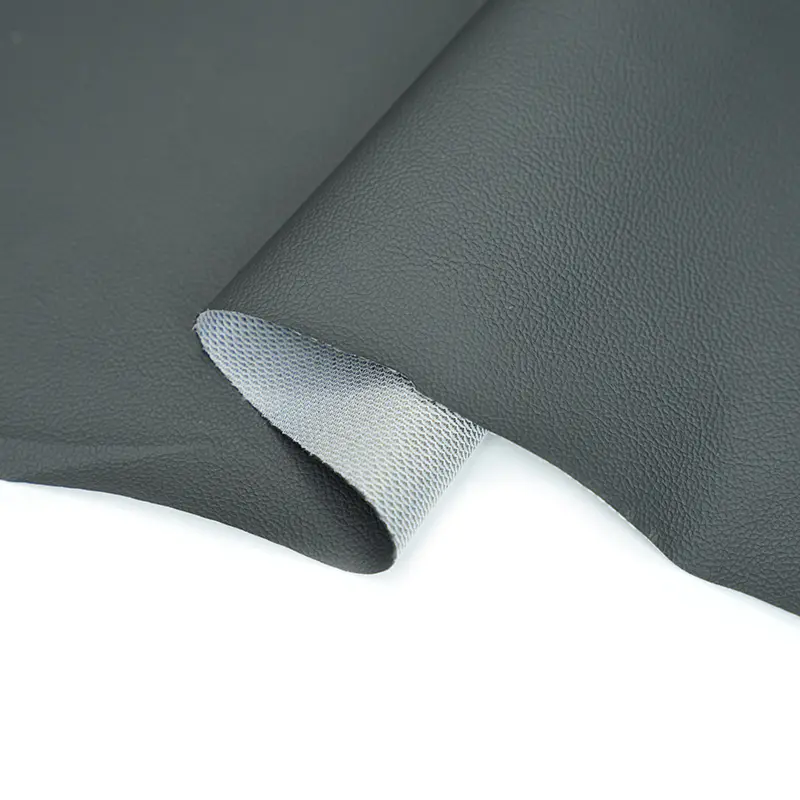
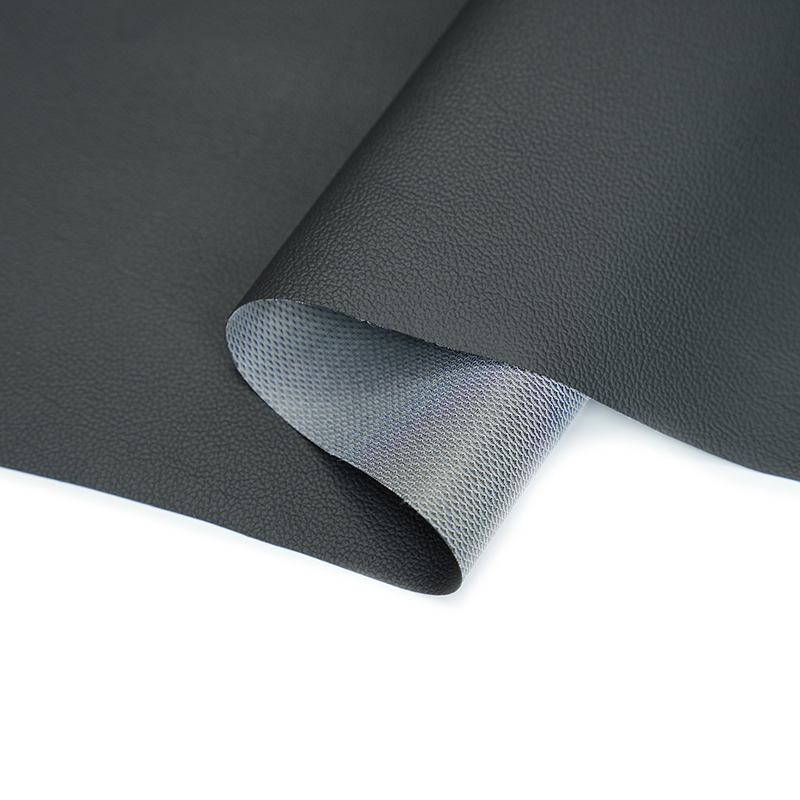
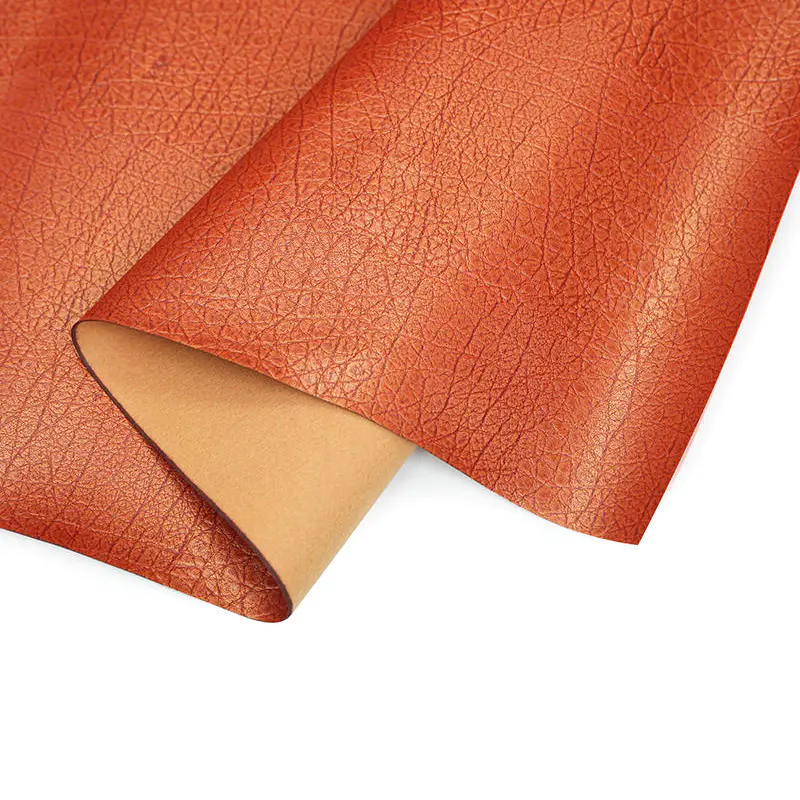
PVC artificial leather offers exceptional aesthetic versatility. Through embossing and printing processes, manufacturers can create a wide array of textures and patterns, ranging from classic leather grains to contemporary designs like the popular lychee pattern [citation:8]. This allows furniture makers to offer sofas that suit various design styles, from traditional to modern, without the cost constraints associated with genuine leather.
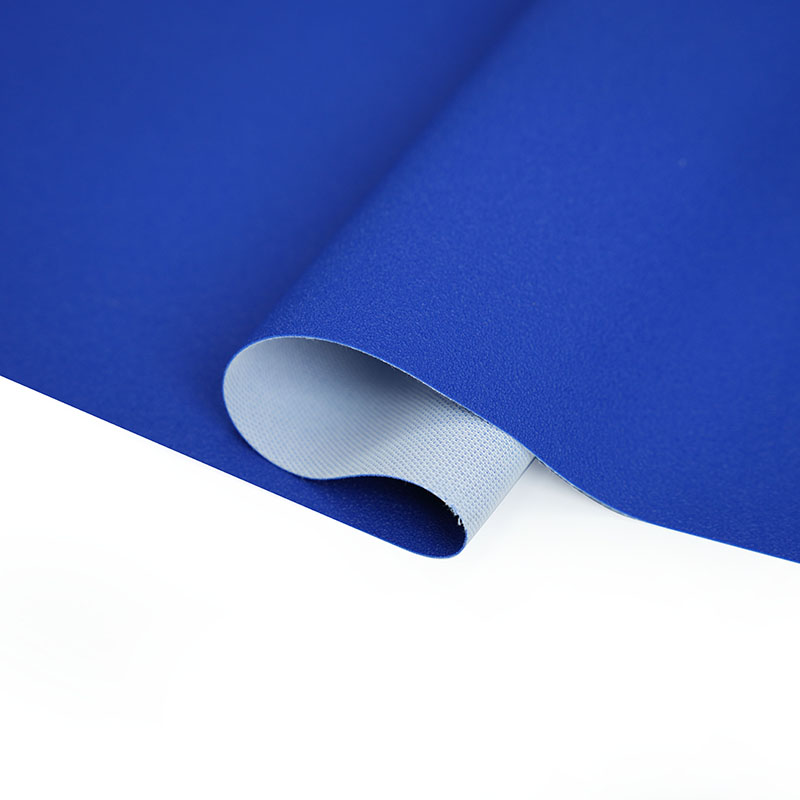
The material's ability to be produced in virtually any color further enhances its design flexibility. This allows for coordination with diverse interior color schemes and enables brands to create unique, customized furniture pieces that stand out in the market [citation:2][citation:7]. For detailed product specifications and to explore this fabric's full potential, you can visit the PVC Artificial Leather For Sofa product page.
Modern PVC artificial leather production has made significant strides in environmental responsibility. Many manufacturers now adhere to strict standards like REACH and CAPROP 65, ensuring that their products are free from harmful substances [citation:5]. Furthermore, the industry has evolved to include recycled materials in the production process, reducing the carbon footprint and promoting a more circular economy [citation:2][citation:5].
While PVC historically faced environmental scrutiny, advancements in production technology have led to more eco-friendly formulations. The development of phthalate-free and low-VOC (Volatile Organic Compounds) PVC further enhances the material's sustainability profile [citation:9]. This commitment to sustainability makes modern PVC artificial leather a more responsible choice for eco-conscious manufacturers and consumers.
PVC artificial leather for sofas represents a mature and highly reliable upholstery solution. Its combination of cost-effectiveness, exceptional durability, ease of maintenance, and aesthetic versatility makes it a preferred choice for manufacturers worldwide. While it may not offer the breathability of genuine leather, its superior resistance to wear, water, and stains makes it an ideal material for high-use furniture in both residential and commercial settings. As manufacturing processes continue to evolve, PVC artificial leather remains at the forefront of innovative and sustainable upholstery solutions.
A high-quality PVC artificial leather sofa can last between 5 to 10 years with proper care, depending on the frequency of use and maintenance. Its resistance to cracking and peeling ensures a long lifespan [citation:1][citation:3].
Yes, one of its key advantages is its ease of maintenance. It is highly stain and water-resistant, allowing for simple cleaning with mild soap and water. This makes it a practical choice for families and high-traffic areas [citation:2][citation:6].
PVC artificial leather is significantly more cost-effective than genuine leather, often costing 50-70% less. This makes it an excellent choice for budget-conscious projects without compromising on aesthetics or durability [citation:1][citation:4].
Yes, it is an excellent choice. The material's high abrasion resistance makes it more resilient to scratches and wear from pets compared to genuine leather. Its easy-to-clean surface also helps manage pet hair and accidents [citation:1][citation:4].
Yes, it is available in a wide range of colors and textures. Through embossing processes, it can mimic various leather grains, including classic, lychee, and modern designs, offering extensive design flexibility for furniture [citation:2][citation:8].
Add: No.285 Shashan Avenue, Zhouzhuang Town, Jiangyin City, Jiangsu Province, China.
Tel: +86-510-86903827
Rachel Wang:
+86-18651025719 (Phone)
[email protected] (Email)
Jessica Qian:
+86-13739165356 (Phone)
[email protected] (Email)
Cathay Xia:
+86-18021569150 (Phone)
[email protected] (Email)
Copyright © Jiangyin Jiangdong Plastic Co., Ltd. All Rights Reserved.Custom PVC Artificial Leather Manufacturers
