For furniture manufacturers and sourcing professionals, selecting the right upholstery material is a critical decision that affects product cost, durability, customer satisfaction, and regulatory compliance. Genuine leather has long been associated with luxury and premium quality, but its high cost, variability in quality, and maintenance requirements have led many manufacturers to consider high-quality alternatives. PVC artificial leather has evolved significantly in recent years, offering improved durability, consistent appearance, and easier care. This technical guide compares PVC artificial leather against genuine leather for sofa applications, focusing on material composition, mechanical properties, stain resistance, comfort, environmental compliance, and application-specific performance for residential, commercial, and hospitality furniture.
1. Defining PVC Artificial Leather: Structure and Manufacturing Process
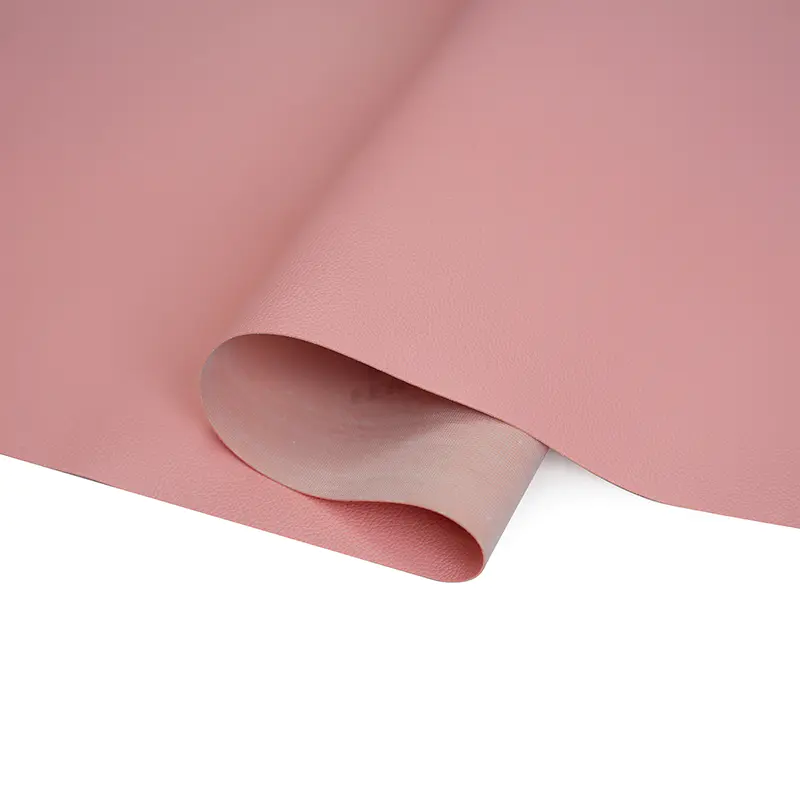
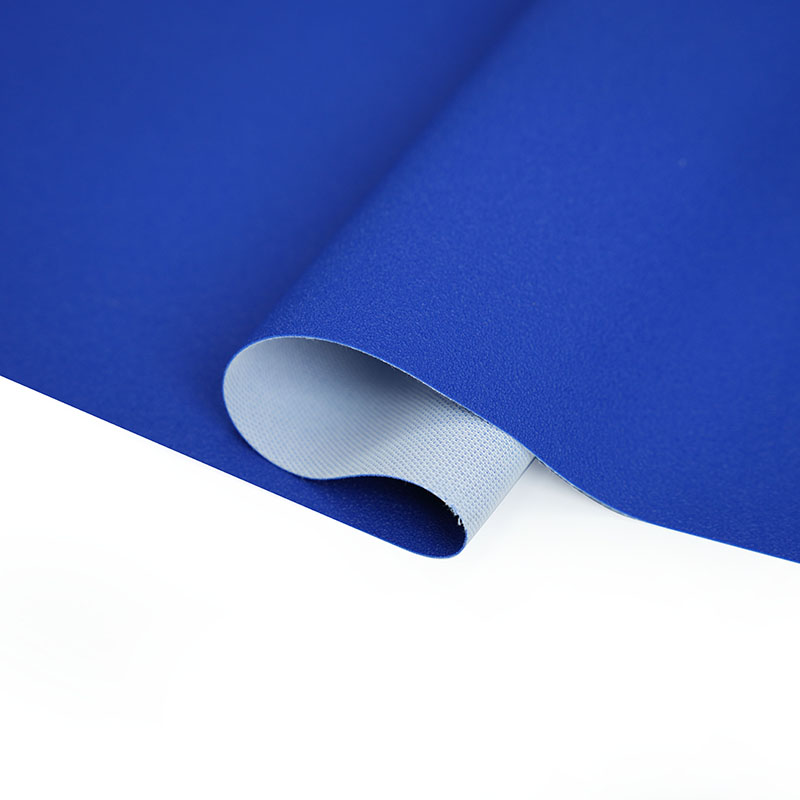
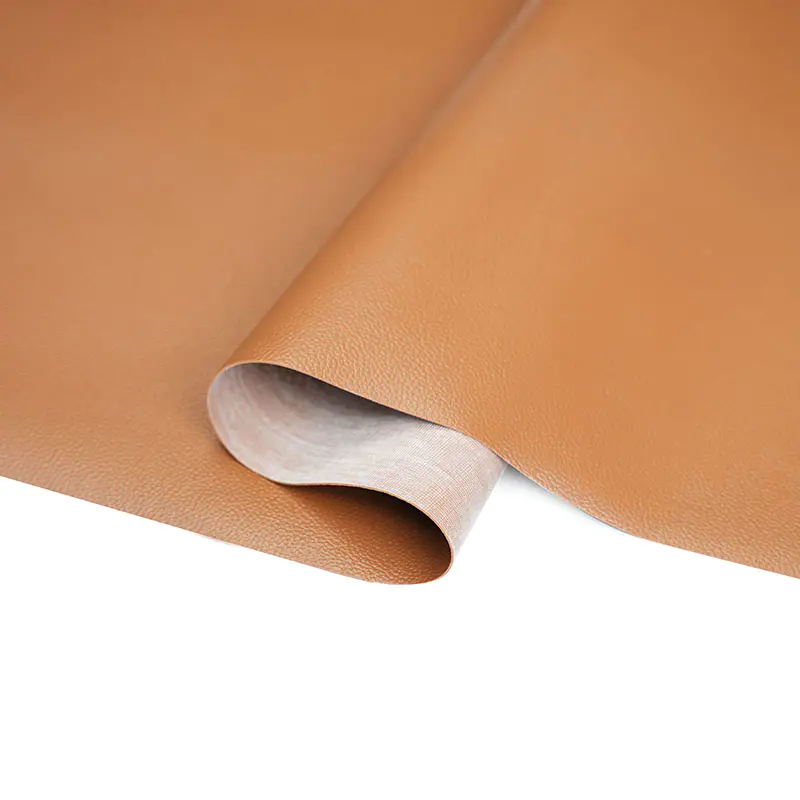
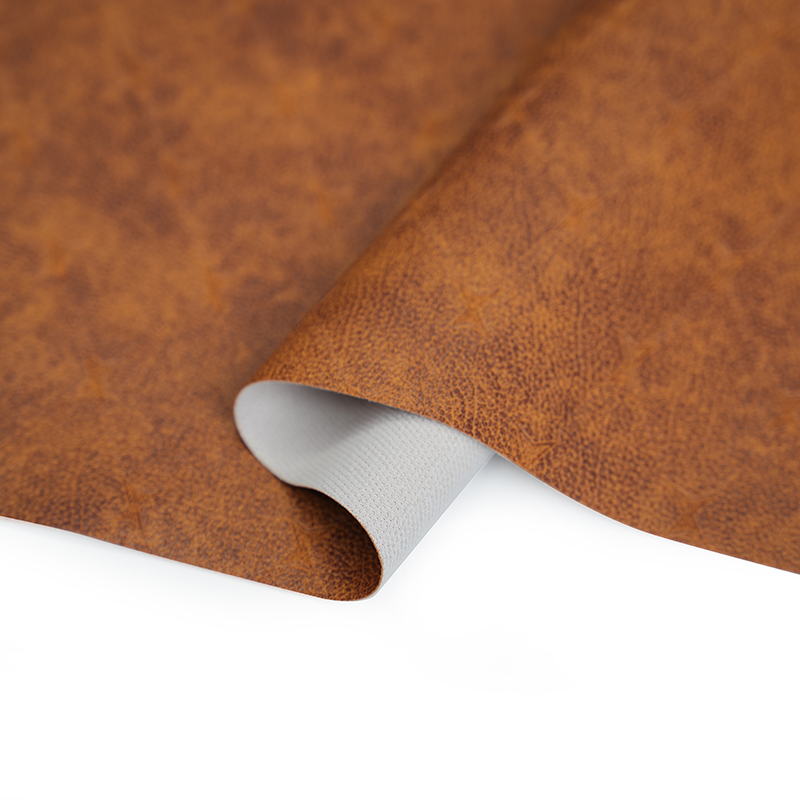
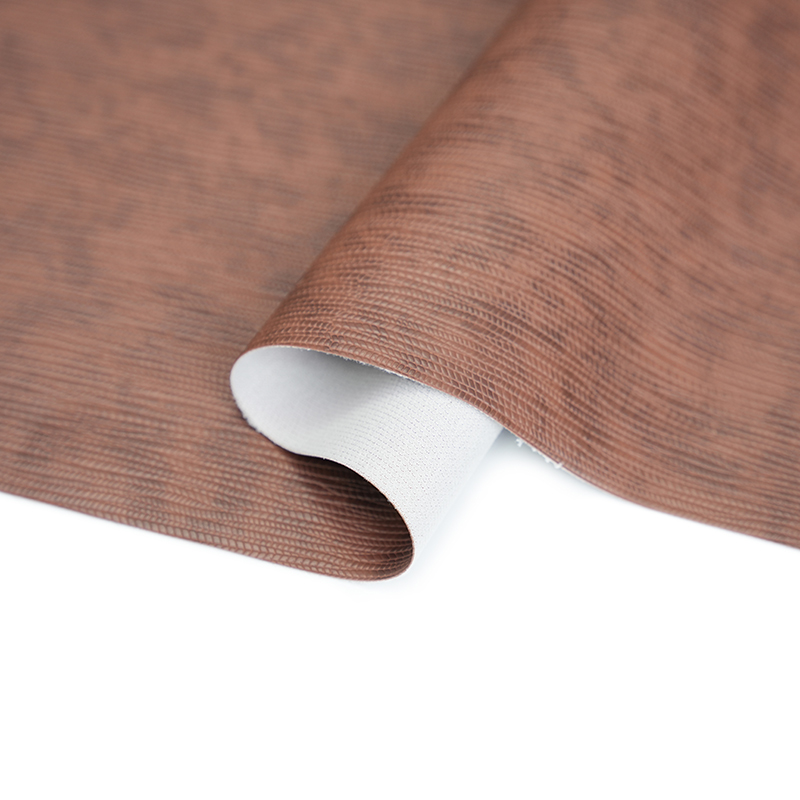
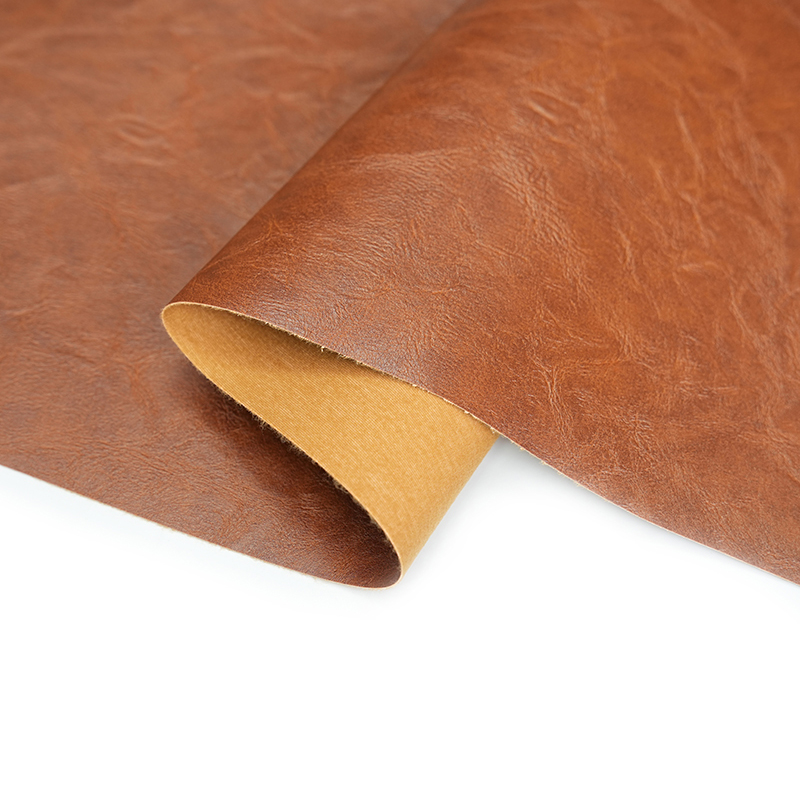
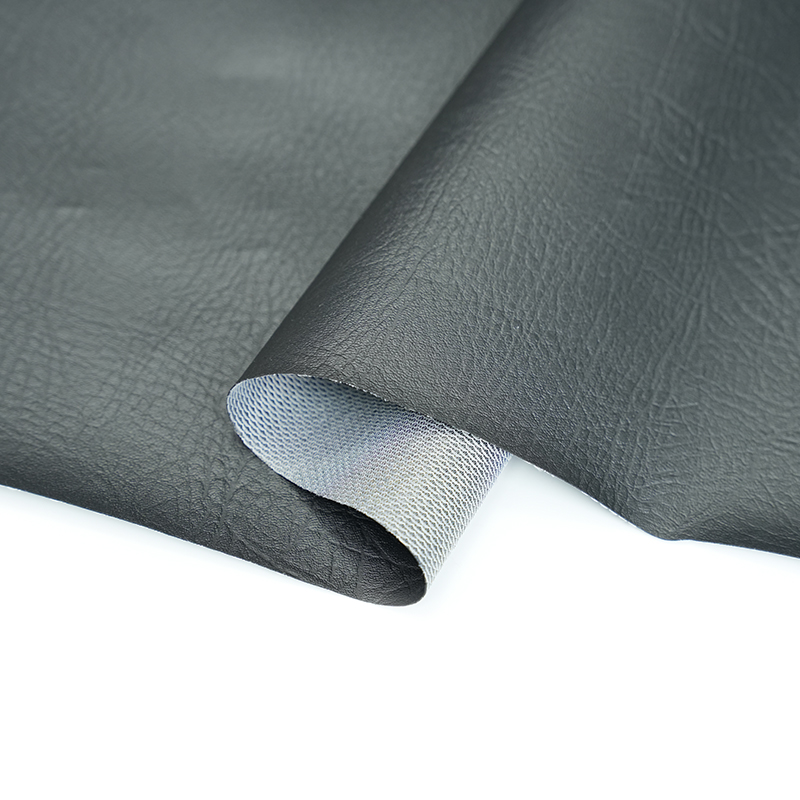
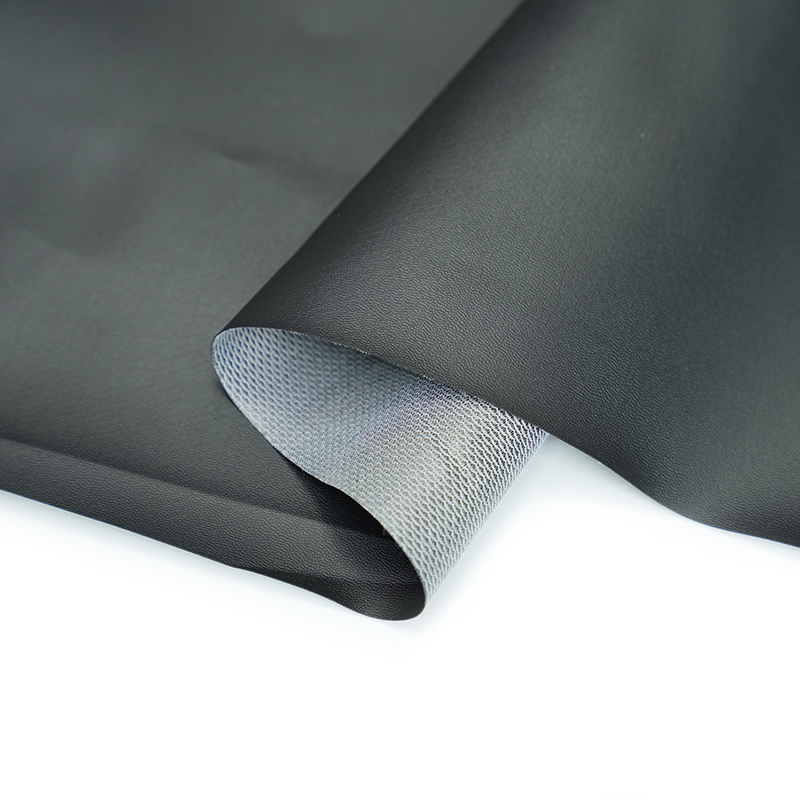
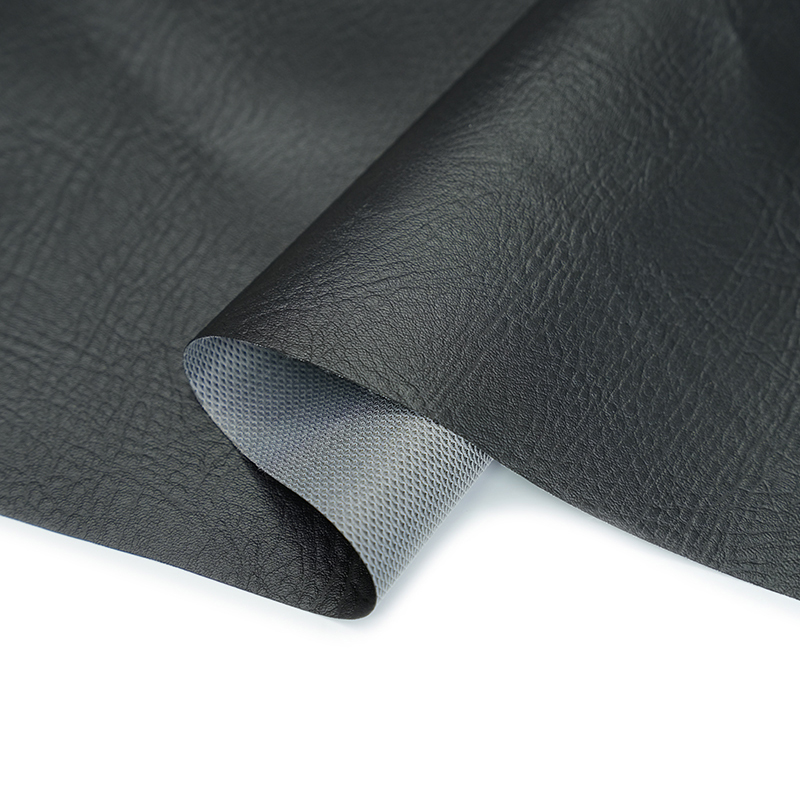
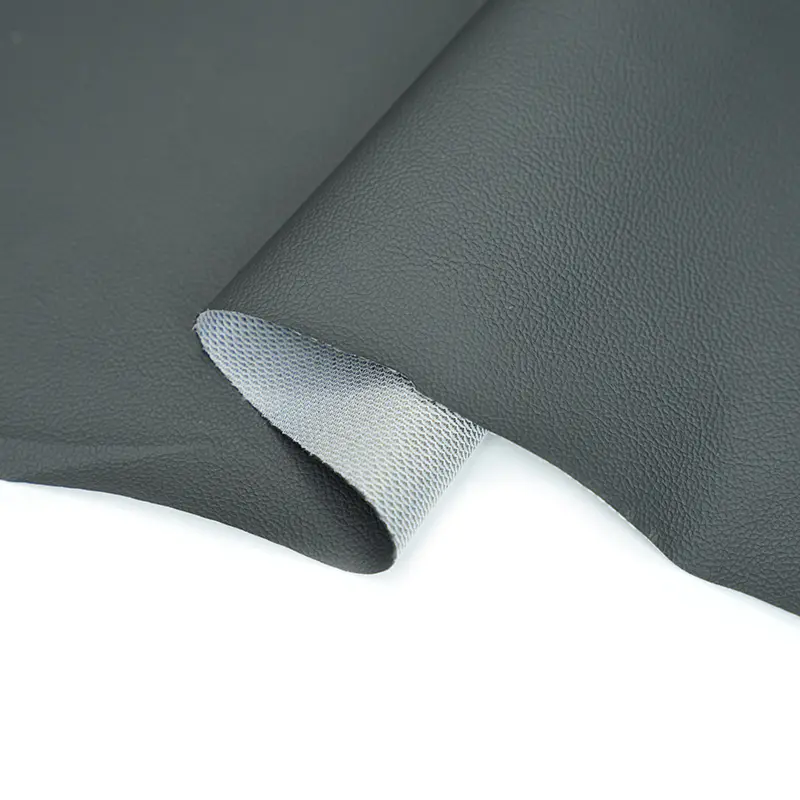
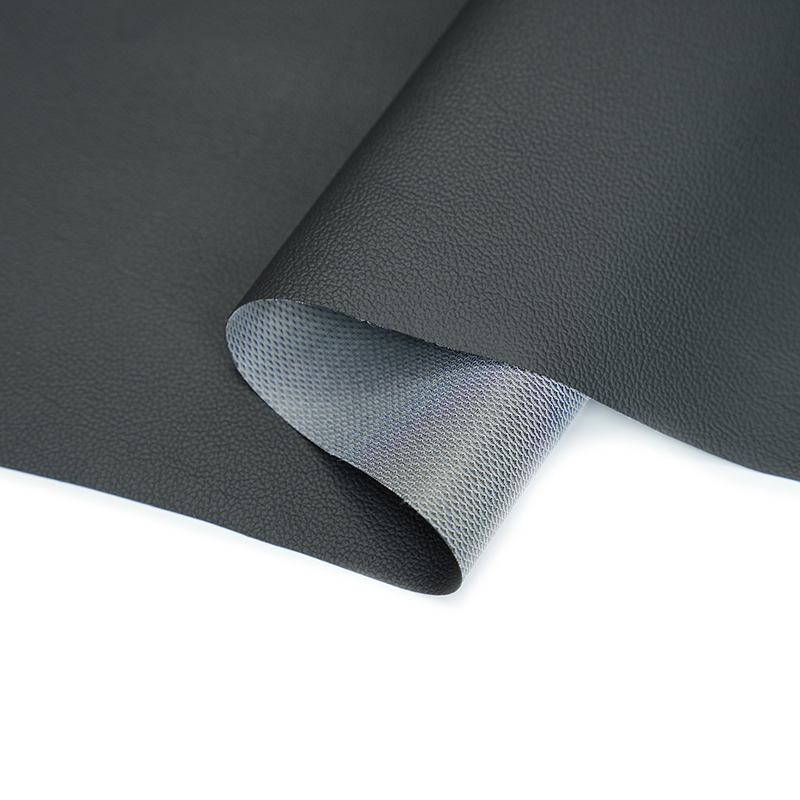
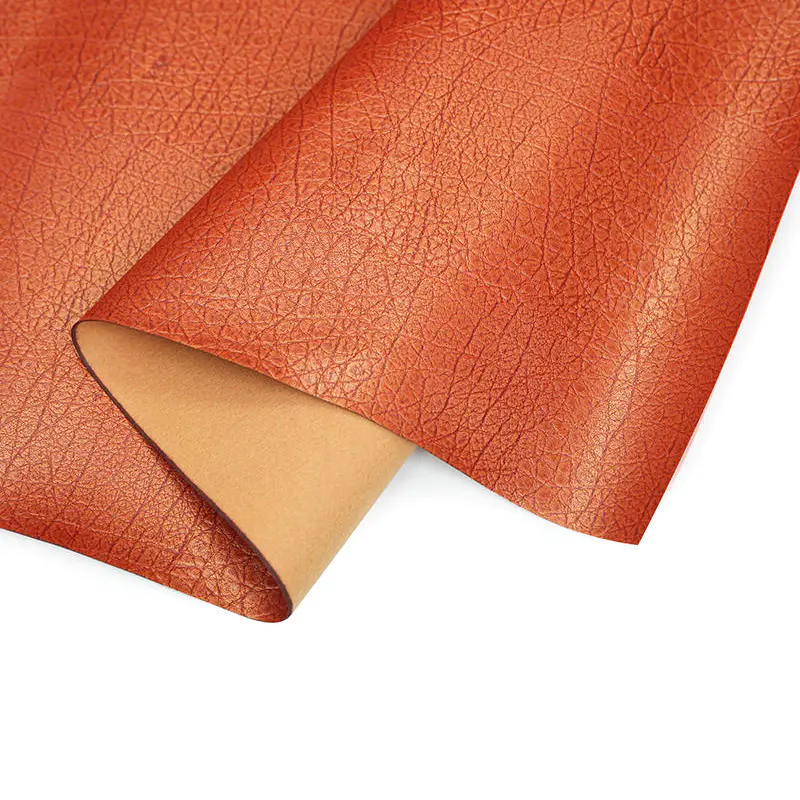
PVC artificial leather, also known as polyvinyl chloride leatherette, is a synthetic upholstery material designed to mimic the appearance and feel of genuine leather while offering enhanced durability and lower cost. The manufacturing process involves several key steps. First, high-quality PVC resin is mixed with plasticizers, stabilizers, and other additives to achieve the desired flexibility and performance characteristics. This mixture is then spread onto a release paper or directly onto a backing fabric through a calendering or coating process. The material passes through a series of heated rollers that form a uniform film of controlled thickness, typically ranging from 0.5 mm to 1.5 mm for sofa applications. Next, the surface is treated with color pigments and printed with grain patterns using rotogravure printing cylinders. Finally, the material undergoes an embossing process where heated rollers press the desired texture—such as leather grain, linen weave, or geometric patterns—into the surface. The result is a consistent, defect-free material that can be produced in large volumes with minimal variation. For detailed technical specifications, sourcing professionals can refer to
PVC artificial leather for sofa product pages for material data sheets and test reports.
2. Material Composition: PVC Resin, Plasticizers, and Backing Fabrics
The performance of PVC artificial leather is determined by its three main components: the PVC top layer, plasticizers, and the backing fabric. The PVC top layer provides the visual appearance, surface texture, and primary wear resistance. High-quality sofa-grade PVC uses suspension-grade or emulsion-grade resin with good thermal stability and low residual monomer content. Plasticizers, such as phthalate-free alternatives like DOTP (dioctyl terephthalate) or DINCH, are added to make the PVC flexible and soft. For sofa applications, plasticizer content typically ranges from 30% to 50% of the PVC weight. Higher plasticizer content produces a softer, more supple material but may reduce long-term durability. The backing fabric is usually a high-density polyester knitted fabric with a weight of 140 to 160 grams per square meter (GSM). This backing provides dimensional stability, tear resistance, and ease of sewing. Some premium grades use a cotton-polyester blended fabric for improved breathability. The bond between the PVC layer and the backing is critical; delamination is a common failure mode in low-quality artificial leather. The table below summarizes key material specifications for different sofa grades.
| Grade / Application |
Total Thickness |
PVC Layer Thickness |
Backing Type & Weight |
Plasticizer Type |
| Economy Residential</th |
0.8 - 1.0 mm</th |
0.4 - 0.6 mm</th |
Polyester knit, 120-140 GSM</th |
DOTP or general purpose</th |
| Standard Residential</th |
1.0 - 1.2 mm</th |
0.6 - 0.8 mm</th |
Polyester knit, 140-160 GSM</th |
DOTP or DINCH</th |
| Premium Residential</th |
1.2 - 1.5 mm</th |
0.8 - 1.0 mm</th |
Polyester-cotton blend, 160-180 GSM</th |
DINCH (phthalate-free)</th |
| Commercial / Hospitality</th |
1.5 - 2.0 mm</th |
1.0 - 1.4 mm</th |
High-density polyester, 180-200 GSM</th |
DINCH or polymeric</th |
| Heavy Duty / Public Seating</th |
2.0 - 2.5 mm</th |
1.4 - 1.8 mm</th |
Woven polyester, 200-250 GSM</th |
Polymeric plasticizer</th |
3. Durability Comparison: Abrasion Resistance, Tensile Strength, and Tear Resistance
Durability is the most critical performance factor for sofa upholstery. PVC artificial leather generally offers superior abrasion resistance compared to genuine leather of similar thickness. The Wyzenbeek or Martindale abrasion tests are the industry standards. Standard residential-grade PVC artificial leather typically achieves 50,000 to 100,000 Martindale cycles, while premium commercial grades can exceed 200,000 cycles. Genuine leather, depending on the quality and finish, typically ranges from 20,000 to 80,000 cycles. Tensile strength, measured in Newtons per 50 mm width, is also excellent for PVC artificial leather, typically 300 to 500 N/50 mm for standard grades. Genuine leather varies significantly by hide quality and tannage. Tear resistance is particularly important for sofa seams and edges. PVC artificial leather with a polyester knit backing achieves tear strengths of 30 to 60 N, which is comparable to or better than many genuine leathers. However, once torn, PVC artificial leather is more difficult to repair than genuine leather. For high-stress areas such as armrests and seat edges, manufacturers often specify thicker grades or add reinforcement.
4. Stain Resistance and Cleanability: Key Advantage for Daily-Use Sofas
Stain resistance is one of the most significant advantages of PVC artificial leather over genuine leather. The non-porous, smooth surface of PVC does not absorb liquids, making it highly resistant to stains from food, drinks, oils, and inks. Most spills can be wiped away with a damp cloth without leaving any mark. Genuine leather, even when sealed, has microscopic pores that can absorb liquids, leading to permanent staining if not cleaned immediately. Additionally, PVC artificial leather is resistant to common household cleaning agents. Mild soap and water, or a diluted ammonia solution, can be used without damaging the surface. Genuine leather requires specialized cleaning products and conditioners to prevent drying and cracking. For sofas in high-use environments—such as homes with children, pets, or frequent entertaining—PVC artificial leather offers a clear practical advantage. Some premium grades now feature an additional top coat with oleophobic properties that resist even oily stains such as butter or sunscreen. This zero-stain technology is achieved through surface tension engineering and cross-linked acrylic top layers that repel both water-based and oil-based contaminants.
5. Comfort and Aesthetics: Softness, Breathability, and Surface Embossing
Comfort in sofa upholstery involves both subjective feel and physiological factors such as breathability. Genuine leather naturally allows some air and moisture vapor to pass through, reducing the feeling of stickiness in warm weather. Traditional PVC artificial leather has low breathability, which can lead to discomfort during prolonged sitting. However, modern manufacturing techniques have improved this characteristic. Micro-perforated PVC artificial leather, where thousands of tiny holes are punched through the material, allows significant air circulation while maintaining structural integrity. Some manufacturers also produce breathable PVC using moisture-permeable coatings. In terms of softness, PVC artificial leather can be engineered to match or exceed the initial softness of genuine leather by adjusting plasticizer content and using softer backing fabrics. However, genuine leather develops a unique patina and softens with age, which is difficult to replicate. Surface embossing is a key aesthetic advantage of PVC artificial leather. Embossing rollers can create consistent, repeatable grain patterns that mimic not only various leather types (full-grain, corrected-grain, nubuck) but also fabric textures and custom designs. This consistency is impossible with genuine leather, where each hide has natural variations.
6. Environmental and Safety Compliance: REACH, RoHS, and Phthalate Regulations
For furniture exported to Europe, North America, and other regulated markets, environmental and chemical safety compliance is mandatory. Historically, PVC artificial leather faced criticism due to the use of phthalate plasticizers, some of which are classified as endocrine disruptors. In response, the industry has largely shifted to phthalate-free alternatives such as DOTP (dioctyl terephthalate), DINCH (diisononyl cyclohexane-1,2-dicarboxylate), and polymeric plasticizers. These alternatives meet REACH (Registration, Evaluation, Authorization, and Restriction of Chemicals) requirements and are permitted for use in children's furniture and other sensitive applications. RoHS (Restriction of Hazardous Substances) compliance is required for furniture containing electronic components, such as powered recliners. Additionally, PVC artificial leather for export must often meet flame retardancy standards such as BS 5852 (UK), CAL 117 (USA), or EN 1021 (Europe). Manufacturers should request test reports demonstrating compliance with relevant standards. Some premium products also carry OEKO-TEX LEATHER STANDARD certification, indicating they have been tested for harmful substances and are safe for skin contact. For environmentally conscious buyers, some PVC artificial leathers now incorporate recycled content, both from post-industrial PVC scrap and recycled polyester backing fabrics.
7. Application Guide: Residential Sofas, Commercial Seating, and Hospitality Furniture
PVC artificial leather is suitable for a wide range of seating applications, with specifications varying by use case. For residential sofas, standard grade material (1.0 to 1.2 mm thickness, 50,000+ Martindale cycles) offers an excellent balance of durability, comfort, and cost. For homes with pets, a slightly thicker grade with enhanced scratch resistance is recommended. For commercial seating such as office sofas, restaurant booths, and hotel lobby furniture, commercial grade (1.5 to 2.0 mm thickness, 100,000+ cycles) is required. These materials have higher tear resistance and often incorporate antimicrobial additives to reduce bacterial growth. For hospitality furniture, including hotel rooms and cruise ship cabins, materials must also meet stringent flame retardancy standards and be resistant to cleaning chemicals used by housekeeping staff. For outdoor sofas or patio furniture, marine-grade PVC artificial leather with UV stabilizers and water-resistant construction is available. The table below matches each application with recommended specifications.
| Application Area |
Recommended Thickness |
Min. Abrasion Cycles (Martindale) |
Additional Requirements |
Typical Backing |
| Standard Residential Sofa</th |
1.0 - 1.2 mm</th |
50,000</th |
Stain-resistant top coat</th |
Polyester knit, 140-160 GSM</th |
| Pet-Friendly Home</th |
1.2 - 1.5 mm</th |
100,000</th |
Scratch-resistant surface</th |
Polyester-cotton blend</th |
| Office / Commercial Seating</th |
1.5 - 2.0 mm</th |
150,000</th |
Antimicrobial, flame retardant</th |
High-density polyester</th |
| Hospitality (Hotels, Restaurants)</th |
1.2 - 1.8 mm</th |
100,000</th |
Chemical resistance, Class 1 flame rating</th |
Polyester with barrier layer</th |
| Marine / Outdoor</th |
1.0 - 1.5 mm</th |
100,000</th |
UV stabilized, water-resistant</th |
Polyester with marine treatment</th |
8. Quality Specifications for Export: Certifications and Testing Standards
For manufacturers exporting PVC artificial leather sofas, documented quality and safety certifications are essential. The most requested certifications and test reports include: REACH compliance declaration (SVHC testing), RoHS compliance for restricted substances (lead, mercury, cadmium, hexavalent chromium, PBB, PBDE), phthalate testing (6P or 15P, with results showing non-detect for restricted phthalates), flame retardancy test reports (BS 5852 crib 5, CAL 117, or EN 1021-1/2), abrasion test reports (Martindale or Wyzenbeek), tear and tensile strength test reports (ASTM D2261 or D5034), and color fastness to light (ISO 105 B02, typically requiring grade 4 or higher at 100 hours). For furniture sold in the European Union, the General Product Safety Regulation (GPSR) requires traceable test documentation. Many large retailers also require factory audits covering quality management systems (ISO 9001) and social compliance (BSCI or SMETA). Manufacturers who maintain current certifications and transparent quality records gain a competitive advantage in international bidding processes.
Frequently Asked Questions About PVC Artificial Leather for Sofa
Q1: Is PVC artificial leather for sofa durable compared to genuine leather?
A: Yes, high-quality PVC artificial leather typically exceeds genuine leather in abrasion resistance. Standard residential PVC achieves 50,000+ Martindale cycles, while genuine leather averages 20,000 to 80,000 cycles depending on quality. However, genuine leather has better natural tear resistance and can be repaired more easily.
Q2: What certifications are required for exporting PVC artificial leather sofas to Europe?
A: For European markets, REACH compliance (SVHC testing) and phthalate testing showing non-detect for restricted phthalates are mandatory. Flame retardancy testing (BS 5852 or EN 1021) is required. For furniture with electrical components, RoHS compliance is also necessary.
Q3: Is PVC artificial leather breathable? Will it feel sticky in hot weather?
A: Traditional PVC artificial leather has low breathability. However, modern micro-perforated versions allow significant air circulation. For hot climates or extended sitting, choose a perforated grade or a material with a moisture-permeable coating. Leather still has slightly better natural breathability, but perforated PVC narrows the gap.
Q4: How do I clean PVC artificial leather sofa upholstery?
A: For routine cleaning, wipe with a soft, damp cloth using mild soap and water. For stubborn stains, a diluted ammonia solution (one part ammonia to ten parts water) or isopropyl alcohol can be used. Avoid abrasive cleaners, bleach, and oil-based solvents. Never use leather conditioners or waxes on PVC.
Q5: Is PVC artificial leather environmentally friendly? What about phthalates?
A: Modern PVC artificial leather for export markets typically uses phthalate-free plasticizers such as DOTP or DINCH, which comply with REACH regulations. Some manufacturers offer recycled-content products. PVC is durable and long-lasting, reducing replacement frequency. However, PVC is not biodegradable, and its production has environmental impacts. Buyers seeking sustainable options should ask about recycled content and phthalate-free formulations.
References and Further Reading
- ASTM International. (2023). ASTM D4157-23: Standard Test Method for Abrasion Resistance of Textile Fabrics (Oscillatory Cylinder Method). West Conshohocken, PA: ASTM.
- British Standards Institution. (2022). BS 5852: Methods of test for assessment of the ignitability of upholstered seating. London: BSI.
- European Chemicals Agency. (2024). REACH Regulation (EC) No 1907/2006: Candidate List of Substances of Very High Concern. Helsinki: ECHA.
- International Organization for Standardization. (2022). ISO 105-B02:2014 – Textiles — Tests for colour fastness — Part B02: Colour fastness to artificial light: Xenon arc fading lamp test. Geneva: ISO.
- SGS Group. (2024). Test Methods for PVC Artificial Leather: A Technical Guide for Furniture Manufacturers. Geneva: SGS Publications.

 English
 中文简体
中文简体