
Content
In the competitive landscape of textile and material sourcing, custom printed leather fabric has emerged as a pivotal material for brands seeking differentiation. Whether for high-end upholstery, fashion accessories, or automotive interiors, the ability to specify custom patterns and textures provides designers with unparalleled creative freedom. This guide is tailored for B2B buyers, procurement officers, and product developers seeking to understand the technical nuances, application scopes, and sourcing strategies for high-quality printed leather materials.
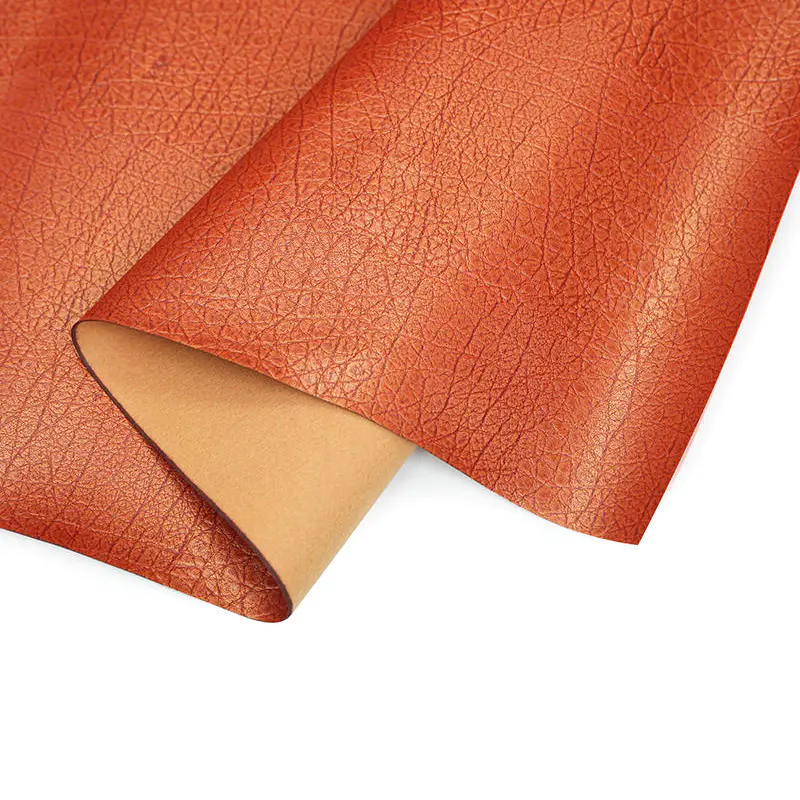
The evolution of artificial leather manufacturing has transitioned from simple embossing to sophisticated digital and rotary printing techniques. Custom printed leather fabric refers to synthetic materials—typically Polyurethane (PU) or Polyvinyl Chloride (PVC)—that undergo a surface treatment process to apply specific designs, colors, or textures. This process allows for the replication of exotic animal prints, intricate geometric patterns, or branded logos without the ethical concerns and batch-to-batch inconsistencies often found in natural leather. For industrial applications, the consistency of synthetic substrates ensures predictable handling during cutting and sewing processes.
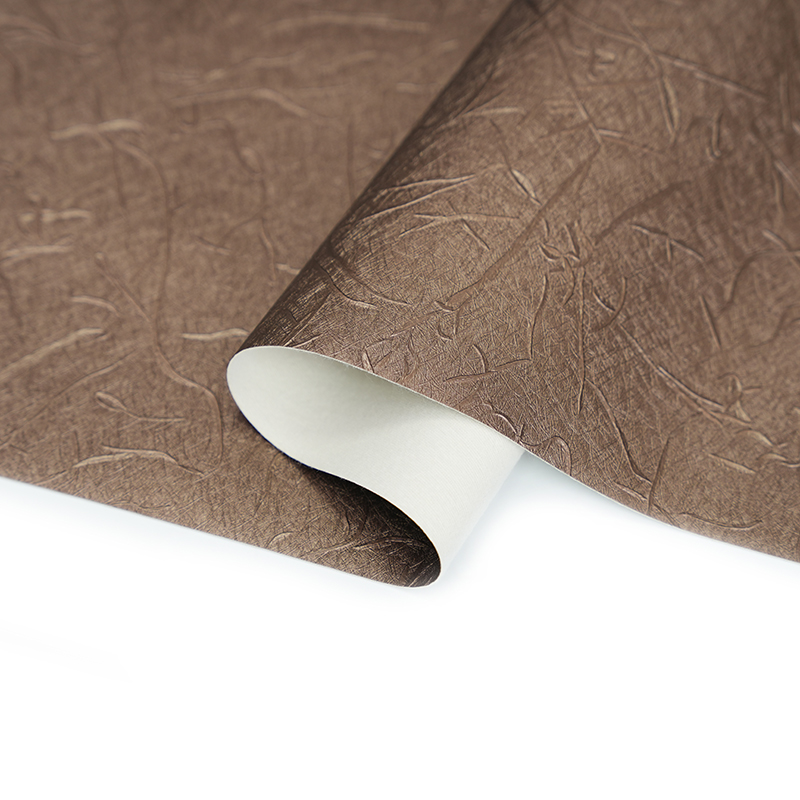
For many design studios and small-batch manufacturers, sourcing custom printed leather fabric by the yard is often the initial step in the prototyping phase. While large-scale production typically demands bulk roll purchases, the ability to order by the yard allows for rigorous testing of color fastness, adhesion, and drape. However, buyers must distinguish between stock patterns available by the yard and true custom printing services, which often require setup costs regardless of the yardage ordered.
When ordering custom materials, understanding the pricing structure is essential for cost control. The cost is influenced not only by the raw materials but also by the complexity of the printing technology employed. Generally, digital printing offers lower setup costs for short runs, whereas rotary printing becomes more economical for mass production.
Below is a comparison of factors influencing the ordering process:
| Factor | Stock Fabric (by the yard) | Custom Print (Large Batch) |
| Minimum Order Quantity | Low (1-10 yards) | High (500-1000+ meters) |
| Unit Price | Higher per yard | Lower per meter due to scale |
| Lead Time | Immediate shipping | 2-4 weeks (sampling + production) |
| Design Flexibility | Limited to existing inventory | Unlimited (custom patterns/logos) |
The demand for digital printed faux leather upholstery has surged due to advancements in printing technology. Digital printing utilizes inkjet technology to apply pigments directly onto the leather surface with microscopic precision. This method eliminates the need for physical printing plates, allowing for rapid changes in design and infinite color palettes. For the upholstery industry, this means the ability to produce photorealistic textures—such as exotic wood grains or abstract art—that retain the durability required for furniture.
From an engineering perspective, digital printing offers distinct advantages over traditional methods. It ensures consistent color penetration and reduces the environmental impact associated with dye wastage.
As consumer preferences shift towards ethical fashion, custom printed vegan leather for bags has become a staple for accessory manufacturers. Vegan leather, often made from PU or bio-based materials, offers a uniform surface that is ideal for high-definition printing. Unlike natural leather, which may have scars or grain variations that interfere with printed designs, synthetic substrates provide a flawless canvas.
When selecting materials for bags, the tensile strength and flex resistance are critical parameters. Printed vegan leather must withstand the stress of sewing, folding, and daily use without the design cracking or peeling. High-quality PU vegan leather offers a flex resistance rating often exceeding 100,000 cycles (Bally Flex Test), making it suitable for high-stress areas like bag straps and corners. Furthermore, the aesthetic versatility allows brands to replicate the look of embossed leather without the high tooling costs associated with heavy metal plates.
In the furniture sector, printed PU leather fabric for furniture is chosen for its balance of cost-efficiency and performance. PU leather is created by coating a fabric backing (such as woven polyester or cotton) with a polyurethane layer. When printed, this material must meet rigorous physical standards to ensure it does not degrade under UV exposure or friction.
Furniture and automotive interiors require materials that can endure prolonged physical contact and environmental exposure. Engineers must specify materials that meet specific technical thresholds.
The following table outlines typical performance requirements for printed PU leather in furniture applications:
| Performance Metric | Standard Requirement | Importance |
| Taber Abrasion (H-18, 500g) | > 500 cycles | Resistance to surface wear from seating friction |
| Light Fastness (Xenon Arc) | Grade 4-5 (ISO 105-B02) | Prevents fading near windows or in automotive use |
| Tear Strength | > 25 N (ISO 4674-1) | Prevents ripping during upholstery stretching |
| Seam Strength | > 30 N | Ensures seams do not tear under load |
Identifying reliable wholesale printed leather material suppliers requires a deep dive into the supplier's manufacturing capabilities and quality control systems. A supplier's ability to integrate weaving, coating, and printing under one roof significantly reduces lead times and ensures consistency. B2B buyers should look for manufacturers who utilize advanced production lines from Germany, Japan, or Taiwan, as these machines typically offer superior precision in film sticking and printing registration.
Capacity assessment goes beyond checking the square footage of the factory. Buyers should verify the annual output volume and the range of technologies available. For instance, a manufacturer capable of producing both PVC and PU artificial leather provides greater versatility for diverse product lines. Furthermore, suppliers should provide testing reports for hazardous substances (such as REACH, ROHS, or OEKO-TEX compliance) to ensure market access in regulated regions like Europe and North America.
Experience in the industry is often a reliable indicator of a supplier's stability and technical expertise. Established manufacturers bring decades of process optimization to the table, ensuring that custom printed leather fabric meets the highest industrial standards.
Founded in 1999, Jiangyin Jiangdong Plastic Co., Ltd. represents a legacy of expertise in the PVC artificial leather sector. With a sprawling manufacturing area of 35,000 square meters, the company has integrated advanced production lines imported from Germany, Japan, and Taiwan. This strategic investment allows for a fully integrated production workflow, encompassing weaving, dyeing, and film sticking. The company specializes in a diverse portfolio, including bag leather, shoe leather, sofa leather, decoration leather, car mats, and advertisement films, achieving an annual output exceeding 60 million meters.
Leveraging advanced technology, Jiangyin Jiangdong Plastic Co., Ltd. ensures that every meter of fabric meets rigorous quality specifications. The company's commitment to innovation and quality has facilitated a strong export network, with products primarily exported to Southeast Asia, the Middle East, South Africa, and other countries and regions. By combining high-volume production capabilities with the flexibility to customize, the company stands as a pivotal partner for businesses seeking premium wholesale printed leather material suppliers.
The procurement of custom printed leather fabric is a multifaceted process that balances aesthetic requirements with technical performance. Whether sourcing digital printed faux leather upholstery for a hotel renovation or custom printed vegan leather for bags for a fashion line, the choice of manufacturer is paramount. Partnering with experienced entities like Jiangyin Jiangdong Plastic Co., Ltd. ensures access to advanced technology, consistent quality, and the production capacity necessary to compete in the global market.
Yes, most advanced manufacturers offer custom printing services where your specific logo or pattern can be printed onto the leather substrate. This usually involves providing a high-resolution digital file and meeting the minimum order quantity (MOQ) set by the factory.
Printed PU (Polyurethane) leather is generally softer, more flexible, and breathable, making it ideal for bags and apparel. Printed PVC (Polyvinyl Chloride) leather is more durable, resistant to abrasions and harsh weather, making it suitable for car mats, outdoor furniture, and heavy-duty upholstery.
Digital printing applies ink directly to the surface via inkjet heads, allowing for high-detail, multi-colored designs without the cost of physical printing plates. Rotary printing uses engraved cylinders and is better suited for high-volume orders with repeating patterns, offering a lower cost per meter for massive runs.
Lead times vary based on order size and factory capacity. Typically, for wholesale printed leather material suppliers, a custom order may take 2 to 4 weeks for production after the sample approval. Stock items, however, can usually be shipped immediately.
Many modern synthetic leathers are produced to meet environmental standards like REACH and OEKO-TEX. PU leather is often considered more eco-friendly than PVC as it does not release dioxins. Additionally, digital printing reduces ink waste compared to traditional methods, contributing to a more sustainable production process.
Add: No.285 Shashan Avenue, Zhouzhuang Town, Jiangyin City, Jiangsu Province, China.
Tel: +86-510-86903827
Rachel Wang:
+86-18651025719 (Phone)
[email protected] (Email)
Jessica Qian:
+86-13739165356 (Phone)
[email protected] (Email)
Cathay Xia:
+86-18021569150 (Phone)
[email protected] (Email)
Copyright © Jiangyin Jiangdong Plastic Co., Ltd. All Rights Reserved.Custom PVC Artificial Leather Manufacturers


 English
 中文简体
中文简体